

Small, salty, and more interesting than their garnish reputation suggests — with one catch worth knowing about.
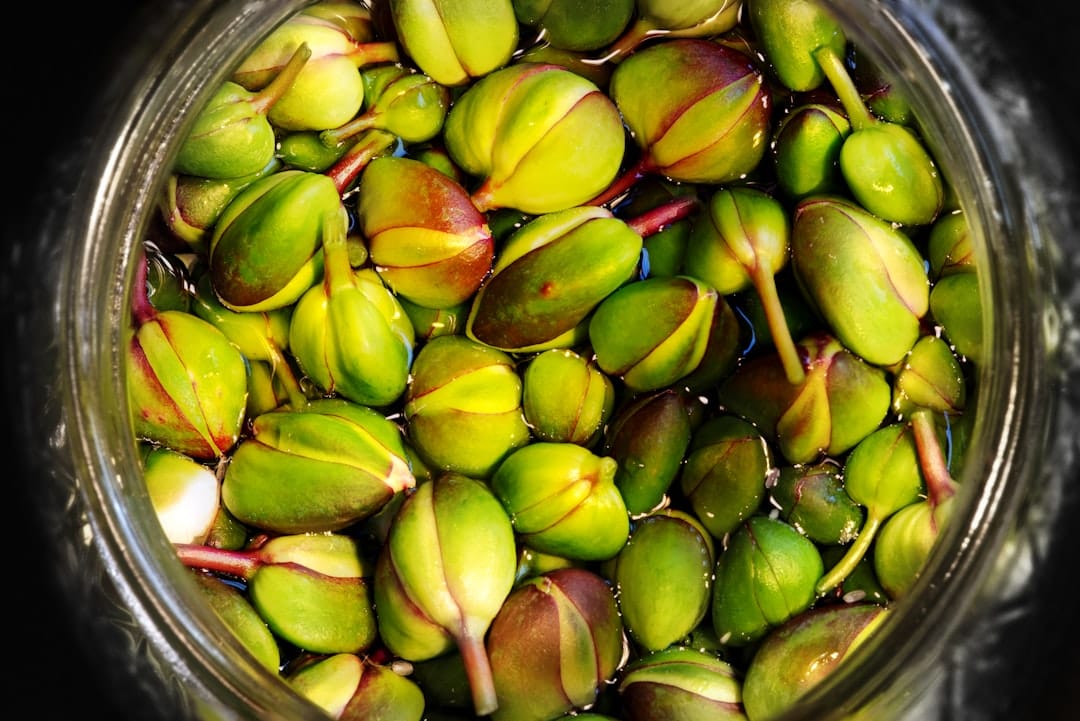
Capers are the little olive-green buds scattered over smoked salmon, chicken piccata, and pasta puttanesca. They come from Capparis spinosa, a tough Mediterranean shrub, and they are picked by hand before the flowers open, then pickled in brine or packed in salt. That process gives them their sharp, lemony, slightly mustardy bite.
Most articles about the benefits of capers list a long run of vitamins and minerals. The honest picture is different, and more useful. A tablespoon holds very little of any vitamin, but capers are one of the richest food sources of quercetin-type flavonoids, the research on blood sugar is real but mostly used extracts, and the sodium is high enough to matter. Here is what a spoonful actually gives you.
Key Takeaways
- A tablespoon of capers has about 2 calories and about 200 mg of sodium — the sodium is the number that matters (1).
- Capers are among the richest food sources of quercetin and rutin, and pickling does not destroy these compounds (3, 4).
- In lab tests, caper extract reduced fat oxidation in red meat during simulated digestion, which supports the tradition of pairing them with meat (2).
- Small trials found caper fruit extract helped blood sugar in type 2 diabetes, but a 2023 meta-analysis called the evidence thin (5, 7).
- Per spoonful, the vitamins and minerals are too small to count on. Enjoy capers for flavor and plant compounds, not as a nutrient source.
What’s Actually in a Spoonful of Capers
 Save
SaveThe numbers below come from the USDA food composition database for canned capers (1). Per 100 grams they look respectable — 3.2 grams of fiber, some vitamin K, iron, and copper. But nobody eats 100 grams of capers. A realistic serving is a tablespoon, and at that size the vitamins and minerals shrink to almost nothing.
| Canned capers | Per 100 g | Per tablespoon (8.6 g) |
|---|---|---|
| Calories | 23 kcal | about 2 kcal |
| Fiber | 3.2 g | about 0.3 g |
| Protein | 2.4 g | about 0.2 g |
| Vitamin K | 24.6 mcg | about 2 mcg |
| Iron | 1.7 mg | about 0.1 mg |
| Copper | 0.37 mg | about 0.03 mg |
| Sodium | 2,350 mg | about 200 mg |
So when an article tells you capers are a good source of vitamin K or iron, it is quoting the per-100-gram figure. The two numbers that stay meaningful at a tablespoon are the ones at opposite ends: almost no calories, and a noticeable amount of sodium.
One of the Richest Food Sources of Quercetin
This is where capers genuinely stand out. They are one of the foods with the highest quercetin content (3), and a single serving of salt-stabilized Sicilian capers was measured at nearly 14 mg of rutin, a quercetin compound, along with isothiocyanates, the same family of plant compounds found in mustard and broccoli (2).
Two practical details make this more than a lab curiosity. Pickling did not reduce the phenolic content or antioxidant activity of capers compared with raw ones, and roughly three-quarters of those phenolics remained available after simulated digestion (4). In other words, the jar in your fridge keeps most of what makes capers interesting.
What quercetin does in the body at food-level doses is still being worked out, so treat this as “a flavorful way to add plant compounds” rather than a health treatment. The broader pattern of eating plenty of plant foods is where the evidence is strongest, which is why capers fit so naturally into a Mediterranean-style, anti-inflammatory way of eating.
A Useful Partner for Grilled and Fried Meat
Capers have been paired with meat in Mediterranean cooking for a long time, and there may be a chemical logic to it. When red meat is cooked and digested, its fats oxidize, and dietary oxidized fats are linked to oxidative stress. In a laboratory model of red meat in stomach fluid, caper extract reduced that fat oxidation in a dose-dependent way (2).
This was a test-tube study, not a trial in people, so it cannot tell you how much protection a sprinkle of capers gives you at dinner. It is still a reasonable nudge toward adding them to meat dishes you already eat.
Can Capers Help With Blood Sugar and Weight?
This is the most-researched health claim, and it needs careful reading. The trials used extracts of the caper fruit, not the pickled buds you buy in a jar.
- In a randomized, placebo-controlled trial of 54 people with type 2 diabetes, 400 mg of caper fruit extract three times a day for two months lowered fasting blood glucose and HbA1c compared with placebo, with no liver or kidney side effects (5).
- In a smaller trial of 30 people with poorly controlled diabetes, a caper fruit syrup did not improve HbA1c compared with placebo, but it did stop fasting glucose and triglycerides from getting worse over three months (6).
- A 2023 meta-analysis pooling five randomized trials and 178 adults found statistically significant effects only for a liver enzyme (ALT), HDL cholesterol, and body weight, which fell by about 1 kg. The drop in fasting glucose was not significant, and the authors highlighted how little data exists (7).
The fair summary: caper extracts look promising for people with diabetes or metabolic syndrome, but the evidence is small and early, and it says very little about eating capers as food. If you take diabetes medication and are thinking about a caper supplement, talk to your doctor first. As a food, capers help weight management mainly the ordinary way — by adding a lot of flavor for almost no calories.
What About Skin?
You will see capers listed as good for skin. The research behind that is about skincare ingredients, not about eating capers. In a study by a cosmetics research team, a 5% caper fruit extract applied to the skin increased hydration on arms, legs, and faces (8). That supports caper extract as a moisturizing ingredient in formulated products.
It does not support rubbing capers on your face. A separate study found that caper fruit applied topically at high doses caused significant skin irritation, and identified the compounds responsible (9). If you like the idea, look for a properly formulated product rather than a kitchen remedy.
There is no evidence that eating capers improves hair growth.
The Sodium Catch
 Save
SaveCanned capers contain about 2,350 mg of sodium per 100 grams, or about 200 mg per tablespoon (1). The Dietary Guidelines for Americans recommend adults keep sodium below 2,300 mg a day, and a high-sodium diet can raise blood pressure by pulling extra water into the bloodstream (11).
A tablespoon on its own is fine for most people. It becomes a problem when capers join other salty foods on the same plate — smoked salmon, olives, anchovies, cured meats, cheese. If you have high blood pressure, heart failure, or kidney disease, or have been told to limit salt, count capers toward your total.
Rinse them before using. A quick rinse under the tap removes some of the surface brine, and salt-packed capers should be soaked for longer. You keep the flavor and lose a little of the salt.
Traditional Uses
Capers and other parts of the caper plant have a long history in folk medicine across the Mediterranean and Middle East, where they have been used for digestive complaints, rheumatic pain, and blood sugar. Laboratory studies of caper extracts have reported antioxidant, anti-inflammatory, and antimicrobial effects that help explain why these traditions arose (10). Most of that work is in cells and animals, so it is context rather than evidence that capers treat any condition.
How to Eat Capers
- Rinse, pat dry, and scatter over salads, roasted vegetables, or eggs.
- Fold into tomato sauces, tuna or chicken salad, and grain bowls.
- Fry rinsed capers in a little olive oil until they open and crisp, then use them as a salty topping.
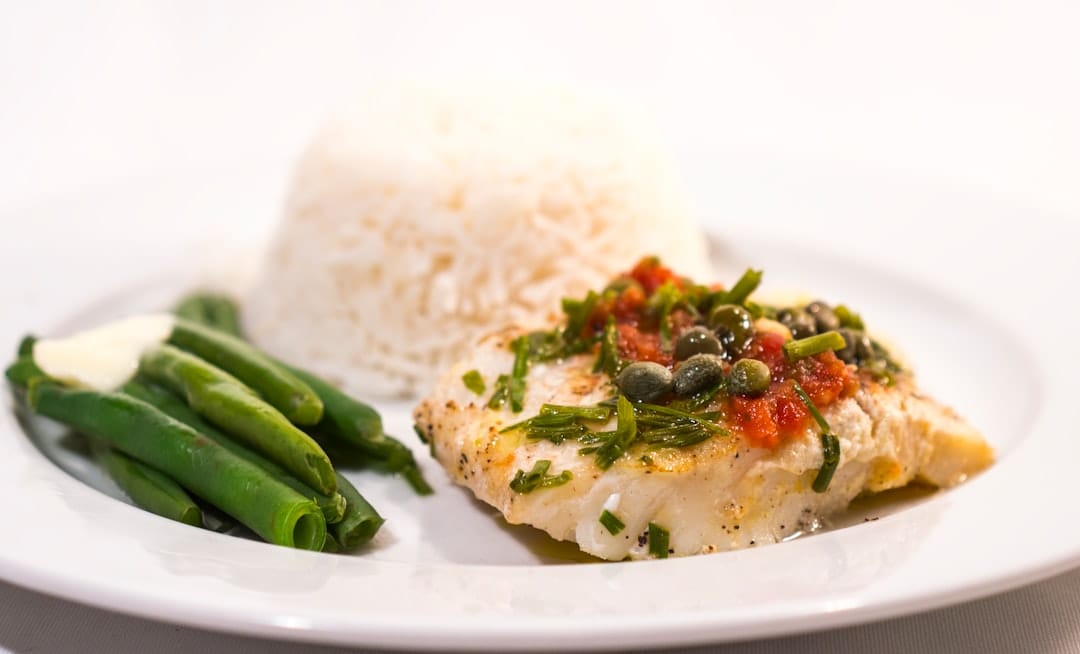
- Pair them with grilled fish or meat, which is where the flavor and the lab research point in the same direction.
- Use them instead of adding salt, not in addition to it.
Small additions like this are how eating well actually works in practice — see what changes when you start eating healthier and how to build a balanced plate around them.
Frequently Asked Questions
Are capers healthy?
In the amounts people actually eat, yes — with one caveat. A tablespoon adds almost no calories and a meaningful dose of plant compounds, especially rutin and other quercetin derivatives. The vitamins and minerals are too small per spoonful to matter much. The caveat is sodium: about 200 mg per tablespoon, which adds up quickly if you are watching your blood pressure.
How much sodium is in capers?
Canned capers contain about 2,350 mg of sodium per 100 grams, or roughly 200 mg per tablespoon. The Dietary Guidelines recommend adults keep sodium below 2,300 mg a day, so one tablespoon is close to a tenth of that. Rinsing them before use washes away some of the surface brine.
Are capers good for people with diabetes?
They are a reasonable food to include, but they are not a treatment. The small clinical trials that found blood sugar improvements used concentrated caper fruit extract in capsules or syrup, not a spoonful of pickled buds, and a 2023 meta-analysis found the effect on fasting glucose was not statistically significant. If you are considering caper supplements while taking diabetes medication, check with your doctor first.
Should you rinse capers?
Usually, yes. A quick rinse removes some of the salty brine and softens the sharpness without losing the flavor. Salt-packed capers need a longer soak. Rinsing does not remove all the sodium, so they still count toward your daily total.
What is the difference between capers and caper berries?
Capers are the unopened flower buds of the caper bush, picked small and pickled or salted. Caper berries are the fruit that forms after the flower blooms — larger, olive-sized, and usually sold with the stem on. Most of the blood sugar research used extracts of the fruit, which is worth knowing when you read health claims about capers.
Who should limit capers?
Anyone on a sodium-restricted diet, including many people with high blood pressure, heart failure, or kidney disease. People taking caper extracts or supplements alongside blood sugar medication should talk to their doctor. As a garnish in normal amounts, capers are safe for most people.
The Bottom Line
The real benefits of capers are simpler than most lists claim. They add big flavor for about two calories a spoonful, they are one of the richest food sources of quercetin-type flavonoids, and pickling keeps those compounds intact. Caper fruit extracts have shown early promise for blood sugar and weight in small trials, but that research does not translate directly to the buds in your jar. The one real downside is sodium, about 200 mg per tablespoon, so rinse them, use them in place of salt, and count them if you are watching your blood pressure.
This article is for informational purposes only and is not a substitute for professional medical advice. Talk to your doctor or a registered dietitian before making changes to your diet, especially if you have a health condition or take medication.
Related Articles
Arthritis Diet: Foods That Help and Foods to Avoid
What a Balanced Diet Actually Looks Like
What Actually Happens When You Start Eating Healthy
Mediterranean Diet Breakfast Ideas