
Licorice root benefits explained with the evidence: what human studies show for sore throat, canker sores, burns and skin, which claims come only from animal studies, and the real safety risks of glycyrrhizin.
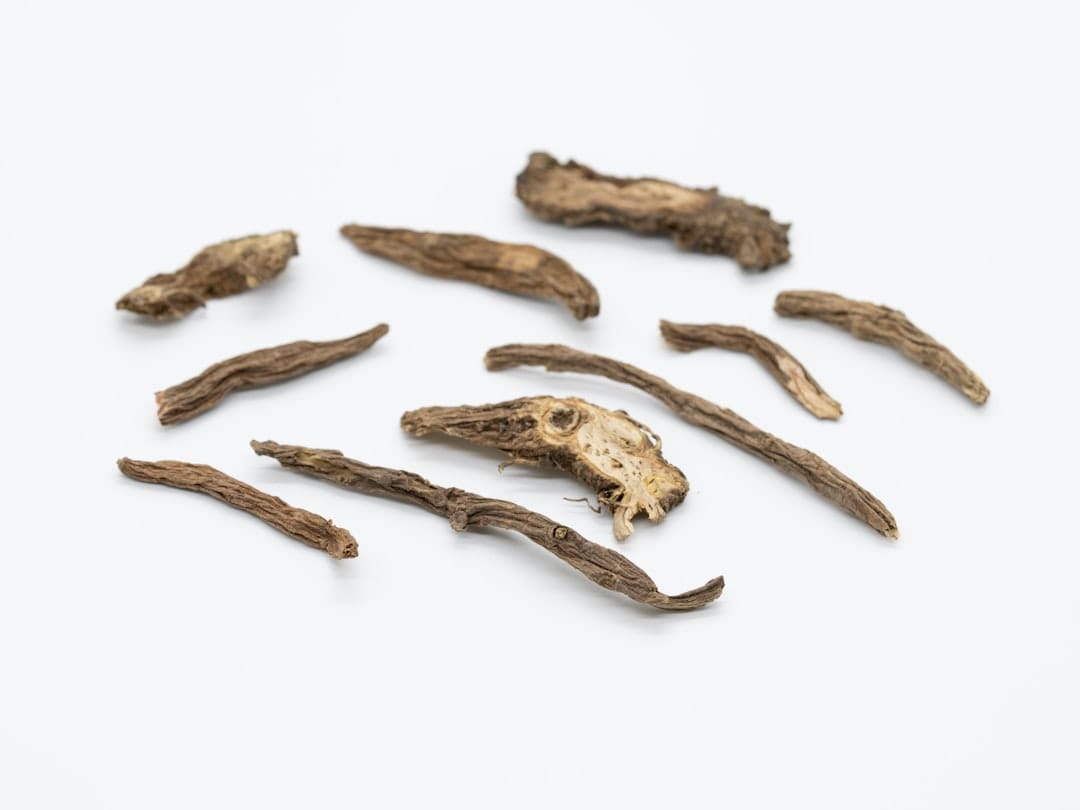
Licorice root comes from Glycyrrhiza plants and has been used since ancient Assyrian, Egyptian, Greek, Chinese and Indian medicine for coughs, asthma and wound healing. Today it is sold as a supplement for digestive and respiratory support and in topical products for skin (1). Many “licorice” candies sold in the United States contain no actual licorice and are flavored with anise oil instead (1).
Many articles list broad licorice root benefits, but the NIH notes that there isn’t enough high-quality evidence to clearly support licorice for any health condition (1). Licorice also contains glycyrrhizin, which can raise blood pressure and lower potassium, so safety matters as much as benefits (1, 2).
Key Takeaways
- A licorice gargle or lozenge before surgery reduced post-operative sore throat in a meta-analysis of 5 trials (5).
- Licorice rinses and gargles may reduce canker sore size and pain (1).
- Brain, blood sugar and anticancer effects have only been shown in animals or cells (9, 11, 13).
- Regular licorice intake raises blood pressure and lowers potassium, even at modest doses (2, 3).
- Glycyrrhizin can cause irregular heartbeat and cardiac arrest in large or long-term amounts (1).
- Large amounts during pregnancy are unsafe (1).
Licorice Root Benefits: What Human Studies Show
 Save
Save| Use | What was studied | Evidence |
|---|---|---|
| Sore throat after surgery (5) | Licorice gargle or lozenge before intubation, 5 trials, 609 patients | Meta-analysis of human trials |
| Canker sores (1) | Licorice mouth rinse, gargle or topical products | Small human studies |
| Mouth sores from cancer treatment (4) | Ayurvedic licorice preparation during chemoradiotherapy | Small pilot study |
| Burns and eczema (1, 6) | Licorice root gels on second-degree burns or eczema | Preliminary human trials |
| Digestive symptoms (1, 7, 8) | Licorice products; lab and rat ulcer studies | Unclear in people |
| Brain, blood sugar, cancer (9, 11, 13) | Mice, rats and cell studies | Not studied in people |
Sore throat after surgery
A meta-analysis of 5 randomized trials with 609 adults found that applying licorice as a gargle or lozenge before tracheal intubation for general anesthesia cut the risk of post-operative sore throat by more than half and reduced its severity. No significant side effects related to licorice were reported (5).
Canker sores
Licorice mouth rinses or gargles might reduce ulcer size and pain in people with recurrent canker sores, while topical licorice might reduce ulcer size only (1).
Mouth sores from cancer treatment
In a small randomized pilot study of people with head and neck cancer receiving chemoradiotherapy, about 15.5% of those given an Ayurvedic licorice preparation (yashtimadhu) along with conventional care developed severe (grade 3) mucositis, compared with about 43% with conventional treatment alone. The licorice group also had fewer unplanned treatment breaks and hospital stays (4). This was a pilot study, and anyone receiving cancer treatment should only use it with their oncology team.
Licorice for Skin
 Save
SaveEvidence for skin is preliminary. In a double-blind trial of 50 people with second-degree burns, a hydrogel containing licorice root extract reduced inflammation, redness and burning and sped healing compared with a plain hydrogel (6). Topical gels containing licorice root might also help eczema symptoms, but more research is needed (1).
Glabridin, a compound from licorice root, has been studied in the lab for anti-inflammatory and skin-whitening activity (15). Claims that licorice tea or homemade face packs fade dark spots or protect against the sun have not been tested. Topical licorice may be safe short term but can irritate the skin in some people, so patch-test first (1). For eczema-prone or psoriasis-prone skin, see our psoriasis diet guide.
Digestion and Ulcers
It is unclear whether products containing licorice alone improve digestive symptoms in people (1). In the lab, glycyrrhetinic acid, a licorice compound, killed Helicobacter pylori, the bacteria linked to stomach ulcers, including antibiotic-resistant strains (7). In rats, licorice and its derivatives reduced stomach lesions caused by ibuprofen (8). DGL, a form with most glycyrrhizin removed, might be safe for up to 4 months (1). For short-term tummy troubles, see our home remedies for diarrhea.
Animal and Lab Studies
- Brain: glycyrrhizic acid reduced brain inflammation and memory loss in mice (9), and three licorice varieties improved memory in mice with induced brain inflammation (10).
- Blood sugar: licorice extract lowered blood sugar and protected kidney function in diabetic rats (11), and licorice flavonoid oil lowered blood sugar and belly fat in obese diabetic mice in a study by a food company (12). See also our article on mango leaves.
- Cancer: glycyrrhizin triggered cell death in prostate cancer cells (13), and licorice polysaccharides slowed tumor growth in mice (14).
None of these effects has been shown in people.
Safety: Glycyrrhizin, Blood Pressure and Potassium
Licorice root is generally considered safe as a food ingredient, but glycyrrhizin can cause serious adverse effects, including irregular heartbeat and cardiac arrest, especially in large amounts or with long-term use. Even small amounts have been linked to severe effects in people who eat a lot of salt, have high blood pressure, or have heart or kidney conditions (1).
A meta-analysis of 18 studies found that regular intake of at least 100 mg of glycyrrhizic acid a day raised systolic blood pressure by about 5.5 mmHg and lowered blood potassium, with larger doses causing bigger blood pressure increases (2). In a 2024 randomized trial in 28 healthy young adults, licorice providing 100 mg of glycyrrhizic acid a day, an amount the World Health Organization suggested was unlikely to cause harm, raised home systolic blood pressure by 3.1 mmHg within 2 weeks (3).
- High blood pressure, heart or kidney disease: avoid licorice products containing glycyrrhizin unless your doctor approves (1, 2).
- Medications: interactions between licorice and corticosteroids have been reported; talk to your doctor if you take any medication (1).
- Pregnancy: large amounts (about 250 g of licorice a week) are unsafe and increase the risk of delivery before 38 weeks; little is known about breastfeeding (1).
- Topical use: may cause skin irritation (1).
Frequently Asked Questions
What are the proven benefits of licorice root?
According to the NIH, there isn’t enough high-quality evidence to clearly support licorice for any health condition. The most promising human evidence is for preventing sore throat after surgery, where a meta-analysis of 5 trials found a licorice gargle or lozenge before intubation reduced sore throat, and for canker sores treated with licorice rinses or gargles.
Is licorice root safe?
Licorice is generally considered safe as a food ingredient, but its compound glycyrrhizin can raise blood pressure, lower potassium and, in large or long-term amounts, cause irregular heartbeat and cardiac arrest. Even small amounts have caused severe effects in people with high blood pressure, heart or kidney conditions, or high salt intake.
How much licorice is too much?
The World Health Organization has suggested that 100 mg of glycyrrhizic acid a day is unlikely to cause harm, but a 2024 randomized trial found that this amount raised home blood pressure in healthy young adults within 2 weeks. The glycyrrhizin content of licorice products varies, so avoid regular or large amounts.
What is DGL licorice?
DGL is deglycyrrhizinated licorice, meaning most of the glycyrrhizin has been removed. Oral DGL products might be safe for up to 4 months, but it is unclear whether licorice products on their own improve digestive symptoms.
Can I use licorice during pregnancy?
No. Eating large amounts of licorice, about 250 grams a week, during pregnancy is unsafe and can increase the risk of delivering before 38 weeks. Little is known about safety while breastfeeding.
The Bottom Line
Licorice root has a long history in traditional medicine, but the human evidence for its benefits is limited. The strongest findings are for preventing sore throat after surgery and easing canker sores, with preliminary results for burns, eczema and mouth sores during cancer treatment. Brain, blood sugar and anticancer claims come from animal and lab studies. Glycyrrhizin in licorice can raise blood pressure and lower potassium even at modest doses, so avoid regular or large amounts, especially if you have high blood pressure, heart or kidney disease, or are pregnant.
This article is for informational purposes only and is not a substitute for professional medical advice. Talk to a qualified healthcare provider before adding licorice root or any supplement to your routine, especially if you are pregnant, breastfeeding, taking medication, or managing a health condition.
Related Articles
Aloe Vera Juice Benefits and Risks: What the Research Shows
Psoriasis Diet Guide – Foods to Eat and Avoid
Home Remedies for Diarrhea That Actually Help
Mango Leaves Benefits, Uses, and How to Brew Them
Positive Effects of Healthy Eating: What Research Shows
Foods to Lower Testosterone in Women: What Research Shows
Black Cohosh: Does It Help Menopause? Evidence and Risks