

What research actually shows about foods and high testosterone in women, why PCOS needs medical care, which popular remedies are unproven, and why licorice root is a bad idea.
No food is proven to lower testosterone in women the way medication can. A few have been studied, with spearmint tea having the most direct evidence in women, though the effect on visible symptoms was not proven (3).
High testosterone in women usually has a medical cause, most often polycystic ovary syndrome (PCOS). International guidelines recommend healthy lifestyle together with evidence-based medical therapy (1). This guide explains what the research supports, what it does not, and one popular remedy that carries real risk.
Key Takeaways
- Symptoms of high testosterone, such as excess hair growth, acne and irregular periods, need a medical assessment (1).
- Spearmint tea lowered testosterone in a 30-day trial, but objective hirsutism scores did not improve (3).
- Soy isoflavones lowered total testosterone slightly in women with PCOS, with inconsistent results (4).
- Weight loss through lifestyle change lowered the free androgen index in PCOS (2).
- Do not use licorice root: it raises blood pressure and lowers potassium (6, 7).
First: Get the Cause Checked
Raised testosterone in women is a symptom, not a diagnosis. The most common cause is PCOS, and less common causes include congenital adrenal hyperplasia and, rarely, hormone-producing tumors.
See a doctor if you have excess facial or body hair, persistent acne, irregular or missing periods, thinning hair at the scalp, or dark velvety skin patches. The 2023 International PCOS Guideline stresses accurate diagnosis and evidence-based medical therapy alongside lifestyle care, because PCOS also raises the risk of metabolic problems, sleep apnea and psychological difficulties (1).
Foods and Remedies, Checked Against Research
| Food or supplement | What the research shows | Verdict |
|---|---|---|
| Spearmint tea | In a 30-day randomized trial in 42 women with PCOS, free and total testosterone fell in the spearmint group and self-reported hirsutism improved. Doctors’ objective hirsutism scores did not improve (3) | May lower hormone levels; no proven change in hair growth |
| Soy foods | A meta-analysis in women with PCOS found soy isoflavones lowered total testosterone slightly, with very high variation between studies (4) | Small effect, uncertain |
| Omega-3 from fatty fish | A meta-analysis of 9 trials in PCOS found improved insulin resistance, total cholesterol and triglycerides (5) | Helps metabolic markers, not proven for testosterone |
| Losing weight if you carry excess weight | Lifestyle changes lowered the free androgen index and body weight in women with PCOS, on low-quality evidence (2) | Best-supported dietary lever |
| Licorice root | Chronic licorice raises blood pressure by about 5 mmHg and lowers potassium; NCCIH warns of irregular heartbeat and cardiac arrest (6, 7) | Do not use for this |
Spearmint Tea: The Most Direct Evidence
 Save
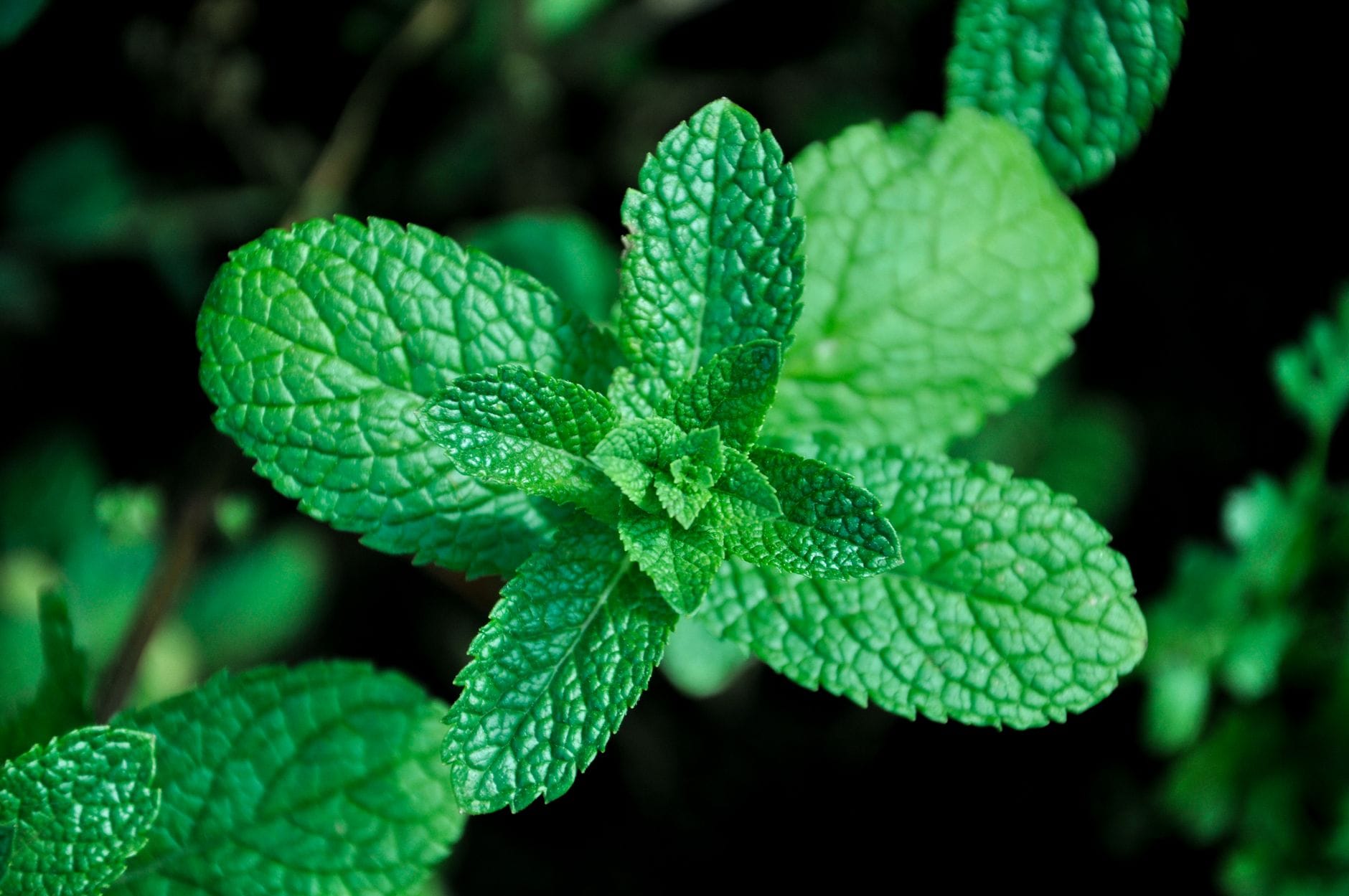
SaveIn a randomized controlled trial, 42 women with PCOS drank spearmint tea or a placebo herbal tea twice a day for 30 days. Free and total testosterone fell significantly in the spearmint group, and LH and FSH rose. Women’s own ratings of their hair growth improved (3).
The honest caveat: the objective clinical score used by doctors to rate hirsutism (the Ferriman-Gallwey score) did not improve significantly over the month. The author concluded that spearmint has antiandrogen properties that did not translate into a measurable clinical change in that time (3). Hair growth cycles are slow, so a longer trial might show more, but that has not been done.
A couple of cups of spearmint tea a day is low-risk for most people, so it is a reasonable thing to try alongside medical care, not instead of it.
Soy Foods
A meta-analysis of trials in women with PCOS found that soy isoflavones lowered total testosterone by a small amount. The studies varied enormously in their results, and the authors said better trials are needed before drawing conclusions (4).
Soy foods such as tofu, tempeh and edamame are nutritious sources of protein either way, so including them is sensible if you enjoy them.
Fatty Fish and Omega-3
 Save
SaveOmega-3 is often suggested for PCOS. A meta-analysis of 9 trials with 591 women found that omega-3 improved insulin resistance (HOMA index), total cholesterol and triglycerides, and raised adiponectin (5). Those are metabolic benefits rather than proven testosterone reduction.
Because insulin resistance is closely tied to PCOS, improving it is worthwhile. Our insulin resistance diet guide covers the eating pattern in more detail. Flaxseeds are also often recommended here; the evidence in women is limited to case reports, so treat them as a healthy food rather than a treatment. See our guide to flax seeds.
The Best-Supported Dietary Lever: Weight and Insulin
A Cochrane review of 15 studies found that lifestyle intervention in women with PCOS improved the free androgen index and reduced weight and BMI, although the evidence was low quality (2). In practice, that means a sustainable eating pattern and regular activity, not extreme restriction.
Guidelines also emphasize avoiding weight stigma: the goal is health, not a number on the scale (1). Building meals around a balanced diet and adding strength training, such as this dumbbell workout plan, supports insulin sensitivity.
Why We Do Not Recommend Licorice Root
Licorice root is often listed as a testosterone-lowering food. We are leaving it off our list for safety reasons.
- A meta-analysis of 18 studies found that regularly consuming products with glycyrrhizic acid raised systolic blood pressure by 5.45 mmHg and diastolic by 3.19 mmHg, and lowered blood potassium (7).
- NCCIH states that glycyrrhizin can cause serious effects including irregular heartbeat and cardiac arrest, especially in large amounts or long term. Even small amounts have been linked with severe effects in people who eat a lot of salt or who have high blood pressure, heart or kidney conditions (6).
- Large amounts during pregnancy are unsafe and linked with earlier delivery (6).
Our article on licorice covers its other uses, with the same cautions.
A Practical Approach
- See a doctor for testing if you have symptoms of high androgens (1).
- Work on insulin sensitivity: regular activity, enough protein and fiber, and fewer refined carbohydrates (2, 5).
- Add spearmint tea or soy foods if you like them, with realistic expectations (3, 4).
- Skip licorice root and any supplement promising hormone “balance” without evidence (6).
- Review medical options, such as those covered by PCOS guidelines, with your clinician (1).
Frequently Asked Questions
What foods lower testosterone in women?
No food reliably lowers testosterone enough to treat a hormonal condition. The most studied options are spearmint tea, which lowered testosterone over 30 days in one small trial, and soy foods, which lowered total testosterone slightly in a meta-analysis of women with PCOS. Losing excess weight has better evidence for lowering free androgens.
Does spearmint tea really work for PCOS?
Partly. In a randomized trial of 42 women, spearmint tea twice a day for a month reduced free and total testosterone and improved how women rated their own hair growth. The doctors’ objective hirsutism score did not improve significantly over that month.
Is licorice root safe for lowering testosterone?
No, do not use it for this. A meta-analysis found regular licorice raises systolic blood pressure by about 5 mmHg and lowers blood potassium. NCCIH warns that glycyrrhizin in licorice can cause irregular heartbeat and cardiac arrest, especially at higher doses or with heart, kidney or blood pressure problems.
What causes high testosterone in women?
The most common cause is polycystic ovary syndrome (PCOS). Other causes include congenital adrenal hyperplasia and, rarely, tumors of the ovary or adrenal gland. Symptoms such as excess facial or body hair, acne, irregular periods or hair thinning should be assessed by a doctor rather than self-treated.
Can diet replace medical treatment for PCOS?
No. International PCOS guidelines recommend healthy lifestyle alongside evidence-based medical therapy, chosen with your doctor. Diet can support treatment, but it does not replace assessment, diagnosis and medication when those are needed.
The Bottom Line
Foods have a small role in managing high testosterone in women. Spearmint tea has the most direct trial evidence, lowering hormone levels over a month without a proven change in measured hair growth, and soy may lower total testosterone slightly. Improving insulin sensitivity and losing excess weight, where relevant, have better support. Licorice root should be avoided because of its effects on blood pressure and potassium. Most importantly, get symptoms assessed, because high testosterone usually has a treatable medical cause.
This article is for informational purposes only and is not a substitute for professional medical advice. See a doctor for diagnosis and treatment of hormonal symptoms, and talk with them before using herbal products, especially if you are pregnant, breastfeeding or take medication.
Related Articles
Insulin Resistance Diet: What the Evidence Backs
Balanced Diet Guide With the 5 Food Groups
Flax Seeds for Skin: What the Research Shows
Dumbbell Workout Plan for Women: 9 Moves and Weekly Plan
Licorice Root Benefits, Uses and Safety Risks