

How the right food choices can steady your blood sugar and keep your energy from crashing.
Insulin resistance is one of those quiet conditions that builds for years before anyone names it. Your body still makes insulin, but your cells stop responding to it the way they should, so glucose lingers in the bloodstream instead of moving into cells for energy. Left alone, that pattern nudges you toward pre-diabetes, type 2 diabetes, and a handful of related problems. The reassuring part is that what you put on your plate has real influence here.
A diet built around this condition isn’t a crash plan or a punishing list of forbidden foods. It’s a long-term way of eating that favors whole, fiber-rich, slow-digesting foods over the kind that send blood sugar spiking. If you already lean toward a genuinely balanced way of eating, you’re closer than you think.
Key Takeaways
– An insulin resistance diet centers on whole, low glycemic index (GI) foods and trims high-GI options and unhealthy fats.
– Beyond blood sugar, it may support heart health, steadier energy, and easier weight management.
– The glycemic index is your quiet guide, favoring foods that release sugar slowly.
– Movement, sleep, and stress control matter almost as much as food.
– It’s meant as a lasting habit, not a two-week reset.
How Insulin Resistance Actually Works
Your body runs on glucose, which comes from breaking down the carbohydrates and proteins you eat. After a meal, the pancreas sends insulin into the bloodstream to usher that glucose into your cells and to tell the liver and muscles to store the extra for later.
With insulin resistance, that signal gets muffled. Cells respond sluggishly, glucose struggles to get in, and blood sugar climbs. Genetics play a part, and so does a sedentary lifestyle. Over time, elevated blood sugar can damage blood vessels and nerves, raising the risk of heart disease, kidney trouble, and eye damage. This isn’t a rare problem, either. One look at recent national survey data found that 40% of American adults between 18 and 44 showed signs of insulin resistance.
What Makes a Diet Work for Insulin Resistance
The whole approach rests on one idea: keep blood sugar rising slowly and steadily instead of in sharp peaks and crashes. That’s where the glycemic index comes in. It ranks foods by how quickly they push up blood sugar, and low-GI foods, things like apples, oranges, cucumbers, tomatoes, oats, and barley, have a gentler, more gradual effect.
A few principles do most of the heavy lifting:
Fill your plate with fiber-rich, antioxidant-packed produce. Blueberries, apples, and grapes carry anti-diabetic properties that may improve insulin sensitivity.
Choose complex carbohydrates over refined ones. Whole grains like oats and brown rice help smooth out blood sugar swings, and something like nutrient-dense black rice fits neatly here.
Lean on protein and legumes. Both slow digestion and help keep glucose in check.
Fiber deserves special mention because so many of us fall short of it. Leaning into everyday foods that are genuinely rich in fiber is one of the simplest upgrades you can make.
The Foods Worth Leaning On
 Save
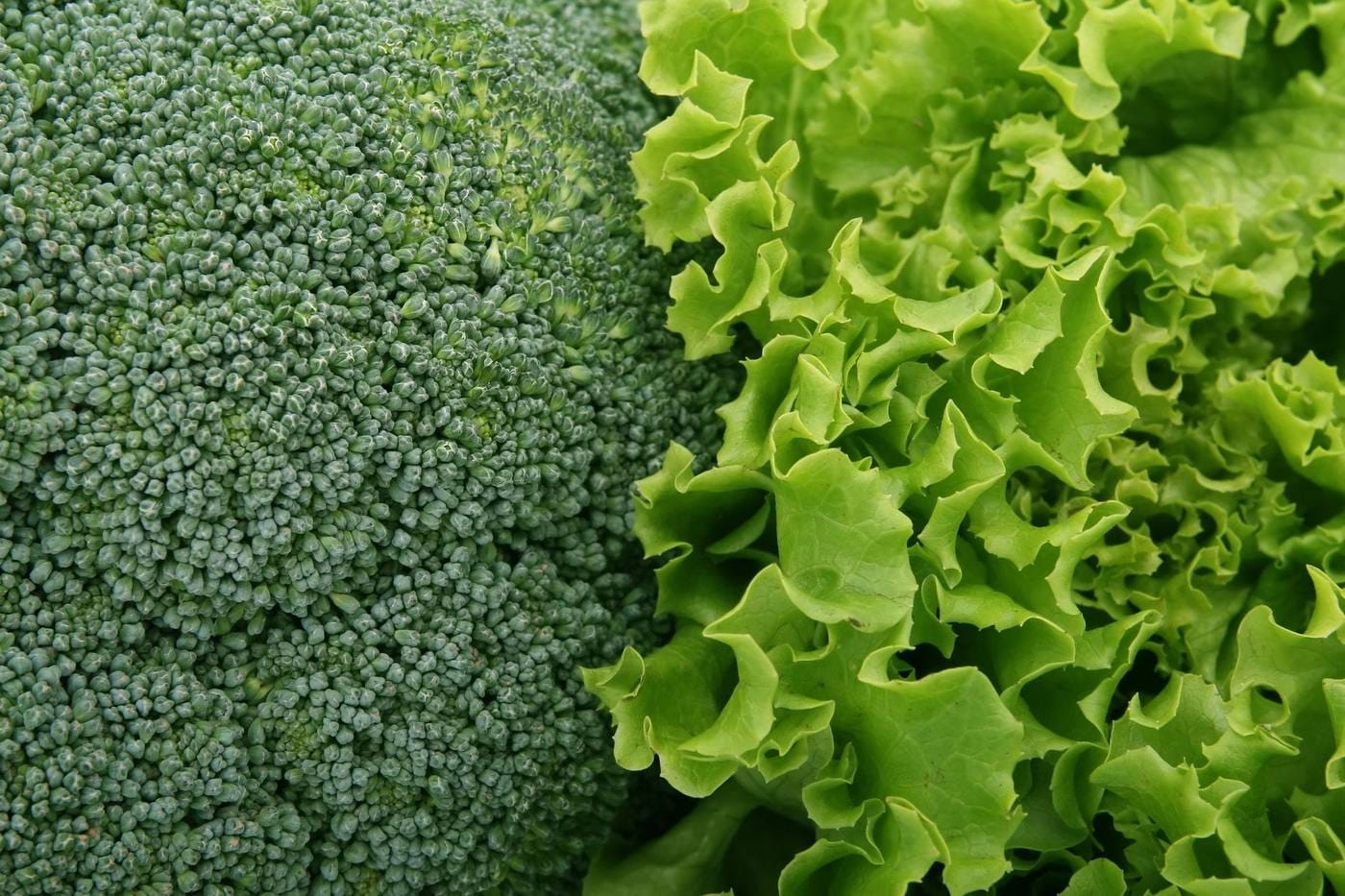
SaveThink of your grocery cart in a few buckets. Non-starchy vegetables can be near-unlimited: leafy greens, broccoli, peppers, cucumbers. Whole grains such as oats, barley, and brown rice bring complex carbs that release energy over hours. Lean proteins and legumes anchor meals and blunt sugar spikes. Low-fat dairy adds calcium and protein without the saturated fat load.
Certain plant remedies have earned attention too. Mango leaves and their effect on blood sugar have been studied for exactly this reason, and the tropical fruit mangosteen has shown promise for blood sugar support. Neither replaces a solid diet, but they’re interesting additions.
What to Pull Back On
The foods to limit are mostly the ones that spike blood sugar fast or clog things up over time. Refined carbohydrates, sugary drinks, and heavily processed snacks sit at the top of the list. Saturated fats matter here as well, since excess intake can build cholesterol in your arteries and narrow them, raising cardiovascular risk. You don’t need to eliminate every treat forever. The goal is shifting the everyday baseline toward slower, steadier foods.
Losing Weight When Your Cells Stop Listening
 Save
SaveWeight loss is often part of the picture, and insulin resistance can make it feel harder than it should be. The tactics that work tend to be unglamorous and reliable.
Build meals from whole foods, keep portions reasonable, and let fiber and protein do the work of keeping you full. Low-GI, fiber-rich meals reduce the cravings for sugary, high-calorie foods that derail so many efforts, which over time tends to translate into lost weight and better insulin sensitivity. A plant-forward pattern of eating suits a lot of people trying to manage both goals at once.
Movement is the other half. Muscles pull glucose out of the blood during activity, and even regular walking improves how your cells respond to insulin. Pair that with decent sleep and some handle on chronic stress, both of which quietly influence blood sugar, and the diet works harder for you.
The Benefits That Add Up
People often start this way of eating for blood sugar and stay for everything else. Steady complex carbs mean fewer energy crashes across the afternoon. Trimming saturated fat supports your heart. And the overall pattern, low-GI foods rich in vitamins, minerals, and healthy fats, is linked to a lower risk of the chronic conditions that tend to travel with insulin resistance, including type 2 diabetes, obesity, and high blood pressure.
Frequently Asked Questions
Is the insulin resistance diet the same as a diabetes diet?
They overlap heavily. Both prioritize low-GI, whole foods to keep blood sugar stable and improve insulin sensitivity. The insulin resistance version is often used earlier, before diabetes develops.
How long should I follow it?
It’s designed as a long-term way of eating rather than a short reset. The benefits come from consistency, so think of it as a lasting shift.
Can anyone try it?
Most people at risk can, but if you take diabetes medication or you’re pregnant or breastfeeding, talk to a professional first. Restricting certain foods without guidance can also lead to nutritional gaps.
The Bottom Line
Insulin resistance responds to how you eat, which is genuinely good news. Favoring whole, fiber-rich, low-GI foods while easing off refined carbs and saturated fats can steady your blood sugar, support your heart, and make weight management less of an uphill battle. Add regular movement, decent sleep, and a bit of stress management, and you’ve built something sustainable rather than a quick fix. Start with one or two swaps this week instead of overhauling everything at once.
This article is for informational purposes only and is not a substitute for professional medical advice. Talk to your doctor or a registered dietitian before making significant dietary changes, especially if you take medication or have a diagnosed condition.
Related Articles
How to Eat a Balanced Diet Without Counting Every Calorie
The High Fiber Foods Worth Putting on Your Plate Every Day
Why Black Rice Was Once Reserved for Chinese Royalty
Why You Should Stop Throwing Away Mango Leaves
Why Mangosteen Might Be the Most Underrated Fruit in the Tropics
9 Reasons a Plant-Based Diet Might Be the Smartest Change You Make This Year