
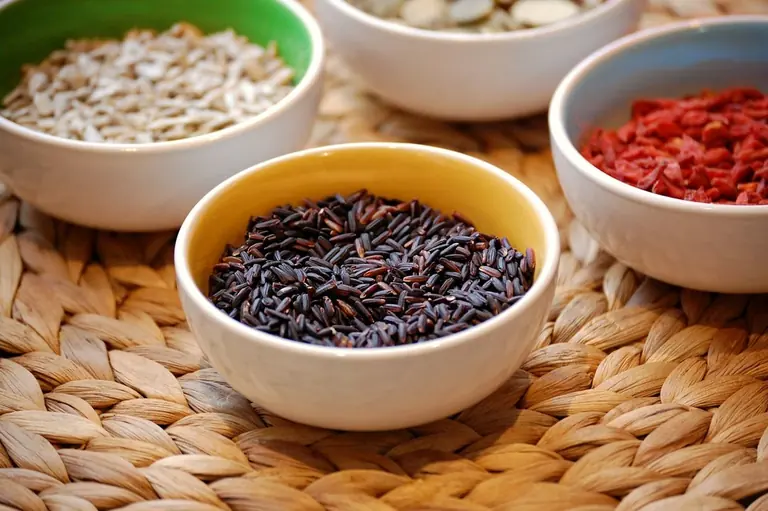
Black rice benefits explained: how its nutrition compares with brown rice, what its anthocyanins are, and which health claims have been tested in people rather than animals.
Black rice, sometimes sold as “forbidden rice”, is a whole-grain rice whose bran is colored dark purple-black by anthocyanin pigments (3). It keeps its bran layer, so it is nutritionally closer to brown rice than to white rice (1, 2).
Most articles about black rice benefits describe dramatic effects on the heart, liver and cancer. Those findings come almost entirely from rats, mice, rabbits and cell studies, often using concentrated extracts. The only human trial among them tested a brown and black rice mix for weight loss (4).
Key Takeaways
- Uncooked black rice has about 370 calories, 7.6 g protein and 4.2 g fiber per 100 g, similar to brown rice (1, 2).
- It has slightly more fiber and manganese than brown rice, but a little less iron and zinc (1, 2).
- Black rice bran contains about 6 times the total phenolics and flavonoids of white rice bran (3).
- In one 6-week trial, overweight women eating low-calorie meals with a brown and black rice mix lost more weight than those eating white rice (4).
- Heart, liver and anticancer effects have only been shown in animals or cells (5, 9, 10).
Black Rice Nutrition vs Brown Rice
| Per 100 g, uncooked | Black rice | Brown rice |
|---|---|---|
| Calories | 370 kcal | 366 kcal |
| Protein | 7.6 g | 7.3 g |
| Fat | 3.4 g | 3.3 g |
| Carbohydrate | 77.2 g | 76.7 g |
| Fiber | 4.2 g | 3.0 g |
| Iron | 1.1 mg | 1.2 mg |
| Magnesium | 113 mg | 115 mg |
| Zinc | 1.7 mg | 1.9 mg |
| Manganese | 3.9 mg | 2.7 mg |
Source: USDA FoodData Central, Foundation Foods, black rice and long-grain brown rice, unenriched, raw (1, 2).
The differences between black and brown rice are small. Black rice provides a bit more fiber and noticeably more manganese, while brown rice has slightly more iron and zinc (1, 2). Both are good whole-grain sources of fiber; see our list of high-fiber foods and our guide to manganese.
What Makes Black Rice Different: Anthocyanins
A study of bran from 12 commercially available black rice varieties found that black rice bran had, on average, about 6 times the total phenolic content, 6.7 times the total flavonoid content and 6 times the antioxidant activity of white rice bran in lab tests. The main anthocyanin was cyanidin-3-glucoside. Levels varied widely between varieties (3).
Lab antioxidant activity does not show that eating black rice protects against disease in people. It explains why researchers have studied black rice and its extracts in the experiments below.
Black Rice Benefits: What the Research Shows
| Claim | What was studied | Evidence type |
|---|---|---|
| Weight loss (4) | 40 overweight women, low-calorie meal replacements with brown + black rice vs white rice, 6 weeks | Small human trial |
| Heart and arteries (5) | Rabbits on a high-cholesterol diet with 30% black, red or white rice, 10 weeks | Animal |
| Cholesterol and triglycerides (6, 7, 8) | Rats fed black rice or black rice anthocyanin extracts | Animal |
| Fatty liver (9) | Mice on a high-fat diet with 1% black rice extract, 7 weeks | Animal |
| Breast cancer (10) | Extract on cancer cells and in mice with implanted human tumors | Cell and animal |
| Skin inflammation (11) | Bran extract injected or bran added to mouse diets | Animal |
Weight loss (human trial)
In a Korean trial, 40 overweight women aged 20 to 35 were randomly assigned to low-calorie meal replacements made with either white rice or a mixture of brown and black rice for 6 weeks. They ate only the meal replacements three times a day plus snacks provided by the researchers. Both groups lost weight, but the mixed-rice group had significantly greater reductions in weight, BMI and body fat. HDL (“good”) cholesterol rose only in the mixed-rice group (4).
Because the rice was a brown and black mix and the diet was tightly controlled, the study does not show how much black rice itself contributed. For a practical plan, see our vegetarian weight loss meal plan.
Heart and cholesterol (animal studies)
In rabbits fed a high-cholesterol diet for 10 weeks, the area of artery plaque was 50% lower in those fed red or black rice than in those fed white rice (5). In rats with high cholesterol, a diet containing 20% black rice for 30 days lowered cholesterol, triglycerides and LDL more than unrefined rice (6). Anthocyanin extracts from black rice also lowered triglycerides in rats on high-fat diets (7, 8). None of these effects have been confirmed in human trials.
Fatty liver (animal study)
In mice fed a high-fat diet for 7 weeks, adding 1% black rice extract reduced fat buildup in the liver and lowered blood triglycerides and cholesterol (9).
Cancer (cell and animal study)
An anthocyanin-rich black rice extract reduced the growth of breast cancer cells in the lab and slowed the growth of human breast tumors implanted in mice (10). This is early laboratory research and does not show that eating black rice prevents or treats cancer.
Inflammation (animal study)
In mice, black rice bran extract given by injection reduced chemically induced skin swelling, and a diet with 10% black rice bran reduced allergic skin inflammation. Brown rice bran extract did not have the same effect (11).
Arsenic: the Thing Whole-Grain Rice Pages Leave Out
 Save
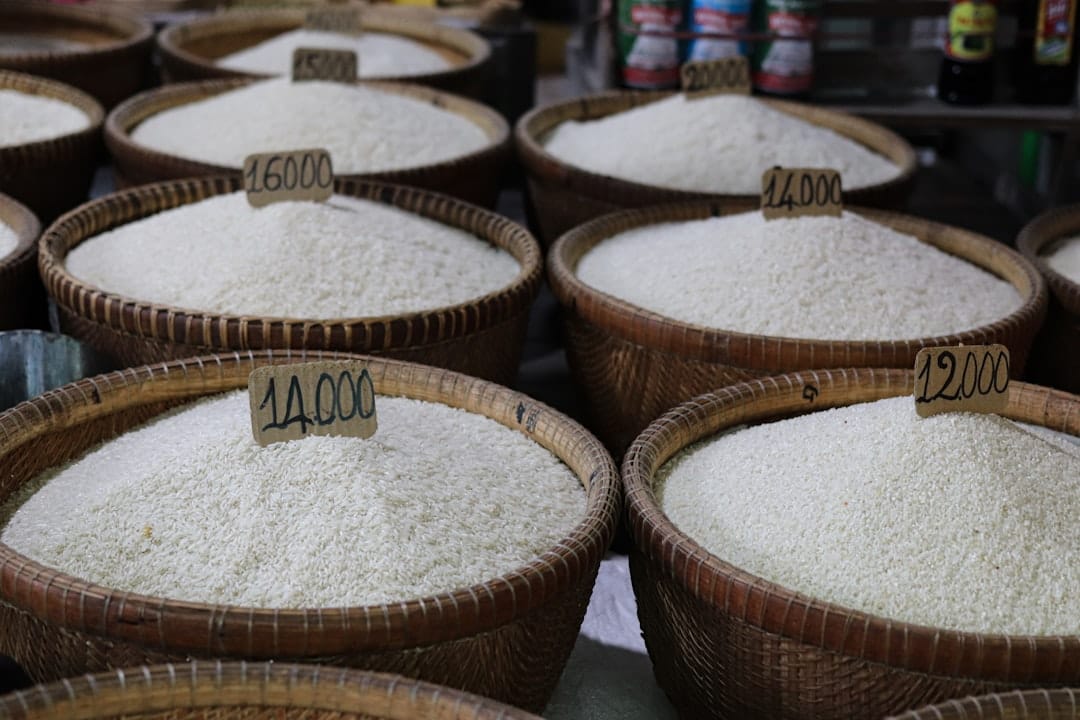
SaveBlack rice — forbidden rice on the packet — is a whole grain, which is most of why it is worth eating. It is also why this section belongs on the page.
Rice takes up more arsenic from soil and water than other cereals, and the arsenic concentrates in the bran — the layer that milling strips away to make white rice and that black rice keeps. In an analysis of rice and rice products, brown varieties carried 189 µg/kg of total arsenic against 132 µg/kg in white rice (12).
Now the part that usually gets left out of alarming articles. In that same analysis, no population group exceeded the lower bound of the benchmark dose range that the European Food Safety Authority uses for inorganic arsenic, in any of the three exposure scenarios tested (12). Ordinary rice eating was not near the threshold.
What the human evidence says is honestly unfinished. A review of the epidemiology found that studies stratified by arsenic in drinking water showed rising trends in cardiovascular disease, skin lesions, squamous cell skin cancer and bladder cancer with higher rice intake. Its own conclusion was that most studies did not account for other arsenic sources, and that more work is needed before the health impact of arsenic from rice specifically can be judged (13).
What that means in a kitchen
- Vary your grains. Arsenic exposure is about how much rice you eat overall, not any one meal. Rotating in oats, quinoa, barley or buckwheat does more than anything else on this list.
- Rinse before cooking, and cook in plenty of water rather than the absorption method, then drain the excess. What happens after the meal matters just as much: cooked rice left standing at room temperature is the real risk, not the reheating.
- Infants and toddlers are the group regulators watch, because rice cereal is a large share of a small body’s diet. The FDA has specific guidance on arsenic in food and on rice cereal for babies (14).
- For an adult eating black rice a few times a week alongside other grains, this is context rather than a warning.
How to Eat Black Rice
 Save
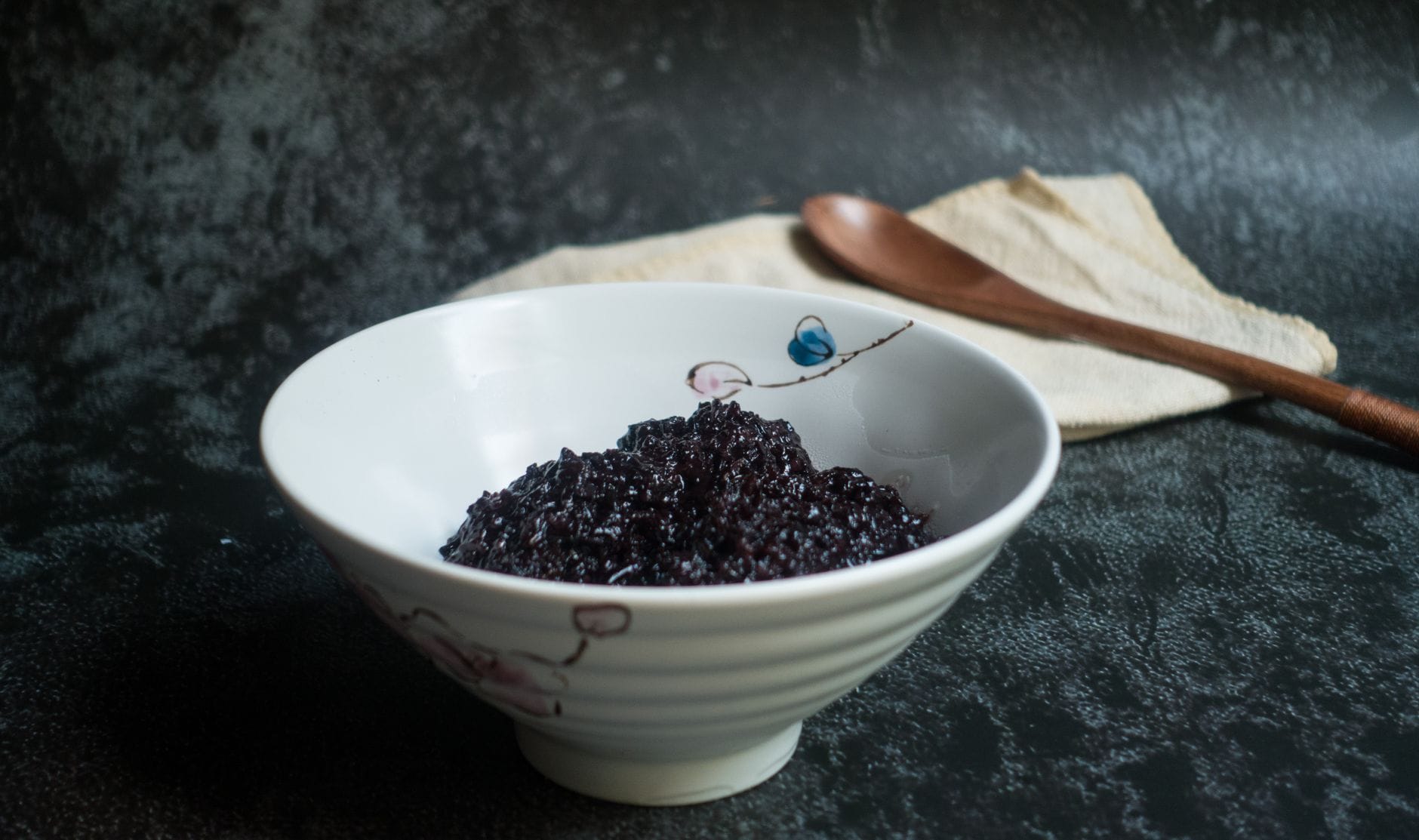
Save- Swap it for white rice in bowls, stir-fries and salads to add whole-grain fiber (1).
- Mix it with brown rice: this is the combination used in the weight-loss trial (4).
- Watch portions: black rice is still mostly carbohydrate, at about 77 g per 100 g uncooked (1).
- Build balanced plates: pair it with vegetables, legumes or other protein, as in a plant-based diet.
How to Cook Black Rice
Black rice keeps its bran, so it behaves like brown rice rather than white: it needs more water and more time, and it stays chewy rather than going soft.
- Rinse it first under cold water until the water runs clear of loose starch. The purple colour that keeps coming is the anthocyanin in the bran and will not wash out.
- Use about one part rice to two parts water and simmer covered for roughly 30 to 35 minutes. Packet instructions vary by variety, so follow the packet where it differs.
- Soaking for 30 minutes beforehand shortens the cooking and softens the texture a little.
- Rest it off the heat for 10 minutes with the lid on before fluffing.
- Expect it to stain. The cooking water turns deep purple and anything cooked with it takes on the colour, which is the pigment doing exactly what it does in the grain.
If you cook it in plenty of water and drain the excess rather than letting it all absorb, that is also the method mentioned in the arsenic section above.
Frequently Asked Questions
Is forbidden rice the same as black rice?
Yes. Forbidden rice is a marketing name for black rice, and you will also see it sold as purple rice or, when it is the sticky variety, black glutinous rice. The story behind the name is that it was once reserved for Chinese royalty. Whatever the label says, it is a whole grain whose bran is coloured by anthocyanins.
How do you cook black rice?
Rinse it, then simmer about one part rice to two parts water, covered, for roughly 30 to 35 minutes, and rest it off the heat for 10 minutes before fluffing. Soaking for half an hour first shortens the time. It stays chewier than white rice because it keeps its bran, and the cooking water turns deep purple from the anthocyanin pigment.
Is black rice healthier than brown rice?
Black rice and brown rice are both whole grains with similar calories, protein and carbohydrates. Per USDA data, uncooked black rice has a little more fiber (4.2 g vs 3.0 g per 100 g) and manganese, while brown rice has slightly more iron and zinc. The main difference is that black rice bran contains anthocyanin pigments, which brown rice lacks.
Does black rice help you lose weight?
One 6-week trial in 40 overweight Korean women found that a low-calorie meal replacement made with brown and black rice led to greater drops in weight, BMI and body fat than one made with white rice. The rice was a mix, and the diet was strictly controlled, so black rice alone has not been shown to cause weight loss.
Why is black rice black?
The dark purple-black color comes from anthocyanins in the bran layer. Black rice bran also contains much more phenolics and flavonoids than white rice bran, and the amounts vary between varieties.
Are the heart and cancer benefits of black rice proven?
No. Lower cholesterol, less artery plaque, protection against fatty liver and anticancer effects have been reported in rabbits, rats, mice and cell studies, often using concentrated extracts. These results have not been confirmed in human trials.
Can I eat black rice every day?
Black rice can be part of a varied daily diet as a whole-grain alternative to white rice. It is still a high-carbohydrate food, with about 370 calories per 100 g uncooked, so portion size matters if you are managing your weight or blood sugar.
The Bottom Line
Black rice is a nutritious whole grain with a nutrient profile similar to brown rice, slightly more fiber and manganese, and anthocyanin pigments in its bran. Its best-supported benefit in people comes from one small trial in which a brown and black rice mix helped overweight women lose more weight on a low-calorie diet than white rice. Claims about heart protection, fatty liver and cancer are based on animal and cell studies. Choose black rice as a flavorful whole-grain swap for white rice, not as a treatment.
This article is for informational purposes only and is not a substitute for professional medical advice, diagnosis, or treatment. Always consult a qualified healthcare provider before making changes to your diet, especially if you have an existing health condition.
Related Articles
High Fiber Foods List and How Much Fiber You Need
Manganese Benefits, Daily Needs, Food Sources and Safety
Plant-Based Diet: Benefits, Risks and How to Start
Vegetarian Diet Plan for Weight Loss: 7-Day Meal Plan
Cassava Flour: Nutrition, Safety and Real Comparisons