

What a kidney stone diet actually changes, which drinks help and which make it worse, and the one recommendation we have reversed.
Diet will not dissolve a stone you already have, but it can meaningfully lower the chance of forming another one, and the recurrence rate is what makes this worth doing. The approach is less restriction than rebalancing: more fluid, less sodium, moderate animal protein, and an end to treating dietary calcium as the enemy.
One thing has changed on this page. We previously recommended citrus juice broadly, grapefruit included. The cohort evidence points the other way for grapefruit specifically, and clearly enough that leaving it in would have been an error.
Key Takeaways
- Fluid is the most important single step (1).
- Calcium from food does not cause calcium oxalate stones (2).
- Grapefruit juice was linked to 37 to 44% higher stone risk per daily serving (3, 4).
- Coffee, tea, wine and orange juice were linked to lower risk (3, 4, 5).
- Know your stone type before changing your diet (1).
What the Diet Is Doing
 Save
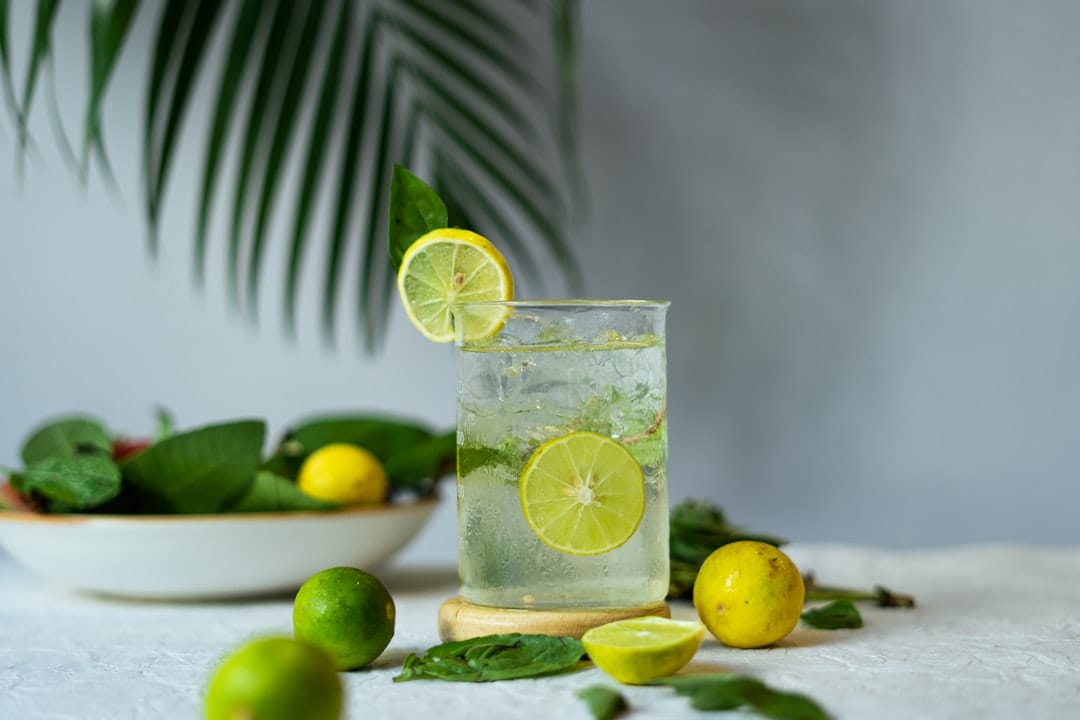
SaveStones form when urine becomes concentrated enough for minerals to crystallise and cluster (2, 6). Diet works on two levers: diluting the urine, and reducing the raw material that forms crystals.
Calcium stones, including calcium oxalate and calcium phosphate, are the most common type, and calcium oxalate is the most common of those (2). Uric acid, cystine and other types also occur, and their dietary advice differs, which is why NIDDK says to ask which type you had before making changes (1).
Fluid First
NIDDK is direct: drinking enough liquid, mainly water, is the most important thing you can do to prevent kidney stones. Unless you have kidney failure, many clinicians suggest six to eight 8-ounce glasses a day, and recommend discussing the right amount for you (1).
People who form stones repeatedly are often asked to drink more than the general figure, because the goal is a target urine volume rather than a fixed intake. That number comes from your clinician.
Which drinks, not just how much
Two large prospective cohorts, one in men and one in women, looked at specific beverages after adjusting for total fluid intake, so the differences are not simply about drinking more (3, 4). A later analysis added soft drinks and orange juice (5).
| Drink | Change in stone risk per 8-oz serving a day | Source |
|---|---|---|
| Caffeinated coffee | About 10% lower in men, 10% lower in women | Prospective cohorts (3, 4) |
| Decaffeinated coffee | About 10% lower in men, 9% lower in women | (3, 4) |
| Tea | About 14% lower in men, 8% lower in women | (3, 4) |
| Orange juice | About 12% lower risk | Later cohort analysis (5) |
| Wine | Lower risk in both cohorts | (3, 4) |
| Sugar-sweetened cola | About 23% higher in the highest intake group | (5) |
| Sugar-sweetened non-cola | About 33% higher in the highest intake group | (5) |
| Apple juice | About 35% higher in men | (3) |
| Grapefruit juice | About 37% higher in men, 44% higher in women | (3, 4) |
The pattern is consistent enough to act on. Coffee and tea are fine and were associated with lower risk. Sugar-sweetened soft drinks go the other way. And grapefruit juice stands out as the one that was associated with substantially higher risk in both cohorts.
There is a second reason to be careful with grapefruit here. It interferes with how the body handles a number of medicines, and the FDA requires warnings against it on some drug labels, including certain statins (7). People managing kidney stones are often on other medication as well.
Calcium Is Not the Enemy
This is the point most people get backwards. NIDDK states that calcium from food does not increase your chance of having calcium oxalate stones, and that in the right amounts calcium blocks other substances in the digestive tract that may cause stones (1, 2).
The mechanism is simple: calcium binds oxalate in the gut, and the pair leaves in stool rather than reaching the kidney. Cutting calcium removes that step and leaves more oxalate free to be absorbed.
Where possible, take calcium from low-oxalate sources such as calcium-fortified juices, cereals and breads, some vegetables and some beans (1). Ask a dietitian what amount is right for you, balancing stones against bone health.
What to Ease Off
 Save
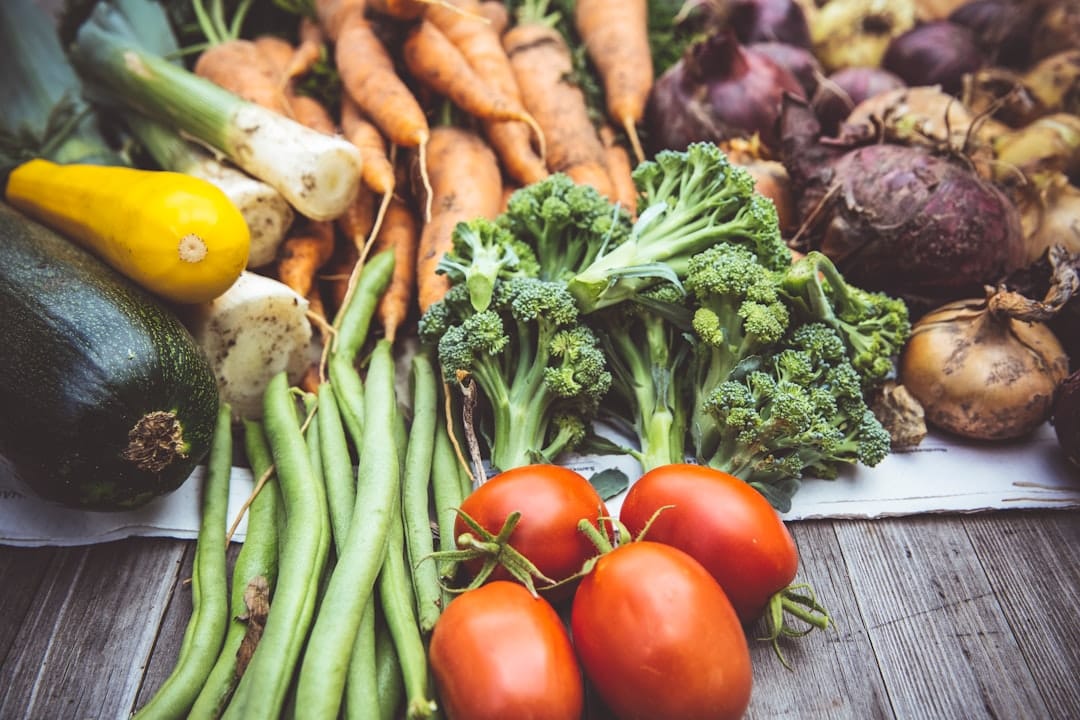
Save- Sodium. Stone risk rises with higher sodium intake, and most of it comes from canned, packaged and fast foods, plus condiments and seasonings (1).
- Animal protein. Eating animal protein may increase stone risk, including beef, chicken, pork, organ meats, eggs, fish, shellfish and dairy. You still need enough protein, so this is about moderation rather than removal (1).
- Oxalate, if your stones were calcium oxalate. NIDDK names nuts and nut products, peanuts, rhubarb, spinach and wheat bran (1).
- Sugar-sweetened drinks. Associated with higher risk in cohort data (5).
Most lists call these foods to avoid. That word is doing too much work. Nothing here needs to be absolute, and for animal protein and calcium-containing foods avoidance would be the wrong goal entirely. Steady reductions beat a heroic week followed by the old pattern.
The Pattern That Has Evidence
Beyond individual foods, studies have shown that the DASH eating plan can reduce the risk of kidney stones (1, 8). That is convenient, because DASH is also the pattern recommended for blood pressure, so one set of habits covers both.
In practice it looks ordinary: plenty of vegetables and fruit, whole grains, moderate dairy for calcium, restrained sodium, and animal protein in sensible portions. Being overweight raises stone risk, so weight matters too (1).
Habits That Make It Stick
- Keep a bottle visible and sip through the day rather than drinking a lot at meals
- Use pale urine as a rough daily check
- Season with herbs, pepper and lemon instead of reaching for salt
- Spread calcium-containing foods across meals that also contain oxalate
- Expect this to be a long-term pattern rather than a short intervention
For the related restrictions, our low-oxalate guide covers where oxalate cutting actually fits, kidney-friendly foods covers general kidney health, and the kidney flush piece separates what works from what is marketing.
Frequently Asked Questions
What is the most important part of a kidney stone diet?
Fluid. NIDDK calls drinking enough liquid, mainly water, the most important thing you can do to prevent kidney stones, and suggests six to eight 8-ounce glasses a day unless you have kidney failure. Many people who form stones are asked to drink more than that; your clinician sets the target.
Should I avoid calcium if I get kidney stones?
No. NIDDK states that calcium from food does not increase the chance of calcium oxalate stones, and that in the right amounts calcium blocks stone-forming substances in the digestive tract. Cutting it tends to backfire and costs bone health.
Is grapefruit juice good for kidney stones?
No, and this is the correction we made to this page. In two large prospective cohorts, each daily 8-ounce serving of grapefruit juice was associated with roughly 37% higher stone risk in men and 44% higher in women. Orange juice went the other way. Grapefruit also interacts with several common medicines.
Does soda cause kidney stones?
Sugar-sweetened soda is associated with higher risk: about 23% higher for cola and 33% for non-cola in the highest intake groups. Coffee, tea, beer, wine and orange juice were all associated with lower risk in the same analysis.
Do I need to know my stone type?
Yes. The dietary changes for calcium oxalate, calcium phosphate, uric acid and cystine stones are not the same, and NIDDK advises asking which type you had before changing what you eat.
The Bottom Line
A kidney stone diet is mostly ordinary eating with a few deliberate settings: enough fluid above all, less sodium, moderate animal protein, adequate dietary calcium, and oxalate restriction only if your stone type calls for it. The drink you choose matters beyond the volume, and the cohort data is specific: coffee, tea, wine and orange juice were associated with lower risk, while sugar-sweetened soda, apple juice and especially grapefruit juice were associated with higher risk. Find out which stone you had, and let that decide the rest.
This article is for informational purposes only and is not a substitute for professional medical advice. If you have had a kidney stone, ask which type it was and work with a doctor or registered dietitian before making dietary changes.
Related Articles
Low-Oxalate Diet: Who It Helps and Where It Fits
Foods for Healthy Kidneys: What the Evidence Says
How to Flush Your Kidneys Naturally: What Works
Low-Potassium Diet: Who Needs It and How It Works
Balanced Diet Guide With the 5 Food Groups