
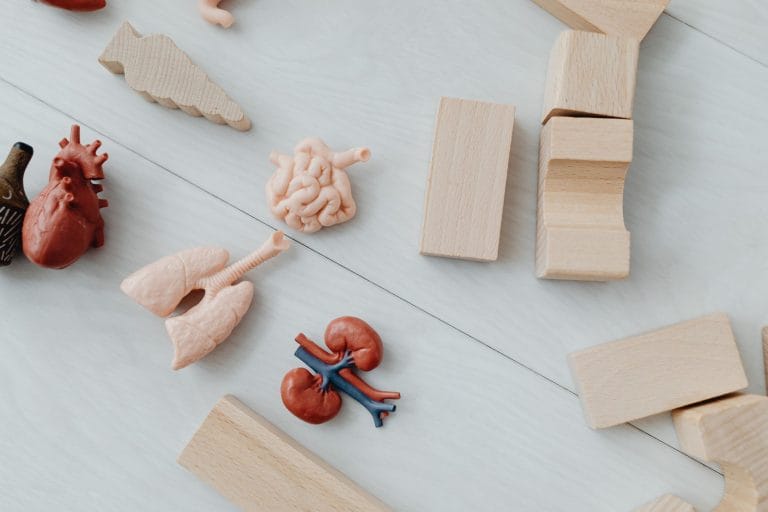
Your kidneys already clean themselves. Here’s how to make their job easier, and when a “cleanse” does more harm than good.
Your kidneys do far more than filter waste. They help produce red blood cells, keep blood pressure in check, and manage the balance of calcium and other chemicals throughout your body. For most people, they handle all of this quietly, day after day, without any special intervention.
Still, the idea of a “kidney flush” is everywhere. The pitch is that a short detox diet can clear out built-up toxins and lower your risk of kidney trouble. The reality is less dramatic, though not useless. While no specific cleanse protocol has solid scientific backing, the habits these plans borrow from, drinking more water and eating a genuinely balanced diet, are well worth keeping.
Key Takeaways
– A kidney flush is a detox-style diet built around certain foods and extra fluids, but no specific cleanse is validated by research.
– Healthy kidneys are self-cleaning and don’t need a restrictive diet; some experts warn cleanses could even cause harm.
– Signs like fatigue, nausea, swollen ankles, itchy skin, and changes in urine can signal that your kidneys are under stress.
– Hydration is the single most useful habit, though overdoing water carries its own risks.
– Anyone with kidney disease or another health condition should talk to a doctor before changing their diet or trying herbal remedies.
What a Kidney Flush Actually Is
A kidney flush (or cleanse) is a detox diet meant to support kidney function. Versions vary widely in length, strictness, and which foods are allowed or banned. Supporters claim these plans help the kidneys shed accumulated waste and reduce disease risk.
Here’s the catch. No particular kidney cleanse has scientific evidence behind it, and some experts believe restrictive versions might actually harm the kidneys, partly by depriving you of nutrients your body needs. That doesn’t mean the underlying ideas are worthless. Drinking more fluids and folding kidney-friendly foods into your regular meals can support your general health, much like the broader benefits of eating healthy show up well beyond any single organ.
One more caveat before we go further: if you have existing kidney disease or any other medical condition, run any diet change, supplement, or herbal remedy past your physician first. Herb-drug interactions are a real concern.
Do Your Kidneys Even Need Help?
Usually, no. Kidneys filter your blood constantly, sieving out excess water and waste as urine. According to Dr. Peter Michael, MD, the kidneys typically flush themselves out naturally within about 48 to 72 hours, with the exact timing depending on hydration, diet, and overall health.
Problems creep in when you don’t drink enough, live with chronic stress, encounter environmental toxins, or eat a diet low in fruits and vegetables. Under those conditions, the kidneys can struggle to clear waste efficiently.
Your body tends to send signals when that happens. Watch for:
Nausea or a persistent bad taste in the mouth
Fatigue and brain fog
Itchy, dry skin
Swollen ankles or leg pain
Changes in how often you urinate, or in urine color
Recurring kidney stones or frequent urinary tract infections
Kidney stones are more common than many people assume. In one US study of over 10,500 adults, about 11% had experienced kidney stones, and roughly 2.1% reported stones within a single year.
Water Does Most of the Work
 Save
SaveIf there’s a “fastest way” to flush your kidneys, this is it. Every organ needs water, but the kidneys depend on it directly: urine is the vehicle that carries waste out, and low urine volume is linked with kidney dysfunction, including stone formation.
The standard daily recommendation sits around 4 liters for men and 3.1 liters for women. If you’ve been falling short, hitting that target consistently is a better “cleanse” than any juice protocol. Herbal teas and hydrating drinks can help you get there too, though it’s worth knowing what aloe vera juice actually does before treating any single beverage as a cure-all.
A word of caution, though. Drinking excessive amounts of water can trigger hyponatremia, where blood sodium drops dangerously low. Symptoms range from fatigue, nausea, and headaches to blurred vision, and in severe cases seizures or coma. Match your intake to your body and activity level, and check with a healthcare provider if you have any kidney condition.
The Foods Worth Adding
 Save
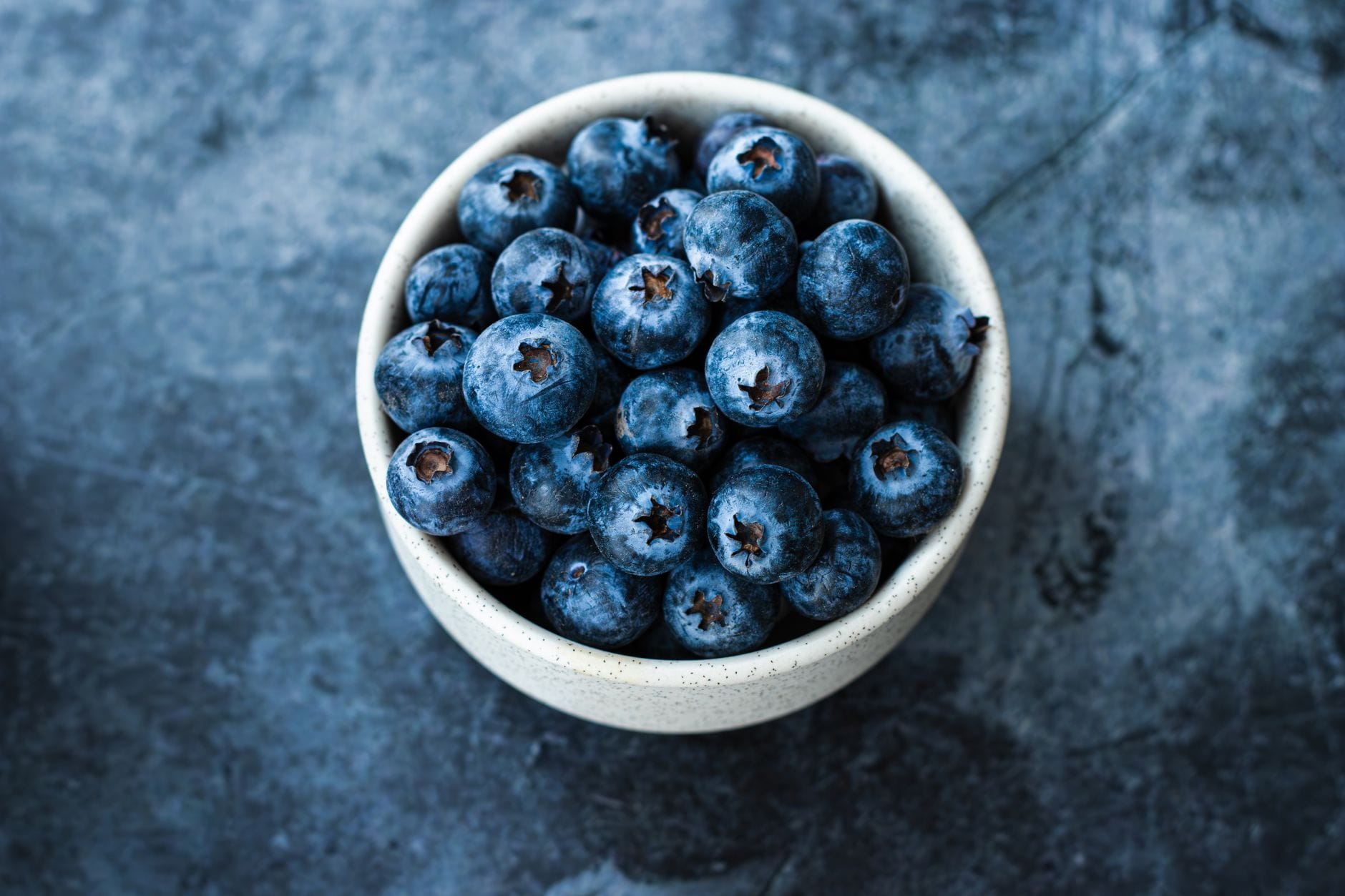
SaveBerries
Most berries are packed with antioxidants and phytochemicals that may protect kidney cells by fighting inflammation and neutralizing free radicals, the unstable molecules that damage cells through oxidative stress.
Blueberries get particular attention. An animal study found they helped regulate blood pressure and improve glucose tolerance. Human research is still needed, but the connection matters because high blood sugar and high blood pressure are both tied to kidney disease. Persistently elevated blood sugar can damage the kidneys’ tiny filtering units (a condition called diabetic nephropathy), while high blood pressure strains their delicate blood vessels.
Blueberries are also naturally low in potassium, sodium, and phosphorus, three minerals that impaired kidneys struggle to clear. Cranberries earn their spot too; they’ve been found to soothe the urinary tract and may help prevent infections.
Red Grapes
Grapes deliver flavonoids, a family of plant compounds that guard against oxidative damage. One of them, resveratrol, reduced kidney inflammation in an animal study. Human trials are still needed, but red grapes make an easy, low-risk addition to a kidney-supportive plate, alongside other whole-food picks like mushrooms and the leafy produce a plant-forward diet supplies naturally.
Frequently Asked Questions
How long does it take to flush your kidneys?
Healthy kidneys clear waste on their own, typically within about 48 to 72 hours according to Dr. Peter Michael, MD. The exact time varies with hydration, diet, and overall health.
Is a kidney cleanse safe for everyone?
No. People with kidney disease or other medical conditions should consult a doctor before changing their diet, taking supplements, or using herbal remedies, since restrictive cleanses may cause harm and herbs can interact with medications.
How much water should I drink for kidney health?
The standard recommendation is roughly 4 liters daily for men and 3.1 liters for women. Avoid dramatically exceeding your needs, as excess water can cause hyponatremia.
The Bottom Line
There’s no scientifically proven kidney cleanse, and healthy kidneys don’t need one. What they do need is enough water, a diet rich in fruits and vegetables, and limited exposure to the things that stress them. If you’re noticing signs like persistent fatigue, swelling, or changes in urination, skip the detox and see a doctor instead. For everyone else, adding berries and red grapes to your plate and keeping a water bottle nearby is the closest thing to a kidney flush that actually holds up.
This article is for informational purposes only and is not a substitute for professional medical advice, diagnosis, or treatment. Always consult a qualified healthcare provider before making changes to your diet, supplements, or health routine, especially if you have kidney disease or another medical condition.
Related Articles
How to Eat a Balanced Diet Without Counting Every Calorie
What Actually Happens to Your Body When You Start Eating Healthy (It’s More Than Weight Loss)
What Actually Happens When You Drink Aloe Vera Juice Every Day
8 Reasons Mushrooms Deserve a Permanent Spot on Your Plate