

Ease the ache and keep moving with remedies you can pull from the pantry.
A knot in your shoulder after a long day at the desk. A calf that seizes up mid-run. Muscle spasms and soreness turn up when you least expect them, and the first reflex is usually to grab a painkiller. That works, but it isn’t the only option. A handful of herbs, fruits, and essential oils have gentle antispasmodic and anti-inflammatory qualities that may loosen tight muscles and take the edge off the pain.
None of this replaces medical care for a serious injury or a chronic condition. But for the everyday tightness that comes from posture, overexertion, or a missed nutrient, natural muscle relaxers are worth knowing about. Pairing them with steady, nutrient-dense everyday eating gives your muscles a better shot at staying loose in the first place.
Key Takeaways
– Muscle spasms often trace back to poor posture, strenuous exercise, rapid weight gain, or nutrient gaps.
– Getting enough vitamin D, magnesium, and protein supports muscles that cramp less easily.
– Antioxidant-rich foods like tart cherries, blueberries, and pomegranate may reduce soreness and speed recovery after a workout.
– Chamomile, peppermint, rosemary, and lavender can be used as teas, baths, or massage oils.
– Heat, ice, hydration, and a balanced diet round out the picture.
What’s Actually Causing the Spasm?
Muscle spasms show up most in the neck, shoulders, and back, usually because of how we sit and stand ( 1 ). That said, cramps can strike almost anywhere: hands, feet, calves, hamstrings, even the abdomen. They limit how freely you move and range from a dull nag to genuinely sharp pain.
A few common triggers:
Long or heavy bouts of physical activity
Slumping through hours of desk work, which lands in the back, shoulders, and neck
Awkward sleeping or walking positions
Uterine contractions during a period
Rapid weight gain paired with a mostly sedentary routine, which leaves muscles stiffer and quicker to cramp
Sudden twists, bumps, or falls
Shortfalls in vitamin D, magnesium, or protein
Less often, persistent muscle pain points to something underlying, arthritis or fibromyalgia among them, and rarely to genetic or neurological conditions like muscular dystrophy or multiple sclerosis. If cramps are frequent, severe, or come out of nowhere, that’s a conversation for your doctor, not a home remedy.
For the ordinary aches, though, plant extracts and herbs can carry a lot of the load ( 2 ). Here are nine worth trying.
The Remedies Worth Reaching For
Chamomile
Chamomile is loaded with anti-inflammatory flavonoids, which is part of why it turns up in remedies for everything from insomnia to colds ( 3 ). For sore muscles specifically, massaging chamomile essential oil into the tight spot helps blood move through the area and can quiet a spasm. A warm cup of chamomile tea does similar work from the inside, and its antispasmodic edge makes it a favorite for menstrual cramps and PMS ( 2 ), ( 4 ), ( 5 ). Aromatherapists sometimes blend it with lavender for backache, leaning on the blue variety for its stronger anti-inflammatory punch.
Cherry Juice and Extracts
 Save
SaveCherries are antioxidant heavyweights, and that translates into real recovery benefits. Research on athletes and marathon runners found tart cherry juice and extracts helped with muscle strains and injuries ( 6 ), ( 7 ). Other studies tie cherry juice to less muscle damage and a faster bounce-back after hard effort ( 8 ), ( 9 ). A glass before or after a tough session is an easy add.
Blueberries
Blueberries bring antioxidants and anti-inflammatory polyphenols that help muscles relax and rebuild post-exercise. Working them into your diet may nudge performance up and inflammatory markers down ( 10 ). A blueberry smoothie on either side of a workout can support recovery from muscle damage ( 11 ). There’s even research suggesting blueberries help with chronic pain and inflammation linked to bone loss, and with posture and mobility in older adults ( 12 ), ( 13 ). That antioxidant angle is one reason foods rich in fiber and phytonutrients earn a regular place on the plate.
Cayenne Pepper
The heat in cayenne comes from capsaicin, tucked into the fleshy pith of the pepper. Capsaicin has shown promise against the pain of fibromyalgia ( 14 ), and applying a capsaicin cream to a sore area may ease spasms and soreness ( 15 ). You can cook with cayenne or find it as capsules and topical creams.
Pomegranate Juice
Pomegranate juice reads like a recovery drink in the research. A study on weight-lifters linked it to reduced muscle damage and better recovery, while another found it improved strength and cut soreness in the elbow flexor muscles. Tart, refreshing, and doing quiet work behind the scenes.
Peppermint
Menthol, peppermint’s headline compound, has analgesic properties that show up in plenty of over-the-counter pain rubs. The herb is both antispasmodic and anti-inflammatory, which helps muscles ease off during a contraction. A 2018 review found peppermint tea infusions could relieve pain, and applied topically, peppermint oil delivers a cooling effect that calms sprains and relaxes the muscle. One caution: peppermint oil isn’t a good fit if you have liver, bile duct, or gallbladder issues.
Rosemary
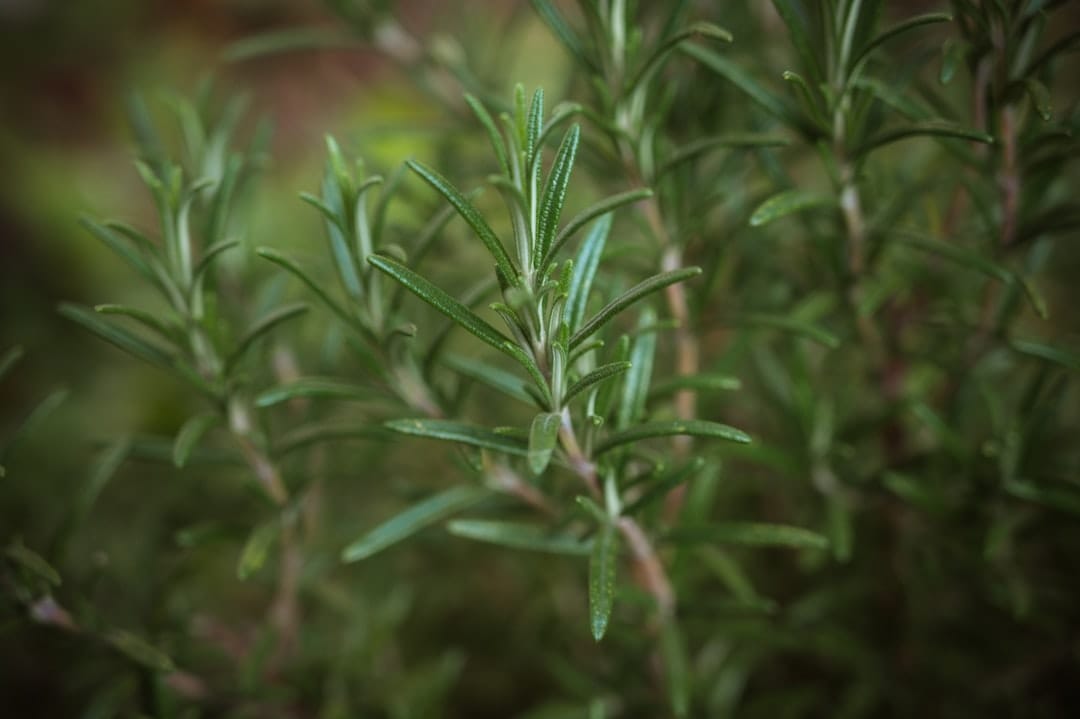
Rosemary loosens muscles, soothes joint pain, and has a reputation for easing menstrual cramps. Two easy ways in: soak in a warm bath steeped with rosemary leaves, or massage the sore area with diluted rosemary essential oil.
Lavender
Lavender essential oil is best known for how calming it is, and that same quality makes it a capable muscle relaxer for tension and soreness. A few drops diluted into a carrier oil, worked into a stiff neck or shoulder, pairs the aroma with the massage.
A Simple Homemade Muscle Rub
 Save
SaveYou don’t need nine separate remedies at once. Dilute a few drops of rosemary, peppermint, or lavender oil in a spoonful of a neutral carrier oil, then massage it into the tight spot. Warm the area first with a heat pack to help the muscle let go, or reach for ice instead if there’s swelling.
Beyond the Kitchen
Remedies help most when the basics are in place. Keep up your fluids, eat a genuinely balanced diet that covers your nutrients so vitamin D, magnesium, and protein aren’t the weak link, and alternate heat and cold on the sore muscle. Gentle movement matters too. Building strength gradually through workouts that leave you lean and mobile tends to reduce how often muscles seize up at all.
Frequently Asked Questions
Are natural muscle relaxers as strong as prescription ones?
No. They work more gently and suit everyday soreness and mild spasms, not acute injuries or diagnosed conditions. For anything severe or persistent, see a doctor.
Can I use these if my cramps come from my period?
Chamomile and rosemary both have antispasmodic reputations for menstrual cramps, and chamomile tea is a common go-to. They can complement, not replace, whatever your doctor recommends.
What nutrients should I check if I cramp often?
Vitamin D, magnesium, and protein are the usual suspects. A shortfall in any of them can leave muscles more prone to stiffness and spasms, so a balanced, varied diet is the first fix.
The Bottom Line
Muscle spasms are almost universal, and most of the time they trace back to posture, overexertion, or a nutrient gap rather than anything serious. Before defaulting to a pill, it’s worth trying what’s already in the kitchen. Chamomile, tart cherry, blueberries, cayenne, pomegranate, peppermint, rosemary, and lavender each bring anti-inflammatory or antispasmodic properties that may loosen tight muscles and speed recovery. Fold them into hydration, sensible eating, and a little heat or ice, and you’ve got a solid first line of defense. If the pain keeps coming back, that’s your cue to get it checked.
This article is for informational purposes only and is not a substitute for professional medical advice, diagnosis, or treatment. Talk to a qualified healthcare provider before starting any new remedy, especially if you have an existing condition or take medication.
Related Articles
How to Stop a Charley Horse Fast (and Keep It From Waking You Up Again)
How to Eat a Balanced Diet Without Counting Every Calorie
15 Workouts That Build a Lean, Strong Body (Most Need No Gym at All)
What Actually Happens to Your Body When You Start Eating Healthy
The High Fiber Foods Worth Putting on Your Plate Every Day