

A splinter is a tiny wound with an outsized talent for ruining your afternoon, and the way you pull it matters more than the tool you grab.
A splinter, or sliver, happens when a bit of debris pierces the top layer of skin and lodges in the tissue underneath. Think wood shavings, a rose thorn, a shard of glass, a sliver of metal. The pain feels wildly disproportionate to the size of the culprit, and the instinct is to dig it out fast with a needle or your fingernails. That instinct is usually the problem. Poke wrong and you can push the fragment deeper, snap a glass sliver into pieces, or introduce bacteria that turn a nuisance into an infection.
The gentler route is to draw the splinter toward the surface first, then lift it out with clean tools. Several remedies you already own can do that quiet work for you. If a piece is left inside too long, it can lead to more serious trouble, so it’s worth handling sooner rather than later. If you’ve picked up other kitchen-cupboard fixes like soothing dry, scratchy eyes at home, the approach here will feel familiar.
Key Takeaways
– Splinters come from wood, glass, thorns, metal, and similar debris breaking the skin.
– Drawing the sliver upward beats digging, which risks breaking or embedding it further.
– Baking soda, hot water, Epsom salt, essential oils, and even a potato slice can help lift one out.
– Sterilize your tweezers, wash your hands, and finish with an antiseptic to keep infection away.
– Don’t press on the splinter, and never force glass, which shatters into harder-to-find fragments.
First, What You’re Dealing With
Splinters fall into two rough camps. Biological ones include wood, thorns, fish spines, bone, and even a chipped tooth. Non-biological ones cover metal, aluminum, glass, plastic, and the graphite from a pencil. The material matters because glass and metal can fracture into hard-to-find pieces, and anything left inside too long can lead to more serious trouble. Either way, the goal is the same: bring it up, don’t drive it down.
Baking Soda Draws It to the Surface
 Save
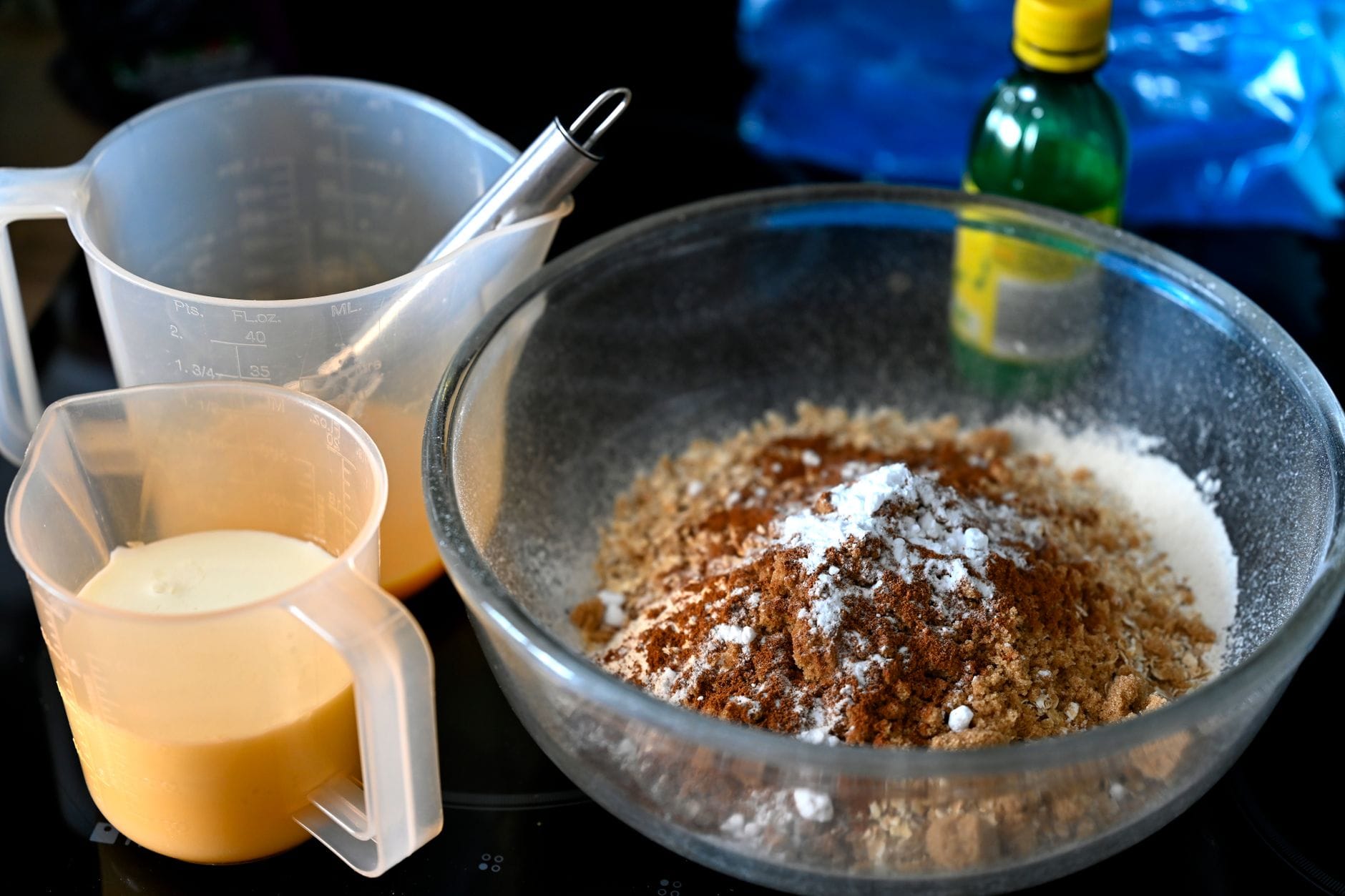
SaveThis is the one to reach for the moment you notice a sliver, especially a tiny, near-invisible one buried deep.
Mix about a tablespoon of baking soda with a tablespoon of water into a paste. Smear it directly over the splinter and cover with a band-aid. Leave the little poultice on for a few hours, then peel the bandage, rinse the paste away, and check the skin. The paste makes the skin swell slightly and pushes the fragment upward, so you can grip whatever pokes out with sterilized tweezers or a cuticle plier. Dab on antiseptic cream or petroleum jelly afterward. If the area is tender, an ice pack beforehand numbs it a little.
One blogger, a retired scientist, described leaving a thick baking-soda paste on overnight and waking to find a sliver nearly a centimeter long standing proud of the wound, easy to pull. She noted the pain dropped off and the hole closed within hours. Anecdote, not a clinical trial, but it tracks with how the paste works.
A Few Drops of Essential Oil
Lavender or Thieves oil can do double duty here. Dab a little on the spot with a cotton swab and give it a few minutes. If the splinter hasn’t risen, wait another seven or eight and check again. It often floats up enough to grasp with a sterilized tweezer. Larger splinters may need a second application.
The appeal is the antimicrobial angle: these oils help draw the fragment out while discouraging infection, and they carry anti-inflammatory and skin-soothing properties too. A 2004 study testing patchouli, tea tree, geranium, lavender, and grapefruit seed extract against staph bacteria found geranium and tea tree particularly effective, which hints at why aromatic oils have a place in a first-aid drawer.
The Hot Water Bottle Trick
 Save
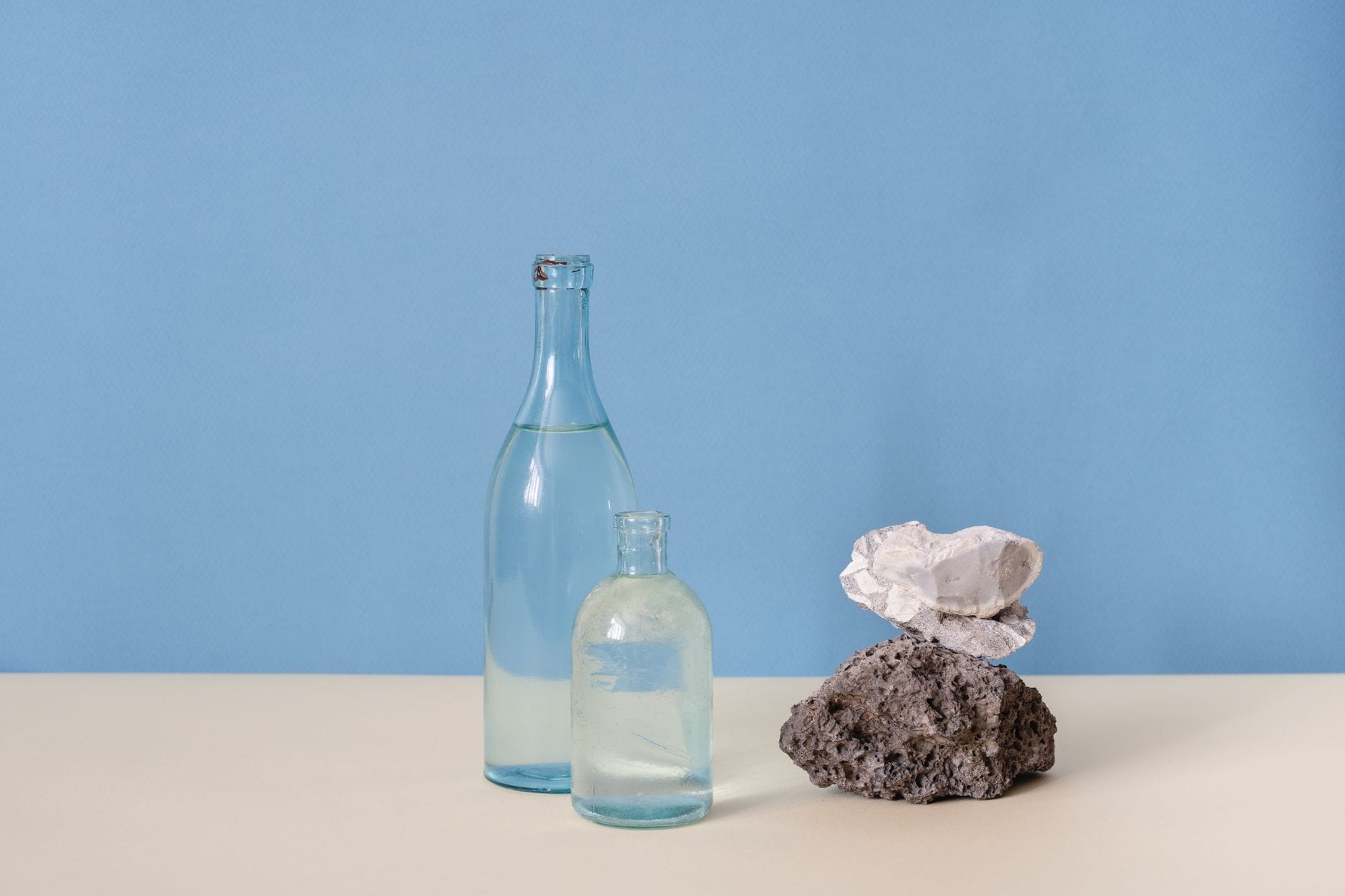
SaveThis one leans on physics. Fill a wide-mouthed glass or plastic bottle nearly to the brim with hot water, then press the opening firmly against the splinter site so it forms a seal. Hold it there a couple of minutes, then draw the bottle away slowly.
Two things happen at once. The suction tugs gently on the flesh, and the steam opens the skin’s pores. Together they coax the sliver outward. It tends to work best on the first attempt, so set yourself up before you start.
Ichthammol, the Old Black Salve
Ichthammol ointment, sometimes called black drawing salve, is a shale-oil remedy that’s been handed down for generations. Smear a small amount over the splinter, cover with a bandage, and keep it dry. Peel it off after a day and the splinter usually lifts away with the dressing.
It isn’t just folklore. Ichthammol has documented antibacterial and anti-inflammatory action, which is partly why it shows up in traditional treatments for other minor infections too. You can buy it without a prescription.
Soaks and Salts
A couple of remedies work by drawing moisture or inflaming the area just enough to expose the sliver.
Hydrogen peroxide (3%): Soak a cotton ball, tape it over the spot, and leave it a few hours. The skin swells and the splinter becomes visible for easy tweezing. Peroxide disinfects as it works. If it’s still lodged, repeat.
Epsom salt poultice: Sprinkle a pinch onto the pad of a large band-aid and press it so the salt sits right over the splinter. Leave it the whole day. Being a salt, it pulls water from the skin cells and floats the fragment up. Swap the bandage if it gets wet.
Doctors often suggest the Epsom soak for the deeply buried ones specifically.
Kitchen Odds and Ends
Not every fix needs a pharmacy. A slice of raw potato works because the flesh is soft enough for the sliver to pierce: press the cut face gently over the spot, then lift it away, and a shallow splinter often comes with it. Use a thinner slice if the first doesn’t grab. White vinegar and a banana peel are two more traditional soaks people reach for when they want to draw a splinter up over time. If you like this style of low-effort home care, our roundup of kitchen staples that moisturize skin runs on the same logic.
How to Treat the Wound Afterward
Once the splinter is out, the job isn’t quite done. Wash the area with soap and water, then apply an antiseptic to keep bacteria out of the open skin. Petroleum jelly and a small bandage help it close cleanly. Keep any tools sterile before and after, and use clean gloves if you have them. The same care that keeps minor muscle cramps and aches from lingering applies here: a little attention now prevents a bigger problem later. And if you’d rather not fish around with tools at all, the drawing remedies above let the skin do most of the pushing for you.
Frequently Asked Questions
Should I dig a splinter out with a needle?
Try not to. Digging risks pushing the fragment deeper or snapping it, and it opens the skin to infection. Draw it toward the surface with a soak or paste first, then lift it with sterilized tweezers.
What if the splinter is glass?
Be extra careful, because glass shatters into tiny fragments under pressure. Avoid pressing on it, use a gentle drawing method, and see a professional if pieces stay embedded or you can’t see them clearly.
When should I see a doctor?
Get medical help if the splinter is deep, near the eye, made of glass or metal you can’t retrieve, or if the area grows red, swollen, warm, or oozes, all signs of infection. A splinter left inside can cause more serious problems.
The Bottom Line
Most splinters don’t need a needle or a fight. Give the skin a nudge with baking soda, hot water suction, an Epsom or peroxide soak, a drop of essential oil, or a simple slice of potato, and the sliver usually rises far enough to grasp cleanly. Keep your tools sterile, resist the urge to press, and finish with an antiseptic. If it’s glass, deeply lodged, or turning red, that’s your cue to hand it off to a professional rather than push your luck.
This article is for informational purposes only and is not a substitute for professional medical advice. If a splinter is deep, made of glass or metal, near the eye, or shows signs of infection, consult a qualified healthcare provider.
Related Articles
15 Home Remedies That Actually Soothe Dry, Scratchy Eyes
11 Kitchen Staples That Moisturize Skin Better Than You’d Expect
How to Stop a Charley Horse Fast
How to Whiten Your Teeth With Hydrogen Peroxide
References
No external source URLs were provided with this article. Guidance here reflects the studies and traditional remedies described in the source material; for medical concerns, consult a licensed healthcare professional.