
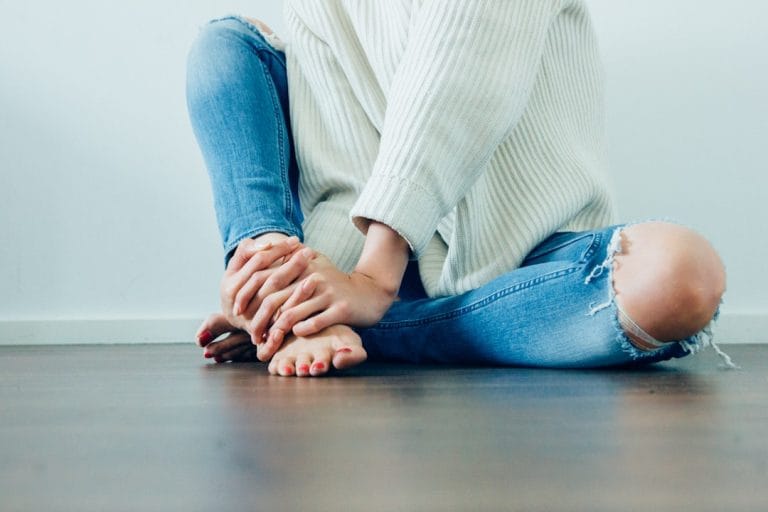
How to stop a charley horse when it strikes, which home remedies for charley horse have evidence, and how to prevent night leg cramps.
A charley horse is a sudden, painful muscle cramp, most often in the calf. Cramps usually last from a few seconds to a few minutes, and the muscle may feel hard like a knot or visibly twitch (1). About 50% to 60% of healthy adults get muscle cramps, and night leg cramps affect around 40% of adults older than 50 (1).
Stretching is the best-supported way to stop a cramp and prevent the next one (1, 2). Some popular home remedies for charley horse have limited evidence, and magnesium supplements are unlikely to help most people (5).
Key Takeaways
- To stop a cramp, stretch the muscle: for the calf, straighten the knee and pull your foot up toward you (1).
- Stretching the calves and hamstrings every night before bed reduced night cramps in a randomized trial (2).
- Pickle juice shortened lab-induced cramps in one study, but has not been tested for night cramps (3).
- Magnesium supplements are unlikely to prevent cramps in older adults (5).
- Quinine reduces cramps but is no longer recommended because of serious side effects (1, 6).
What Is a Charley Horse?
A charley horse is an involuntary, sustained muscle contraction, usually in the calves, feet or thighs. It often happens at rest, especially at night, or during or after exercise. The pain is sharp and can leave the muscle sore or tight afterward (1). Most cramps last up to about 10 minutes, although some last longer (1). Cramps are thought to come mainly from abnormal nerve signals rather than from the muscle itself (1).
What Causes Charley Horses?
Most muscle cramps have no clear cause. Known triggers and risk factors include (1):
- Exercise and repetitive stress on the legs, especially in hot conditions
- Dehydration and electrolyte imbalances, such as low potassium, magnesium, sodium or calcium
- Pregnancy: 30% to 50% of pregnant people report leg cramps
- Medicines including thiazide and potassium-sparing diuretics, statins, some blood pressure medicines (angiotensin II receptor blockers), long-acting asthma inhalers (beta agonists) and oral contraceptives
- Conditions such as diabetes, cirrhosis, kidney failure treated with hemodialysis, thyroid disorders, peripheral vascular disease, obstructive sleep apnea and nerve disorders
- Alcohol use disorder
Older adults and endurance athletes are at higher risk (1).
How to Stop a Charley Horse Right Now
StatPearls recommends stretching the cramped muscle as the first step (1):
- Stretch: for a calf cramp, straighten your knee and pull your foot and toes up toward your shin. Contracting the opposite muscle helps stretch the cramped one.
- Stand and lean: stand with the foot flat on the floor and lean forward, or walk around.
- Heat or cold: take a hot shower or warm bath, or massage the muscle with ice.
Massage may also help. In a small randomized trial of 26 people on hemodialysis with frequent leg cramps, leg massage during treatment reduced cramps at home by 1.3 episodes a week compared with 0.2 with usual care (7).
Charley Horse Remedies at a Glance
| Remedy | Evidence | Verdict |
|---|---|---|
| Stretching the cramped muscle | Recommended first step for acute cramps (1) | Use first |
| Calf and hamstring stretches before bed | Randomized trial: fewer and less painful night cramps (2) | Good for prevention |
| Heat, warm bath or ice massage | Listed as options for relief (1) | Reasonable |
| Pickle juice | Shortened electrically induced cramps in dehydrated men (3) | Low-risk, limited evidence |
| Massage | Small trial in dialysis patients (7) | May help |
| Magnesium supplements | Cochrane review: unlikely to help older adults (5) | Not recommended for most people |
| Epsom salt bath | No studies for cramps | Unproven; a warm bath may still feel good |
| Quinine | Works, but serious side effects (1, 6) | No longer recommended |
Pickle Juice
 Save
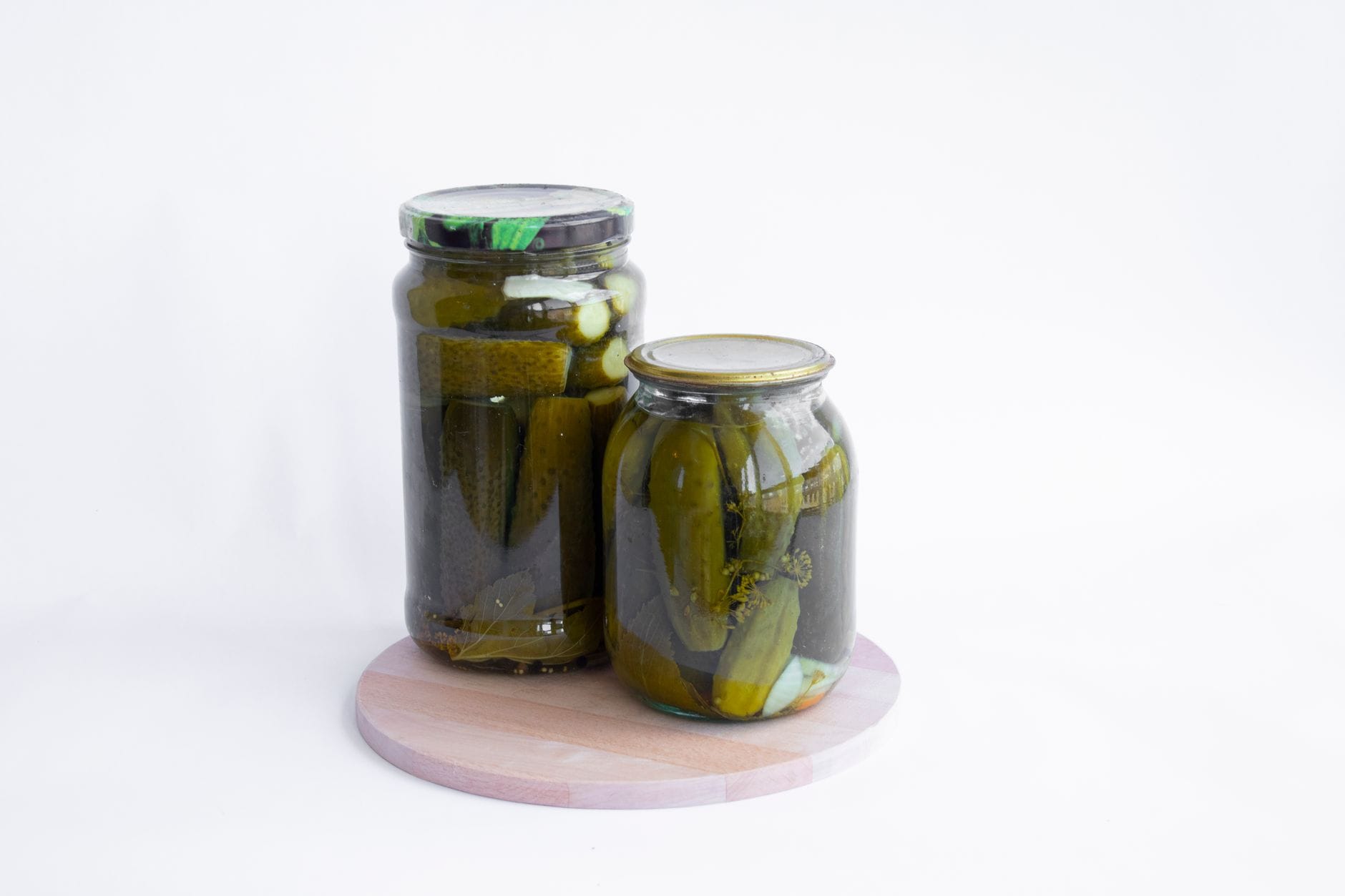
SaveIn a laboratory study, researchers electrically triggered cramps in a foot muscle of mildly dehydrated men. Drinking 1 mL of pickle juice per kg of body weight (about 74 mL, or 2.5 ounces) made the cramps end 49 seconds sooner than drinking water (85 seconds versus 134 seconds). Blood electrolytes barely changed, so the researchers suspect a reflex triggered in the mouth and throat (3). A separate study found that small amounts of pickle juice did not change blood electrolytes, so it cannot replace large sweat losses (4).
StatPearls notes that pickle juice and similar strong tastes such as vinegar, cinnamon, capsaicin and ginger may act on receptors in the mouth and throat, but that the studies are small (1). Pickle juice is very salty, so people on a low-sodium diet should skip it.
Magnesium and Epsom Salt Baths
 Save
SaveMagnesium is widely marketed for cramps, but a Cochrane review of 11 trials found it is unlikely to provide meaningful prevention for older adults with night cramps. Results in pregnancy were conflicting, and oral magnesium commonly caused side effects such as diarrhea (5). StatPearls also notes that magnesium, calcium, vitamin D and vitamin C have not shown benefit for pregnancy-related leg cramps (1). If you are considering a supplement anyway, our guide to magnesium glycinate covers safe amounts, side effects and drug interactions.
No studies have tested Epsom salt (magnesium sulfate) baths for cramps. A warm bath is a reasonable way to relax a sore muscle (1), but there is no evidence that magnesium absorbed through the skin prevents cramps.
How to Prevent Charley Horses
- Stretch before bed: in a randomized trial of 80 adults over 55 with night leg cramps, stretching the calves and hamstrings every night for 6 weeks reduced cramps by about 1.2 per night and lowered their severity compared with no stretching (2).
- Stay hydrated: drink enough fluids, and limit alcohol and caffeine (1).
- Exercise sensibly: avoid exercising in extreme heat or on hard surfaces. Athletes who cramp during exercise should replace sodium with a sports drink or another source (1). For a structured routine that includes warm-ups, see our dumbbell workout plan.
- Eat a varied diet: a balanced diet supplies potassium, calcium and magnesium.
- Review your medicines: if cramps began after starting a diuretic, statin or other medicine, talk to your prescriber rather than stopping it on your own (1).
What About Quinine and Other Medicines?
A Cochrane review found that quinine reduced the number of cramps by 28% and cramp intensity by 10%, but rare serious side effects can be fatal, and some countries severely restrict it (6). StatPearls states that quinine is no longer recommended for cramps. If stretching and other measures fail, doctors may consider medicines such as calcium channel blockers, gabapentin or baclofen (1). Do not take quinine-containing products for cramps without medical advice.
When to See a Doctor
Most cramps are harmless and improve with stretching (1). See a doctor if:
- cramps are frequent or regularly disrupt your sleep
- cramps last longer than a few minutes or leave lasting pain
- you have muscle weakness, numbness, tingling or other nerve symptoms, which can point to an underlying disorder (1)
- cramps started after a new medicine, or you have diabetes, liver disease, kidney disease or a thyroid problem
- you are pregnant and cramps are severe; for other common pregnancy discomforts, see our guide to constipation during pregnancy
Frequently Asked Questions
How do you stop a charley horse fast?
Stretch the cramped muscle. For a calf cramp, straighten your knee and pull your foot and toes up toward you, or stand with the foot flat on the floor and lean forward. Walking, a warm shower or bath, or ice massage can also help.
Why do I get charley horses at night?
Night leg cramps are common, affecting about 40% of adults over 50, and often have no clear cause. They are more likely with pregnancy, some medicines such as diuretics and statins, and conditions such as diabetes, cirrhosis and sleep apnea.
Does pickle juice work for leg cramps?
In a lab study, about 75 mL (roughly 2.5 ounces) of pickle juice shortened electrically induced foot cramps in dehydrated men by about 49 seconds compared with water. The effect was too fast to come from electrolytes and may be a reflex from the mouth and throat. It has not been tested for night cramps.
Does magnesium help charley horses?
For most people, probably not. A Cochrane review found that magnesium supplements were unlikely to meaningfully reduce cramps in older adults, and results in pregnancy were conflicting. Magnesium often caused diarrhea.
When should I see a doctor for leg cramps?
See a doctor if cramps are frequent, disrupt your sleep, last longer than a few minutes, or come with muscle weakness, numbness or other nerve symptoms. Also talk to your doctor if cramps started after a new medicine such as a diuretic or statin.
The Bottom Line
The fastest way to stop a charley horse is to stretch the cramped muscle, then use heat, a warm bath or ice massage for lingering soreness. To prevent night cramps, stretch your calves and hamstrings before bed, stay hydrated and limit alcohol and caffeine. Pickle juice is a low-risk option with limited evidence, while magnesium supplements are unlikely to help most people and quinine is no longer recommended. See a doctor if cramps are frequent, severe or come with weakness or numbness.
This article is for informational purposes only and is not a substitute for professional medical advice, diagnosis, or treatment. Always consult a qualified healthcare provider about persistent or severe muscle cramps, or before changing any medicine.
Related Articles
Magnesium vs Melatonin for Sleep: What Trials Show
Balanced Diet Guide With the 5 Food Groups
Dumbbell Workout Plan for Women: 9 Moves and Weekly Plan
Constipation During Pregnancy: Home Remedies That Help
Natural Muscle Relaxers: What the Evidence Shows
How to Remove a Splinter Safely, Step by Step
Home Remedies for Bug Bites: What Helps
Health Benefits of Pickles, and the Salt Problem