
How to get rid of sulfur burps: what actually makes them smell, why weight-loss injections trigger them so reliably, and the symptoms that mean it is not just dinner. Spelled sulphur burps outside the United States, and often just called eggy burps; the same thing.
How to get rid of sulfur burps depends on where they came from, and that has changed. The advice online is still mostly about eggs and broccoli — but a large share of people asking now are on Ozempic, Wegovy, Mounjaro or Zepbound, where the cause is different and so is the fix (2).
Key Takeaways
- The smell is hydrogen sulfide, made by gut bacteria breaking down sulfur-rich food (5).
- GLP-1 drugs slow the stomach on purpose, which gives that fermentation more time (2, 3).
- Cutting high-sulfur foods for 2–3 days is a practical way to test whether food is the driver. It is a self-test, not a study finding — the one trial that changed dietary sulfur for 10 to 14 days could not shift the bacteria at all (6).
- Swallowed air is central to most belching — fizzy drinks, straws, gum, eating fast (4).
- Burps plus watery diarrhea is the combination that needs a doctor, not a remedy (7).
Why They Smell Of Rotten Eggs
The gas is hydrogen sulfide. Bacteria in your gut produce it when they break down sulfur-containing proteins and compounds, and the human nose detects it at remarkably low concentrations — which is why a small amount is so unpleasant.
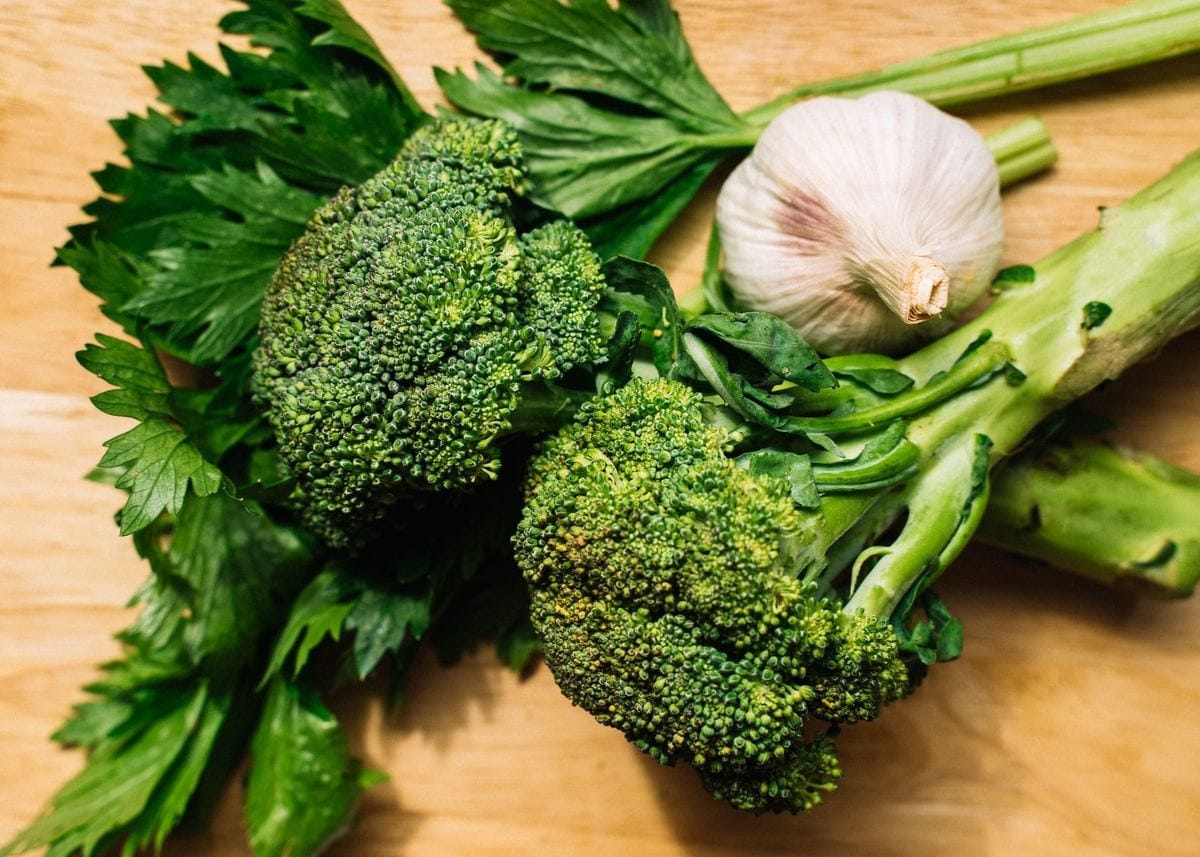
The sulfur comes from food: eggs, red meat, garlic, onions, and cruciferous vegetables like broccoli, cabbage, cauliflower and Brussels sprouts. Those are ordinary parts of a balanced diet, which is why the answer is usually timing and quantity rather than cutting them out for good. This is not guesswork, though it is worth being exact about what has been shown. Working with human faecal samples in fermentation chambers, researchers measured hydrogen sulfide directly and found that the sulfur amino acid cysteine raised production by about 1,557%, while inorganic sulfate did almost nothing — so it is the sulfur in protein, not sulfate, that feeds this. Readily fermentable fibre went the other way: resistant starch cut production by 89% and fructo-oligosaccharides by 82%, and adding that fibre on top of cysteine still suppressed it by 90% (5).
What has not been shown is that changing your diet quickly rebalances the bacteria themselves. A pilot study put four healthy volunteers on high- and low-sulfur-amino-acid diets for 10 to 14 days and could not detect any change in the sulfate-reducing bacteria, concluding that diet alone may be insufficient to target them rapidly (6). The practical read: cutting these foods can change how much gas is produced, but you are not resetting your microbiome in a weekend.
Add anything that slows the stomach — a large meal, alcohol, or a medication — and the same food ferments for longer before moving on.
Why Ozempic, Wegovy, Mounjaro And Zepbound Do This
This is the part most articles have not caught up with, and the mechanism is straightforward once stated.
GLP-1 receptor agonists slow gastric emptying deliberately. That is not a malfunction; it is central to how they work. Slowing the stomach and the motility of the small intestine blunts the blood sugar rise after eating and keeps you feeling full (2, 3).
The unavoidable consequence is that food sits for longer, and gut bacteria get more time with it. Protein-rich, sulfur-rich meals then have more opportunity to become hydrogen sulfide before anything moves on.
How common are gut side effects generally? A systematic review and network meta-analysis covering 39 studies and 33,354 people without diabetes found nausea, vomiting, diarrhea and constipation to be the most common gastrointestinal adverse events, with every GLP-1 drug studied significantly raising nausea risk (1).
The practical points if this is you: symptoms usually cluster around dose increases and settle as you adjust; smaller and lower-sulfur meals help more than any remedy; and dose changes are a conversation with your prescriber, never a self-directed fix.
How To Get Rid Of Sulfur Burps
 Save
Save| What to try | Why it helps | How fast |
|---|---|---|
| Eat smaller meals, more slowly | Less food sitting in a slow stomach, and less swallowed air — the AGA update on belching puts swallowed air at the centre of most belching (4) | Same day |
| Cut the high-sulfur foods for a few days | Eggs, red meat, garlic, onion, broccoli, cabbage and cauliflower feed the bacteria that make the gas. Sulfur amino acids raised hydrogen sulfide production by about 1,557% in laboratory fermentations, and fermentable fibre cut it by roughly 90% (5) | 2–3 days |
| Drop fizzy drinks, straws and chewing gum | All three push extra air into the stomach | Same day |
| Stay upright after eating | Lying down makes reflux and trapped gas easier | Same day |
| Cut alcohol for a week | It slows emptying and relaxes the valve at the top of the stomach | Within days |
| If you are on a GLP-1, discuss the dose | These drugs slow the stomach by design, and symptoms cluster around dose increases (2, 3) | Ask before changing anything |
The single most underrated item on that list is swallowed air. The American Gastroenterological Association’s clinical practice update on belching places air swallowing at the centre of most belching problems (4), and fizzy drinks, straws, chewing gum and eating quickly are all easy to remove for a week as a test.
The high-sulfur food trial is worth running properly: cut eggs, red meat, garlic, onion and the cruciferous vegetables for two to three days, then reintroduce them one at a time. That is usually enough to identify a culprit or rule food out.
Two traditional digestive remedies are worth a mention, with honest expectations: fennel tea and cumin are both long used for gas and bloating, though neither has been tested against sulfur burps specifically.
When It Is Not Just Food
| Alongside the burps | Why it matters |
|---|---|
| Watery diarrhea lasting more than a few days | Giardia infection classically causes non-bloody diarrhea with gas and bloating, starting 7 to 14 days after exposure. It is diagnosed on a stool test and treated with medication (7) |
| Vomiting you cannot keep on top of | Dehydration is the immediate risk, whatever the cause |
| Severe or persistent stomach pain | Needs assessment rather than a home remedy |
| Unintended weight loss, fever, or blood | These move it out of the self-treatable category entirely |
| Symptoms lasting more than two weeks | Persistent belching warrants proper evaluation (4) |
The combination that comes up most in searches is sulfur burps with watery diarrhea — written sulphur burps with diarrhoea outside the United States, or simply eggy burps with diarrhoea — and it deserves a direct answer. That pairing is classic for giardia, a parasite usually picked up from contaminated water. Symptoms start 7 to 14 days after exposure, with non-bloody diarrhea as the main feature alongside gas, bloating, nausea, appetite loss, low-grade fever and weight loss (7).
Giardia is diagnosed with a stool test and treated with medication. It does not resolve by avoiding eggs. If you have had that combination for more than a few days — particularly after travel, camping, or drinking untreated water — that is a doctor’s visit, not a home remedy.
Frequently Asked Questions
What causes sulfur burps?
The rotten-egg smell is hydrogen sulfide, a gas produced when bacteria in your gut break down sulfur-containing proteins and compounds. The usual sources are eggs, red meat, garlic, onions and cruciferous vegetables such as broccoli, cabbage and cauliflower. In laboratory fermentations of human faecal samples, the sulfur amino acid cysteine raised hydrogen sulfide production by about 1,557%, while readily fermentable fibre cut it by roughly 90%. What diet does not appear to do, at least quickly, is change the sulfate-reducing bacteria themselves: a pilot study of four volunteers on high- and low-sulfur diets for 10 to 14 days could not detect any shift in them. Anything that slows the stomach gives that fermentation more time, which is why large meals, alcohol and certain medications make it worse.
Why do Ozempic, Wegovy, Mounjaro and Zepbound cause sulfur burps?
Because slowing the stomach is part of how they work. GLP-1 receptor agonists deliberately slow gastric emptying and small-intestinal motility, which is what blunts the rise in blood sugar after a meal and helps you feel full for longer. The side effect is that food sits for longer, giving gut bacteria more time to ferment it into hydrogen sulfide. A systematic review of 39 studies covering 33,354 people found nausea, vomiting, diarrhea and constipation to be the most common gastrointestinal effects of these drugs, and symptoms typically cluster around dose increases. Smaller, lower-sulfur meals help. Never change your dose without speaking to your prescriber.
How do you get rid of sulfur burps immediately?
Nothing works instantly, but the fastest reliable levers are behavioural. Stop the obvious air-swallowing sources today: fizzy drinks, drinking through straws, chewing gum and eating quickly. Switch to smaller meals and stay upright for a couple of hours after eating. Then cut the high-sulfur foods for two or three days, which is usually long enough to tell whether they were driving it. If burps come with watery diarrhea, do not chase a home remedy; that combination has causes that need diagnosing.
Are sulfur burps with diarrhea a sign of infection?
They can be, and this is the combination worth taking seriously rather than treating at home. Giardia, a parasite picked up from contaminated water, classically causes non-bloody diarrhea with gas and bloating, appearing 7 to 14 days after exposure, often with nausea, appetite loss, low-grade fever and weight loss. It is diagnosed with a stool test and treated with medication, so it is not something that resolves by avoiding eggs. If you have had watery diarrhea alongside the burps for more than a few days, especially after travel, camping or drinking untreated water, see a doctor.
When should you see a doctor about sulfur burps?
If they last more than two weeks, or if they arrive with any of these: watery diarrhea beyond a few days, vomiting you cannot control, severe stomach pain, fever, blood, or weight loss you did not intend. Persistent belching is something the American Gastroenterological Association’s guidance says warrants proper evaluation rather than indefinite self-management. Sulfur burps on their own, after a heavy meal, are usually just chemistry. Sulfur burps with other symptoms are a signal.
The Bottom Line
How to get rid of sulfur burps comes down to identifying which of three things is behind them. If it is food, the hydrogen sulfide is coming from sulfur-rich meals and a two-to-three day trial without eggs, red meat, garlic, onion and cruciferous vegetables will show you. If it is swallowed air, removing fizzy drinks, straws, gum and fast eating fixes it quickly. And if you are on a GLP-1 drug, the cause is the deliberately slowed stomach that makes the drug work — smaller, lower-sulfur meals help, symptoms usually ease after a dose increase settles, and any dose change belongs with your prescriber. The one thing not to manage at home is sulfur burps alongside watery diarrhea, vomiting, fever or weight loss.
This article is for informational purposes only and is not a substitute for professional medical advice. Do not change the dose of any prescribed medication, including GLP-1 receptor agonists, without speaking to your prescriber. See a doctor if sulfur burps last more than two weeks or come with diarrhea, vomiting, severe pain, fever, blood or unintended weight loss.
Related Articles
High Fiber Foods List and How Much Fiber You Need
Home Remedies for Gas During Pregnancy: What Actually Helps
Tartaric Acid Benefits: What Is Real and What Is Not
Balanced Diet Guide With the 5 Food Groups