

Food-first home remedies for constipation during pregnancy, what the research actually supports, and which laxatives are considered safe when diet is not enough.
Constipation is one of the most common digestive complaints in pregnancy: an estimated 11% to 38% of pregnant women experience it (3). Hormonal changes can slow your digestion very early in pregnancy (1), and iron supplements, less activity, and later the growing uterus can make it worse (3).
The good news is that home remedies for constipation during pregnancy often work, and the first-line approach is simple: more fiber, more fluid, and regular movement (3, 5). This guide covers what to eat and drink, what the evidence shows, which popular remedies to skip, and what to ask your midwife or doctor about if food alone is not enough.
Key Takeaways
- First-line treatment is more fiber, more fluid, and regular exercise (3, 5). ACOG recommends 25 grams of fiber a day (2).
- In a Cochrane review, fiber supplements increased bowel movements by about two a week in pregnant women (4).
- Kiwifruit and prunes have the best evidence among foods (9, 10).
- Iron supplements often cause constipation; ask your doctor about alternatives rather than stopping them (1).
- Bulk-forming laxatives such as psyllium are considered safe; lactulose and macrogol are also commonly used (3, 5, 6).
Why Pregnancy Causes Constipation
During pregnancy, rising progesterone and lower levels of the hormone motilin slow the movement of stool through the bowel, and more water is absorbed from the intestines, which dries stool out (3). Less activity and supplements such as iron and calcium can add to the problem, and later in pregnancy the enlarging uterus can slow things further (3). Nausea in early pregnancy can also push you toward bland, low-fiber foods.
The First-Line Habits That Help Most
- Eat more fiber. Aim for 25 grams a day from fruit, vegetables, beans, whole grains, and bran (2). Increase it gradually to limit gas and bloating.
- Drink plenty of water throughout the day (1, 2).
- Stay active. Regular, gentle exercise such as walking helps keep your bowels moving (1, 3). Check with your provider about what is right for you.
- Do not hold it. Use the bathroom when you feel the urge (2).
- Review your supplements. If you take iron, ask your doctor whether you can change to a different type or dose (1).
A diet built on whole foods, like a balanced diet, makes reaching your fiber target much easier.
Foods That Help Most
 Save
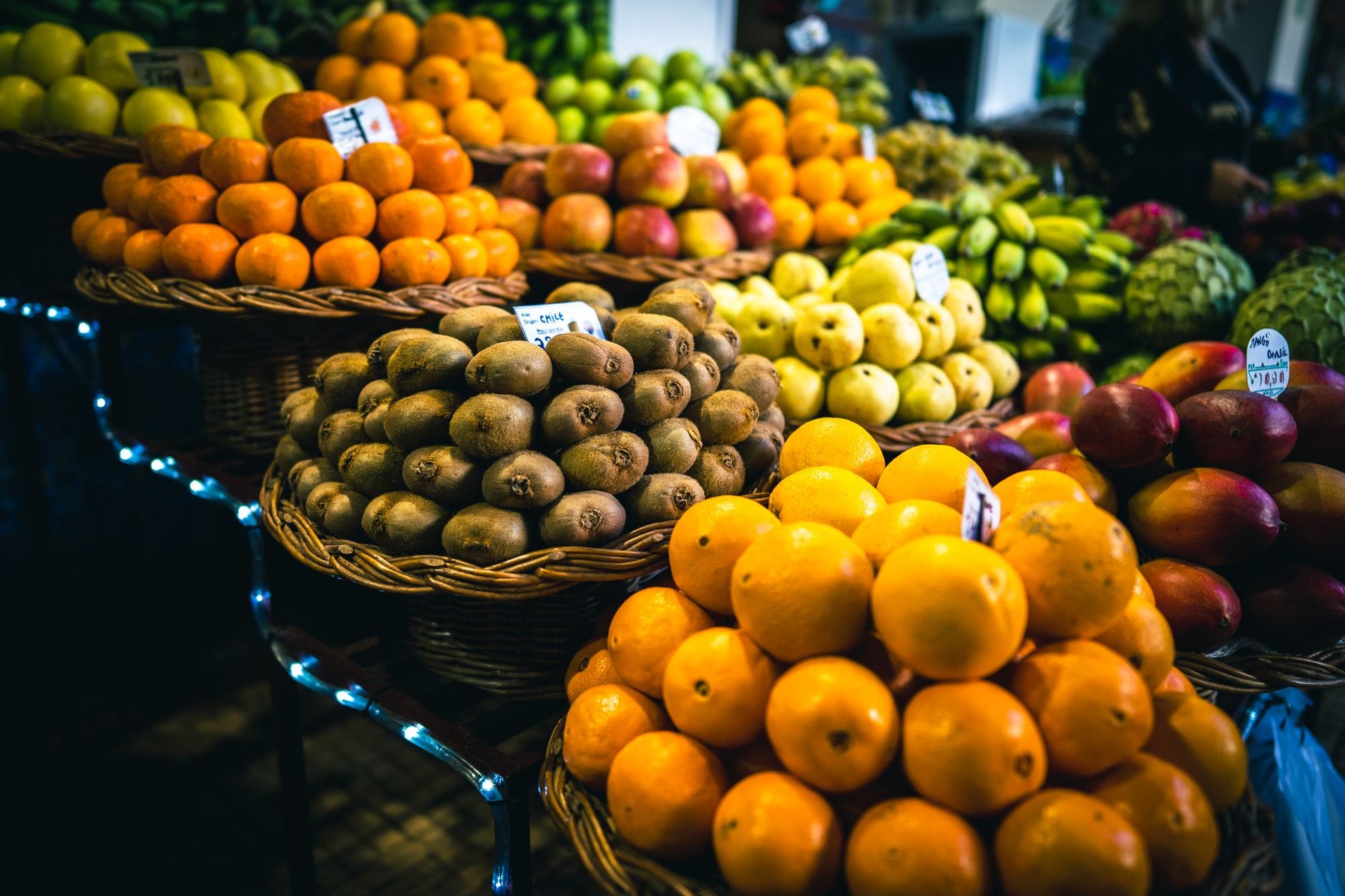
SaveRaising fiber intake increases how often people with constipation have a bowel movement, though in trials it did not clearly change stool consistency (8). These foods are the most useful:
Kiwifruit
In a controlled study of adults with constipation-predominant IBS, eating two green kiwifruits a day for four weeks increased weekly bowel movements and shortened colon transit time (10). In another study of 33 adults with constipation, two kiwis a day increased complete bowel movements and reduced laxative use (11). These studies were not done in pregnancy, but kiwifruit is a safe food to try.
Prunes
Prunes have a well-known mild laxative effect, likely because of their high sorbitol content, a sugar alcohol that draws water into the bowel. Whole prunes also contain fiber, but prune juice has almost none, because it is filtered (9). Whole prunes give you both.
Other high-fiber fruit
Pears, oranges, bananas, and apples eaten with the skin all add fiber. Whole fruit is better than juice. Note that some drinks recommended online, such as cranberry juice, contain almost no fiber (21).
| Food (per 100 g) | Fiber | Note |
|---|---|---|
| Chia seeds, dried | 34.4 g (16) | Very concentrated; a tablespoon adds up quickly |
| Prunes (dried plums) | 7.1 g (12) | Also contain sorbitol, a natural laxative |
| Pears, raw | 3.1 g (14) | Easy to add to breakfast or snacks |
| Kiwifruit, green | 3.0 g (13) | Two a day studied for constipation |
| Oranges, raw | 2.4 g (15) | Eat whole rather than as juice |
| Cranberry juice, unsweetened | 0.1 g (21) | Almost no fiber; not a fiber source |
Seeds and Fiber Supplements
 Save
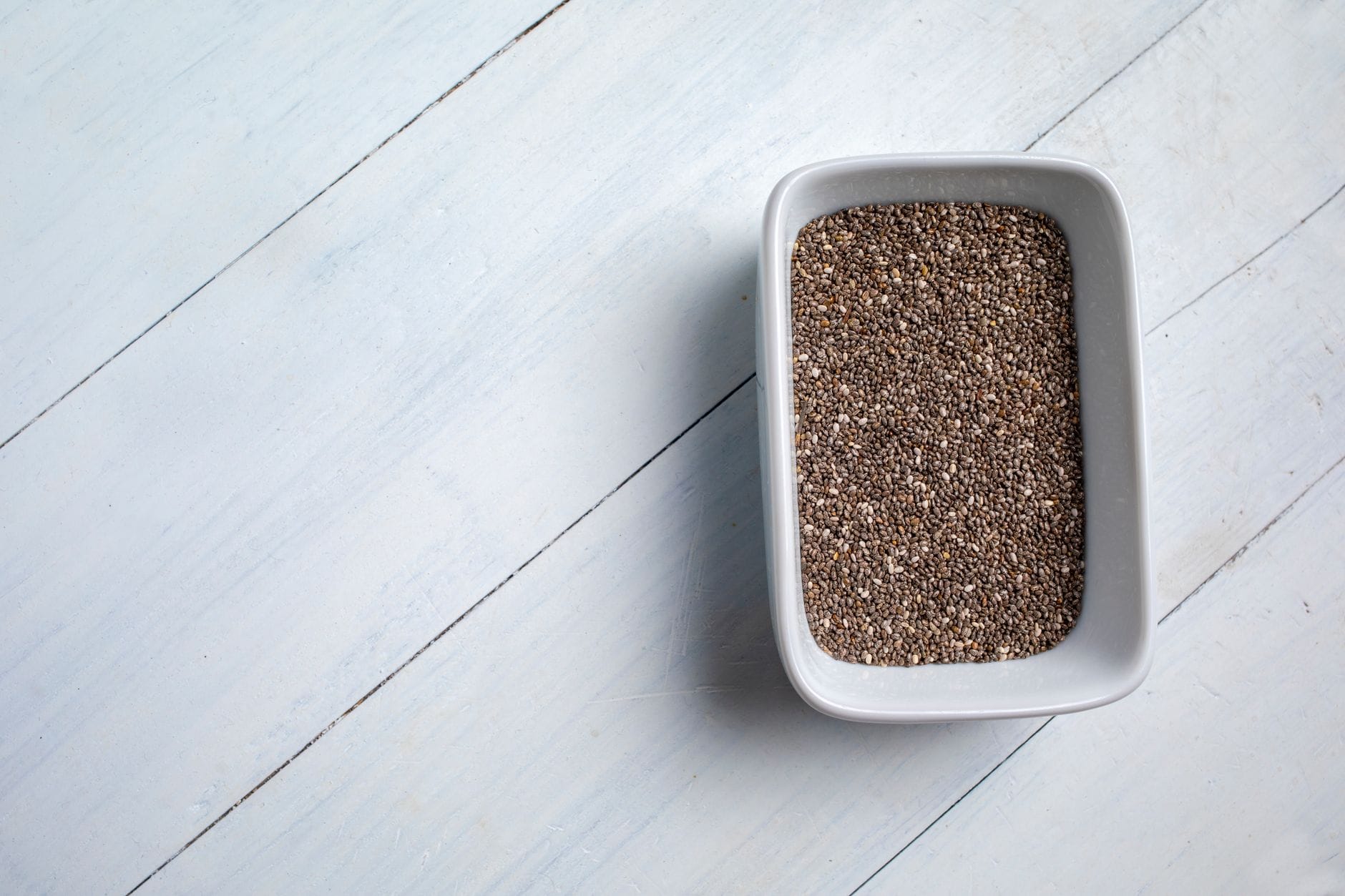
SaveChia and flaxseed. Chia seeds are very high in fiber (16). Ground flaxseed is also used for constipation, but the evidence is mainly from animal studies (17). Start with a small amount, such as a teaspoon or two stirred into oatmeal or yogurt, and drink extra water.
Psyllium (ispaghula husk). Bulk-forming fiber supplements absorb water and expand, making stool easier to pass (2). They are not absorbed into the body and are considered safe for long-term use in pregnancy, although they can cause gas, bloating, and cramping (3). UK teratology guidance notes that no adverse fetal effects have been reported with bulk-forming laxatives (5). In a Cochrane review, pregnant women who took fiber supplements had about 2.2 more bowel movements per week than those who took nothing (4). An open study run by the maker of an ispaghula product found it worked at least as well as lactulose for simple constipation outside pregnancy (18). Follow the product directions and drink plenty of water with it.
What to Drink
Water is the most important drink. Warm drinks in the morning are a comfortable way to start, but be careful with citrus juices and very acidic drinks, which are linked to heartburn (20), already common in pregnancy.
If you drink coffee or tea, keep total caffeine under 200 mg a day. A cup of instant coffee has about 100 mg and a cup of tea about 75 mg (19).
Popular Remedies With Little or No Evidence
- Apple cider vinegar, lemon water, and coconut oil. There is no good evidence that they relieve constipation.
- Epsom salt baths. A warm bath can be relaxing, but it is not a treatment for constipation. Do not drink Epsom salts or take any laxative without advice.
- Aloe vera juice. Oral aloe is not considered safe during pregnancy, and aloe laxatives were taken off the US over-the-counter market (22). Avoid herbal laxative products unless your provider approves them.
When Diet Is Not Enough: Laxatives in Pregnancy
If fiber, fluids, and exercise do not help, laxatives are the second line of treatment (3). Always check with your midwife, doctor, or pharmacist first.
- Bulk-forming laxatives such as ispaghula husk are generally the first choice (3, 5).
- Osmotic laxatives such as lactulose and polyethylene glycol (macrogol) are poorly absorbed and have not been linked to adverse effects (3). In a randomized trial of pregnant women, both worked similarly, with less diarrhea on polyethylene glycol (7). The NHS notes that lactulose and Fybogel are commonly used in pregnancy (6).
- Stimulant laxatives such as senna may work faster but cause more cramping and diarrhea (4). The NHS advises trying other laxatives first (6), and osmotic and stimulant laxatives are best used short term or occasionally (3).
When to Call Your Midwife or Doctor
- Constipation is not improving despite changes to diet, fluids, and activity.
- You notice blood in your stool or have severe abdominal pain.
- You want to start a laxative or fiber supplement, or change your iron tablets.
- Constipation alternates with diarrhea.
Frequently Asked Questions
Why does pregnancy cause constipation?
Rising pregnancy hormones, especially progesterone, slow down the digestive system, so stool moves more slowly and more water is absorbed from it. Iron and calcium supplements, less activity, and later the growing uterus can add to the problem.
What is the fastest safe home remedy for constipation during pregnancy?
Start with more fiber from foods such as prunes, kiwifruit, pears, and whole grains, drink plenty of water, and stay active. Go to the bathroom as soon as you feel the urge. If that is not enough, ask your midwife, doctor, or pharmacist about a fiber supplement or a laxative.
Which laxatives are safe during pregnancy?
Bulk-forming fiber laxatives such as ispaghula husk (psyllium) are not absorbed and are considered safe, and lactulose and polyethylene glycol (macrogol) are commonly used. The NHS suggests trying these before senna. Osmotic and stimulant laxatives are usually recommended only short term. Always check with your midwife, doctor, or pharmacist first.
Can iron tablets cause constipation in pregnancy?
Yes. Iron supplements can make you constipated. Do not stop them on your own; ask your doctor or midwife whether you can change to a different type or dose.
How much fiber should I eat while pregnant?
ACOG recommends that women eat 25 grams of fiber per day, while most people in the US get only about 15 grams. Increase fiber gradually and drink plenty of water alongside it.
Is prune juice as good as prunes?
Prune juice contains sorbitol, which has a laxative effect, but it has almost none of the fiber found in whole prunes. Whole prunes give you both.
The Bottom Line
Constipation during pregnancy is common and usually manageable. The home remedies with the best support are the basics: about 25 grams of fiber a day from foods like kiwifruit, prunes, pears, and whole grains, plenty of water, regular gentle activity, and not delaying bathroom trips. Fiber supplements such as psyllium are considered safe, and lactulose or macrogol are options if you need more help. Skip remedies with no evidence, check your iron supplement with your doctor, and talk to your midwife or doctor before starting any laxative.
This article is for informational purposes only and is not a substitute for professional medical advice. Always consult your doctor, midwife, or pharmacist before trying new remedies, supplements, or laxatives during pregnancy.
Related Articles
How to Eat a Balanced Diet Without Counting Every Calorie
How to Calm Diarrhea at Home With Things You Probably Already Have
Home Remedies for Gas During Pregnancy: What Actually Helps