

A practical look at oxalates, the foods that carry them, and who actually benefits from cutting back.
Some foods do more behind the scenes than the label suggests. Spinach, almonds, sweet potatoes, and oranges are all nutrient-dense, yet they share a quieter trait: they’re loaded with oxalates. For most people that’s a non-issue. For anyone who’s passed a kidney stone, though, oxalate becomes a number worth watching.
A low-oxalate diet is one of the more targeted eating plans out there. It isn’t a weight-loss trend or a detox scheme. It exists to solve a specific problem, mostly the painful cycle of calcium oxalate kidney stones. If you’ve been told you’re prone to stones, or you want to understand why your doctor keeps mentioning oxalate, here’s how the approach works and where its limits are.
Key Takeaways
– Oxalates are natural compounds from oxalic acid, found in many vegetables, fruits, nuts, and grains, and made in small amounts by the body itself.
– A low-oxalate diet caps oxalate intake (often around 40–50 mg a day) to lower urine oxalate and reduce kidney stone formation.
– It may also cut the recurrence of stones and ease symptoms tied to conditions like vulvodynia.
– High-oxalate foods like spinach, rhubarb, strawberries, and wheat bran are limited; low-oxalate options like cabbage, cauliflower, and apples take their place.
– The plan can be hard on vegetarians and vegans and may leave gaps in fiber and certain nutrients.
What Oxalates Actually Are
 Save
SaveOxalates are naturally occurring compounds present in a wide range of plant foods, from leafy greens to nuts and grains. Your body also produces small amounts as a metabolic waste product. They form when oxalic acid, found in many fruits and vegetables, binds to minerals such as calcium.
That binding is where trouble can start. The resulting crystals may collect in the kidneys and harden into stones, a condition doctors call nephrolithiasis. People most at risk tend to excrete urine that’s high in crystal-forming substances, above roughly 25 mg a day of things like oxalate, uric acid, and calcium. For that group, keeping dietary oxalate in check isn’t optional advice, it’s part of the treatment.
What the Diet Involves
A low-oxalate diet limits foods rich in oxalates so that less of the compound ends up in your urine. The goal is straightforward: fewer oxalate crystals mean fewer opportunities for stones to form, and gentler symptoms for people dealing with disorders like hyperoxaluria.
Interestingly, doctors usually don’t recommend slashing calcium alongside oxalate. The opposite, actually. A moderate calcium intake paired with low oxalate helps prevent calcium oxalate stones, because calcium binds oxalate in the gut before it reaches the kidneys. Most versions of the diet aim for about 40 to 50 mg of oxalate per day.
Two habits matter almost as much as the food list. Staying well hydrated dilutes your urine, and keeping protein intake reasonable eases the load on your kidneys. Give it time, too. It often takes three to six weeks to notice a difference, though how long depends on how severe your situation is. If you want the broader picture of eating for kidney health, this roundup of kidney-friendly foods worth keeping on your plate pairs well with the low-oxalate approach.
Who Actually Benefits
The clearest reason to try this diet is stone prevention. High oxalate levels feed the painful calcium oxalate crystals that lodge in the kidneys, and research shows that eating less oxalate lowers the amount in your urine. Less oxalate in the urine, less raw material for a stone.
Recurrence is the other big draw. Observational studies put the odds of a repeat stone somewhere between 30 and 50 percent. A diet that keeps calcium adequate and oxalate low can offer real relief and help break that cycle.
A few other groups may see benefits, though the evidence here is thinner:
Vulvodynia, a chronic pain condition affecting the vulva, may respond to lower urinary oxalate in some cases, easing discomfort even though the root cause isn’t fully understood.
Cystic fibrosis patients face a higher rate of hyperoxaluria and stones, so managing oxalate may help protect kidney function.
Autism, where some children show higher oxalate levels tied to impaired kidney excretion. There’s no solid evidence that oxalate causes autism, but dietary adjustments may help manage co-occurring issues like gastrointestinal upset.
None of these are cures. Think of the diet as one supportive tool, not a standalone fix.
Foods You Can Eat Freely
 Save
SaveThe good news is the “yes” list is long and genuinely enjoyable. You won’t be stuck with a bare plate.
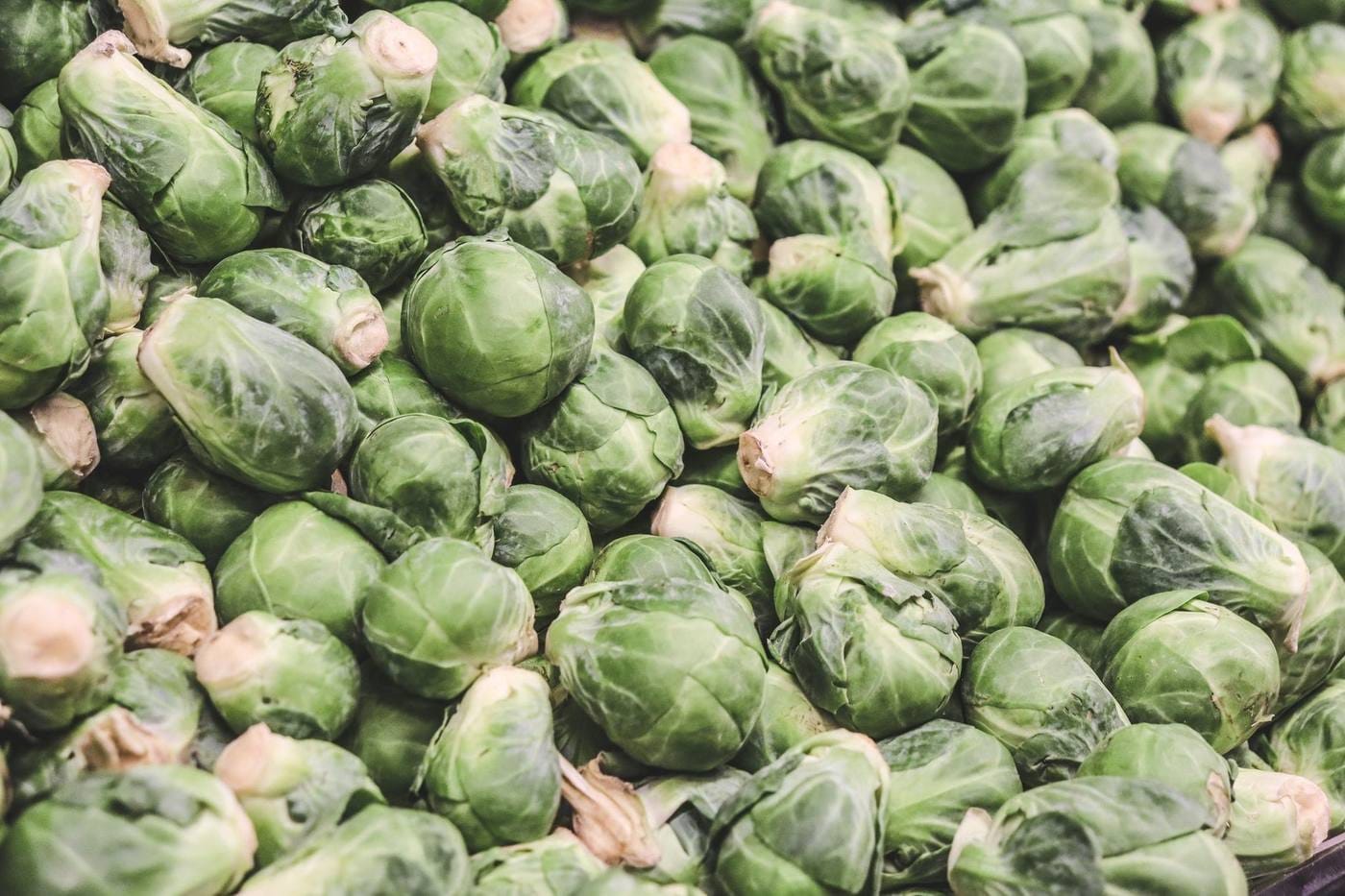
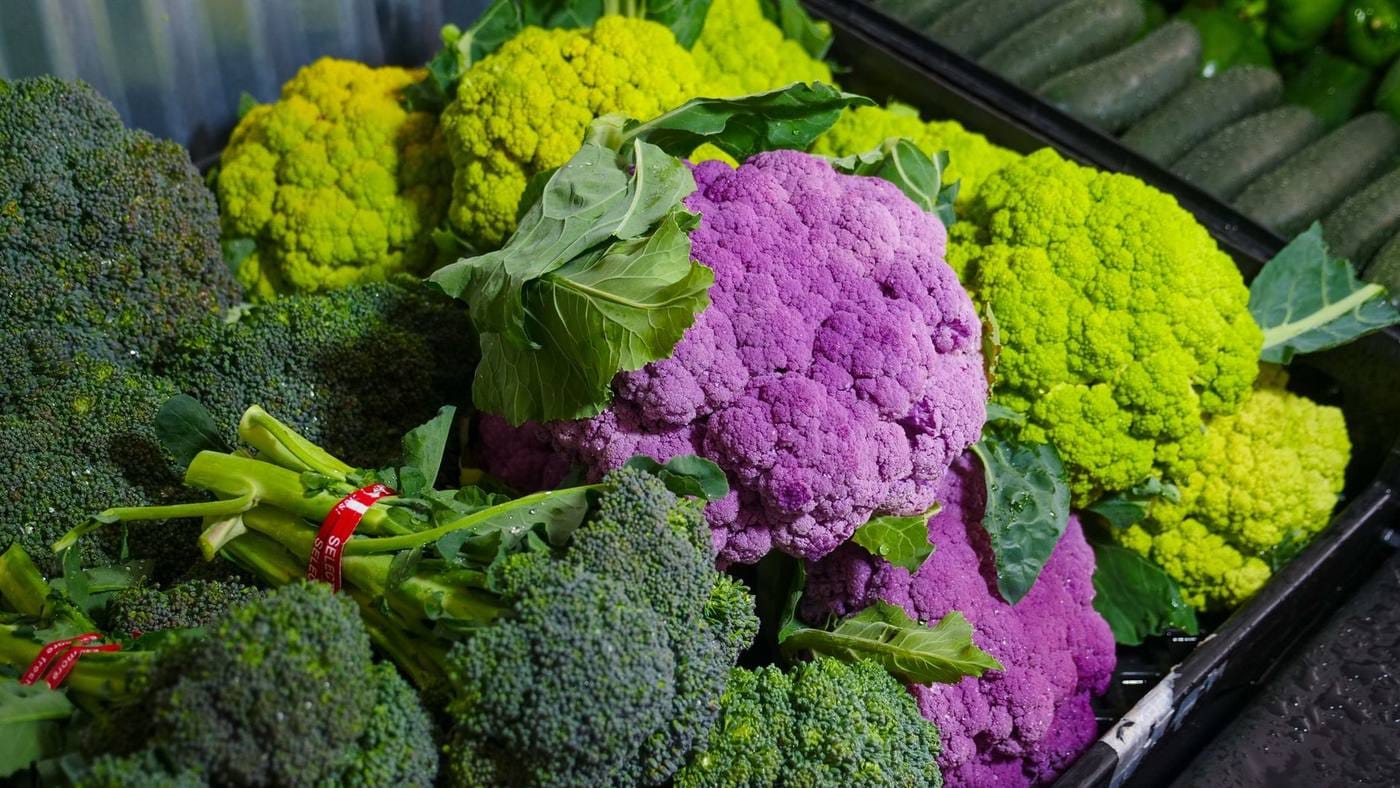
Vegetables: broccoli, cabbage, cauliflower, green beans, brussels sprouts, zucchini, asparagus, carrots, lettuce, mushrooms, onion, green peas, and radishes.
Fruits: apples, pears, bananas, grapes, cherries, peaches, pineapple, watermelon, mangoes, apricots, avocados, and plums.
Dairy: milk, most cheeses (skip Swiss), yogurt, butter, and cottage cheese.
Proteins: eggs, chicken, turkey, most fish, and lean cuts of beef and pork.
Grains: white and brown rice, oats, barley, and corn flour.
Extras: water, herbal teas like chamomile and peppermint, plus milder herbs and spices such as cinnamon, cumin, and dill.
Foods to Keep Off the Plate
The tricky part is that many high-oxalate foods are ones you might think of as health food. Spinach is the classic example, with an oxalate load far higher than most vegetables.
Watch your portions of these:
Vegetables: spinach, swiss chard, beets, okra, sweet potatoes, parsley, leeks, yam, turnip, and kale.
Fruits: rhubarb, blackberries, blueberries, raspberries, strawberries, kiwi, concord grapes, and citrus like oranges and tangerines.
Nuts and seeds: almonds, cashews, walnuts, pistachios, peanuts, sesame, pumpkin, and sunflower seeds.
Grains: wheat bran, wheat germ, quinoa, amaranth, and whole wheat.
The Trade-Offs Worth Knowing
Cutting these foods comes at a cost. Many of the biggest oxalate offenders (leafy greens, whole grains, nuts, and seeds) are also fiber powerhouses, so the diet can quietly shrink your fiber intake. If you go this route, lean into low-oxalate produce and consider other high-fiber foods worth putting on your plate to fill the gap.
Vegetarians and vegans have the hardest time here, since so many plant staples land on the avoid list, which raises the risk of nutritional shortfalls. This diet also isn’t meant for people without an oxalate-related condition, and anyone with a history of eating disorders or existing deficiencies should steer clear. When paired with generous hydration, the plan works alongside gentle habits that support kidney function, and you can read more about whether you can flush your kidneys naturally as a companion strategy. Building it into an otherwise balanced diet keeps those gaps from adding up.
Frequently Asked Questions
How long do I need to stay on a low-oxalate diet?
It’s generally a short-term approach. Many people notice improvement in symptoms within three to six weeks, though the exact timeline depends on the severity of the condition and your doctor’s guidance.
Do I need to cut calcium too?
No, and that’s a common mistake. Adequate calcium actually helps, because it binds oxalate in your digestive tract before it can reach the kidneys. The usual advice is moderate calcium paired with low oxalate.
Is spinach really that bad for kidney stones?
Spinach is one of the highest-oxalate foods around, so people prone to calcium oxalate stones are often told to limit it. If you love greens, lower-oxalate choices like lettuce and cabbage are safer swaps.
The Bottom Line
A low-oxalate diet is a focused tool, best suited to people who form calcium oxalate kidney stones or live with conditions like hyperoxaluria. By trimming high-oxalate foods, keeping calcium adequate, drinking plenty of water, and moderating protein, you can lower the oxalate in your urine and reduce your odds of another painful stone. It isn’t a diet for everyone, and it can leave real nutritional gaps if followed carelessly, especially for plant-based eaters. Treat it as a targeted, doctor-guided plan rather than a lifestyle, and check in with a professional before you commit.
This article is for informational purposes only and is not a substitute for professional medical advice. Talk to your doctor or a registered dietitian before starting a low-oxalate diet, particularly if you have a medical condition or dietary restrictions.
Related Articles
The Kidney-Friendly Foods Worth Putting on Your Plate This Week
Can You Really Flush Your Kidneys Naturally?
The High Fiber Foods Worth Putting on Your Plate Every Day
How to Eat a Balanced Diet Without Counting Every Calorie