
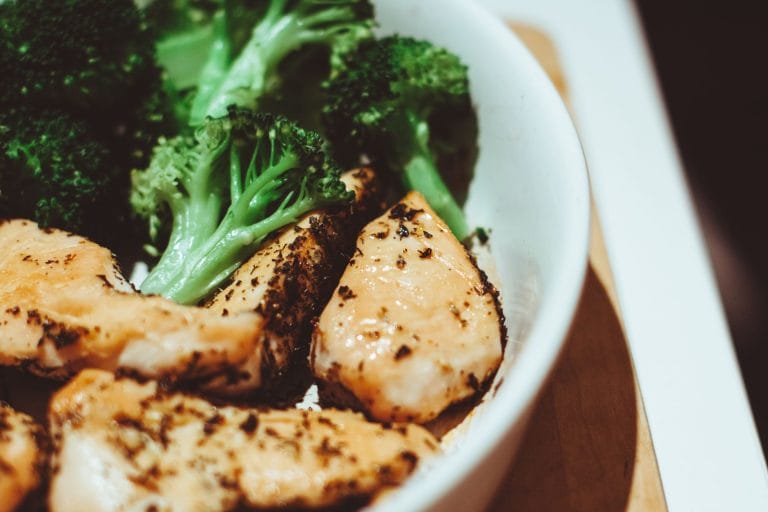
The Dukan diet explained: its four phases, food list and oat bran rules. Plus a sample menu and what research says about weight regain and kidney risk.
The Dukan diet is a high-protein, low-carbohydrate and low-fat weight-loss plan created by French physician Pierre Dukan. It runs in four phases: two for losing weight and two for keeping it off. The plan is built around a list of 100 foods: 68 lean “pure protein” foods and 32 non-starchy vegetables (1).
There is no calorie counting. You eat as much as you like from the allowed foods. You also add a set amount of oat bran every day and move through the phases on a schedule (1, 6). That simplicity explains its popularity. The trade-offs are a very narrow menu, low fiber and a high rate of weight regain reported by followers (9, 10).
Key Takeaways
- The Dukan diet has four phases: Attack, Cruise, Consolidation and Stabilization (6).
- Oat bran is required every day, from 1.5 tablespoons in Attack to 3 tablespoons in Stabilization (6).
- High-protein diets can help with fullness and preserve lean mass during weight loss. However, we found no randomized trials of the Dukan diet itself (8).
- In a survey of 4,761 followers, 75% of those tracked for at least two years said they had regained the weight (10).
- Diets high in animal protein raise kidney stone risk markers. People with kidney problems should not follow the plan without medical advice (11, 13, 14).
How the Dukan Diet Works
The plan leans on protein. Reviews of high-protein diets show that more protein increases hormones that signal fullness. It also lowers ghrelin, a hormone that drives hunger, and it costs more energy to digest than carbohydrate or fat. Protein also helps preserve lean mass while you lose weight, which supports resting energy expenditure (8).
Early on, the diet cuts carbohydrates so sharply that the body produces ketones. For that reason, the official Dukan website tells followers to drink 6 to 8 cups of water a day during the Attack phase. It also advises starting to walk gradually (2).
Pierre Dukan developed the approach as a doctor in France and made it famous through his books. His own medical career was controversial: he was struck off the French medical register in 2014 after several disciplinary actions (7).
The 4 Phases of the Dukan Diet
The official Dukan program and a Cleveland Clinic review describe the same four-phase structure (2, 3, 4, 5, 6):
| Phase | Goal | How long | What you eat | Oat bran per day |
|---|---|---|---|---|
| 1. Attack | Fast start | 1 to 2 days (under 10 lb to lose), 3 to 5 days (15 to 30 lb), up to 7 days (over 40 lb, after consulting a physician) | Only the 68 pure protein foods | 1.5 tbsp |
| 2. Cruise | Steady loss to your goal weight | Until you reach your goal | Pure protein days alternating with protein and vegetable days | 2 tbsp |
| 3. Consolidation | Prevent rebound weight gain | 5 days for every pound lost | The 100 foods plus limited fruit, whole-grain bread, hard cheese, starchy foods and celebration meals; one pure protein day a week | 2.5 tbsp |
| 4. Stabilization | Maintain for life | Permanent | No forbidden foods, plus three fixed rules | 3 tbsp |
Phase 1: Attack
 Save
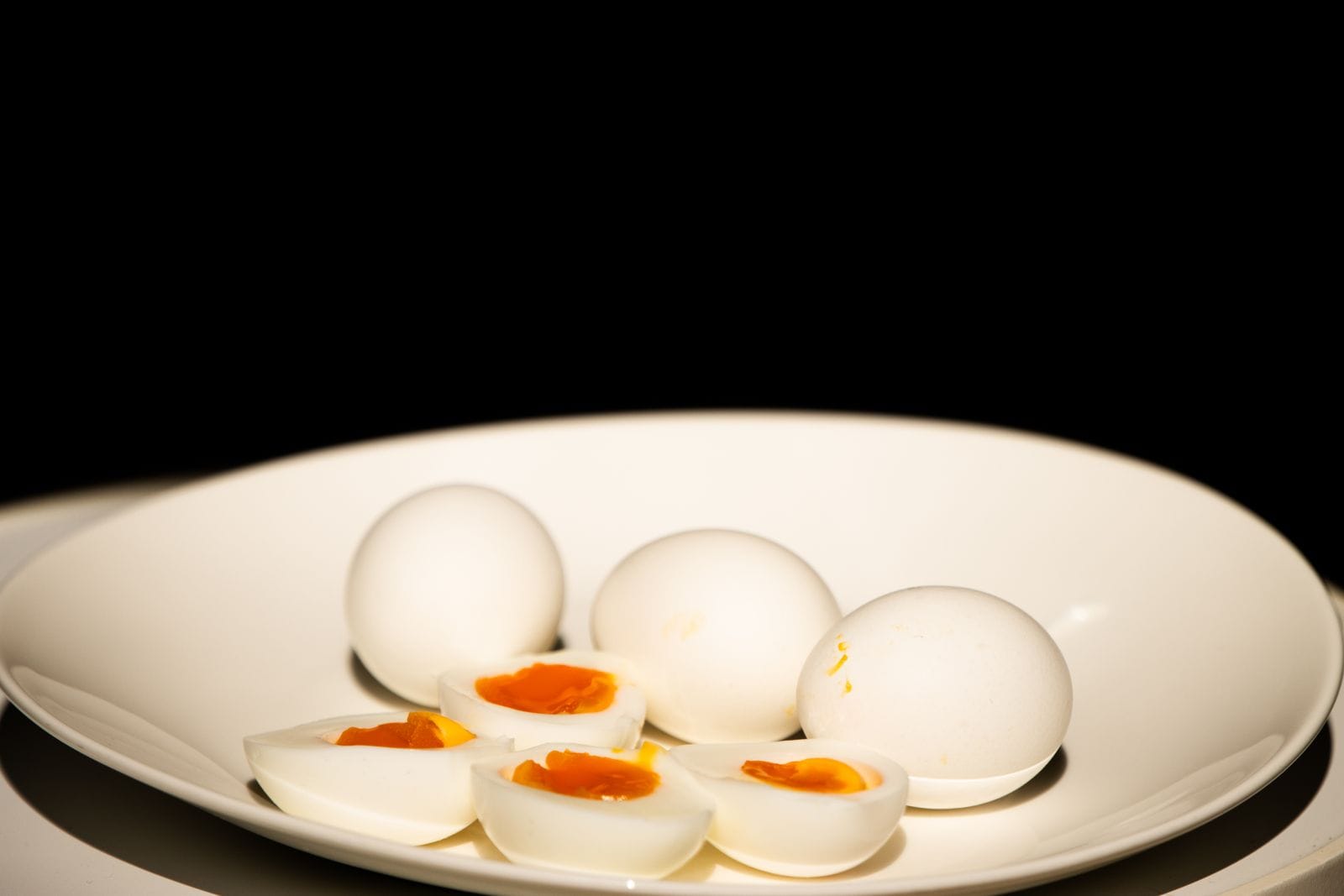
SaveAttack is the pure protein phase. You eat only the 68 protein foods, in unlimited amounts, plus 1.5 tablespoons of oat bran. Its length depends on how much weight you want to lose. The official website suggests 1 to 2 days for under 10 pounds and 3 to 5 days for 15 to 30 pounds. With more than 40 pounds to lose, it can last up to 7 days after consulting a physician (2).
Phase 2: Cruise
Vegetables come back, but only on alternating days. The standard rhythm is one pure protein day followed by one protein and vegetable day. The official site also allows longer blocks, such as 2/2 or 5/5. It describes average weight loss in this phase as about 1 pound every 3 days. It also recommends 30 minutes of brisk walking a day (3). Oat bran rises to 2 tablespoons (6).
Phase 3: Consolidation
This phase is meant to stop rebound weight gain. It lasts 5 days for every pound you lost. Someone who lost 20 pounds would stay in it for 100 days, or about 14 weeks. New foods are added in two stages. They include fruit (except bananas, grapes, figs and cherries), 2 slices of whole-grain bread a day and 1.5 ounces of hard cheese. Weekly servings of starchy food and one or two “celebration meals” a week are also allowed. One day each week, usually Thursday, stays pure protein, and the plan recommends a 25-minute brisk walk daily (4).
Phase 4: Stabilization
In theory, no foods are forbidden. In practice, the plan sets three permanent rules. Eat 3 tablespoons of oat bran a day, take the stairs whenever possible, and keep a pure protein Thursday (5).
Dukan Diet Food List
 Save
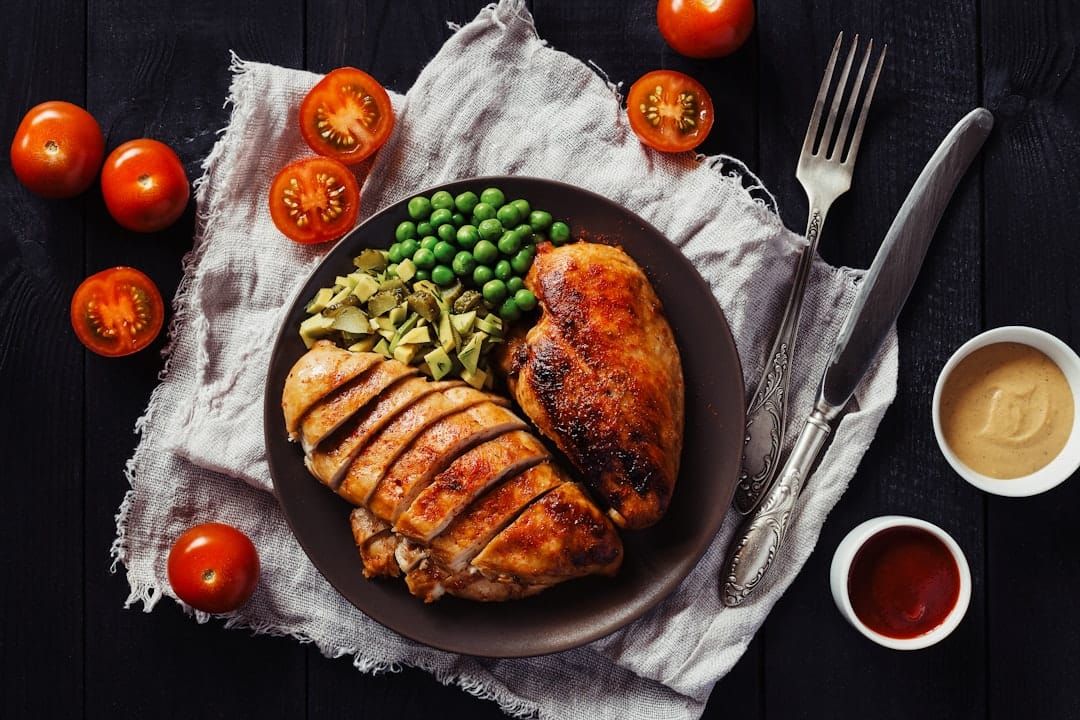
SaveThe official list contains 68 pure protein foods allowed from the Attack phase and 32 vegetables allowed from the Cruise phase. A few extras are allowed in small amounts (1):
| Food group | Examples from the official list | Allowed from |
|---|---|---|
| Lean meat | Beef tenderloin, flank or sirloin steak, pork tenderloin, veal, extra-lean ham, venison | Attack |
| Poultry | Chicken, turkey, chicken liver, quail, fat-free turkey or chicken sausages | Attack |
| Fish and shellfish | Cod, haddock, salmon, sardines or tuna canned in water, shrimp, crab, mussels, squid (squid is worth a closer look — high in copper, and lower in mercury than its cholesterol reputation suggests) | Attack |
| Vegetarian proteins | Tofu, tempeh, seitan, soy foods and veggie burgers | Attack |
| Fat-free dairy | Fat-free Greek-style yogurt, cottage cheese, milk, ricotta, cream cheese | Attack |
| Eggs | Chicken, quail or duck eggs | Attack |
| Non-starchy vegetables (32) | Spinach, broccoli, cauliflower, zucchini, peppers, mushrooms, tomatoes, green beans, lettuce, cabbage | Cruise |
| Limited extras | Shirataki (from Attack), goji berries (1 to 2 tbsp), olive oil (1 tsp, from Cruise), wheat gluten (4 tbsp a week) | See note |
Foods that are off the menu in the early phases include bread, pasta, rice, potatoes, most grains and sugary foods (6). Some of these return, in limited portions, during Consolidation (4).
Sample Dukan Diet Menu for Each Phase
This is an example built only from foods the official program allows in each phase (1, 3, 4). It is not a personalized plan.
| Meal | Attack day | Cruise day (protein + vegetables) | Consolidation day |
|---|---|---|---|
| Breakfast | Fat-free Greek yogurt with 1.5 tbsp oat bran; 2 hard-boiled eggs | Omelet with spinach and mushrooms; fat-free yogurt with 2 tbsp oat bran | 2 eggs, 1 slice whole-grain bread; fat-free yogurt with 2.5 tbsp oat bran |
| Lunch | Grilled chicken breast; fat-free cottage cheese | Tuna canned in water over lettuce, cucumber and tomato | Chicken and vegetable salad with 1.5 oz hard cheese; 1 slice whole-grain bread |
| Snack | Sliced low-fat turkey | Fat-free Greek yogurt with raw pepper strips | 1 serving of fruit, such as an apple |
| Dinner | Baked cod or shrimp | Sirloin steak with broccoli and zucchini | Salmon with green beans |
In Stabilization, meals follow a normal balanced pattern, with 3 tablespoons of oat bran daily and an Attack-style menu every Thursday (5).
Oat Bran on the Dukan Diet: How Much Fiber It Adds
Oat bran is the one carbohydrate food required from day one. According to USDA data, a cup of raw oat bran weighs 94 grams. Every 100 grams provide 15.4 grams of fiber and 246 calories (20). That makes the daily amounts fairly small:
| Phase | Oat bran | Weight | Fiber | Calories |
|---|---|---|---|---|
| Attack | 1.5 tbsp | about 9 g | about 1.4 g | about 22 kcal |
| Cruise | 2 tbsp | about 12 g | about 1.8 g | about 29 kcal |
| Consolidation | 2.5 tbsp | about 15 g | about 2.3 g | about 36 kcal |
| Stabilization | 3 tbsp | about 18 g | about 2.7 g | about 43 kcal |
The Dukan website says oat bran fiber binds to calories from food and limits their absorption (2). We did not find human studies showing that these small daily amounts meaningfully reduce calorie absorption. What is better documented is the fiber problem. The French food safety agency analyzed popular weight-loss diets and found that three out of four diet phases provided less fiber than recommended, sometimes ten times less (11). In a large US population survey, lower fiber intake was linked to a higher risk of constipation (16).
Does the Dukan Diet Work?
For short-term weight loss, probably yes, mostly because a very restricted menu cuts calories and protein keeps hunger in check. For long-term results, the evidence is weak and not encouraging. We found no randomized controlled trials of the Dukan diet itself. The evidence comes from general high-protein diet research, one dietary assessment and one large survey:
| Evidence | What it found | Limits |
|---|---|---|
| Review of high-protein diet trials (8) | Trials lasting 6 to 12 months found weight loss, less fat mass with preserved lean mass, and help preventing regain; no reported harm to bone density or kidney function in healthy adults | Not a test of the Dukan diet; the authors call for trials longer than 12 months |
| Diet assessment of 51 Polish women on the Dukan diet (9) | Average loss of about 15 kg after 8 to 10 weeks; protein intake excessive; fruit and vegetables, vitamin C and folate low | Menus reported by the women; no comparison group |
| Online survey of 4,761 Dukan followers (10) | Among those followed for at least two years, 75% said they had regained the weight; 60% felt guilt when the diet failed | Volunteers and self-reported weight |
| French food safety agency review of 15 popular diets (11) | Classed Dukan phases as high-protein; across weight-loss diets, 80% of people regain weight after one year | Assessed diet types and risks, not a ranking of diets |
| British Dietetic Association, 2012 (12) | Called the plan “confusing, time consuming, very rigid” and said there is “little solid science” behind it | Expert opinion, not a study |
The high weight regain in the Dukan survey matches what is seen with restrictive diets generally. The French agency noted that weight loss also removes lean mass. This lowers resting energy expenditure and makes regain more likely. Physical activity is the main factor in keeping weight stable (11).
Possible Benefits
- Clear rules. A fixed food list and phase schedule remove guesswork and calorie counting (1, 6).
- Fullness. High-protein diets increase satiety signals and help preserve lean mass during weight loss (8).
- Blood sugar. A small 5-week study included 12 people with type 2 diabetes. A higher-protein diet (30% of calories from protein) lowered the 24-hour glucose response by 40% and improved HbA1c more than a standard diet. That diet was far less extreme than Dukan, and the authors called for longer studies (18).
- Bone. Higher protein intake appears to benefit bone health, but mainly when calcium intake is adequate (19).
Risks and Side Effects of the Dukan Diet
- Constipation, fatigue and bad breath. When criticizing the plan, the British Dietetic Association noted that even its creator warned of lack of energy, constipation and bad breath (12). Low fiber intake is the likely link to constipation (11, 16).
- Nutrient gaps. Women on the Dukan diet ate too few fruits and vegetables and too little vitamin C and folate (9). The French agency also analyzed diet phases across popular plans. In 23% of them, calcium fell below average needs, and more than half exceeded the WHO sodium limit (11).
- Kidney stones. Animal protein increases calcium and lowers citrate in urine, which raises the overall risk of stones. A review of fad diets named high-protein plans like Dukan as a concern (13). A systematic review found that balancing protein-rich diets with enough fruit and vegetables seems to be protective (14).
- Kidney disease. High-protein diets exceed normal protein intakes. For that reason, the French agency advises a kidney check before any weight-loss diet if you are at risk of kidney disease (11). People with chronic kidney disease need a dietitian’s help to get the right amount of protein (17).
- Ketoacidosis (rare). Doctors reported a 42-year-old woman with no previous medical problems who developed intractable vomiting and severe ketoacidosis two days after starting the Dukan diet (15).
- Bone and muscle loss. Weight loss takes lean mass and bone as well as fat. The French agency reports an average 1% to 2% drop in bone mineral density for a 10% weight loss (11).
- Weight regain and guilt. In the Dukan follower survey, 75% of those followed for at least two years regained the weight and 60% felt guilt about it (10).
Who Should Not Try the Dukan Diet
- People with kidney disease, reduced kidney function or a history of kidney stones (11, 13, 17)
- People with diabetes or high blood pressure, unless a doctor supervises the change (6)
- Pregnant or breastfeeding women, children and teenagers, groups the French agency flagged for risks such as growth disturbances (11)
- Anyone with a history of disordered eating, since restrictive dieting is linked to eating behavior disorders (11)
If You Still Want to Try It
- Talk to your doctor first, and ask about a kidney check if you have any risk factors (11).
- Drink plenty of water; the official plan itself recommends 6 to 8 cups a day in the Attack phase (2).
- Keep the Attack phase short and move to vegetable days as soon as the plan allows. Fruit and vegetables help offset stone risk and fill nutrient gaps (9, 14).
- Get enough calcium; protein seems to help bone mainly when calcium intake is adequate (19).
- Stop and seek medical care if you have persistent vomiting (15).
- Plan for maintenance from the start, including regular physical activity (11).
Dukan Diet vs Keto
People often confuse the two because both cut carbohydrates, but they treat fat in opposite ways. A ketogenic diet is high in fat, typically 55% to 75% of calories, with about 20 to 50 grams of carbohydrate a day and moderate protein (21). The Dukan diet keeps fat low and pushes protein high (1).
| Dukan diet | Keto diet | |
|---|---|---|
| Main idea | High protein, low carbohydrate, low fat | High fat, very low carbohydrate, moderate protein |
| Fat | Kept low: lean meats, fat-free dairy, 1 tsp olive oil from Cruise | About 55% to 75% of calories |
| Carbohydrates | Almost none in Attack; vegetables, fruit, bread and starches return in stages | Usually 20 to 50 g a day to keep ketosis |
| Structure | Four fixed phases with a food list | One ongoing pattern |
Still weighing options? Our guide to keto recipes and keto safety covers what meta-analyses show. The South Beach diet is another phased, lower-carbohydrate plan that is far less protein-heavy.
Alternatives to the Dukan Diet
Every weight-loss diet works by creating an energy deficit (11), so a plan you can keep matters more than a specific food list. A moderate calorie deficit lets you keep all food groups. If you prefer to eat less meat, a plant-based diet or a vegetarian weight-loss meal plan provides more fiber. The paleo diet is another higher-protein pattern with fewer rules. For convenient protein without a strict plan, try these homemade protein shakes.
Frequently Asked Questions
How much weight can you lose on the Dukan diet?
The official Dukan website says weight loss in the Cruise phase averages about 1 pound every 3 days. In a Polish assessment of 51 women following the diet, average loss was about 15 kg after 8 to 10 weeks, based on what the women reported. Keeping it off is the harder part. In an online survey of Dukan followers, 75% of those tracked for at least two years said they had regained the weight.
Is the Dukan diet safe?
Reviews of high-protein diets have not found harm to bone density or kidney function in healthy adults, but the Dukan diet is very restrictive. Followers in one study ate too little fruit, vegetables, vitamin C and folate. Diets high in animal protein change urine in ways that raise kidney stone risk. People with kidney disease, diabetes or high blood pressure, and anyone pregnant, should not start it without medical advice.
What is the difference between the Dukan diet and keto?
Both cut carbohydrates, but the Dukan diet is high in protein and low in fat. A ketogenic diet is high in fat, typically about 55% to 75% of calories, with only about 20 to 50 grams of carbohydrate a day and moderate protein.
Why do you have to eat oat bran on the Dukan diet?
Daily oat bran is a rule in every phase, rising from 1.5 tablespoons in Attack to 3 tablespoons in Stabilization. Based on USDA data, 3 tablespoons is about 18 grams and provides roughly 2.7 grams of fiber. That is a small amount, so fruit, vegetables and whole grains still matter for fiber.
Can vegetarians follow the Dukan diet?
Lacto-ovo vegetarians can, because the official food list includes tofu, tempeh, seitan, soy foods, eggs and fat-free dairy. A vegan version is much harder, since eggs and dairy are a large part of the pure protein list, leaving mainly soy foods and seitan.
The Bottom Line
The Dukan diet is a four-phase, high-protein, low-carbohydrate and low-fat plan with a clear food list and daily oat bran. It can produce fast early weight loss. However, there are no randomized trials of the diet itself, and most followers in a large survey regained the weight. The plan is also low in fiber, fruit and vegetables. If you have kidney problems, diabetes or high blood pressure, or are pregnant, talk to your doctor before trying it. Also consider a less restrictive approach you can keep for life.
This article is for informational purposes only and is not a substitute for professional medical advice, diagnosis, or treatment. Talk to your doctor or a registered dietitian before starting a restrictive diet. This is especially important if you have kidney disease, diabetes, high blood pressure or another medical condition.
Related Articles
Calorie Deficit Diet Guide for Safe Weight Loss
South Beach Diet: Phases, Food List, and Does It Work?
Keto Diet Recipes: Easy Breakfasts, Desserts and Safety
9 Homemade Protein Shakes Made With Real Food
Plant-Based Diet: Benefits, Risks and How to Start