
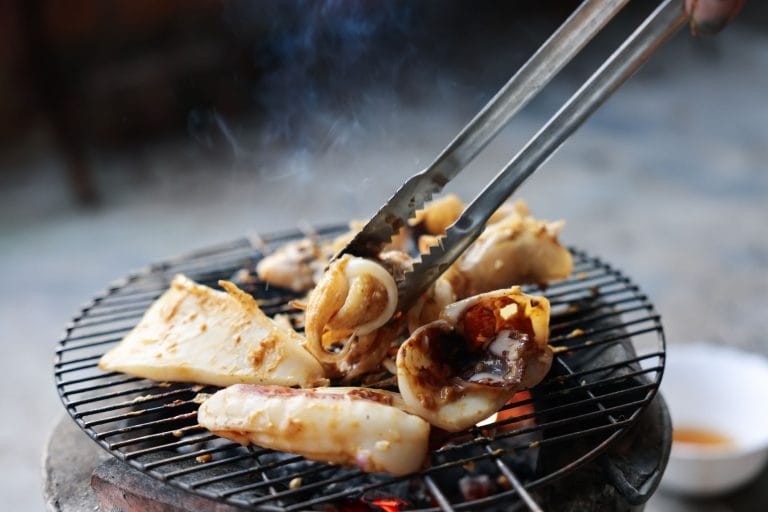
Is squid healthy? What holds up in the nutrition data, what its 233 mg of cholesterol actually means, what frying turns it into, and the four groups who should check before eating it.
Is squid healthy? The argument almost always turns on one number: it carries more cholesterol per 100 g than most foods people worry about. What that argument leaves out is the number beside it — 0.358 g of saturated fat, under 2% of a day’s worth (1).
 Save
SaveIt is also, quietly, one of the richest ordinary sources of copper there is, and one of the lowest-mercury seafoods the FDA tests (1, 3).
Key Takeaways
- 100 g of raw squid gives 210% of the Daily Value for copper and 81% for selenium, for 92 calories (1, 5).
- Cholesterol is high at 233 mg, but saturated fat is almost absent at 1.8% DV (1).
- The FDA and EPA list squid as a “Best Choice” — safe at 2 to 3 servings a week in pregnancy (2).
- Mercury averages 0.024 ppm, among the lowest of any tested seafood (3).
- Deep-frying nearly doubles the calories and multiplies sodium sevenfold (1, 10).
Squid Nutrition, In Full
| Per 100 g, raw | Amount | % Daily Value |
|---|---|---|
| Calories | 92 kcal | — |
| Protein | 15.58 g | 31% |
| Total fat | 1.38 g | 2% |
| Saturated fat | 0.358 g | 1.8% |
| Cholesterol | 233 mg | 78% |
| Copper | 1.891 mg | 210% |
| Selenium | 44.8 mcg | 81% |
| Vitamin B12 | 1.3 mcg | 54% |
| Riboflavin | 0.412 mg | 32% |
| Phosphorus | 221 mg | 18% |
| EPA + DHA omega-3 | 488 mg | no official DV |
Copper at 210% of the Daily Value is genuinely rare in everyday food. Few single foods deliver twice a day’s worth in a 100 g serving (1, 5); if trace minerals interest you, the same logic applies to manganese. Selenium at 81% is the other standout, supporting the antioxidant enzymes that protect cells from damage (12). Squid also supplies 488 mg of EPA and DHA, the long-chain omega-3 fats normally associated with oily fish (1) — the same family behind the interest in fish oil.
What The Squid Benefits Actually Come Down To
The case rests on density rather than any dramatic effect. For 92 calories, 100 g gives 15.58 g of protein, over twice the daily copper requirement, most of a day’s selenium and nearly 500 mg of marine omega-3, with 1.38 g of total fat (1). Few animal foods are that lean and that mineral-dense at once.
What squid does not have is evidence behind more ambitious claims — nobody runs clinical trials on single foods like this. Treat it as a good ingredient in an overall sensible pattern, not a treatment.
The Cholesterol Question
 Save
SaveThe single most searched worry about squid, and the answer has genuinely changed over the past decade.
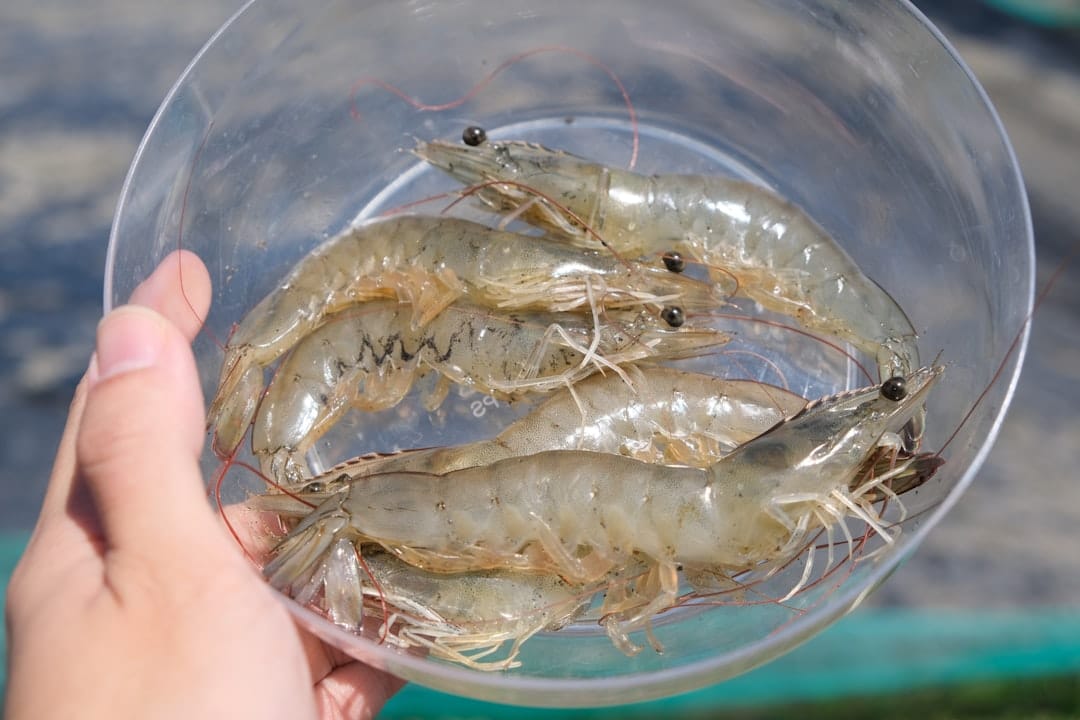
Squid contains 233 mg of cholesterol per 100 g, 78% of the Daily Value (1, 5). Raw shrimp carries 161 mg for the same weight (11). So the concern is not invented.
What shifted is the understanding of what dietary cholesterol does. The American Heart Association’s science advisory reported that observational studies generally do not indicate a significant association between dietary cholesterol and cardiovascular disease risk, and concluded that guidance should focus on healthy overall patterns rather than a specific cholesterol number (4).
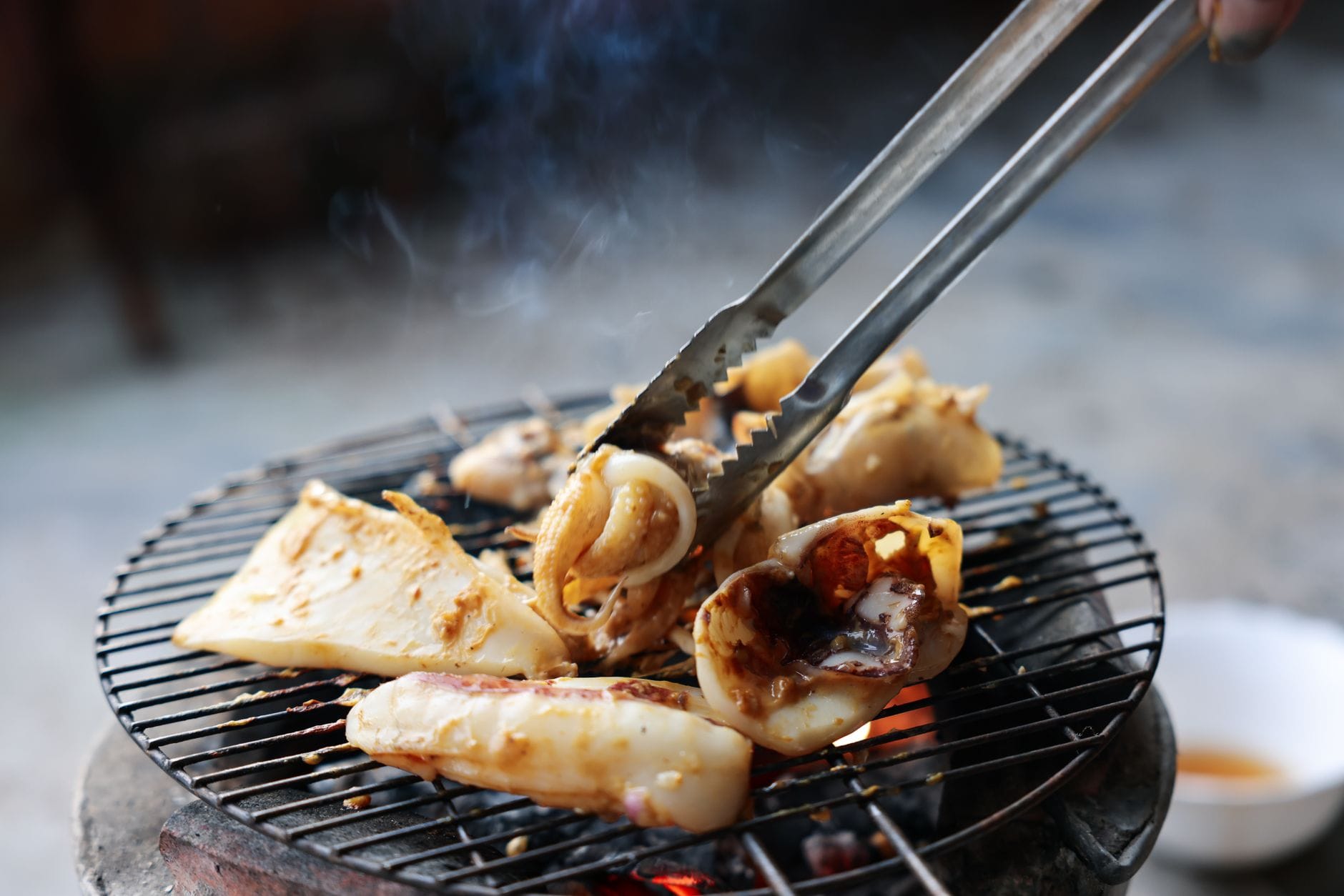
Against that, squid’s profile is favourable where it counts: high in cholesterol, but with barely any saturated fat, the nutrient with the stronger effect on blood lipids. The practical distinction is not squid versus no squid — it is grilled squid versus battered, deep-fried squid with a mayonnaise-based sauce.
Mercury And Pregnancy
Here the official position is unusually clear, and unusually reassuring. The FDA and EPA sort fish into Best Choices, Good Choices and Choices to Avoid, based on mercury. Squid is on the Best Choices list, the lowest-mercury group, alongside salmon, shrimp, sardines and scallops. For people who are pregnant or breastfeeding, the advice is 2 to 3 servings a week from that list, a serving being four ounces — roughly the palm of your hand (2).
The testing behind that: FDA sampling found squid at a mean of 0.024 ppm of mercury across 36 samples, median 0.017, maximum 0.07 (3). Mercury accumulates up the food chain in large, long-lived predators, and squid is neither. The usual pregnancy rules still apply, and they concern microbiology rather than mercury: cook it through, skip raw preparations.
Shellfish Allergy: Squid Is A Mollusc
This distinction confuses people, and getting it right matters.
“Shellfish” covers two biologically separate groups. Crustaceans are shrimp, crab, lobster and crawfish. Molluscs are clams, mussels, oysters, scallops and cephalopods — squid, cuttlefish and octopus. Being allergic to one group does not automatically mean being allergic to the other (7).
But it does not rule it out. Tropomyosin is the major shellfish allergen, responsible for cross-reactivity within crustaceans, within molluscs, and between the two groups; molluscs carry others too, including paramyosin and haemocyanin (6, 8). Shellfish allergy affects an estimated 0.5% to 2.5% of people, higher in coastal Asian countries, with reactions from mild symptoms to anaphylaxis (6).
If you react to shrimp, whether you can eat squid is a question for an allergist with testing — not one to answer with an experiment at dinner.
Gout, Uric Acid And Kidneys
Seafood contains purines, so squid is not unlimited with gout. But the 2020 American College of Rheumatology guideline produced 42 recommendations, 16 of them strong, and those strong ones concern urate-lowering therapy and treating to a serum urate target below 6 mg/dl (9). Dietary restriction is not among them — eliminating squid while urate sits above target addresses the smaller variable. The broader dietary approach to arthritis is worth reading alongside this.
For chronic kidney disease, the figures that matter are 221 mg of phosphorus and 15.58 g of protein per 100 g (1), both commonly restricted as the disease advances. How much fits is individual, which makes it a renal dietitian’s call.
Calamari: What Frying Actually Does
 Save
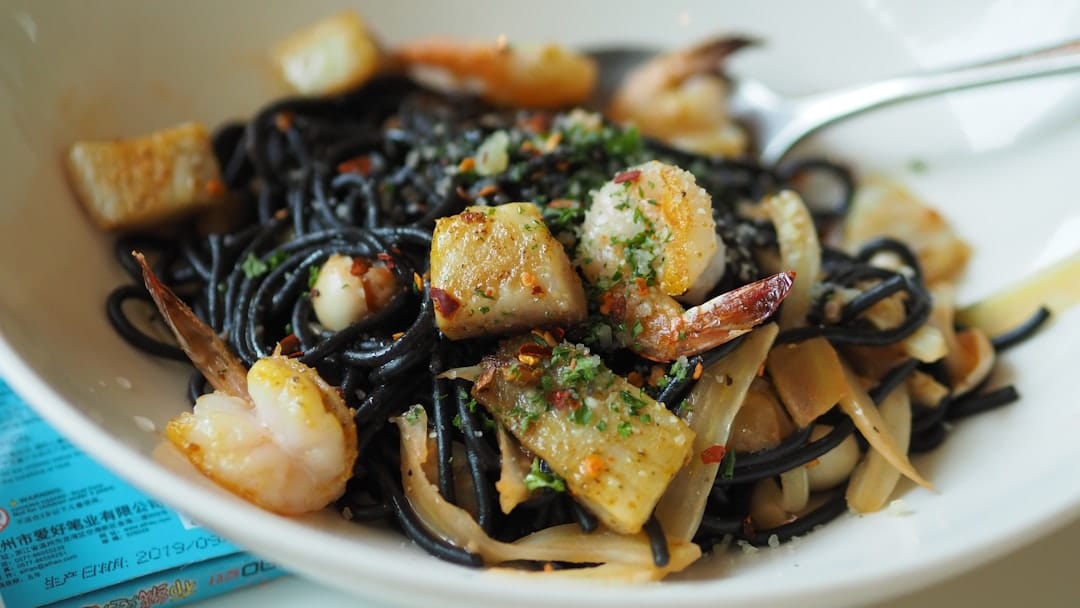
SaveMost people do not eat squid; they eat calamari. The difference is larger than it looks.
| Per 100 g | Raw squid | Fried calamari | What changed |
|---|---|---|---|
| Calories | 92 kcal | 175 kcal | Nearly doubled |
| Total fat | 1.38 g | 7.48 g | More than five times |
| Saturated fat | 0.358 g | 1.878 g | Over five times |
| Carbohydrate | 0 g | 7.79 g | All of it batter |
| Sodium | 44 mg | 306 mg | Seven times |
| Cholesterol | 233 mg | 260 mg | Barely moved |
Calories nearly double, fat rises more than fivefold and sodium sevenfold, all before a dipping sauce (1, 10). The one number that barely moves is cholesterol, 233 to 260 mg. Which is the point: the thing people worry about is not what frying changes, and the things frying changes are not what people worry about.
Grilled or quickly seared squid keeps the lean profile, and at 15.58 g per 100 g it is a good whole-food protein source.
On squid ink: in food amounts it is a colouring and flavouring. There is no clinical research base behind health claims for it, so treat those as unproven, and anyone with a mollusc allergy should treat the ink as they would the squid.
Who Should Be Careful
- A shellfish allergy — ask an allergist before trying squid, because tropomyosin cross-reacts between crustaceans and molluscs (6, 8).
- Chronic kidney disease — 221 mg of phosphorus and 15.58 g of protein per 100 g both count against a prescribed limit (1).
- Gout — squid is a purine source, but urate targets matter more than the plate (9).
- Watching sodium — 44 mg raw against 306 mg fried. The batter is the problem, not the squid (1, 10).
Frequently Asked Questions
Is squid high in cholesterol, and will it raise yours?
Squid is genuinely high in dietary cholesterol: 233 mg per 100 g, which is 78% of the Daily Value. But the number rarely quoted beside it is 0.358 g of saturated fat, about 1.8% of the Daily Value. That contrast matters, because saturated fat influences blood cholesterol more than dietary cholesterol does. The American Heart Association reviewed the human evidence and concluded that observational studies generally show no significant association between dietary cholesterol and cardiovascular disease risk, and that guidance should focus on overall dietary patterns rather than a specific number. Squid is not automatically a problem; fried calamari with a creamy sauce is a different food from grilled squid, and that is where the real risk lives.
Is squid safe during pregnancy, and does it contain mercury?
Yes, and it is in the best category. The FDA and EPA place squid on their “Best Choices” list, the lowest-mercury group, and recommend 2 to 3 servings a week from that list specifically for people who are pregnant or breastfeeding. A serving is four ounces, roughly your palm. The testing behind that: a mean of 0.024 parts per million across 36 samples, median 0.017, maximum 0.07. Mercury accumulates in large, long-lived predators, and squid is neither. Ordinary food-safety rules still apply, so cook it through and skip raw preparations while pregnant.
Can you eat squid if you have a shellfish allergy?
Ask your allergist first, and do not experiment at home. “Shellfish” covers two different groups: crustaceans such as shrimp, crab and lobster, and molluscs such as clams, mussels and cephalopods, which is where squid belongs. Being allergic to one group does not automatically mean being allergic to the other. But tropomyosin, the major shellfish allergen, causes cross-reactivity within crustaceans, within molluscs, and between the two, so a shrimp allergy raises the question rather than settling it. Shellfish allergy affects an estimated 0.5% to 2.5% of people and reactions range from mild to anaphylaxis.
Is calamari healthy, or does frying ruin it?
Frying changes it more than most people expect. Per 100 g, raw squid is 92 calories with 1.38 g of fat and 44 mg of sodium. Fried squid is 175 calories with 7.48 g of fat and 306 mg of sodium, plus 7.79 g of carbohydrate that is entirely batter. Calories nearly double, fat rises more than fivefold and sodium sevenfold, all before any dipping sauce. Cholesterol, interestingly, barely moves: from 233 to 260 mg. The squid itself is lean and mineral-dense; deep-frying it in batter is what turns it into something else.
Is squid bad for gout or for your kidneys?
Seafood contains purines, so squid is not unlimited with gout, but it helps to see where diet sits. The 2020 American College of Rheumatology guideline produced 42 recommendations, 16 of them strong, and those strong ones are all about medication and urate targets below 6 mg/dl, not about food. For kidneys, healthy ones are fine; with chronic kidney disease the relevant numbers are 221 mg of phosphorus and 15.58 g of protein per 100 g, both commonly restricted as the disease advances. How much fits is individual and belongs with a renal dietitian, and cutting protein unsupervised causes its own problems.
The Bottom Line
The squid benefits worth knowing are unglamorous and real: 92 calories per 100 g carrying 15.58 g of protein, over twice the Daily Value for copper, 81% for selenium and nearly 500 mg of marine omega-3. The cholesterol figure of 233 mg gets all the attention, but the saturated fat beside it is under 2% of a day’s worth, and the American Heart Association points away from single-nutrient targets towards overall pattern. Mercury is low enough that the FDA and EPA list squid as a Best Choice, safe at 2 to 3 servings a week in pregnancy. The genuine cautions are narrower than the internet suggests: shellfish allergy, which needs an allergist rather than an experiment, kidney disease, which needs a renal dietitian, and deep-frying, which is what turns a lean food into a heavy one.
This article is for informational purposes only and is not a substitute for professional medical advice. Talk to your doctor or an allergist before eating squid if you have a known shellfish allergy, and to your renal dietitian if you have chronic kidney disease.
Related Articles
Fish Oil for Weight Loss: Does It Work? What Research Shows
9 Homemade Protein Shakes Made With Real Food
Arthritis Diet: Foods That Help, Foods to Limit and Evidence
Manganese Benefits, Daily Needs, Food Sources and Safety