
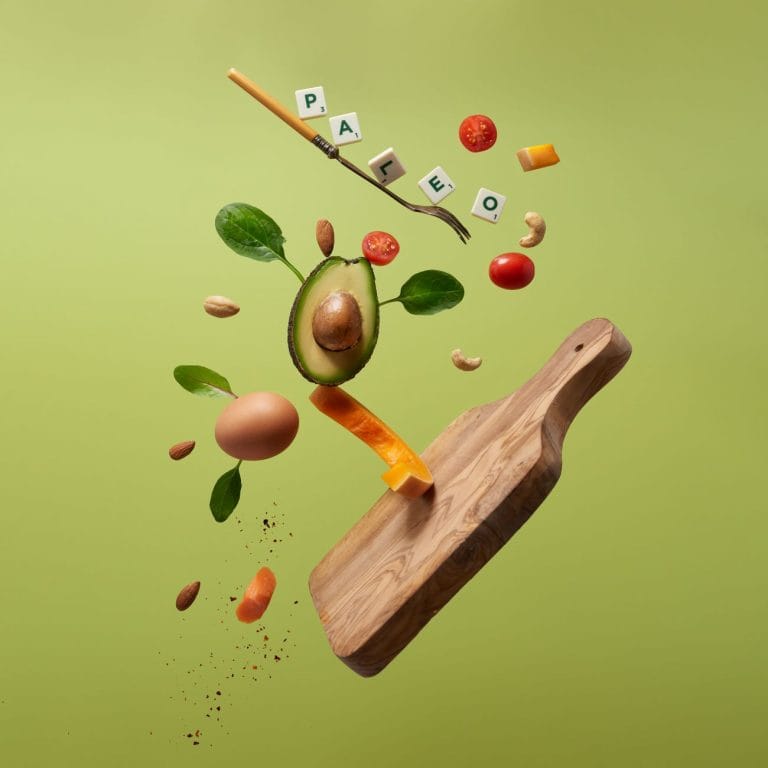
A paleo diet plan explained: which foods are in and out, what trials show for weight, blood pressure and cholesterol, the iodine and calcium risks, a 7-day menu and how paleo differs from keto.
The paleo diet, sometimes called the Paleolithic or caveman diet, is built around foods thought to have been available before farming: meat, fish, eggs, vegetables, fruit, nuts and seeds. It excludes grains, legumes, dairy and processed foods (3).
A paleo diet plan can lead to weight loss and short-term improvements in some heart health markers, but most studies are small and short, and removing whole food groups creates nutrient risks (1, 3, 8). This guide covers what the research shows, what to eat, a sample week of meals, and who should be careful.
Key Takeaways
- Paleo focuses on meat, fish, eggs, vegetables, fruit, nuts and seeds, and excludes grains, legumes, dairy and processed foods (3).
- A meta-analysis of 11 randomized studies found about 3.5 kg more weight loss than guideline-based diets (1).
- Weight loss appears to come mainly from eating fewer calories (2).
- Short-term trials show improvements in waist size, triglycerides and blood pressure, with moderate-quality evidence (3).
- Excluding dairy and table salt raised the risk of iodine deficiency in a 2-year trial (8).
What the Paleo Diet Is
Paleolithic nutrition differs radically from dietary patterns recommended in current guidelines, mainly because it excludes grains, dairy and industrially produced foods (3). Supporters argue that humans are better adapted to pre-agricultural foods, but the evidence for health benefits comes from modern clinical trials, not from that theory.
In practice, many people follow looser versions that allow some foods such as butter, ghee or dark chocolate. The autoimmune protocol (AIP) is a stricter elimination approach, and Whole30 is a 30-day program with similar exclusions. Choose an approach you can sustain and that meets your nutrient needs.
What the Research Shows
| Study | Design | Finding |
|---|---|---|
| Meta-analysis (1) | 11 randomized studies in people with chronic disease | About 3.5 kg more weight loss than guideline-based diets; lower BMI and waist |
| Metabolic syndrome meta-analysis (3) | 4 RCTs, 159 people, up to 6 months | Short-term improvements in waist, triglycerides and blood pressure; moderate-quality evidence |
| Metabolic syndrome pilot (4) | 2-week randomized trial, 34 adults | Lower blood pressure, total cholesterol and triglycerides; higher HDL |
| Type 2 diabetes (6) | 12 weeks, 32 patients, no non-paleo control group | Lower fat mass and HbA1c, better insulin sensitivity; men lost lean mass without exercise |
| High cholesterol (7) | 20 adults, 4 months heart-healthy diet then 4 months paleo, not randomized | Lower total cholesterol, LDL and triglycerides |
| Healthy volunteers (5) | 9 people, 10 days, compared with usual diet | Lower blood pressure and insulin, better lipids without weight loss |
| Iodine (8) | 2-year randomized trial, 70 postmenopausal women | Higher risk of iodine deficiency than a Nordic guideline diet |
Weight loss
A 2019 meta-analysis of 11 randomized studies in people with chronic diseases found that those following a paleo diet lost an average of 3.52 kg more than those on diets based on nutrition recommendations, with reductions in BMI and waist circumference. The authors called for larger and longer trials (1). A review of popular weight loss strategies concluded that the paleo diet leads to weight loss because of an overall decrease in calorie intake, and that studies are limited (2).
Metabolic syndrome and blood pressure
A meta-analysis of 4 randomized trials with 159 participants found that paleo nutrition produced greater short-term improvements than guideline-based control diets in waist circumference (about 2.4 cm), triglycerides and blood pressure, with moderate-quality evidence (3). In a 2-week randomized pilot study of 34 adults with metabolic syndrome, a paleo-type diet lowered systolic blood pressure by 9.1 mmHg and diastolic by 5.2 mmHg compared with a healthy reference diet, along with lower total cholesterol and triglycerides and higher HDL (4).
Blood sugar and type 2 diabetes
In a 12-week study of 32 people with type 2 diabetes, a paleo diet reduced fat mass by about 6 kg, improved insulin sensitivity by 45% and lowered HbA1c by 0.9 to 1.1%. There was no non-paleo control group, and men who did not do supervised exercise lost 2.6 kg of lean mass (6). In 9 healthy volunteers, 10 days on a paleo-type diet without weight loss lowered blood pressure and insulin and improved lipids compared with their usual diet (5).
Cholesterol
In 20 adults with high cholesterol who followed a traditional heart-healthy diet for 4 months and then a paleo diet for 4 months, the paleo phase lowered total cholesterol, LDL and triglycerides and raised HDL, independent of weight change (7). The study was small and not randomized, so these results need confirmation.
Foods on a Paleo Diet Plan
 Save
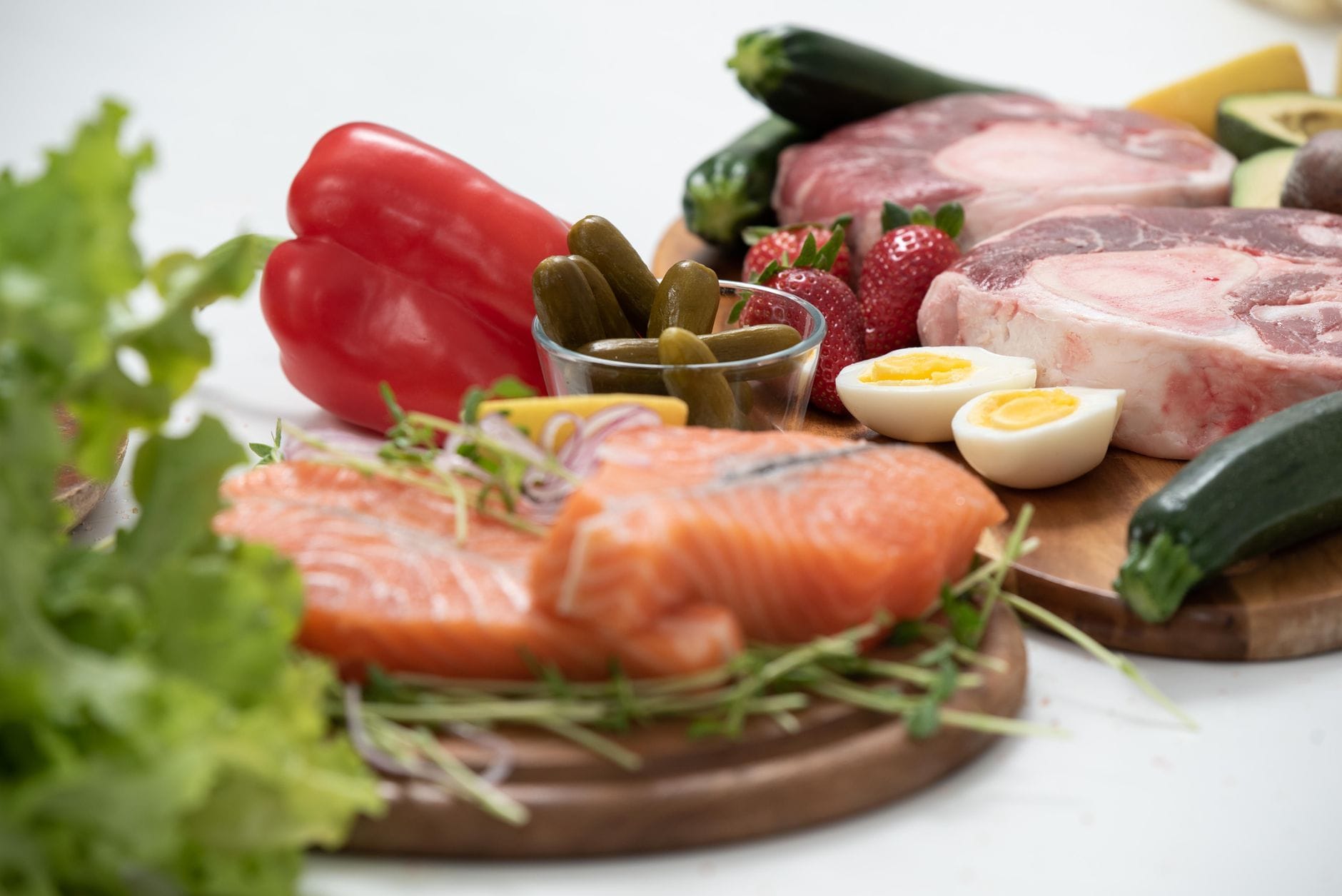
Save- Fruits: apples, berries, bananas, grapes, melons, peaches, plums and citrus
- Vegetables: spinach, broccoli, cauliflower, cabbage, Brussels sprouts, sweet potatoes, turnips and butternut squash
- Meat and seafood: chicken, turkey, beef, pork, salmon, tuna and cod
- Eggs
- Nuts and seeds: almonds, walnuts, pecans, macadamias, chia, flax, pumpkin and sunflower seeds
- Fats and oils: olive oil and avocado oil
Foods excluded
Grains such as wheat, rye, barley, bread and pasta; legumes including beans, lentils, peanuts and soy; dairy products; and processed foods, soft drinks, sweets and added sugar are excluded (3).
Sample 7-Day Paleo Meal Plan
Planning a week ahead makes the diet easier to follow. Swap meals freely; the framework matters more than any single dish.
| Day | Breakfast | Lunch | Dinner |
|---|---|---|---|
| Monday | Scrambled eggs with spinach and avocado | Grilled chicken salad, olive oil and lemon | Baked salmon, roasted broccoli and sweet potato |
| Tuesday | Berries with almonds and coconut flakes | Tuna and cucumber lettuce wraps | Beef stir-fry with peppers and courgette |
| Wednesday | Omelette with mushrooms and peppers | Leftover beef stir-fry over cauliflower rice | Roast chicken thighs, Brussels sprouts, carrots |
| Thursday | Chia pudding made with coconut milk and banana | Chicken and avocado salad | Pork loin, sautéed cabbage, roasted parsnip |
| Friday | Poached eggs with smoked salmon and rocket | Salmon and mixed vegetable salad | Lamb chops, grilled asparagus, sweet potato mash |
| Saturday | Sweet potato hash with fried eggs | Prawn, mango and rocket salad | Slow-cooked beef stew with root vegetables |
| Sunday | Fruit salad with walnuts and coconut | Roast chicken leftovers with a large green salad | Whole roast fish with ratatouille |
For snacks, try boiled eggs, olives, nuts, cut vegetables or fruit. If you are training to lose fat while keeping muscle, see our guide to a cutting diet.
How Paleo Compares With Keto
 Save
SavePaleo and keto both avoid processed foods, but they are built on different rules. Paleo is defined by which food types are allowed, while keto is defined by keeping carbohydrate intake very low. Paleo allows fruit and sweet potatoes, which would push most keto plans over their carbohydrate limit; see our keto diet recipes for comparison. If steadier blood sugar is your main goal, a low-glycemic diet does not require excluding whole food groups.
Risks and Who Should Be Careful
- Iodine deficiency: paleo diets exclude table salt and dairy, two of the largest iodine sources. In a 2-year randomized trial in postmenopausal women, urinary iodine fell by about half within 6 months on a paleo-type diet, and the authors suggested considering iodine supplementation (8).
- Other nutrients: a systematic review found that intakes of thiamine, folate, magnesium, calcium, iron and iodine decreased with carbohydrate-restricted diets, including paleo-style diets (9). Plan calcium sources such as leafy greens and canned fish with bones, or ask about supplements.
- Muscle loss: men with type 2 diabetes lost lean mass on a paleo diet without supervised exercise, while exercise training preserved it (6).
- Medical conditions: people taking diabetes medicine, pregnant or breastfeeding women, people with a history of eating disorders and anyone with a chronic illness should talk to a doctor or dietitian before starting.
Frequently Asked Questions
Does the paleo diet help you lose weight?
In a meta-analysis of 11 randomized studies, people following a paleo diet lost about 3.5 kg more than those on guideline-based diets, with lower BMI and waist circumference. A review of popular diets concluded that paleo leads to weight loss mainly because overall calorie intake falls.
Is the paleo diet good for blood pressure and cholesterol?
Short-term trials suggest improvements. A meta-analysis of 4 randomized trials found greater short-term improvements in waist size, triglycerides and blood pressure than control diets, with moderate-quality evidence. Most studies were small and lasted weeks to months, so long-term effects are unclear.
What nutrients can be low on a paleo diet?
Removing dairy and table salt removes major sources of iodine: in a 2-year trial, women on a paleo-type diet had a higher risk of iodine deficiency. Carbohydrate-restricted diets, including paleo-style diets, have also been linked to lower intakes of calcium, iron, magnesium, folate and thiamine.
How is paleo different from keto?
Paleo is defined by food types, excluding grains, legumes, dairy and processed foods, while keto is defined by keeping carbohydrate intake very low. Paleo allows fruit and starchy vegetables such as sweet potatoes, which would exceed carbohydrate limits on most keto plans.
Who should be careful with the paleo diet?
People with diabetes taking glucose-lowering medicine, pregnant or breastfeeding women, people with a history of eating disorders, and anyone with a chronic condition should talk to a doctor or dietitian first. Plan for iodine and calcium, and consider strength training to protect muscle.
The Bottom Line
A paleo diet plan focuses on whole foods and excludes grains, legumes, dairy and processed foods. Trials show it can support weight loss, mainly by lowering calorie intake, and short-term improvements in waist size, triglycerides and blood pressure, though most studies are small and brief. Plan for iodine and calcium, stay active to protect muscle, and check with a health professional if you have a medical condition. For a less restrictive approach, see our balanced diet guide.
This article is for informational purposes only and is not a substitute for professional medical advice, diagnosis, or treatment. Always consult a qualified healthcare provider before starting a new diet, especially if you are pregnant, breastfeeding, or managing a health condition.
Related Articles
Whole30 Diet: How It Works and What to Weigh
AIP Diet: What the Evidence Shows and Who Should Skip It
Keto Diet Recipes: Easy Breakfasts, Desserts and Safety
Low-Glycemic Diet: GI Food List, Benefits and Limits
Balanced Diet Guide With the 5 Food Groups
Cassava Flour: Nutrition, Safety and Real Comparisons