
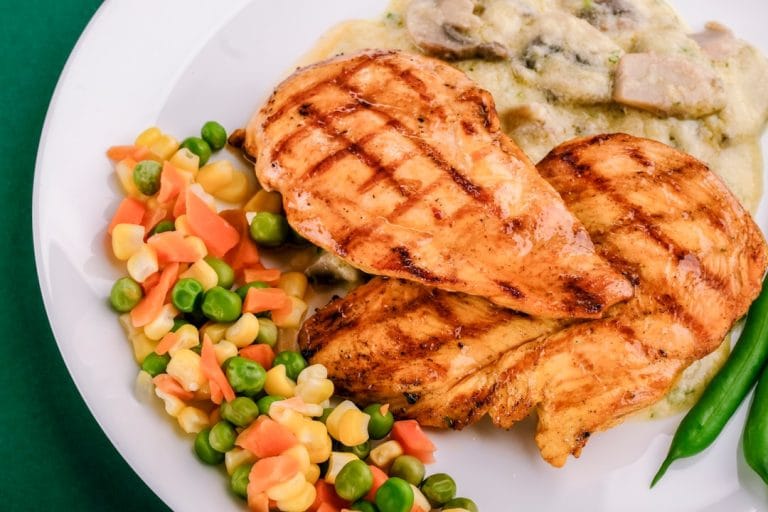
How a cutting diet strips body fat while protecting muscle. Covers how fast to lose, protein, fat and carb targets, a sample day, and who should skip it.
A cutting diet is a planned fat-loss phase built to keep the muscle underneath. Bodybuilders have used it for decades after a bulking phase. The approach has since spread to anyone who wants a leaner look without losing strength.
The mechanics are simple: eat fewer calories than you burn (12), keep protein high, and keep lifting. The execution is where most people go wrong, usually by cutting too fast or too hard.
Key Takeaways
- Aim to lose about 0.5 to 1% of body weight a week. Stay at the slower end if you are already lean (1, 3).
- Protein of roughly 1.8 to 2.7 g per kg a day protects lean mass during the deficit (3).
- Keep fat at 15 to 30% of calories; very low fat intakes lowered testosterone in men in a meta-analysis (2, 8).
- Deficits larger than about 500 calories a day held back muscle gains from resistance training (7).
- A cut is a phase, not a lifestyle, and it is not suitable for everyone (3).
What a Cutting Diet Actually Is
 Save
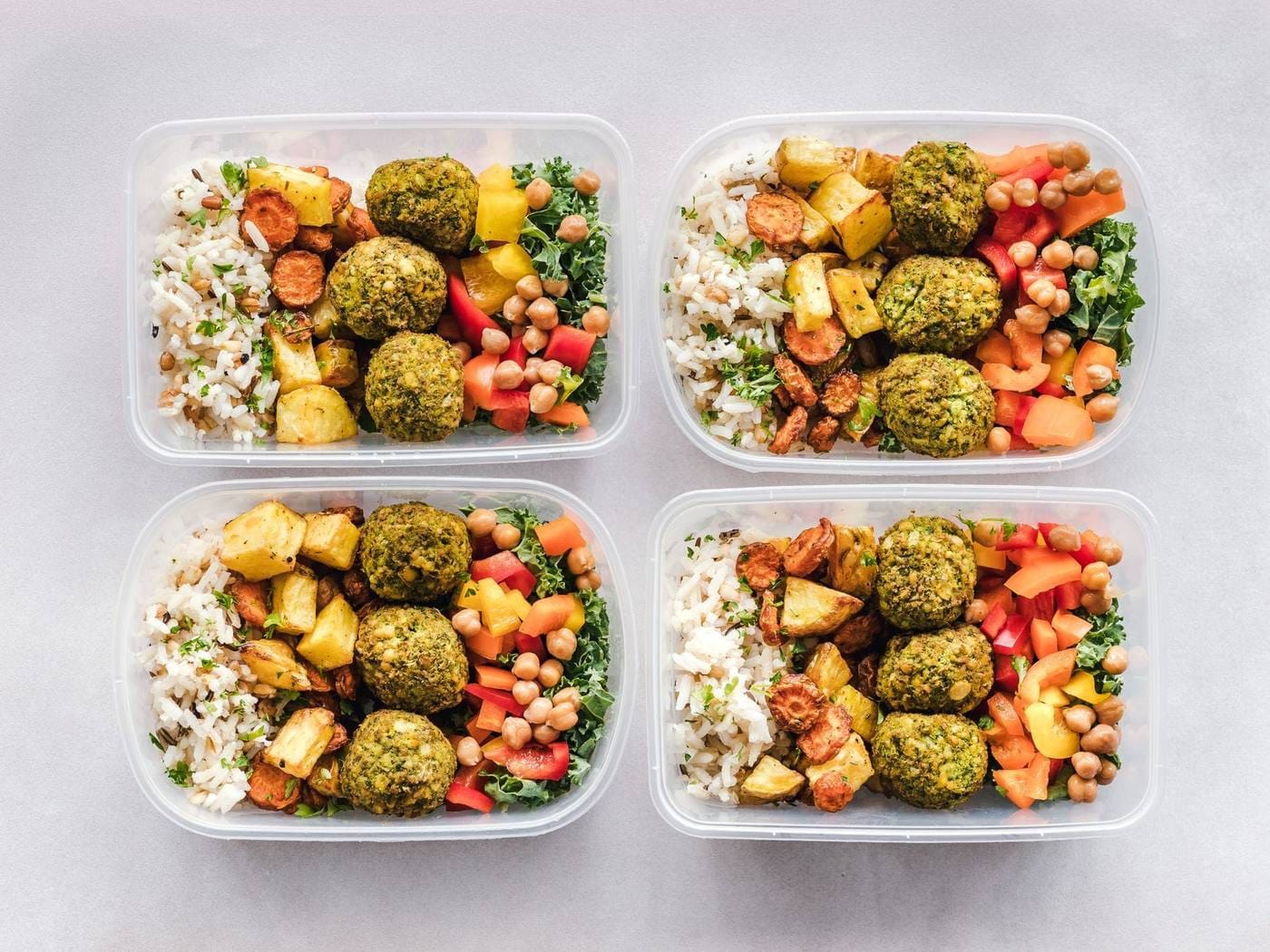
SaveA cut is a sustained calorie deficit combined with resistance training. You run it for a set period, with a target in mind. The deficit drives fat loss (4). The training and protein give your body a reason to hold on to muscle, and the finish line is planned in advance.
For context on where people are aiming, one commonly cited healthy body fat range is 12 to 20% for men and 20 to 30% for women. It comes from an older expert roundtable (10). Competitive bodybuilders go far lower near a show. Reviews report 5.8 to 10.7% for men and 8.1 to 18.3% for women (9). Those contest numbers are held briefly, not maintained.
How Fast Should You Lose?
This is the single most important setting, and the one most people get wrong. Narrative reviews of resistance-trained athletes recommend 0.5 to 1.0% of body weight per week. That range best protects fat-free mass (1), and contest-preparation guidelines use the same range (2). For leaner athletes, 0.5% or less per week is preferable (3).
| Your starting point | Suggested weekly loss | Why |
|---|---|---|
| Higher body fat | Up to about 1% of body weight | A larger deficit is better tolerated when there is more fat to lose (4) |
| Average, training regularly | 0.5 to 1% of body weight | The range that best protects fat-free mass in resistance-trained people (1, 2) |
| Already lean | 0.5% of body weight or less | Slower loss preserves lean mass in leaner athletes (3, 4) |
There is a hard limit worth knowing. In a meta-analysis and meta-regression, a deficit of roughly 500 calories a day was the point where resistance training stopped adding lean mass. Strength gains were still preserved (7). If your goal is to keep muscle, that is the ceiling to respect.
Setting Your Calories
Start from your maintenance intake. It depends on body size, activity and training load (12). Then subtract enough to hit your weekly target, rather than picking a dramatic number. A 0.5 kg weekly loss needs roughly a 500 calorie daily deficit. An 80 kg lifter aiming for 0.5% a week is looking at closer to 400 calories.
Track weight over weeks, not days, and adjust when the average stalls. Our guide to a calorie deficit covers how to estimate maintenance and adjust it.
Protein, Fat and Carbs
| Nutrient | Typical target | What the research says |
|---|---|---|
| Protein | About 1.8 to 2.7 g per kg of body weight | Reviews of physique athletes recommend 1.8 to 2.7 g/kg (3), and 2.2 to 3.0 g/kg for resistance-trained athletes in a fat-loss phase (1). For general weight loss, 1.2 to 1.6 g/kg with 25 to 30 g per meal is enough (5) |
| Fat | 15 to 30% of calories | Contest-prep reviews use 15 to 30% (2), or 10 to 25% when carbohydrate needs are high (3). Going very low has a cost: a meta-analysis found low-fat diets reduced testosterone in men (8) |
| Carbohydrate | Usually 2 to 5 g per kg | Set after protein and fat, and matched to training demands (1) |
| Meals | 3 to 6 per day, 0.4 to 0.55 g/kg protein each | Spreading protein through the day is the practical way to hit the total (1, 2) |
Two clarifications, because this is where most cutting articles go wrong. First, protein. A dose-response meta-analysis found that extra protein kept adding lean mass up to about 1.3 g/kg a day, after which returns diminished (6). Athletes in a deficit are pushed higher, because the deficit itself raises requirements (1). Second, fat: low-fat diets are not “cleaner”. A meta-analysis of intervention studies found total and free testosterone fell on low-fat diets compared with higher-fat diets in men (8).
If you struggle to hit protein from food alone, homemade protein shakes close the gap without much added fat.
A Sample Day
This example lands near 150 g of protein. That suits a person of roughly 70 to 80 kg. Scale portions to your own target:
| Meal | Example | Protein |
|---|---|---|
| Breakfast | Greek yogurt with berries and oats | About 30 g |
| Lunch | Chicken breast, quinoa, large mixed salad | About 40 g |
| Snack | Cottage cheese or a protein shake with fruit | About 25 g |
| Dinner | Salmon or tofu, potatoes, roasted vegetables | About 35 g |
| Evening | Skyr or casein with a handful of berries | About 20 g |
Foods That Earn Their Place
 Save
Save- Lean protein: chicken, turkey, lean beef, white fish, salmon, eggs, tofu, tempeh, cottage cheese, Greek yogurt
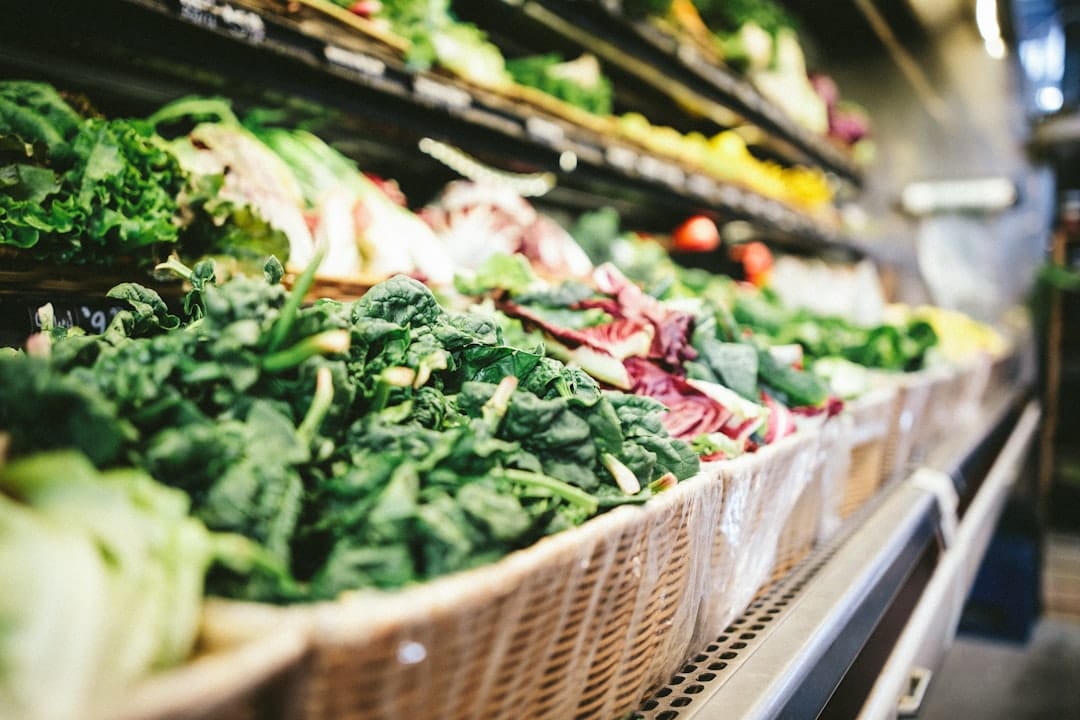
- High-fiber plants: leafy greens, broccoli, peppers, berries, apples, beans and lentils
- Slow carbohydrates: oats, quinoa, potatoes, brown rice, whole-grain bread
- Fats in measured amounts: olive oil, nuts, seeds, avocado
Fiber deserves a special mention on a cut. Fibrous foods have low energy density and can blunt appetite, which makes a deficit easier to hold (11). Our list of high-fiber foods is a good place to start.
What to limit is predictable: sugary drinks, alcohol, fried food, pastries and calorie-dense sauces. None are forbidden, they just spend your calorie budget quickly.
Training While Cutting
Resistance training is what makes a cut different from ordinary dieting. Without it, you lose weight from both fat and muscle. Contest-prep reviews report that bodybuilders keep resistance training volume high while adding aerobic work as the cut progresses (9).
Two or more full-body strength sessions a week is a workable minimum. Our home workout guide and dumbbell plan both fit inside a cut. If you are eating to build rather than lean out, the bodybuilding diet guide covers the other side of the cycle.
Diet Breaks and Refeeds
Long deficits wear people down. Reviews of physique athletes describe intermittent approaches, such as planned diet breaks at maintenance calories and higher-carbohydrate refeeds. They may help with adherence and with limiting fat-free mass loss (3).
Be careful with the claim, though. The ISSN position stand concluded that intermittent calorie restriction has no significant advantage over daily restriction for body composition overall (4). Treat breaks as a tool for sustainability, not a fat-loss trick. If structured eating windows suit you, intermittent fasting is one way to organise the same calories.
Risks and Who Should Skip It
- Pregnant or breastfeeding women, and anyone already at a very low body fat level
- People with a history of disordered eating. Reviews of physique sport flag higher rates of eating and body-image disorders, and recommend access to mental health support (2, 3)
- Anyone with a medical condition or on medication that a calorie deficit could affect, without medical advice
- Teenagers and older adults, whose needs differ and who lose lean mass more easily
Some practices that circulate in bodybuilding are dangerous. Dehydration and electrolyte manipulation in the final days before a show may not even improve appearance (2).
How to End a Cut
A cut needs an exit plan. Reviews of physique athletes treat the post-competition transition as a distinct phase rather than an afterthought (3). Raise calories gradually back toward maintenance and keep protein and training steady. Expect some weight to return as glycogen and water. That is not fat regain.
Frequently Asked Questions
How fast should you lose weight on a cutting diet?
Reviews of resistance-trained athletes suggest losing about 0.5 to 1% of body weight per week. Leaner people should stay at the slower end, because faster loss costs more lean mass. Someone weighing 80 kg would aim for roughly 0.4 to 0.8 kg a week.
How much protein do you need while cutting?
Physique-athlete reviews recommend roughly 1.8 to 2.7 g per kg of body weight a day. In a fat-loss phase, some reviews go up to 3.0 g/kg. For general weight loss without heavy training, 1.2 to 1.6 g/kg is enough. Spread it over meals of 25 to 30 g.
Will you lose muscle on a cutting diet?
Some loss is possible, but it is largely preventable. Keep the deficit moderate: deficits above about 500 calories a day held back muscle gains in a meta-analysis. Keep protein high and keep lifting. Strength usually holds up better than lean mass during a deficit.
How long should a cutting phase last?
Long enough to reach your target at a sustainable rate. For most people that means 8 to 16 weeks, not an open-ended diet. Planned breaks at maintenance calories are used by physique athletes and may help with adherence.
Is a cutting diet safe for everyone?
No. It is not appropriate during pregnancy or breastfeeding. The same applies to people who are already very lean or have a history of disordered eating. Reviews of physique sport specifically flag the higher risk of eating and body-image disorders, so supervision matters.
The Bottom Line
A cutting diet works when the numbers are modest. Lose 0.5 to 1% of body weight a week and keep protein around 1.8 to 2.7 g per kg. Hold fat at 15 to 30% of calories, and keep lifting through the whole phase. Aggressive deficits do not speed things up so much as they cost muscle. Set a finish line and plan how you will come off the diet. Get professional support if you have a health condition or any history of disordered eating.
This article is for informational purposes only and is not a substitute for professional medical advice. Talk to a doctor or registered dietitian before starting a cutting diet. This is especially important if you have a health condition, are pregnant or breastfeeding, or have a history of disordered eating.
Related Articles
Calorie Deficit Diet Guide for Safe Weight Loss
Workouts for a Lean and Fit Body: 15 Moves, No Gym Needed
Dumbbell Workout Plan for Women: 9 Moves and Weekly Plan
High Fiber Foods List and How Much Fiber You Need
Intermittent Fasting for Beginners: 6 Methods and What Works