
How intermittent fasting works, six common schedules, what the latest research says about weight loss, and who should not try it.
Intermittent fasting is an eating pattern that switches between fasting and eating on a regular schedule. Instead of focusing on what you eat, it focuses on when you eat (1). Studies link it to weight loss and improvements in blood sugar and insulin resistance (4, 8), and researchers are also studying its effects on heart health (9).
The latest large reviews add an important reality check: intermittent fasting works about as well as ordinary calorie restriction, not dramatically better (2, 3). This beginner’s guide explains how it works, the main schedules, how to start, and who should skip it.
Key Takeaways
- Intermittent fasting limits eating to set times of day or set days of the week (1).
- Common schedules include 16/8, 5:2, alternate-day fasting, occasional 24-hour fasts, the warrior diet, and skipping a meal.
- Weight loss is similar to regular calorie restriction; alternate-day fasting showed a small extra benefit in shorter trials (2, 3).
- Only water and zero-calorie drinks, such as black coffee and tea, keep a fast intact (1).
- It is not for children and teens, pregnant or breastfeeding people, people with type 1 diabetes on insulin, or anyone with a history of eating disorders (1).
How Intermittent Fasting Works
After several hours without food, your body uses up its sugar stores and starts burning more fat, a change sometimes called metabolic switching (1). Eating throughout your waking hours means you are mostly running on the calories from your last meal.
For many people, a shorter eating window also means eating less overall, which is why intermittent fasting often works the same way as any calorie deficit, just organized by the clock. What you eat still matters: filling your eating window with high-calorie foods or much larger portions is unlikely to lead to weight loss (1).
Six Intermittent Fasting Schedules
Roughly from gentlest to most demanding.
| Schedule | What it asks of you | Worth knowing |
|---|---|---|
| Skipping a meal | Drop one meal on days you are not hungry | The easiest way in |
| 16/8 (daily time-restricted eating) | Eat inside a six to eight hour window, for example 9 a.m. to 5 p.m. (1) | The most common pattern |
| 5:2 | Eat normally five days; on two non-consecutive days have one meal of about 500 to 600 calories (1) | Only two hard days a week |
| Alternate-day fasting | Normal eating days alternating with fasting or very low-calorie days | In trials it produced slightly more weight loss than other methods over shorter periods (2) |
| 24-hour fasts | A full day without food, once or twice a week | Longer fasts of 24 to 72 hours are not necessarily better and may be dangerous (1) — ask your doctor first |
| The warrior diet | Very little during the day, one large meal in the evening | Demanding, and with little research of its own |
 Save
SaveThere is no single correct method. These are the most common, roughly from gentlest to most demanding.
- Skipping a meal. The easiest option: drop one meal, such as breakfast, on days when you are not hungry.
- 16/8 (daily time-restricted eating). Eat within a six- to eight-hour window each day, for example from 9 a.m. to 5 p.m., and fast for the rest (1).
- 5:2. Eat normally five days a week, and on two non-consecutive days have one meal of about 500 to 600 calories (1).
- Alternate-day fasting. Alternate normal eating days with fasting or very low-calorie days. In trials, it produced slightly more weight loss than other methods over shorter periods (2).
- 24-hour fasts. A full day without food, once or twice a week. Longer fasts of 24 to 72 hours are not necessarily better and may be dangerous (1), so talk to your doctor first. Extreme versions such as the snake diet carry real risks.
- The warrior diet. Eating very little during the day and one large meal in the evening. It is a demanding pattern with little research of its own.
What to Eat and Drink
 Save
SaveWhile fasting: water and zero-calorie drinks such as black coffee and tea (1). Juice, coconut water, smoothies, and coffee with milk or sugar contain calories and break the fast.
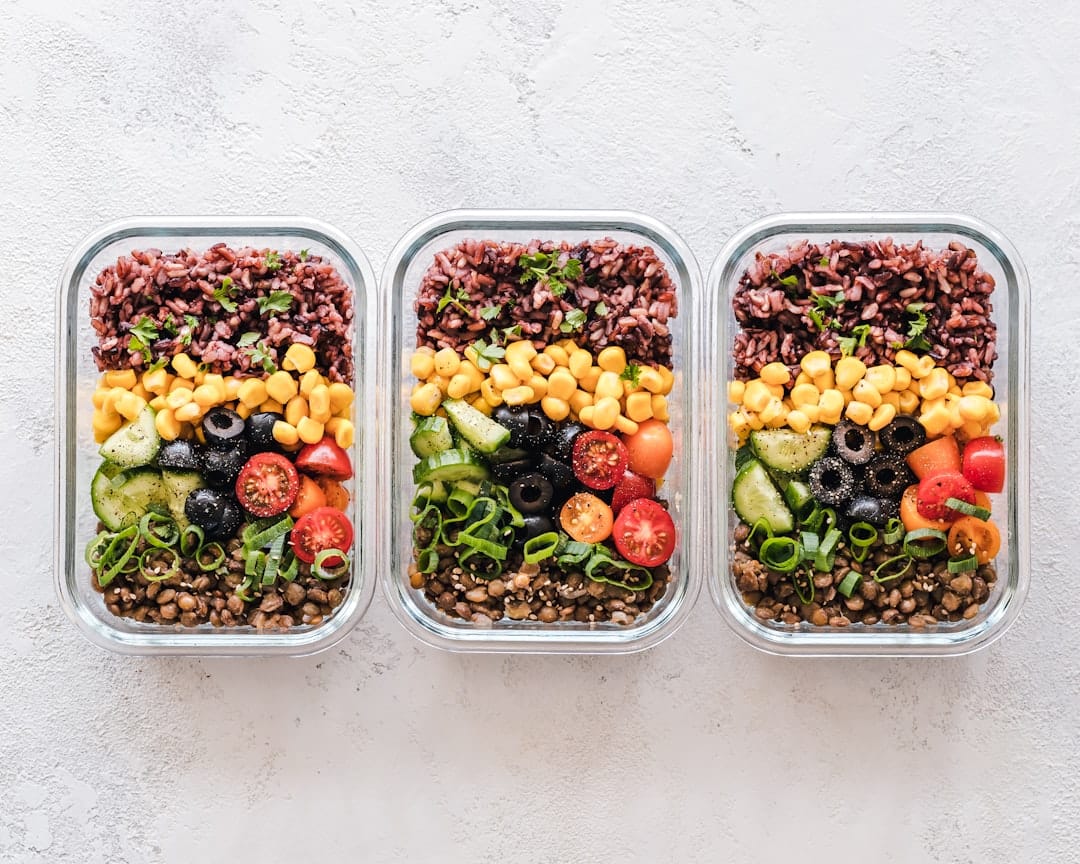
During your eating window: many nutrition experts suggest a Mediterranean-style pattern of leafy greens, healthy fats, lean protein, and whole grains (1). Include enough protein and fiber to stay full, and do not use the window to overeat. On 5:2 fasting days, a vegetable-heavy meal with some protein, such as a large salad with beans, eggs, or fish, helps a small calorie allowance feel more satisfying.
Does Intermittent Fasting Work for Weight Loss?
Yes, but not better than other ways of cutting calories. Here is what the strongest recent evidence shows:
- Similar to calorie restriction. A 2025 BMJ network meta-analysis of 99 randomized trials with 6,582 adults found that all intermittent fasting approaches and continuous calorie restriction reduced body weight compared with unrestricted eating. Alternate-day fasting was the only method to beat continuous calorie restriction, by about 1.3 kg, and in trials lasting 24 weeks or more no method stood out from the others (2).
- No clear advantage over standard advice. A 2026 Cochrane review of 22 studies found that, compared with regular dietary advice, intermittent fasting may make little to no difference in weight loss or quality of life (3).
- People without diabetes. An earlier meta-analysis of 12 trials found modest drops in BMI (about 0.75 kg/m²), fasting glucose (about 4 mg/dL), and insulin resistance (4). A small systematic review of four studies also found reductions in fat mass (10).
- Prediabetes and type 2 diabetes. In a meta-analysis of 14 studies, intermittent fasting lowered weight by about 4.6 kg and HbA1c by about 0.8% compared with control groups (5). Fasting with diabetes needs medical supervision (see below).
Other effects, and what is still uncertain. In people fasting during Ramadan, levels of inflammatory markers, body weight, and body fat were lower during the fasting month (13). Claims about gut bacteria and blood sugar come largely from mouse studies (11, 12). Fasting does raise growth hormone, but that finding comes from a five-day fast in six men (14), and giving growth hormone to people with obesity has little or no effect on weight (15), so it is not a reason to fast.
If blood sugar is your main concern, a low-glycemic diet or an insulin resistance diet tackles it from the food side.
How to Start Without Burning Out
- Talk to your doctor first, especially if you have a health condition or take medication (1).
- Start gently. Try a 12-hour overnight fast, then gradually move toward 14 or 16 hours.
- Give it time. It can take two to four weeks to adjust, and hunger and irritability are common at first (1).
- Stay hydrated with water and zero-calorie drinks.
- Protect your muscle with enough protein and some strength training, the same principles used in a cutting diet.
Side Effects
In a meta-analysis of 15 randomized trials in adults with overweight or obesity, intermittent fasting did not cause more fatigue, headache, or dropouts than control diets, though dizziness was slightly more common with some time-restricted eating schedules (6). The Cochrane review rated the evidence on side effects as very uncertain (3). Talk to your doctor if you notice unusual anxiety, headaches, nausea, or other symptoms (1).
Who Should Not Try Intermittent Fasting
According to Johns Hopkins Medicine, intermittent fasting is not for (1):
- Children and teens under 18.
- People who are pregnant or breastfeeding.
- People with type 1 diabetes who take insulin, because of the risk of dangerously low blood sugar.
- People with a history of eating disorders, because strict fasting windows can trigger restrictive or obsessive eating.
People who are underweight should also avoid it. If you have type 2 diabetes, fasting may be possible, but only with your healthcare provider’s supervision and glucose monitoring, because medicines may need adjusting to avoid low blood sugar (7). A steady diabetes eating plan is often a safer starting point.
Frequently Asked Questions
Which intermittent fasting method is best for beginners?
The daily 16/8 approach, where you eat within an 8-hour window and fast for 16 hours, is a common starting point because much of the fast happens overnight. Skipping one meal is an even gentler way to begin. Pick the schedule you can keep up.
What can I drink while fasting?
Water and zero-calorie drinks such as black coffee and plain tea. Drinks with calories, including juice, coconut water, and milky coffee, break the fast, so keep them for your eating window.
Is intermittent fasting better than regular dieting for weight loss?
Not by much. A 2025 network meta-analysis of 99 trials found intermittent fasting and continuous calorie restriction gave similar results, with alternate-day fasting slightly ahead in shorter trials. A 2026 Cochrane review found little to no difference compared with regular dietary advice. The best approach is the one you can stick with.
How long does it take to get used to intermittent fasting?
It can take two to four weeks for your body to adjust. You may feel hungry or irritable at first. Talk to your doctor if you have unusual anxiety, headaches, nausea, or other symptoms.
Who should not do intermittent fasting?
Children and teens under 18, people who are pregnant or breastfeeding, people with type 1 diabetes who take insulin, and anyone with a history of eating disorders. People who are underweight or have type 2 diabetes on glucose-lowering medicine should only fast with medical supervision.
Are longer fasts better?
No. Fasts of 24, 36, 48, or 72 hours are not necessarily better for you and may be dangerous. Daily time-restricted eating or the 5:2 approach are safer places to start.
The Bottom Line
Intermittent fasting is a flexible way to cut calories by changing when you eat, with options ranging from skipping a meal to alternate-day fasting. The latest research shows it helps with weight loss about as well as regular calorie restriction, so the best choice is the schedule you can keep. Drink only zero-calorie drinks while fasting, eat balanced meals in your eating window, avoid very long fasts, and check with your doctor first, especially if you have diabetes, are pregnant, or have a history of eating disorders.
 Save
SaveThis article is for informational purposes only and is not a substitute for professional medical advice, diagnosis, or treatment. Always consult a qualified healthcare provider before starting intermittent fasting or making significant changes to your diet.
Related Articles
How to Set Up a Calorie Deficit Without Wrecking Your Energy (or Your Muscle)
Low-Glycemic Diet: GI Food List, Benefits and Limits
Insulin Resistance Diet: What the Evidence Backs
South Beach Diet: Phases, Food List, and Does It Work?
Snake Diet: What It Involves and Why It Is Risky
Galveston Diet: How It Works and What the Evidence Shows
500 Calorie Diet Plan: What It Is and Who It Suits