
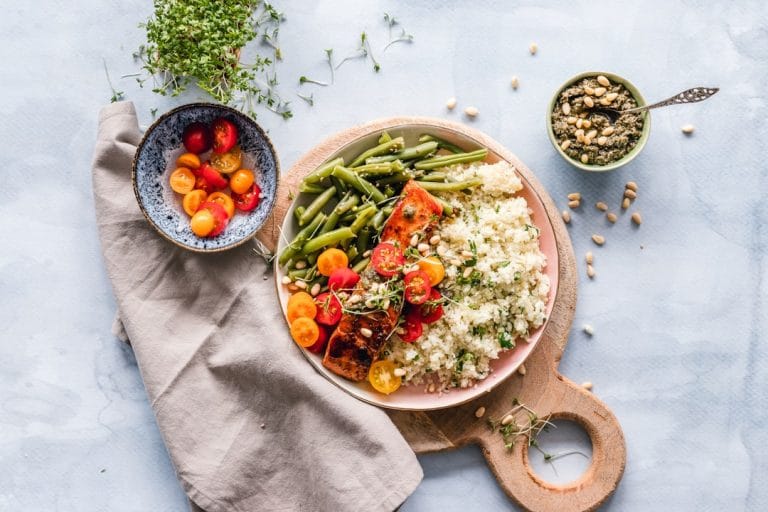
A lower-carb plan built around “good carbs” and “good fats.” Here is how its phases work, what you can eat, what the research says, and who should skip it.
The South Beach diet is a lower-carbohydrate eating plan created by Miami cardiologist Dr. Arthur Agatston and popularized by his 2003 bestselling book. Instead of cutting out a whole food group, it asks you to swap refined carbs and saturated fat for lean protein, vegetables, unsaturated fats, and high-fiber carbohydrates. It starts strict and becomes more flexible over time.
The plan has changed since the book. The classic version begins with a strict two-week phase before carbohydrates are gradually added back (1). Today’s commercial program uses net carb targets instead: 50 grams or less a day while losing weight, and up to about 100 grams a day for maintenance (2). This guide explains both, then looks honestly at whether the South Beach diet works and whether it is right for you.
Key Takeaways
- The South Beach diet is a lower-carb, higher-protein plan that favors lean protein, vegetables, unsaturated fats, and whole grains.
- The current program caps net carbs at 50 g a day for weight loss and about 100 g a day for maintenance (2).
- It can produce weight loss, but large reviews find only small differences between popular named diets (4, 5).
- Many claims in the original book were not fully supported by research (11).
- People with diabetes, kidney disease, a history of eating disorders, or who are pregnant should get medical advice first (12).
How the South Beach Diet Works
The plan is built on two ideas. First, not all carbohydrates are equal: refined starches and added sugars are limited, while vegetables, legumes, whole grains, and eventually fruit are encouraged. Second, not all fats are equal: saturated fat from butter and fatty meats is limited in favor of olive oil, nuts, avocado, and fish. If cost is a factor, pomace olive oil is the cheaper refined option and what the research says about it is worth knowing.
Both ideas line up with broader nutrition research. In a large Harvard study following more than 127,000 adults for up to 30 years, replacing saturated fat with polyunsaturated fat, monounsaturated fat, or whole-grain carbohydrates was linked to a lower risk of heart disease, while carbohydrates from refined starches and added sugars were linked to a higher risk (7). Lower-carbohydrate meals may also keep hunger at bay a little longer: in one controlled feeding study, overweight adults reported lower appetite three to four hours after a lower-carbohydrate, higher-fat breakfast than after a higher-carbohydrate one (8).
South Beach diet macros. The official program sets limits on net carbs, which it defines as total carbohydrates minus fiber and erythritol, rather than fixed fat and protein percentages (2):
| Phase | Goal | Net carbs per day |
|---|---|---|
| Weight loss | Lose weight until you reach your goal | 50 g or less |
| Maintenance | Keep the weight off long term | Up to about 100 g |
The South Beach Diet Phases
 Save
SaveMost people still search for the classic three-phase structure from the book, so here it is, alongside how the modern program handles each stage.
Phase 1: the strict start
In the classic plan, Phase 1 lasts two weeks (1). You eat lean meat, poultry, fish and seafood, eggs, tofu, reduced-fat cheese, nuts, legumes, and non-starchy vegetables. Bread, rice, pasta, potatoes, baked goods, sugar, fruit, and alcohol are off the menu. The aim is to reduce cravings for sweet and starchy foods. Some people feel tired, irritable, or hungry during the first days while they adjust.
Phase 2: bringing carbs back
Phase 2 continues until you reach your goal weight. High-fiber carbohydrates such as whole grains, fruit, and more vegetables are gradually reintroduced, one serving at a time, while you watch how your hunger, energy, and weight respond. If weight loss stalls or cravings return, the plan suggests tightening up again. In the current program, this stage is folded into the weight loss phase, with net carbs kept at 50 g or less (2).
Phase 3: maintenance for life
Phase 3 has no end date. No foods are strictly banned, but the principles stay the same: mostly whole foods, lean protein, unsaturated fats, and high-fiber carbs, with treats in moderation. In the current program, maintenance allows up to about 100 grams of net carbs a day (2). In practice, this looks a lot like a balanced diet without counting every calorie.
South Beach Diet Food List
| Eat | Limit or avoid (especially early on) |
|---|---|
| Skinless poultry, lean beef and pork, fish, shellfish, eggs, tofu | Fatty and processed meats |
| Non-starchy vegetables: leafy greens, broccoli, zucchini, peppers, cauliflower | Potatoes and other starchy vegetables |
| Beans, lentils, chickpeas | White bread, white rice, regular pasta, baked goods |
| Olive oil, canola oil, nuts, seeds, avocado | Butter and other high-saturated-fat foods |
| Low-fat or reduced-fat dairy and cheese | Full-fat cheese, sugary yogurts |
| Whole grains and fruit (reintroduced after the strict start) | Sugar, sweets, juice, soda, alcohol |
A sample day
 Save
Save- Breakfast: vegetable omelet made with eggs, spinach, and peppers.
- Lunch: grilled chicken salad with leafy greens, tomatoes, olives, and an olive oil dressing.
- Snack: a small handful of almonds or reduced-fat string cheese.
- Dinner: baked salmon with roasted broccoli and a side of lentils.
In later phases you might add oatmeal or berries at breakfast, or brown rice at dinner.
Does the South Beach Diet Work?
For weight loss, it can. In a 12-week study of 20 adults with metabolic syndrome who followed the commercial South Beach diet (two weeks of Phase 1, then Phase 2), average weight fell from 93.5 kg to 88.3 kg, and waist size and fasting insulin also dropped. Hunger ratings and the hunger hormone ghrelin went up, though (1). This was an observational study with no control group.
A 12-week randomized trial of 60 adults found that a modified low-carbohydrate diet like South Beach produced more weight loss than a standard low-fat cholesterol-lowering diet (13.6 lb vs 7.5 lb) (3). That trial was run by the Agatston Research Institute, founded by the diet’s creator. In people recovering from gastric bypass surgery, a South Beach-style diet did not lead to more weight loss than a low-fat diet over 12 months (13).
The bigger picture matters most. A JAMA meta-analysis of 48 randomized trials found that low-carbohydrate and low-fat diets both produced meaningful weight loss, but the differences between individual named diets were small, supporting whichever diet a person can stick to (4). A later BMJ analysis of 121 trials found that weight loss and improvements in heart risk factors largely faded by 12 months for almost all popular diets (5).
It is also worth knowing that when researchers checked 42 nutrition “facts” from the original South Beach Diet book against published studies, only a third were clearly supported, and the claim that the diet had been “scientifically studied and proven effective” had no supporting papers at the time (11).
South Beach Diet Pros and Cons
Pros
- Emphasizes lean protein, vegetables, unsaturated fats, and high-fiber carbs, in line with evidence on heart health (7).
- Less restrictive than keto, and no food group is banned for life.
- Clear structure and a gradual shift toward long-term habits.
- No special products are required; you can cook your own meals.
Cons
- The strict start can be hard to follow and may leave you hungry or tired.
- Rapid early weight loss is partly water and may not last. The CDC notes that people who lose about 1 to 2 pounds a week are more likely to keep it off (6).
- An analysis of suggested daily menus from popular diet plans, including South Beach, found none met the recommended intake for every vitamin and mineral from food alone (9).
- Long-term evidence specific to South Beach is limited, and many of the book’s claims were not fully supported (11).
- Harder for vegans and vegetarians, since the early phase relies heavily on animal protein.
Side Effects and Who Should Avoid It
Common early side effects of cutting carbs include fatigue, headache, irritability, and constipation if fiber intake falls. Serious problems are rare, but they happen: doctors reported a 30-year-old man who developed ketoacidosis, a dangerous build-up of acids in the blood, after three weeks on the South Beach diet, during which he lost 16 pounds. He recovered after treatment and stopping the diet (10).
Is the South Beach diet good for diabetics? The American Diabetes Association says there is no ideal percentage of calories from carbohydrate, protein, and fat for everyone with diabetes. Low-carbohydrate eating patterns, especially very low-carb ones, have been shown to reduce A1C and the need for glucose-lowering medicine, which is exactly why medication may need adjusting. The ADA also notes that more research is needed before very low-carb plans can be recommended for people with chronic kidney disease, disordered eating, or during pregnancy (12). If you have diabetes, plan any change with your doctor or dietitian. Our diabetes diet guide covers other eating patterns.
Talk to a doctor before starting if you:
- Have diabetes, especially if you take insulin or other glucose-lowering medicine.
- Have kidney disease.
- Are pregnant or breastfeeding.
- Have a history of disordered eating.
South Beach Diet vs Keto and Other Diets
| South Beach | Keto | |
|---|---|---|
| Carbs | Low at first (50 g net carbs), then up to about 100 g | Very low, kept low to maintain ketosis |
| Fat | Mostly unsaturated; saturated fat limited | High fat, including saturated fat |
| Whole grains and fruit | Reintroduced over time | Mostly avoided |
| Flexibility | Becomes flexible in maintenance | Stays restrictive |
If glycemic index is what draws you to South Beach, a low glycemic diet applies the same idea with fewer rules. The Dukan diet is another phased plan, but far more protein-heavy. If you would rather keep carbs on some days, compare carb cycling, and if you eat mostly plants, a plant-based diet may suit you better. Whatever you choose, weight loss still comes down to a sustainable calorie deficit.
Frequently Asked Questions
Does the South Beach diet work?
It can help you lose weight, like most structured diets. In a small study of adults with metabolic syndrome, people lost about 5 kg (11 lb) in 12 weeks on the South Beach diet. Large reviews of named diets, however, find only small differences between them, and weight loss tends to shrink by 12 months. The best diet is the one you can stick with.
Is the South Beach diet healthy and safe?
Its focus on lean protein, vegetables, unsaturated fats, and whole grains fits general healthy-eating advice, and it is less restrictive than keto. The strict early phase can cause fatigue or cravings, sample menus from the book may fall short on some vitamins and minerals, and at least one case of ketoacidosis has been reported in a person following it. Check with your doctor if you have a medical condition.
Is the South Beach diet good for diabetics?
It may be an option, but talk to your doctor first. The American Diabetes Association says there is no single ideal carbohydrate, protein, and fat split for everyone with diabetes, and that low-carbohydrate eating can lower A1C and reduce the need for glucose-lowering medicine. Because medication may need adjusting, do not cut carbs sharply without medical supervision.
How many carbs can you eat on the South Beach diet?
The current official program limits you to 50 grams of net carbs a day during the weight loss phase, and up to about 100 grams of net carbs a day during maintenance. Net carbs are total carbohydrates minus fiber and erythritol.
What is the difference between the South Beach diet and keto?
Both are low in carbohydrates, but keto usually limits carbs much more strictly to keep the body in ketosis and allows plenty of saturated fat. South Beach allows more carbohydrates, reintroduces whole grains and fruit, and emphasizes lean protein and unsaturated fats.
How much weight can you lose on the South Beach diet?
Early weight loss is often faster, partly from water. For lasting results, the CDC notes that people who lose about 1 to 2 pounds a week are more likely to keep the weight off.
The Bottom Line
The South Beach diet is a lower-carb plan that starts strict and loosens into a sensible long-term eating pattern based on lean protein, vegetables, unsaturated fats, and high-fiber carbs. It can help you lose weight, but so can most structured diets, and the evidence does not show it beats other approaches in the long run. Choose it if the structure suits you, skip the strict start if it leaves you miserable, and talk to your doctor first if you have diabetes, kidney disease, or another medical condition.
This article is for informational purposes only and is not a substitute for professional medical advice. Consult a qualified healthcare provider before starting any new diet, especially if you have a medical condition or take medication.
Related Articles
How to Set Up a Calorie Deficit Without Wrecking Your Energy (or Your Muscle)
How to Eat a Balanced Diet Without Counting Every Calorie
The Carb Cycling Diet Plan That Lets You Keep Your Pasta (Some Days)
A Beginner’s Guide to Intermittent Fasting (and 6 Ways to Actually Do It)
9 Reasons a Plant-Based Diet Might Be the Smartest Change You Make This Year
Okra Water: What the Trials Actually Show
Whole30 Diet: How It Works and What to Weigh