

How a carb cycling diet plan works, what studies on refeeds and diet breaks actually show, and a sample week you can adapt.
A carb cycling diet plan alternates higher-carbohydrate days with lower-carbohydrate days, usually matching more carbs to hard training days and fewer to rest days. The approach comes from bodybuilding, where competitors use weekly higher-carbohydrate “refeed” days during dieting (6).
The idea is appealing, but research on carb cycling itself is limited. Here is what the evidence on refeeds, diet breaks, and low-carb diets shows, and how to try carb cycling sensibly.
Key Takeaways
- Carb cycling alternates higher-carb and lower-carb days, often based on training.
- In a small trial, a weekly 2-day carbohydrate refeed produced similar fat loss to continuous dieting (3).
- Low-carb and low-fat diets led to similar weight loss after 12 months in a large randomized trial (2).
- Low-carb diets work in the short term, but benefits tend to fade after about 6 months (1).
- Total calories and adequate protein matter more than carb timing for fat loss and muscle (11).
What Is Carb Cycling?
Carb cycling means planning your carbohydrate intake so it changes from day to day or week to week. Common patterns include:
- Training-based: more carbs on hard training days, fewer on rest days.
- Weekly refeeds: lower carbohydrate intake for most of the week, with one or two higher-carbohydrate days, a strategy described by competitive bodybuilders (6).
- Diet breaks: periods of eating at maintenance between blocks of dieting (5).
Carb cycling is a close relative of calorie cycling. For that approach, see our guide to the metabolic confusion diet.
How Carb Cycling Is Supposed to Work
 Save
SaveSupporters say higher-carb days refill muscle glycogen for hard workouts, while lower-carb days help reduce total calories. Bodybuilders interviewed in one study said they use weekly refeed days to offset drops in metabolic rate and fatigue during dieting, but the authors noted this strategy still needs research (6).
The effects of carbohydrate on insulin sensitivity are more complicated than often claimed. A review explains that low-carb diets lower insulin responses after meals but may raise fasting glucose, and their effects depend on what replaces the carbohydrate (10). In a small crossover study in healthy adults, a moderately high-carbohydrate diet based mainly on complex carbs improved glucose tolerance and lowered total and LDL cholesterol compared with a high-fat, lower-carb diet (9).
What the Research Shows
Refeeds and diet breaks
- Weekly carb refeeds: 27 resistance-trained adults ate about 25% below their energy needs for 7 weeks, either continuously or with two higher-carbohydrate days each week. Both groups lost similar amounts of weight and fat. The authors reported better preservation of lean mass and resting metabolic rate in the refeed group (3), but an independent reanalysis found only one lean mass measure actually differed (4).
- Diet breaks: in 38 resistance-trained women, taking one week at maintenance after every two weeks of dieting did not improve body composition or metabolic rate compared with continuous dieting, although it reduced disinhibited eating (5).
Low-carb vs other diets
In the DIETFITS trial, 609 adults followed a healthy low-fat or healthy low-carbohydrate diet for 12 months. Weight loss was similar: 5.3 kg with low-fat and 6.0 kg with low-carb, a difference that was not statistically significant (2). A review of low-carb diets found good short-term results for fat loss and type 2 diabetes, but disappointing longer-term efficacy, restricted food choices, and often lower fiber intake (1).
Performance and muscle
In CrossFit athletes, three days of higher carbohydrate intake did not significantly improve performance compared with a usual moderate-carb intake (8). Bodybuilders who carbohydrate-loaded after a period of depletion had increased muscle thickness before competition, but many reported constipation or diarrhea (7). Adequate protein, about 0.8 to 1.2 g/kg of body weight a day, helps preserve lean mass during weight loss, and the success of many “low-carb” diets may be due to their higher protein content (11).
Sample Carb Cycling Week
 Save
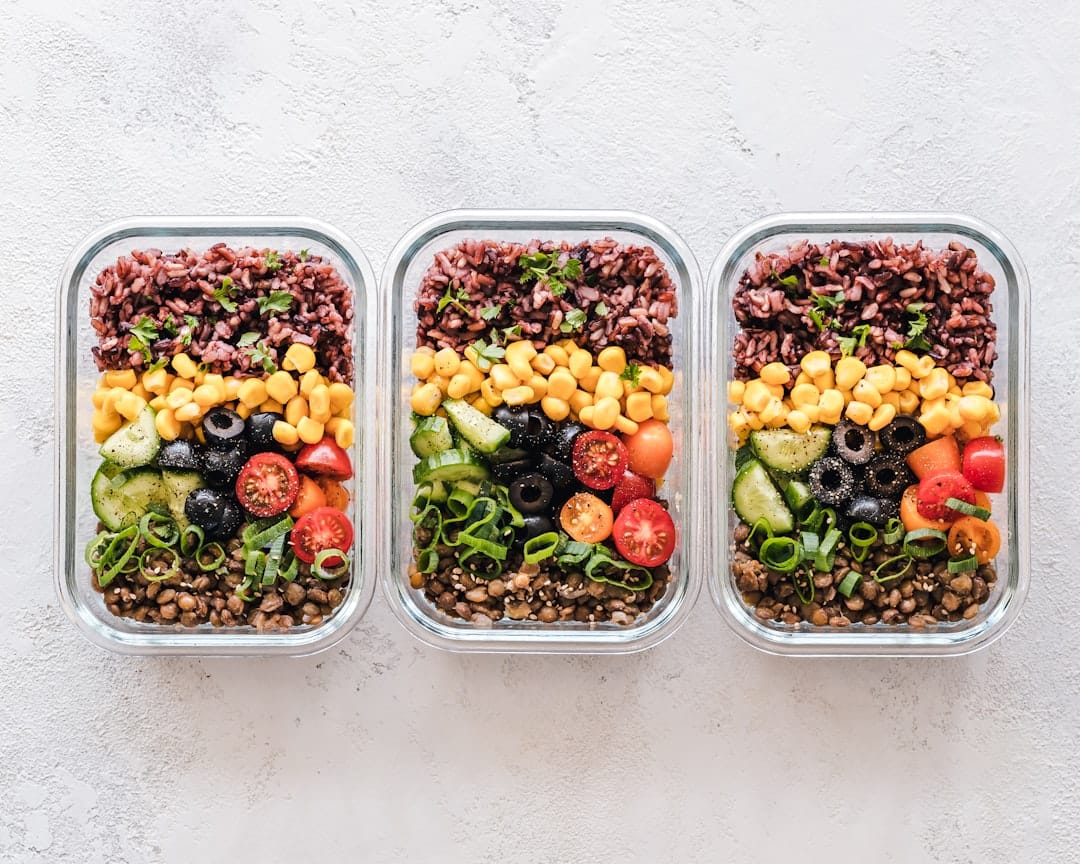
SaveThis example places higher-carb days on hard training days. It is a template, not a prescription: adjust portions to your calorie needs, goals, and activity level. Keep protein adequate every day (11), and choose fiber-rich carbohydrates, since low-carb eating often reduces fiber intake (1).
| Day | Carb level | Activity | Example foods |
|---|---|---|---|
| Monday | Higher carb | Hard training (e.g. heavy legs) | Oats, fruit, rice or potatoes, lean protein, vegetables |
| Tuesday | Lower carb | Rest or light activity | Eggs, fish or tofu, leafy greens, non-starchy vegetables, nuts |
| Wednesday | Moderate carb | Moderate training | Whole-grain bread or quinoa, beans, lean protein, vegetables |
| Thursday | Higher carb | Hard training | Brown rice, lentils, fruit, lean protein, vegetables |
| Friday | Lower carb | Rest | Chicken or tofu, salad with olive oil, non-starchy vegetables, yogurt |
| Saturday | Moderate carb | Moderate training | Potatoes or whole-grain pasta, fish, vegetables, fruit |
| Sunday | Lower carb | Rest | Omelet with vegetables, beans or fish, leafy greens, seeds |
For more carbohydrate choices, see our list of high fiber foods, and to set your calorie target, see our calorie deficit guide.
Downsides and Who Should Be Careful
- Carb cycling adds planning and tracking, and there is little direct evidence that it beats simpler approaches (2, 3).
- Large swings in carbohydrate intake can cause digestive symptoms; bodybuilders commonly reported constipation and diarrhea around carb depletion and loading (7).
- Low-carb days can reduce fiber intake if they are not planned well (1).
Talk to your doctor first if you have diabetes, especially if you take insulin or other glucose-lowering medicines, since changing carbohydrate intake affects blood sugar. Carb cycling is also not recommended during pregnancy or breastfeeding, or if you have a history of disordered eating.
Frequently Asked Questions
Does carb cycling work for weight loss?
Carb cycling can help with weight loss when it creates an overall calorie deficit, but there is little research showing it works better than other diets. In a small trial, weekly 2-day carbohydrate refeeds during dieting led to similar fat loss as continuous dieting, and in a large 12-month trial, low-carb and low-fat diets produced similar weight loss.
How many low-carb days should I have?
There is no evidence-based number. A common template is two or three higher-carb days on hard training days and the rest lower or moderate, adjusted to your goals and activity. What matters most for fat loss is your total weekly calorie intake.
Is carb cycling better than a low-carb diet?
There are no trials directly comparing carb cycling with a standard low-carb diet. Reviews find low-carb diets work well in the short term but their benefits fade after about 6 months, and planned higher-carb days may make eating patterns easier for some people to maintain.
Can carb cycling help build muscle?
Adequate protein and resistance training are the main factors for keeping and building muscle. In one small study, weekly carbohydrate refeeds appeared to preserve lean mass better than continuous dieting, but a reanalysis found the difference was limited to one measure.
Who should avoid carb cycling?
People with diabetes, especially those taking insulin or other glucose-lowering medicines, should talk to their doctor first. It is also not recommended during pregnancy or breastfeeding, or for people with a history of disordered eating.
The Bottom Line
A carb cycling diet plan matches carbohydrate intake to training, with more carbs on hard days and fewer on rest days. Small studies suggest weekly refeeds and diet breaks give similar fat loss to continuous dieting, and large trials show low-carb and low-fat diets work about equally well over a year. If carb cycling helps you stick to a calorie deficit and fuel your training, it can be a reasonable option; keep protein adequate, choose fiber-rich carbohydrates, and focus on your total weekly intake.
This article is for informational purposes only and is not a substitute for professional medical advice, diagnosis, or treatment. Always consult a qualified healthcare provider before starting any new diet, especially if you have diabetes, are pregnant or breastfeeding, or have a history of disordered eating.
Related Articles
Metabolic Confusion Diet: Does Calorie Cycling Work?
Intermittent Fasting for Beginners: 6 Methods and What Works
Cutting Diet Guide for Fat Loss and Muscle
Bodybuilding Diet: Protein, Calories and Meal Plan Guide
Insulin Resistance Diet: What the Evidence Backs
Lamb Nutrition: The Numbers and the Trade-Offs