

An evidence-based bodybuilding diet: calorie, protein, fat and carb targets for bulking and cutting from peer-reviewed sports nutrition reviews, with a worked example for an 80 kg lifter.
A bodybuilding diet is an eating plan built to support muscle gain during an off-season and fat loss before a competition. The numbers behind it are well studied: sports nutrition reviews give specific targets for calories, protein, fat and carbohydrate in each phase (1, 2).
Many popular bodybuilding practices, however, lack scientific support and can be harmful to health (1). This guide keeps to the evidence-based targets and shows how to turn them into a daily plan.
Key Takeaways
- For building muscle, 1.6-2.2 g of protein per kg of body weight per day is a well-supported range (1, 3).
- Protein beyond about 1.6 g/kg per day added no further muscle in a 49-trial meta-analysis (4).
- In the off-season, a 10-20% calorie surplus with slow weight gain limits fat gain (1).
- Before a contest, losing 0.5-1% of body weight per week helps preserve muscle (2).
- Meal timing matters far less than total intake (2).
What a Bodybuilding Diet Is
 Save
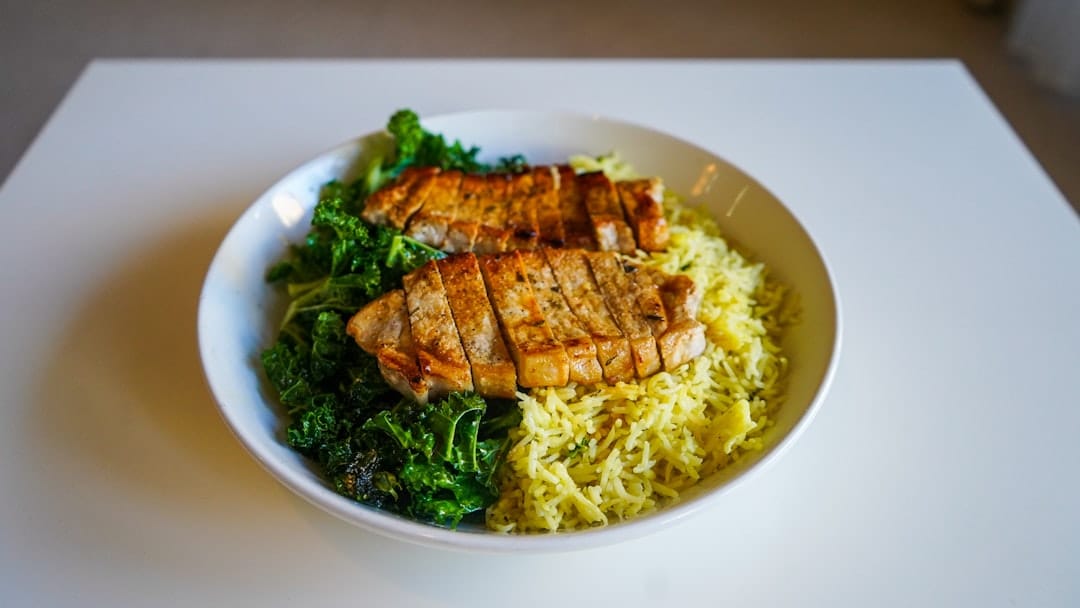
SaveBodybuilders train to build as much muscle as possible and then reduce body fat so that muscle is visible. The diet follows that cycle. In the off-season, the goal is to add muscle without unnecessary fat. During contest preparation, the goal is to lose fat while keeping as much muscle as possible (1, 2).
The same principles apply to recreational lifters who want to gain muscle or lean out. You do not need to compete to use them. If you want the detail of each phase, see our guides to the bulking diet and the cutting diet.
Evidence-Based Targets for Each Phase
These targets come from two peer-reviewed reviews written for natural bodybuilders, one for the off-season and one for contest preparation (1, 2):
| Target | Off-season (bulking) | Contest prep (cutting) |
|---|---|---|
| Calories | About 10-20% above maintenance (1) | Below maintenance (2) |
| Rate of weight change | Gain about 0.25-0.5% of body weight per week for novice and intermediate lifters; advanced lifters should aim lower (1) | Lose about 0.5-1% of body weight per week to keep muscle (2) |
| Protein | 1.6-2.2 g per kg of body weight per day (1) | 2.3-3.1 g per kg of lean body mass per day (2) |
| Fat | 0.5-1.5 g per kg per day (1) | 15-30% of calories (2) |
| Carbohydrate | The remaining calories, at least 3-5 g per kg per day (1) | The remaining calories (2) |
| Meals | 3-6 meals, 0.40-0.55 g/kg protein each (1) | 3-6 meals, 0.4-0.5 g/kg protein before and after training (2) |
Notice that protein in the cutting column is based on lean body mass, not total body weight. Protein needs rise during a diet because the body is more likely to break down muscle when calories are low (2, 3).
Worked Example: an 80 kg Lifter in the Off-Season
| Target | 80 kg lifter | Based on |
|---|---|---|
| Protein per day | 128-176 g | 1.6-2.2 g/kg |
| Protein per meal | 32-44 g | 0.40-0.55 g/kg |
| Fat per day | 40-120 g | 0.5-1.5 g/kg |
| Carbohydrate per day | at least 240-400 g | at least 3-5 g/kg |
| Weekly weight gain | 0.2-0.4 kg | 0.25-0.5% of body weight |
To set calories, estimate your maintenance intake and add 10-20% (1). Then track body weight weekly. If you gain faster than the target rate, reduce calories slightly; if the scale does not move for 2 to 3 weeks, add a little. Advanced lifters gain muscle more slowly and should use the lower end of the range (1).
Protein: How Much Is Enough
Protein gets most of the attention, and the research gives clear numbers. The International Society of Sports Nutrition (ISSN) states that 1.4-2.0 g/kg per day is sufficient for most exercising people to build and maintain muscle (3).
A meta-analysis of 49 trials with 1,863 participants found that protein supplements increased gains in strength and muscle during resistance training. Past a total intake of about 1.62 g/kg per day, extra protein produced no further gain in fat-free mass (4). One author reported funding from the US National Dairy Council, which supported some of the trials reviewed.
How you spread protein across the day matters a little. A review by Schoenfeld and Aragon suggests about 0.4 g/kg per meal over at least four meals, reaching at least 1.6 g/kg per day (5). Food first is fine: the ISSN notes that daily needs can be met through whole foods, with supplements as a practical option (3). Our homemade protein shakes are one easy way to fill a gap.
Carbohydrates and Fat
Once protein is set, fat and carbohydrate fill the rest of your calories. In the off-season, the review recommends moderate fat at 0.5-1.5 g/kg and enough carbohydrate, at least 3-5 g/kg, to fuel resistance training (1). During contest prep, fat typically makes up 15-30% of calories and carbohydrate the remainder (2).
If you struggle to eat enough during a bulk, calorie-dense whole foods help. Our list of high-calorie foods for weight gain has practical options.
Foods to Build Meals Around
- Protein: chicken, turkey, fish, eggs, lean beef, Greek yogurt, milk, tofu, lentils and beans
- Carbohydrates: rice, oats, potatoes, whole-grain bread, pasta and fruit
- Fats: olive oil, nuts, seeds and avocado
- Vegetables: a variety at most meals for fiber, vitamins and minerals
There is no need to eat only “clean” foods. What matters most for body composition is hitting your calorie and protein targets consistently, built mainly on nutritious whole foods as part of a balanced diet.
Meal Timing and Frequency
 Save
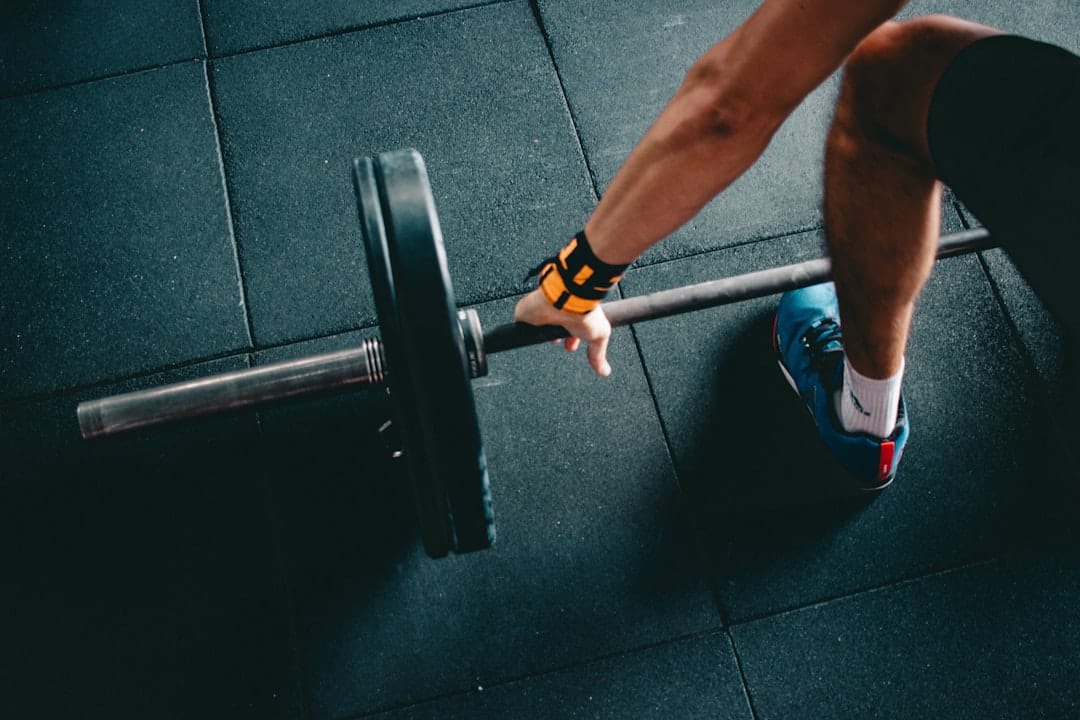
SaveReviews suggest 3-6 meals a day, with a protein-containing meal before and after training (1, 2). However, changes in nutrient timing and meal frequency appear to have little effect on fat loss or muscle retention (2). The ISSN notes that the muscle-building effect of a workout lasts at least 24 hours, so there is no narrow window you must hit (3).
Supplements With Evidence
Among popular supplements, reviews for bodybuilders found support for only a few (1, 2):
- Creatine monohydrate: 3-5 g per day
- Caffeine: the off-season review suggests 5-6 mg per kg of body weight
- Beta-alanine: 3-5 g per day
Many other supplements marketed to bodybuilders did not show benefits or need more study (2). Check with a doctor before using caffeine at these doses, especially if you have heart problems, high blood pressure or anxiety.
Risks and Practices to Avoid
- Dehydration and water manipulation before a show. This practice can be dangerous and may not even improve appearance (2).
- Eating disorders and body image problems. Aesthetic sports carry a higher risk, and competitors should have access to mental health professionals (2).
- Losing weight too fast. Faster loss than 0.5-1% of body weight per week puts muscle at risk (2).
- Existing kidney disease. In healthy people, reviews found no evidence that higher protein intake triggers kidney disease or stones (6). If you already have kidney disease, ask your doctor before raising protein.
Frequently Asked Questions
How much protein do bodybuilders need?
The ISSN position stand says 1.4 to 2.0 g of protein per kg of body weight per day is enough for most people who train. A review for bodybuilders in the off-season recommends 1.6 to 2.2 g/kg. During a diet, 2.3 to 3.1 g per kg of lean body mass may help keep muscle.
Is there a point where more protein stops helping?
For muscle gain, a meta-analysis of 49 trials found that extra protein did not add more fat-free mass once total intake passed about 1.62 g/kg per day. Higher intakes are mainly useful during a calorie deficit.
Is a high-protein diet bad for your kidneys?
In healthy people, an umbrella review for the German Nutrition Society found no evidence that higher protein intake triggers kidney stones or kidney disease, though long-term data are limited. People who already have kidney disease should follow their doctor’s advice on protein.
How many meals a day should a bodybuilder eat?
Reviews for bodybuilders suggest 3 to 6 meals, with protein spread evenly. Changes in meal timing and frequency appear to have little effect on fat loss or muscle retention, so choose a pattern you can keep.
Do you need to bulk and cut?
Competitive bodybuilders usually alternate a muscle-gain phase with a fat-loss phase before a show. Recreational lifters can use the same principles, but a small calorie surplus with slow weight gain limits unnecessary fat gain.
The Bottom Line
A bodybuilding diet does not need extreme rules. Eat 1.6-2.2 g of protein per kg of body weight a day, run a small calorie surplus to build muscle and a moderate deficit to lose fat, and let carbohydrates and fat fill the rest. Spread protein over several meals, but do not worry about perfect timing. Pair the plan with consistent training, such as these strength-building workouts, and adjust based on how your weight changes week to week.
This article is for informational purposes only and is not a substitute for professional medical advice. Talk with a doctor or registered dietitian before making significant changes to your diet or using supplements, especially if you have a health condition.
Related Articles
Bulking Diet: Calories, Macros and Foods for Muscle Gain
Cutting Diet: Calories, Macros and a Sample Day
9 Homemade Protein Shakes Made With Real Food
Workouts for a Lean and Fit Body: 15 Moves, No Gym Needed
Soy Protein vs Whey Protein: What Trials Show