
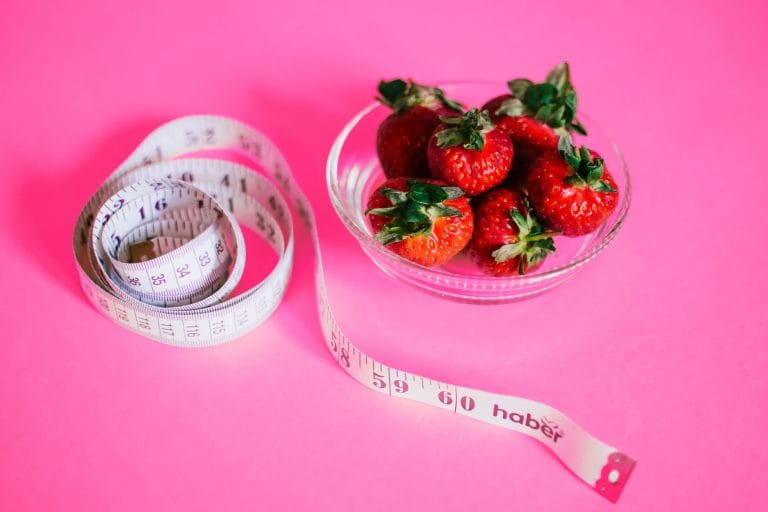
Putting on weight can be every bit as stubborn as taking it off. Here’s how to do it with real food.
If the scale won’t budge upward no matter how much you eat, you’re not imagining the struggle. Registered dietitian Sara Chatfield points out that gaining weight gets genuinely hard when you have a fast metabolism, a restricted diet, or an appetite that quits early. The fix isn’t complicated in theory: eat more calories than you burn. The tricky part is doing that with food that actually nourishes you, rather than a mountain of chips and soda.
The good news is that a handful of dense, whole foods can nudge your daily total up without forcing you to eat enormous portions. Pair that with regular strength training and the weight you add tends to be muscle instead of fat.
Key Takeaways
- Weight gain comes down to a calorie surplus: eating more than your body uses, day after day.
- Nutrient-dense whole foods like avocado, nuts, seeds, oils, and full-fat dairy pack a lot of energy into small servings.
- A balanced split of complex carbs, quality protein, and healthy fats supports muscle rather than just fat.
- Strength training turns those extra calories into denser muscle mass, not just padding.
- Small add-ons, such as nut butter, olive oil, or whole milk, are an easy way to lift the calorie count of any meal.
Why a Calorie Surplus Is the Whole Game
Your body runs on a set number of calories each day to keep you moving and hold your current weight steady. Eat more than that, and the leftover energy doesn’t just vanish. It gets stored.
First it goes into glycogen, tucked away in your muscles and liver. That tank is small, though, and once it fills up, the remaining surplus converts to fat and stays put. Over weeks, that’s how the scale climbs. So the rule is plain: to gain, you have to keep eating past what you burn.
How you build that surplus matters. Dietitian Alicia Chacha Miller suggests aiming for roughly 50 to 60 percent of calories from complex carbohydrates, 20 to 30 percent from healthy fats, and 15 to 25 percent from protein, adjusted to your own needs. Leaning on higher-fat whole foods, avocado, nuts, seeds, keeps the quality high while the calories add up. Clinical dietitian Jesse Feder notes that by sheer volume, oils are the most calorie-dense food you can reach for, followed by red meat, full-fat dairy, avocados, and nut butters.
Foods Worth Building Your Plate Around
You don’t need a long, complicated shopping list. A few reliable staples do most of the heavy lifting.
Peanut Butter
 Save
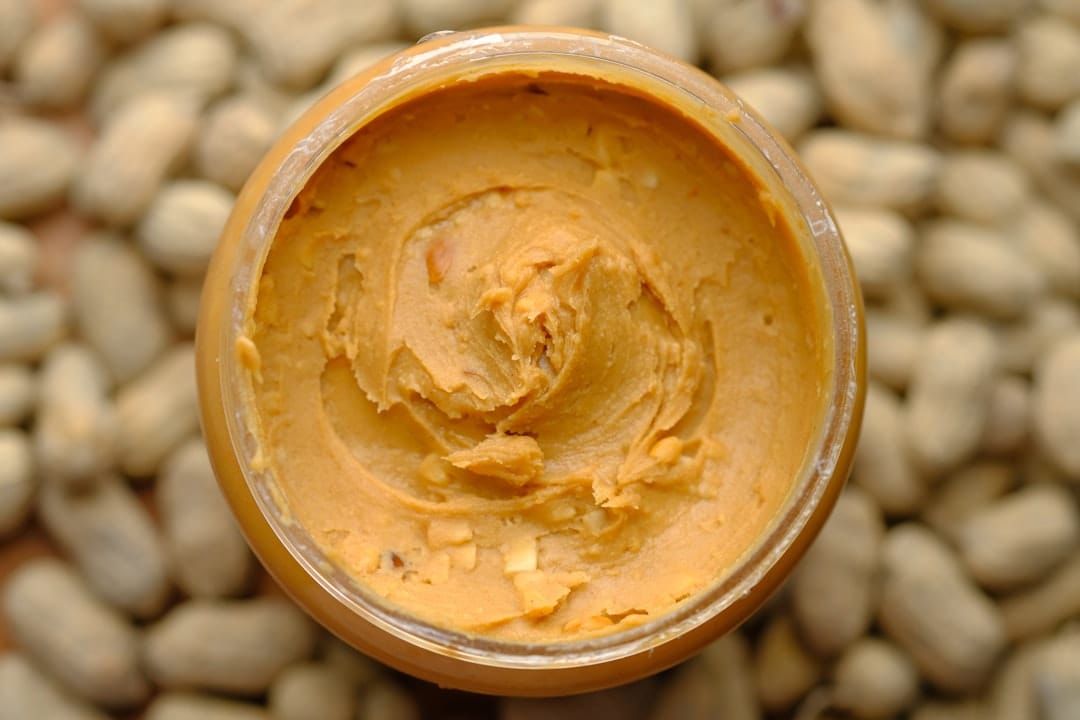
SavePeanut butter earns its reputation here. Two tablespoons deliver about 191 calories, along with 7 grams of protein, 16 grams of fat, and 7 grams of carbohydrate, all in a spoonful. Peanuts also carry a full spread of amino acids that support your immune system and stamina.
There’s a wrinkle worth knowing. Research in The American Journal of Clinical Nutrition found that eating nut butter daily as a snack didn’t drive significant weight gain on its own, and may even help with weight control, likely because the fat and protein keep you full. So to make it work for gaining, use it with intent: blend it into smoothies, spread it thick on whole-grain toast, or stir it into oatmeal with banana. And skip the jars loaded with added sugar and hydrogenated oil. Natural peanut butter with nothing extra is the better pick. If you’d rather branch out, the case for almond butter as a pantry staple is just as strong.
Full-Fat Dairy
 Save
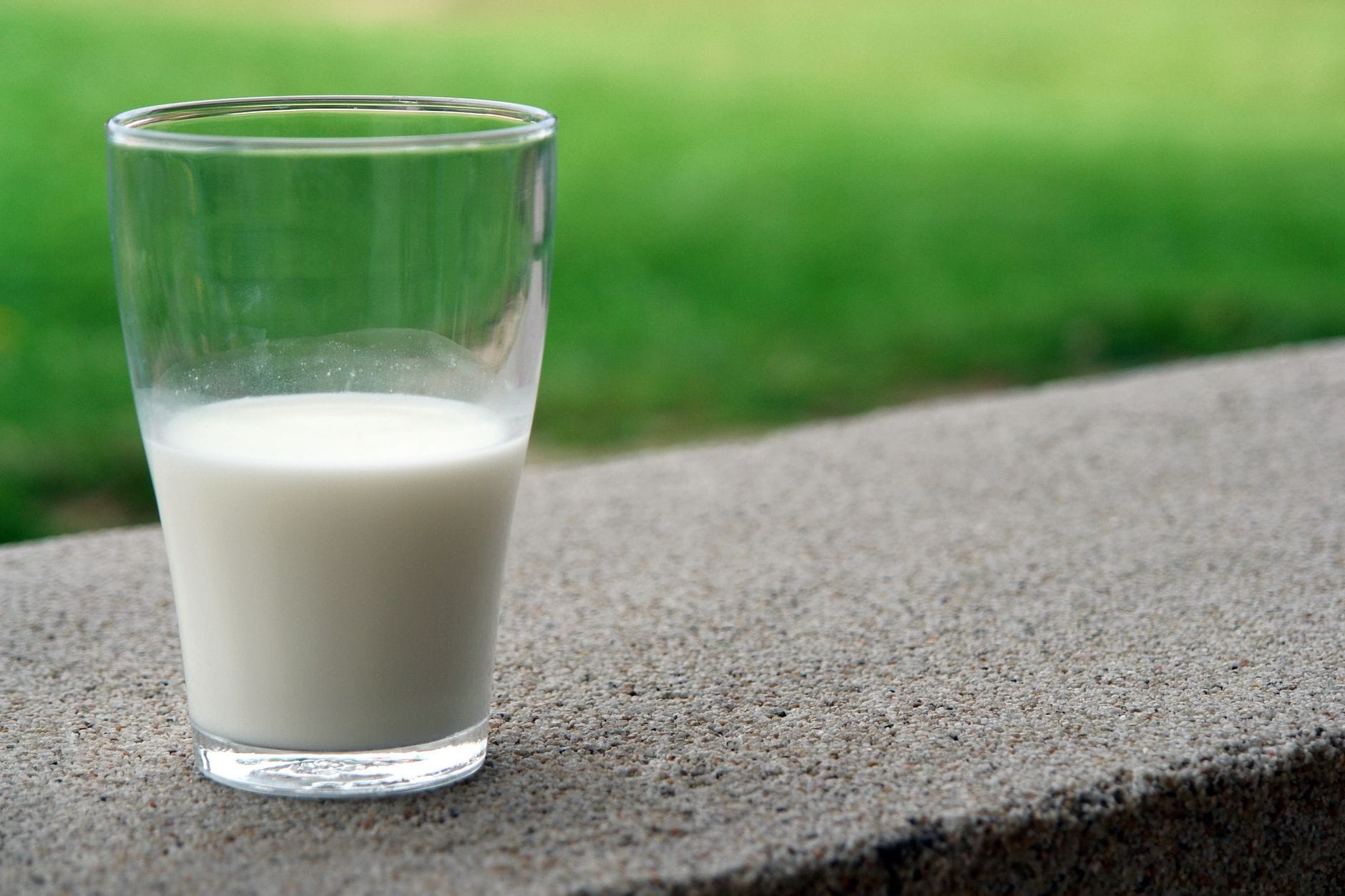
SaveWhole milk is a quiet powerhouse for anyone trying to add mass. One cup gives you around 149 calories, 8 grams of protein, and 8 grams of fat, plus a dose of minerals. Combine it with whey or a protein supplement and some fruit, and you’ve got one of the simplest high-calorie smoothies going, good for building muscle and speeding recovery after a workout.
Milk protein may have an edge for muscle specifically. A study at McMaster University found that milk-based protein outperformed soy for building muscle mass, thanks to a slower, longer release of amino acids. If muscle is the goal, that slow drip seems to matter, which is part of the ongoing soy versus whey protein debate. Drink it plain, pour it over cereal, or stir it into oats.
Bananas
Bananas bring carbohydrates, natural sugars, potassium, fiber, and a little of vitamins A and C. A medium banana runs about 105 calories and 27 grams of carbs, and research on cyclists links eating them to a bump in energy. A banana with milk and a scattering of nuts makes a fast, calorie-dense breakfast, or the same trio blends into a solid pre-workout smoothie. For more of those, a rotation of homemade protein shakes covers a lot of ground.
Potatoes, Rice, and Other Starches
Cheap, filling, and easy, starchy staples are the backbone of a weight-gain plate. Around 100 grams of potato holds about 74 calories with a bit of protein, while the same amount of white rice offers roughly 130 calories and 28 grams of carbs with almost no fat. Studies show carb-rich foods eaten alongside protein help build muscle, so these pair naturally with your protein sources. Boil, bake, or roast potatoes to hold onto the most nutrients, and microwave rice when you’re short on time.
Stack a few of these habits together and none of it feels extreme. That’s rather the point. This works best inside a genuinely balanced diet, and if you’re lifting to add muscle, a structured bulking approach ties the eating and training together.
Frequently Asked Questions
Can I gain weight without gaining fat?
Not entirely, some fat gain is normal in a surplus. But pairing extra calories with consistent strength training pushes more of that gain toward muscle rather than fat.
Are oils really that high in calorie?
Yes. By volume, oils like avocado, canola, and olive oil are the most calorie-dense foods available, which makes a drizzle an easy way to lift a meal’s total.
Is peanut butter enough on its own to gain weight?
Not by itself. Research suggests daily nut butter alone doesn’t reliably add weight. It works when you use it strategically, in smoothies, on toast, or with calorie-dense foods.
The Bottom Line
Gaining weight in a healthy way is about steady, deliberate eating, not stuffing yourself with junk. Build a calorie surplus from dense whole foods, peanut butter, whole milk, bananas, potatoes, rice, favor milk-based protein for muscle, and keep the strength work going. Small, consistent additions to meals you already eat tend to work better than any dramatic overhaul.
This article is for general informational purposes only and is not a substitute for professional medical advice. Talk with a doctor or registered dietitian before making significant changes to your diet, especially if you have an underlying health condition.
Related Articles
Almond Butter Benefits: The Verified Version
Soy Protein vs Whey Protein: What Trials Show
The Homemade Protein Shakes I Reach For Instead of Store-Bought Powder
How to Eat a Balanced Diet Without Counting Every Calorie
What a Bulking Diet Really Involves (and Which Style Suits You)