

How a bulking diet works: how big a calorie surplus to use, protein, carb and fat targets, what studies show about muscle versus fat gain, and the best foods to eat.
A bulking diet is a planned period of eating more calories than you burn while doing resistance training, so your body has extra energy to build muscle. Combining a positive energy balance with resistance training is the most effective way to direct that extra energy toward muscle (1).
The challenge is the size of the surplus. Studies show that eating a lot more increases body fat much faster than it increases muscle (2, 3). This guide covers the evidence-based targets for a bulking diet and how to keep fat gain in check.
Key Takeaways
- A calorie surplus of about 10–20% above maintenance is recommended for natural bodybuilders in the off-season (1).
- Aim to gain about 0.25–0.5% of body weight per week; advanced lifters should aim lower (1).
- Eat 1.6–2.2 g of protein per kg of body weight daily, 0.5–1.5 g/kg of fat, and fill the rest with carbohydrates (1).
- Larger surpluses added much more fat than muscle in bodybuilders and elite athletes (2, 3).
- Build most of your surplus from nutrient-dense foods rather than foods high in saturated and trans fats (7).
What Is a Bulking Diet?
Bodybuilders usually split their year into an off-season, when they try to gain muscle while in a positive energy balance, and a pre-contest phase, when they eat less to lose body fat while keeping muscle (4). “Bulking” is the gym term for the muscle-gaining phase.
Food alone does not build muscle. The surplus only works when paired with a structured resistance training program (1).
How Big Should Your Calorie Surplus Be?
A narrative review of off-season nutrition for natural bodybuilders recommends a surplus of about 10–20% above maintenance calories, with a target weight gain of about 0.25–0.5% of body weight per week for beginner and intermediate lifters. Advanced bodybuilders, who are closer to their muscle-building limit, should use a smaller surplus and gain weight more slowly (1). An older review suggested a similar increase of about 15% (4).
| Study | What was tested | Result |
|---|---|---|
| 11 male bodybuilders, 4 weeks (2) | Higher (67.5 kcal/kg) vs moderate (50.1 kcal/kg) energy intake with training 6 days a week | Muscle +2.7% vs +1.1%; body fat +7.4% vs +0.8% |
| 39 elite athletes, 8–12 weeks (3) | Meal plan with an energy surplus vs eating freely, plus strength training | More weight and fat gain (fat mass +15% vs +3%), but no difference in lean mass gain |
In both studies, eating more led to more weight gain, and the split was lopsided. In eleven male bodybuilders training six days a week for four weeks, the higher-energy group put on 7.4% body fat against 0.8% in the moderate group, while muscle mass rose 2.7% against 1.1% (2). The elite athlete trial is blunter still. Thirty-nine athletes were randomised to a counselled meal plan or to eating freely for 8 to 12 weeks. The counselled group ate about 600 kcal more a day and gained fat mass of 15% against 3% — yet the gain in lean body mass was no different between the two groups (3). More food bought fat, not muscle. Start with a moderate surplus, track your weight weekly, and reduce calories if you gain faster than about 0.5% of body weight per week.
Clean, Lean and Dirty Bulking
These terms come from gym culture rather than research, but they describe real differences in food quality and surplus size:
- Clean or lean bulk: a moderate surplus from mostly whole foods, gaining weight slowly. This matches the research-based targets above (1).
- Aggressive bulk: a large surplus to gain weight quickly. Studies of larger surpluses show more fat gain (2, 3).
- Dirty bulk: eating as much as possible from any foods. It has not been studied directly, but it combines a large surplus with foods high in saturated and trans fats, which are linked to higher coronary heart disease risk (7).
Bulking Diet Macros
 Save
Save| Target (off-season, natural bodybuilders) | Recommendation | Example: 75 kg person |
|---|---|---|
| Calorie surplus | About 10–20% above maintenance | Maintenance x 1.10 to 1.20 |
| Weight gain | About 0.25–0.5% of body weight per week | 0.19–0.38 kg per week |
| Protein | 1.6–2.2 g/kg per day | 120–165 g per day |
| Fat | 0.5–1.5 g/kg per day | 38–112 g per day |
| Carbohydrates | Remaining calories, at least 3–5 g/kg per day | at least 225–375 g per day |
Source: Iraki et al. 2019, off-season recommendations for natural bodybuilders (1).
Protein
The general Recommended Dietary Allowance for adults with minimal physical activity is 0.8 g of protein per kg of body weight per day (5). During a bulk, natural bodybuilders are advised to eat 1.6–2.2 g/kg per day, with about 0.40–0.55 g/kg per meal spread evenly over 3–6 meals (1).
Protein timing is flexible. In a 10-week study of 21 trained men, 25 g of protein taken immediately before or immediately after training produced similar gains in strength and muscle (8). One of the study authors works for a fitness consulting company.
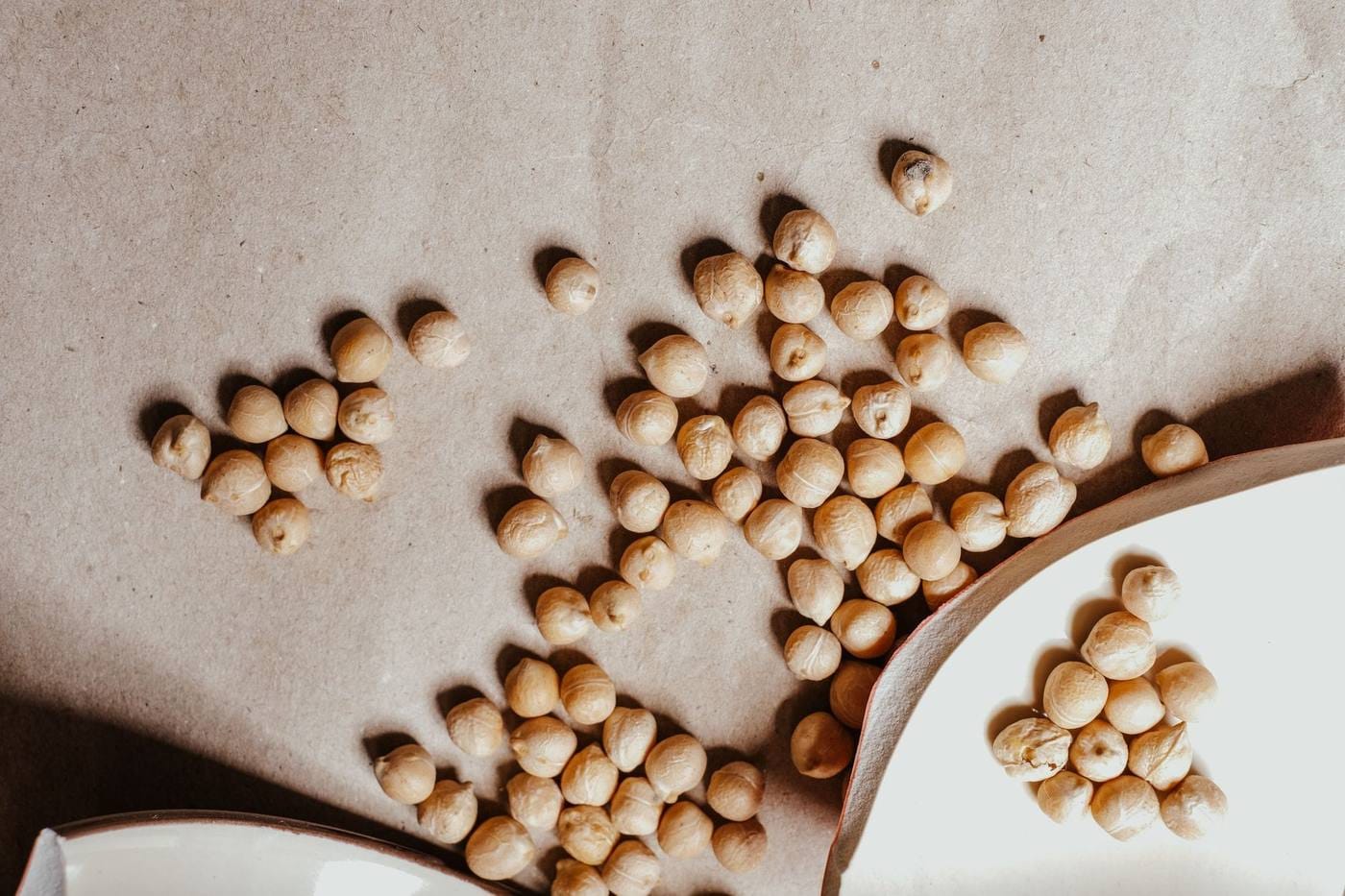
Good protein sources include meat, poultry, fish, eggs, Greek yogurt, cottage cheese, tofu, and legumes such as lentils and chickpeas.
Fat
Fat should make up a moderate share of calories, about 0.5–1.5 g/kg per day (1). An older review recommended 15–20% of calories from fat and noted that very low-fat diets reduce testosterone (4). Choose mostly unsaturated fats from fatty fish, olive oil, nuts, seeds and avocado, and limit saturated and trans fats (7).
Carbohydrates
Carbohydrates are a key source of energy for the body (6). After setting protein and fat, the remaining calories should come from carbohydrates, with at least 3–5 g/kg per day to support resistance training (1). Good choices include oats, rice, potatoes, whole-grain bread and pasta, fruit, milk and legumes.
Foods to Eat and Limit
 Save
Save- Build meals around: lean meat, fish, eggs, dairy, legumes, whole grains, potatoes, fruit, vegetables, nuts and olive oil.
- If you struggle to eat enough: high-fiber foods increase fullness and can reduce how much you eat (9), so add some calorie-dense options such as nuts, nut butters, dried fruit, milk and olive oil. See our high-fiber foods list to balance the two.
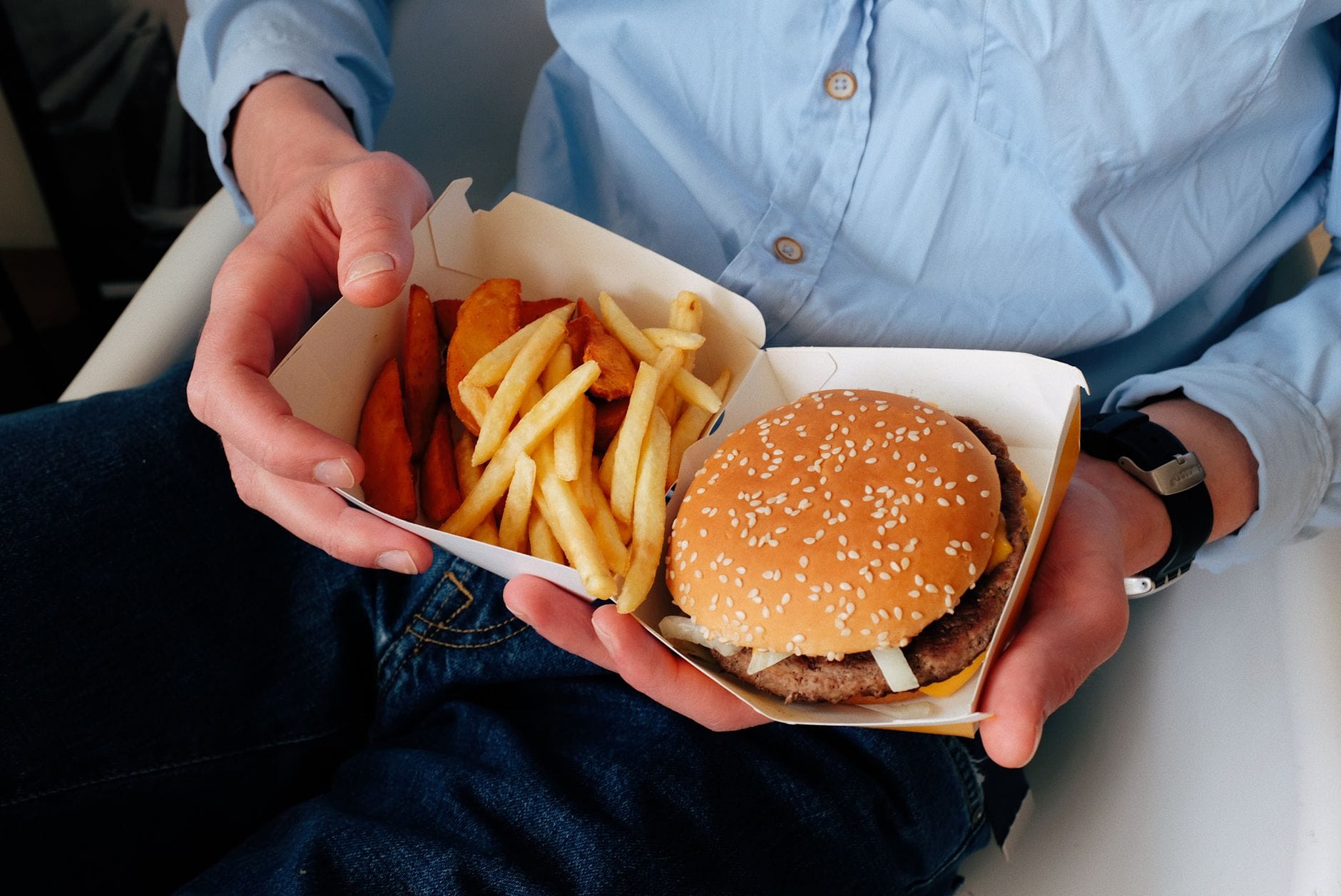
- Limit: fried fast food, pastries and processed meats high in saturated and trans fats (7). An occasional burger will not ruin a bulk, but daily fast food makes the surplus mostly fat.
For a full meal structure, see our bodybuilding diet guide and our balanced diet guide.
Who Should Be Careful
- Advanced lifters: use the lower end of the surplus range, or an even smaller surplus if body fat rises quickly (1).
- People with heart disease risk factors or other health conditions: a long period of overeating, especially foods high in saturated fat, is not advisable without medical advice (7).
Frequently Asked Questions
How many extra calories should I eat when bulking?
A review of off-season nutrition for natural bodybuilders recommends eating about 10–20% above maintenance calories and aiming to gain about 0.25–0.5% of body weight per week. Advanced lifters should aim for the lower end, because larger surpluses add more fat.
How much protein do I need on a bulk?
About 1.6–2.2 g of protein per kilogram of body weight per day, spread over 3–6 meals. That is higher than the general adult recommendation of 0.8 g per kilogram.
Will I gain fat while bulking?
Some fat gain is likely. In studies of bodybuilders and elite athletes, larger calorie surpluses increased body fat much more than they increased muscle, so a moderate surplus is usually the better choice.
Is dirty bulking a good idea?
Dirty bulking has not been tested in studies, but the research on large calorie surpluses shows much more fat gain. Diets high in saturated and trans fats are also linked to higher heart disease risk, so most extra calories should come from nutrient-dense foods.
When should I eat protein around workouts?
Timing matters less than total intake. In a 10-week study in trained men, 25 g of protein taken right before or right after training produced similar gains in strength and muscle.
The Bottom Line
A bulking diet works best with a moderate calorie surplus of about 10–20% above maintenance, slow weight gain of about 0.25–0.5% of body weight per week, 1.6–2.2 g/kg of protein daily and a structured resistance training program. Studies show that larger surpluses mainly add fat rather than extra muscle. Build most of your extra calories from nutrient-dense foods, keep fast food occasional, and adjust your intake based on your weekly weight trend.
This article is for informational purposes only and is not a substitute for professional medical advice. Consult a registered dietitian or healthcare provider before making significant changes to your diet or exercise routine.
Related Articles
Bodybuilding Diet: Protein, Calories and Meal Plan Guide
Balanced Diet Guide With the 5 Food Groups
High Fiber Foods List and How Much Fiber You Need
Fish Oil for Weight Loss: Does It Work? What Research Shows
Soy Protein vs Whey Protein: What Trials Show