
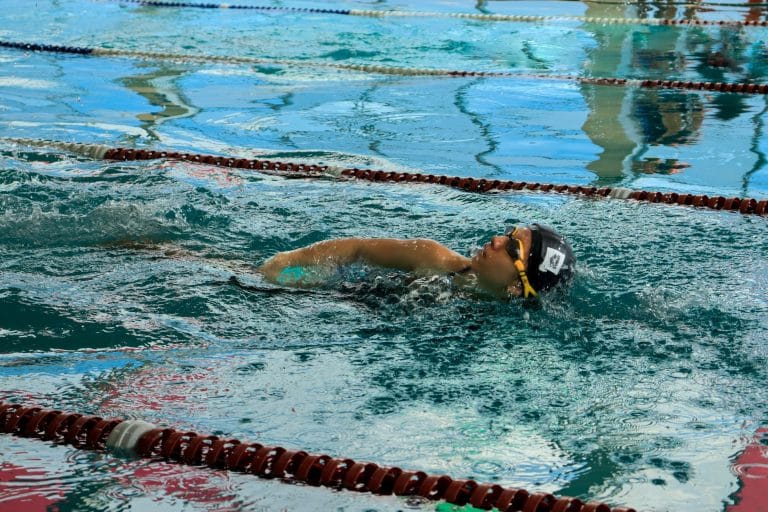
A full-body cardio and resistance workout that cools you off while it burns calories.
If the treadmill fills you with dread and the weight room feels intimidating, the pool is a quietly brilliant alternative. Swimming trains your heart and your muscles at the same time, and it does it without pounding your knees, hips, or lower back. As certified personal trainer Jack Craig puts it, pushing your body through water demands real strength, which makes it a smart pick for anyone who wants a stronger heart and a lighter number on the scale.
There’s another reason it deserves more attention. Trainer Erin Mahoney points out that the more weight someone has to lose, the more uncomfortable most cardio becomes. Swimming sidesteps that problem, which is a big part of why beginners tend to stick with it longer than they expect to.
Key Takeaways
– Swimming is a low-impact, full-body workout that supports weight loss, heart health, and steady calorie burn.
– The dopamine boost you get in the water helps lower stress and lift your mood.
– Water acts as natural resistance, so you build muscle strength and balance while you swim.
– Learn proper breathing and get comfortable in the water before you tackle any structured swim workout.
Why Swimming Works So Well for Weight Loss
Water provides natural resistance, so every stroke and kick has to push against it. That resistance is what turns a swim into a strength session hidden inside a cardio session. You’re working your arms, back, core, and legs at once, and building muscle along the way, which nudges your metabolism upward.
The whole-body nature of it is the selling point. To cover your bases, aim for about 150 minutes of moderate swimming per week, or roughly 75 minutes if you’re going hard. That’s the same target you’d chase with any solid cardio habit, and it fits neatly alongside a sensible calorie deficit approach that protects your energy and muscle.
Beyond the calorie math, regular swimming has been linked to stronger heart function and better circulation, the same perks you get from any good aerobic sport. It can also support bone health, which matters for women over 45 who are more vulnerable to osteoporosis.
What Makes Swimming Different From Other Cardio
Running and jumping are high-impact by design. If you carry any muscle imbalances from the core down, that impact only gets rougher the harder you push, and Mahoney notes it can set you up for pain or injury. Swimming has none of that ground-force problem.
Because you’re moving horizontally, gravity isn’t yanking down on your lower-body joints the way it does when you’re upright. NASM-certified trainer John Gardner describes it as aerobic activity that’s genuinely easy on the joints while still helping with weight loss, muscle building, and even back pain relief.
Easy on Your Joints
For anyone with cranky knees or a history of injury, this is where swimming earns its keep. There’s no repeated pounding, so people who can’t tolerate running often find they can swim comfortably. The water supports your bodyweight, letting you work hard without the joint tax.
A few other benefits stack up quietly. Staying balanced in water with nothing to hold onto sharpens your coordination and stability. And swimming encourages your body to release dopamine, the neurotransmitter that helps regulate mood, which is why so many swimmers describe the pool as their stress reset.
Can Swimming Actually Flatten Your Belly?
Short answer: not on its own, and not in the targeted way people hope. Spot-reducing fat isn’t something any single exercise can do, so swimming won’t melt only your midsection. What it will do, according to Craig, is burn calories fast and efficiently.
Here’s the nuance Gardner adds. Because your core stays engaged the entire time you swim, you’re strengthening those muscles constantly, which can speed up overall fat loss faster than isolated ab exercises would. The belly changes as your whole body leans out, not before it.
A Beginner Swimming Workout to Try
 Save
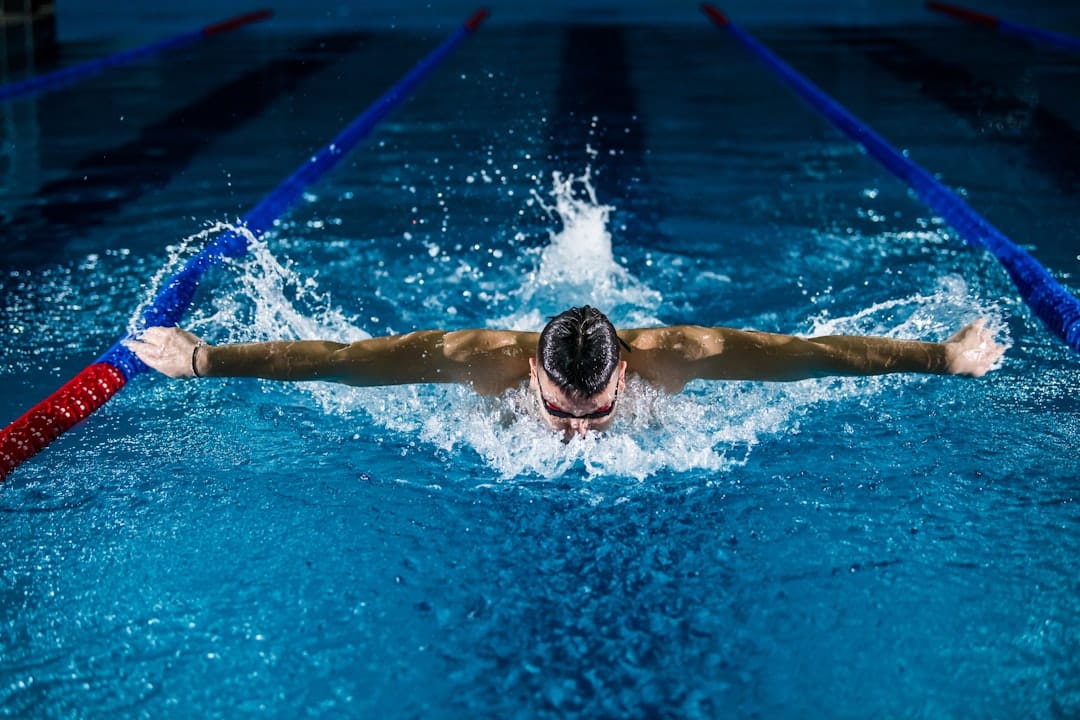
SaveThis routine, adapted from certified trainers, keeps things simple. Start out of the water with a couple of minutes of stretching, then ease in.
Warm-up: Swim at a moderate pace for 200 meters to loosen up.
Pre-set: Freestyle for 200 meters, then kick for 100 meters. Repeat twice.
Main set (3 rounds, 1 minute rest between rounds):
Front crawl at high speed for 50 seconds, rest 10 seconds
Backstroke at high speed for 50 seconds, rest 10 seconds
Forward kicks only at max speed for 50 seconds, rest 10 seconds
Backstroke with arms only (legs straight) for 50 seconds, rest 10 seconds
Breaststroke at high speed for 50 seconds, rest 10 seconds
Cool down: Swim very slowly for 200 meters to bring your heart rate down.
Once the pool feels routine, you can borrow from land training too. A dumbbell routine women actually stick with pairs nicely with swim days for added strength, and you can round out your week with bodyweight workouts that build a lean, fit frame.
How Many Calories Does Swimming Burn
 Save
SaveExact numbers depend on your weight, stroke, and effort, but swimming sits comfortably among the higher-burn cardio options. Faster strokes and interval-style sets torch more than a leisurely paddle. And because building muscle raises your resting metabolism, your body keeps burning calories after you towel off. If you’re the type who likes to chase big numbers, it helps to understand why nobody should try to burn 2,000 calories a day and what a sustainable weekly plan looks like instead.
Of course, no workout outruns your fork. Pair your pool sessions with real, satisfying meals, and lean on weight-loss recipes that actually taste good rather than crash diets.
Before You Dive In
Get comfortable in the water first. Learn to breathe properly and swim relaxed laps before attempting any timed or high-intensity set, because fatigue in a pool is a different animal than fatigue on land. Warm up every time, hydrate even though you don’t feel sweaty, and progress gradually. If you have a heart condition or a chronic injury, check with your doctor before starting.
Frequently Asked Questions
How often should a beginner swim to lose weight?
Three sessions a week is a realistic starting point. Aim to build toward roughly 150 minutes of moderate swimming weekly, and let your stamina grow before you add harder intervals.
Is swimming better than running for weight loss?
Both burn plenty of calories. Swimming wins on joint safety and full-body engagement, which makes it easier to sustain, especially if running aggravates your knees or back. The best choice is the one you’ll keep doing.
Can I lose weight swimming without changing my diet?
You’ll see some progress, but results come faster when swimming is paired with sensible eating. Exercise and nutrition work together, and neither does the whole job alone.
The Bottom Line
Swimming gives you cardio and resistance training in one low-impact package, and it happens to be one of the more enjoyable ways to sweat without feeling like you’re sweating. It won’t spot-erase belly fat, but as a consistent habit backed by decent nutrition, it burns calories, builds muscle, steadies your mood, and protects your joints. Start slow, master your breathing, and let the laps add up.
This article is for informational purposes only and is not a substitute for professional medical advice. Consult a qualified healthcare provider before beginning any new exercise or weight-loss program, especially if you have an existing health condition.
Related Articles
How to Set Up a Calorie Deficit Without Wrecking Your Energy (or Your Muscle)
The Dumbbell Workout Plan Women Actually Stick With (No Gym Required)
15 Workouts That Build a Lean, Strong Body (Most Need No Gym at All)
Nobody Should Try to Burn 2000 Calories a Day (Here’s the Weekly Plan That Works Instead)
31 Diet Recipes for Weight Loss That Actually Taste Good (No Fad Diets Required)