
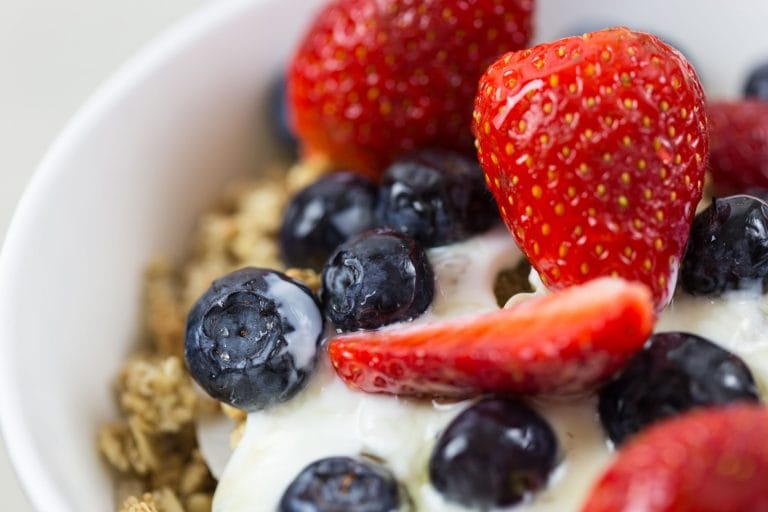
Losing weight starts in your own kitchen, with balanced meals you genuinely want to eat.
There is a persistent myth that eating for weight loss means bland food, expensive pills, or the diet-of-the-month. None of that is necessary. What actually moves the needle is a steady rotation of homemade meals built from whole ingredients: fruit, vegetables, eggs, oats, nuts, and whole grains.
Breakfast is the easiest place to begin, because a nourishing first meal sets the tone for everything that follows. The recipes here cover smoothies, warm bowls, and savory egg dishes, each one quick enough for a weekday morning and backed by real nutrition research.
Key Takeaways
– You don’t need fad diets or weight loss surgery; well-chosen homemade meals can support healthy weight loss on their own.
– A protein- and fiber-rich breakfast gives you a head start on your goals for the day.
– Smoothies made with banana, kale, or coconut water pack in micronutrients with almost no prep time.
– Oats, berries, and nuts combine heart-friendly beta-glucan with antioxidants and fiber.
– Eggs paired with vegetables (scrambles, omelets, savory pancakes) deliver filling protein plus vitamins A and C.
Smoothies That Do the Heavy Lifting
 Save
SaveWhen mornings are rushed, a blender is your best friend. Three combinations stand out.
A banana flaxseed smoothie couldn’t be simpler: blend one sliced banana with half a cup of milk, a tablespoon of ground flaxseed, a tablespoon of honey, and a pinch of salt. Bananas supply potassium, vitamins B6 and C, and antioxidants that help protect the body from degenerative disorders. Flaxseed adds omega-3 fatty acids and alpha-linolenic acid, both linked to protection against cardiovascular disease, while the milk contributes bone-strengthening calcium.
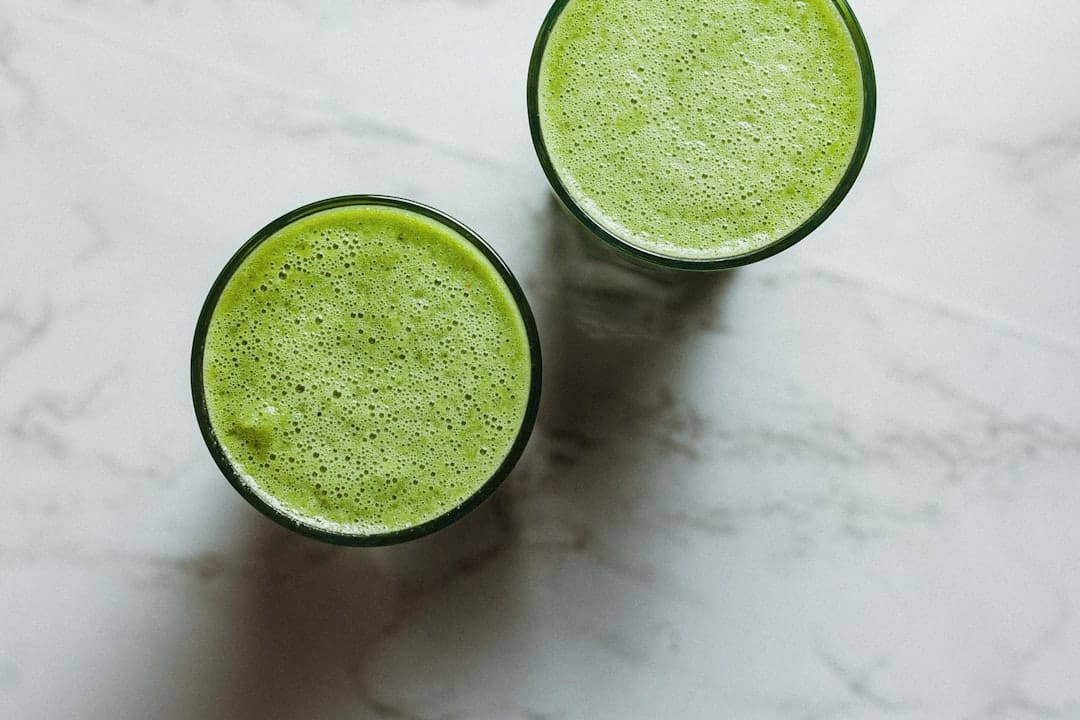
For something greener, try a kale smoothie. Roughly chop two or three kale leaves, half a cucumber, and a tomato, blend them with five or six black grapes, and season with salt. Kale earns its superfood reputation with vitamins A, C, and B6 plus anti-inflammatory compounds tied to a lower risk of coronary artery disease. Black grapes bring resveratrol, quercetin, and anthocyanins, phytonutrients associated with slower aging and protection against heart disease and microbial infections. Cucumber rounds it out with fiber, vitamin C, and plenty of water.
The third option swaps milk for coconut water. Blend a kiwi, a peach, and a wedge of musk melon with a few mint leaves, then stir in a glass of coconut water. Coconut water carries natural electrolytes and has been shown to help regulate blood pressure and improve insulin sensitivity. Kiwis can improve the plasma lipid profile and lower fibrinogen levels, and peaches contribute antioxidants that guard against oxidative damage.
Warm Breakfasts Worth Waking Up For
 Save
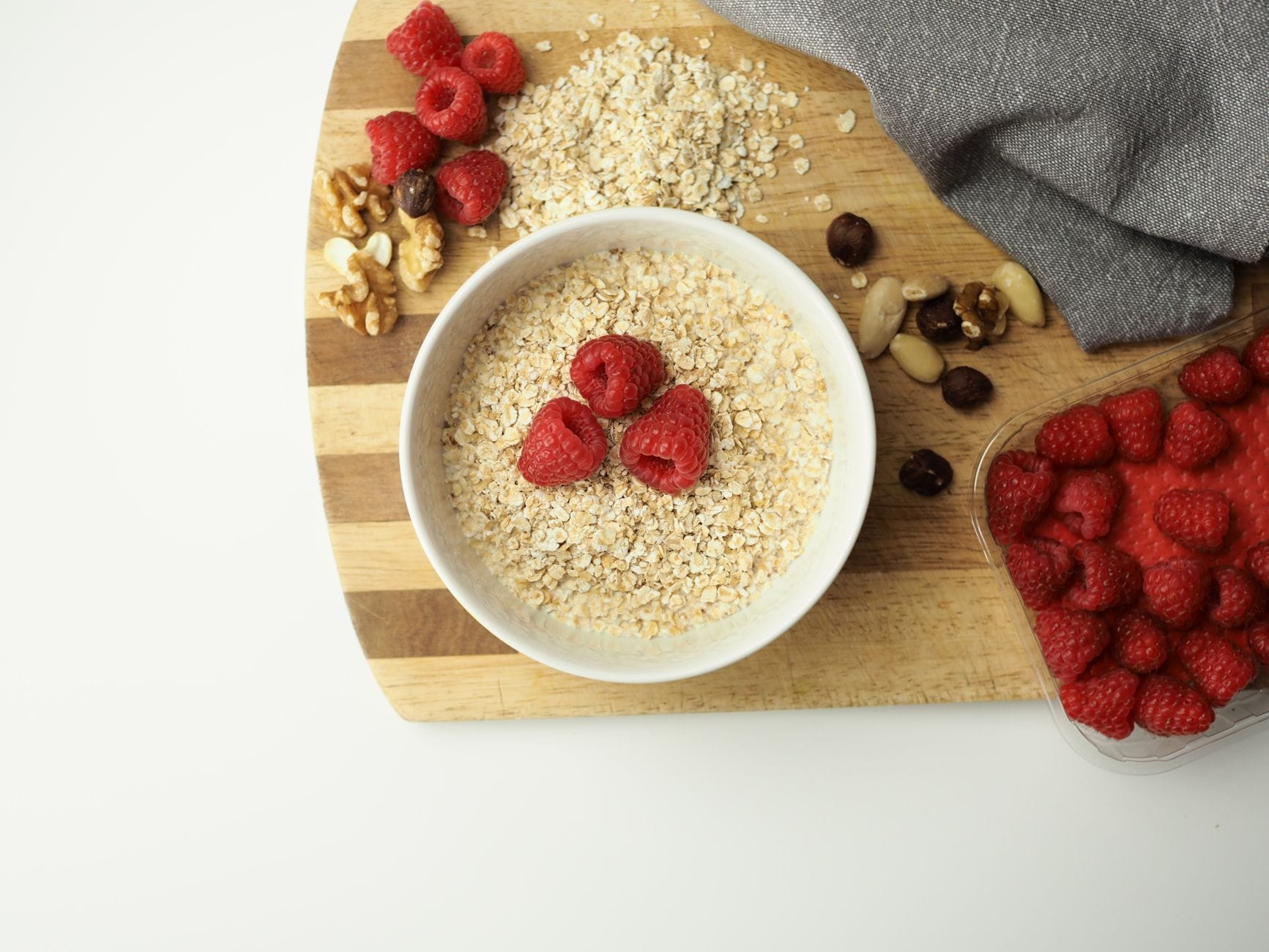
SaveCold mornings call for something cooked. Oats with berries and nuts comes in around 295 calories. Boil a cup of milk, stir in two to three tablespoons of oats until soft and chewy, then top with diced strawberries and blueberries, flaked almonds, and a few crushed hazelnuts. Oats are rich in beta-glucan, a fiber that supports heart health. Berries improve glucose metabolism and help prevent lipid peroxidation, and nuts add antioxidant and anti-inflammatory benefits along with satisfying energy density.
If you’d rather eat with a fork, whole-wheat pancakes with a savory twist are surprisingly good. Beat three eggs with a cup of milk, sift in a cup of whole wheat flour, then fold in grated carrot, grated cauliflower, and finely chopped onion. Season with salt and cayenne, and fry dollops in a little vegetable oil until golden on both sides. Cauliflower supplies vitamins C and B6 along with magnesium and iron, carrots protect the cardiovascular system with vitamin A and antioxidants, and the whole wheat flour keeps you full with fiber.
What About Eggs?
Eggs deserve a permanent spot in any weight loss kitchen. They deliver protein, iron, potassium, and vitamin B6, with antioxidant and anti-inflammatory properties on top. The protein matters most here, since it keeps hunger quiet until lunch.
The veggie scramble is the simplest version. Sauté chopped onion in a teaspoon of rice bran oil, then add green bell pepper, a few broccoli florets, and half a tomato. Pour in two beaten, seasoned eggs and stir gently until softly set. Broccoli brings sulforaphane, a compound studied for its cancer-fighting potential, and bell peppers add vitamins A and C.
For a heartier plate, a smoked turkey bacon omelet works well. Use two whole eggs (or egg whites if you prefer), a few strips of turkey bacon, and chopped onion, tomato, zucchini, and chives, cooked in rice bran oil. It feels indulgent while staying relatively lean.
Don’t Skip the Fruit Bowl
Sometimes the best breakfast is barely a recipe at all. Cube some papaya, watermelon, and grapefruit, add grapes and the scooped pulp of half a passionfruit, then finish with lemon juice, salt, and pepper.
Each fruit pulls its weight. Papaya offers vitamins A, B, and C plus enzymes like papain with antibacterial and antifungal properties. Grapefruit is linked to weight control and blood pressure regulation. Watermelon’s lycopene may protect against diabetes, cardiovascular disease, and macular problems, and passionfruit contains antioxidants that help prevent photoaging. It is refreshing, hydrating, and quick to assemble (even quicker if someone else does the chopping).
Frequently Asked Questions
Do I need to count calories with these recipes?
Not strictly. These meals are built around whole, nutrient-dense ingredients that naturally keep portions reasonable. The oats bowl, for reference, is about 295 calories, so you can estimate the rest similarly if tracking helps you.
Can I use egg whites instead of whole eggs?
Yes. The turkey bacon omelet works with either two whole eggs or egg whites. Whole eggs do carry extra nutrients like iron and vitamin B6, so it comes down to your preference and overall fat intake.
Are smoothies really filling enough for breakfast?
The ones here include fiber-rich ingredients (flaxseed, kale, cucumber, whole fruit) rather than just juice, which may help you feel satisfied longer. If you’re still hungry, pair one with a boiled egg.
The Bottom Line
Healthy weight loss doesn’t require deprivation, expensive interventions, or trendy eating plans. It requires consistent, balanced meals made from real ingredients, and breakfast is the easiest meal to get right. Rotate through a few of these smoothies, oat bowls, and egg dishes each week, and you’ll cover protein, fiber, and micronutrients without ever feeling like you’re on a diet.
This article is for informational purposes only and is not a substitute for professional medical advice, diagnosis, or treatment. Always consult a qualified healthcare provider before making significant changes to your diet, especially if you have an existing health condition.