
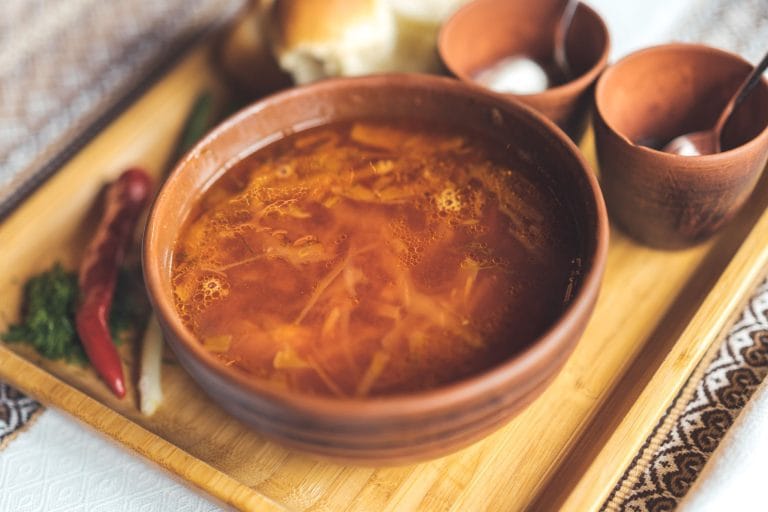
A seven-day crash diet that still circulates decades later. Here is the full day-by-day plan, the basic soup recipe, what really happens on the scale, and who should not try it.
The cabbage soup diet, often just called the cabbage diet, is a seven-day plan in which you eat as much homemade cabbage soup as you like, plus a short list of other foods that changes each day. Its promise is fast weight loss: followers commonly report dropping 10 pounds or more in a week (1).
That number is real, but it is misleading. The plan typically provides less than 1,000 calories a day, and much of the early drop on the scale is water rather than fat (1, 2). Below you will find the complete 7-day cabbage soup diet plan, how to make the soup, why the weight comes off so fast, and why it usually comes back.
Key Takeaways
- The cabbage soup diet is a 7-day, very low-calorie plan: unlimited cabbage soup plus specific foods each day (1).
- Weight loss can reach 10 pounds in a week, but it is mostly water (1). Glycogen is stored with three to four parts water (2).
- There is no good scientific evidence that cabbage has a special fat-burning effect; the weight loss comes from eating very little.
- Very low-calorie dieting and rapid weight loss raise the risk of gallstones (4, 5).
- Weight regain is common after any diet, fast or slow (6). Do not stay on this plan longer than a week.
What Is the Cabbage Soup Diet?
The cabbage soup diet has no single official version, but the classic plan has circulated for decades as a photocopied handout and, later, online. Every version follows the same pattern: a big pot of low-calorie vegetable soup built around cabbage, eaten as often as you want, alongside a rotating list of foods that differs day by day (1).
The appeal is simplicity. The soup is cheap, you do not count calories, and the rules fit on one page. The drawbacks are just as simple: the menu is very limited, it gets boring fast, and it is not designed to teach you how to eat after the week ends (1).
The 7-Day Cabbage Soup Diet Plan
 Save
SaveYou eat cabbage soup at least once or twice a day, every day, and add only the foods listed for that day (1). Water, unsweetened tea, and black coffee are the usual drinks. Alcohol, sugary drinks, and most other foods are off the menu for the week.
| Day | What you eat |
|---|---|
| Day 1 | Cabbage soup + fruit (no bananas) |
| Day 2 | Cabbage soup + vegetables, such as leafy greens (no starchy vegetables, no fruit) |
| Day 3 | Cabbage soup + fruit and vegetables |
| Day 4 | Cabbage soup + bananas and skim milk |
| Day 5 | Cabbage soup + beef (or skinless baked chicken) and tomatoes |
| Day 6 | Cabbage soup + beef and vegetables |
| Day 7 | Cabbage soup + brown rice, vegetables, and unsweetened fruit juice |
Basic cabbage soup recipe
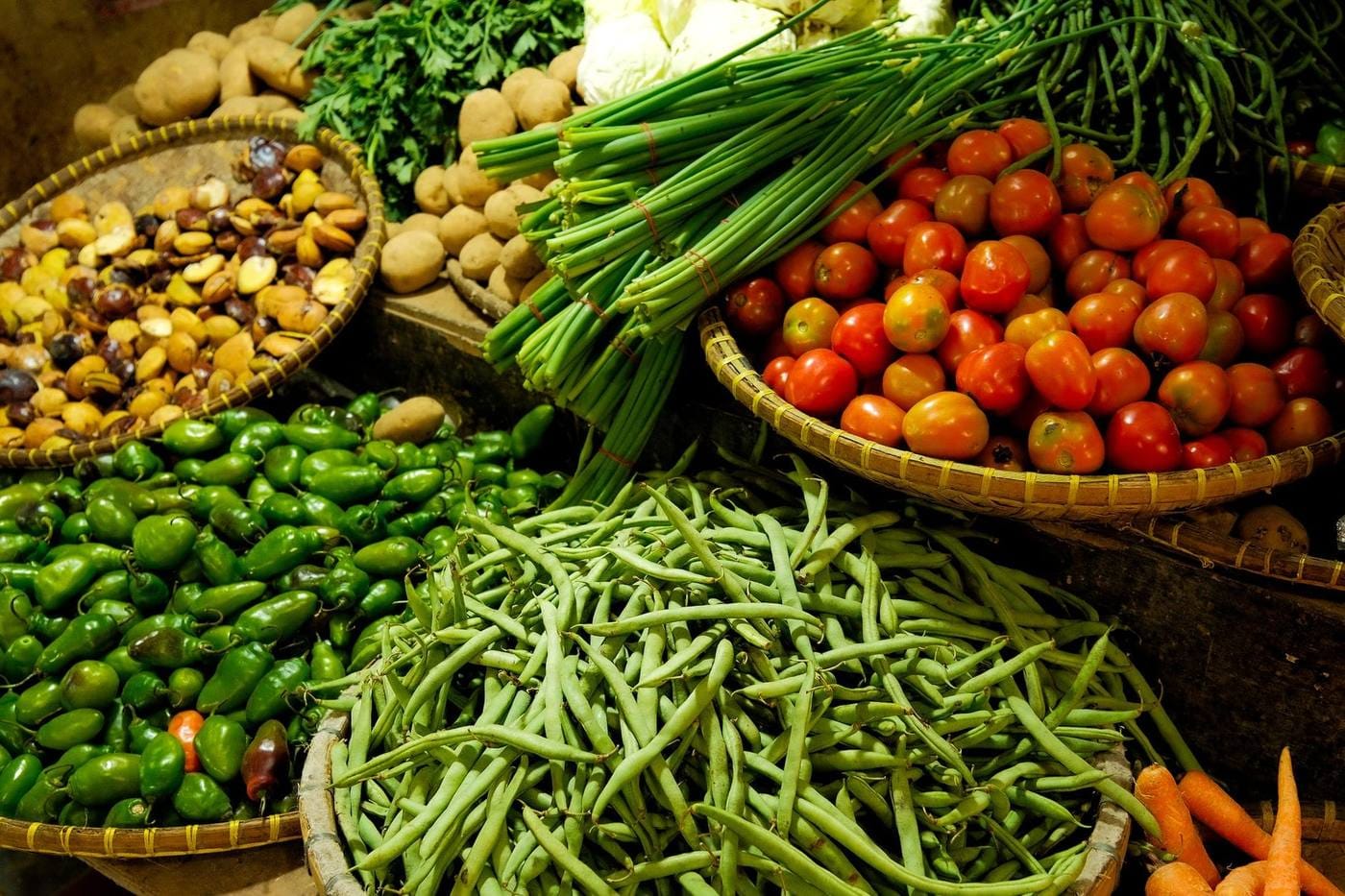
Recipes vary, but most use the same core ingredients: cabbage, tomatoes, green peppers, mushrooms, onions, and bouillon or broth (1). A typical big-batch version:
- Chop 1 medium head of cabbage, 2 onions, 2 green peppers, 1 to 2 cups of mushrooms, and a bunch of celery or carrots if you like.
- Add a can of chopped tomatoes and about 8 cups of low-sodium vegetable or chicken broth. Regular bouillon is very salty, so low-sodium broth is the better choice.
- Season with garlic, black pepper, herbs, and spices.
- Bring to a boil, then simmer for about 30 to 45 minutes, until the vegetables are soft.
Store portions in the fridge for up to a few days, or freeze some for later in the week.
Why the Weight Comes Off So Fast
There is no special compound in cabbage that melts fat. The diet works for the same reason every crash diet does: you eat far fewer calories than you burn (1). Vegetables and fruit add fiber, vitamins, and minerals for very few calories (3), so large bowls of soup fill you up while your total intake stays low. The HCG diet is the same idea with a hormone attached, and the FDA has never approved it for weight loss.
The dramatic early drop has a second cause. Your body stores carbohydrate as glycogen in the liver and muscles, and each part of glycogen is stored with three to four parts water. When you eat very little, especially very little carbohydrate, those stores are used up and the water leaves with them. When you start eating carbohydrates again, the glycogen and water come back, which is why weight can rebound quickly (2).
So a 10-pound loss in a week might include some fat, but a large part is water and food weight that will return.
Does the Cabbage Soup Diet Work Long Term?
The cabbage soup diet has not been properly studied in trials. What research does show is that regaining weight is common after dieting in general. In a randomized trial of 200 adults with obesity, people who lost weight rapidly and people who lost it gradually both regained about 71% of the lost weight within three years (6). A large JAMA meta-analysis of popular named diets concluded that the best diet for weight loss is one a person can stick to (7), and very few people can live on cabbage soup.
If you use the week as a short kick-start, plan what comes next. A moderate calorie deficit with enough protein, or a 7-day vegetarian meal plan for weight loss built on normal meals, is far easier to continue.
Risks and Side Effects
- Hunger, fatigue, and dizziness. On less than 1,000 calories a day, feeling weak, light-headed, shaky, or unable to concentrate is common. These are signals to eat and stop the diet, not signs of progress.
- Too little protein and nutrients. Most days include little protein, and the plan is short on fat, calcium, and several vitamins and minerals. That is one reason it should not be repeated back to back.
- Gallstones. Rapid weight loss is a recognized risk factor for gallstones (5). In a Swedish study of a commercial weight loss program, people on a 500-calorie-a-day diet for three months had about three times the risk of gallstones needing hospital care compared with people on a 1,200 to 1,500 calorie diet (4). A single week carries far less exposure, but repeating crash diets adds up.
- Gas and bloating. Large amounts of cabbage and other high-fiber vegetables can cause gas and discomfort.
- Rebound eating. After a week of strict rules, appetite often runs high, and the water weight returns quickly (2).
What About Exercise?
 Save
SaveSome versions of the plan recommend intense workouts. On such a low calorie intake, vigorous exercise can leave you dizzy or faint and increases the risk of injury. Gentle activity such as walking suits this week far better. Save harder training, like these workouts for a lean, fit body, for when you are eating normally again.
Who Should Not Try It
Skip the cabbage soup diet, or talk to your doctor first, if you:
- Are pregnant or breastfeeding.
- Are a child or teenager.
- Have diabetes, especially if you take insulin or medicine that can cause low blood sugar.
- Have heart disease, kidney disease, gallbladder problems, or another chronic condition.
- Have a history of disordered eating.
- Are underweight, older, or frail.
Frequently Asked Questions
How much weight can you lose on the cabbage soup diet?
People often report losing 10 pounds or more in a week, but most of it is water weight rather than fat. Glycogen, the carbohydrate your body stores, is held with three to four parts water, so when those stores are used up the scale drops quickly, and the weight tends to return once you eat normally again.
What can you eat on each day of the cabbage soup diet?
You can eat cabbage soup as often as you like every day. Day 1 adds fruit except bananas, Day 2 vegetables, Day 3 fruit and vegetables, Day 4 bananas and skim milk, Day 5 beef or skinless chicken and tomatoes, Day 6 beef and vegetables, and Day 7 brown rice, vegetables, and unsweetened fruit juice.
Can you do the cabbage soup diet for a month or two weeks?
It is not recommended. The plan provides less than 1,000 calories a day and lacks enough protein and many nutrients. Staying on very low calorie intakes for longer raises the risk of muscle loss, nutrient shortfalls, and gallstones. It was designed to last seven days.
Does the weight come back after the cabbage soup diet?
Usually, yes. The water returns as soon as you eat carbohydrates again, and regaining lost weight is common after any diet. Lasting weight loss depends on an eating pattern you can keep up.
Is the cabbage soup diet safe?
It is not suitable for everyone. Avoid it, or talk to a doctor first, if you are pregnant or breastfeeding, a teenager, have diabetes and take medication, have heart or kidney disease, have a history of disordered eating, or are underweight or frail. Stop if you feel dizzy, shaky, or faint.
The Bottom Line
The cabbage soup diet is a seven-day, very low-calorie plan that can make the scale drop quickly, mostly because you lose water along with a small amount of fat. It is cheap and simple, but it is short on protein and nutrients, it can leave you tired and hungry, and rapid weight loss raises the risk of gallstones. Keep it to one week at most, skip intense exercise, and have a realistic plan for afterwards, such as a balanced diet you can keep up, if you want results that last.
 Save
SaveThis article is for informational purposes only and is not a substitute for professional medical advice, diagnosis, or treatment. Always consult a qualified healthcare provider before starting any diet or exercise program, especially if you have a medical condition.
Related Articles
How to Set Up a Calorie Deficit Without Wrecking Your Energy (or Your Muscle)
A 7-Day Vegetarian Meal Plan That Makes Weight Loss Feel Easy (No Bland Salads Required)
How to Eat a Balanced Diet Without Counting Every Calorie
South Beach Diet: Phases, Food List, and Does It Work?