
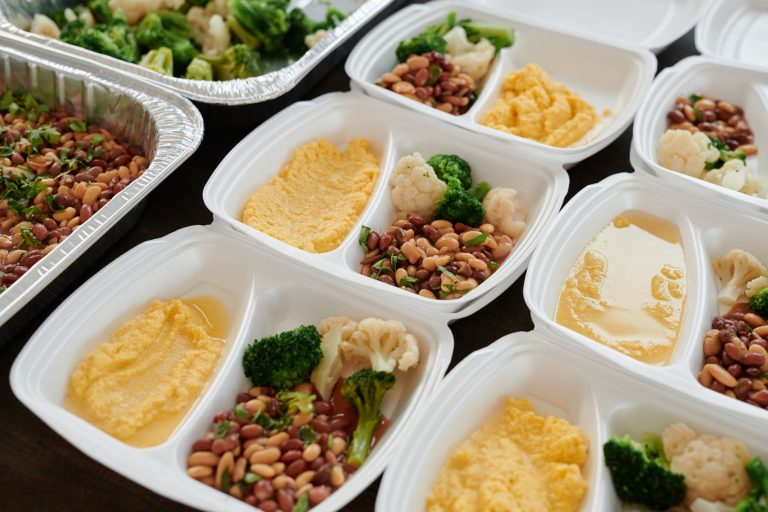
A calorie ceiling that some people find surprisingly livable, and others really shouldn’t attempt.
Calories are just energy. Every bite and sip you take carries some, and your body spends them keeping your heart beating, your muscles moving, and your brain running. Eat more than you burn over time, and the surplus tends to show up on the scale. The 1500-calorie diet is one attempt to close that gap by capping how much comes in each day.
The number itself is a starting line, not a magic figure. How many calories you actually need shifts with your age, sex, body size, genetics, and how much you move. Some people lose weight steadily at 1500 a day. Others find it either too tight or not tight enough. If you’re curious whether the idea holds up, it helps to look at what the research says, what belongs on the plate, and who has good reason to skip it entirely. That last group matters more than most articles admit.
Key Takeaways
- The 1500-calorie diet is a short-term, calorie-restricted plan built around whole foods and portion awareness.
- One trial found people at 1500 kcal/day regained less weight after a year than those on a stricter 1000 kcal/day plan, hinting it may be easier to stick with.
- It leans on vegetables, fruit, whole grains, and lean protein while cutting sugary and heavily processed foods.
- Calorie needs are personal, so 1500 may undershoot what an active body requires.
- Anyone with an eating disorder history, a demanding activity level, or who is pregnant or nursing should avoid it and talk to a professional first.
Where the Number Comes From
The plan asks you to land around 1500 calories daily and use that ceiling to nudge weight down or hold it steady. Does capping calories work? To a point, yes. Eating less than you burn lowers the odds of gaining, and one randomized trial makes an interesting case for this particular level. Researchers followed 125 women with obesity, splitting them between a 1500 kcal/day plan and a stricter 1000 kcal/day plan. The stricter group dropped more weight during the study. A year out, though, the 1500-calorie group had regained noticeably less (1).
That’s a point in favor of the gentler cut being more sustainable. But one study can’t settle whether low-calorie diets deliver lasting results for most people, and a figure that suits one body may leave another underfed or drained. For weight loss you can actually maintain, a registered dietitian can tailor the numbers to you rather than handing you a generic target. If you’d rather ease in without a rigid count, the principles behind setting up a sensible calorie deficit are a softer place to start.
Foods Worth Keeping on the Plate
 Save
SaveWith only 1500 calories to spend, every choice carries more weight, so filling foods that also deliver nutrients earn their spot. Think vegetables and fruit for volume and fiber, whole grains like oats and quinoa, and lean protein to hold hunger at bay.
Oats are a good example of why this works. They’re rich in fiber, and studies link them to a stronger sense of fullness (4). A breakfast that keeps you satisfied until lunch quietly protects you from the mid-morning raid on the snack drawer. Beans, leafy greens, berries, eggs, fish, and skinless poultry all pull similar double duty. If you want ideas that don’t feel like punishment, these light recipes that fill you up fit a tight calorie budget well, and a batch of homemade protein shakes can cover a quick meal without much fuss.
What to Leave Off
The flip side is knowing which foods burn through your allowance and give little back. Cookies, ice cream, potato chips, instant noodles, and other sugary or heavily processed items can swallow a big chunk of your 1500 calories while barely moving the nutrition needle. A single pastry can cost as much as a full, satisfying meal built from whole ingredients.
You don’t need a long banned list so much as a habit: reach for whole, minimally altered foods, and treat the packaged stuff as occasional rather than routine. That single shift does most of the work.
Building a Balanced Day
 Save
SaveHitting a calorie target is only half the job. The other half is spreading those calories across the right nutrients so you feel decent while you do it.
Get Your Macros in Roughly the Right Place
Balance matters as much as the total. The Institute of Medicine suggests 45% to 65% of your calories come from carbohydrates, a key source of fiber and other nutrients (2). Protein is worth guarding too, with a common baseline around 0.8 grams per kilogram of body weight (3). Fats round out the rest. You don’t have to weigh everything, but a rough sense of the split keeps meals from tilting into all-carb or all-protein territory.
Mind Your Portions
Portion size is where good intentions often slip. One study found that portion-guided plates helped people adopt healthier eating patterns (5). A simple rule of thumb: half the plate for vegetables, a quarter for protein, a quarter for a starch. It’s a low-effort way to build a balanced meal without a scale.
Let Lifestyle Do Some Lifting
Food isn’t the whole picture. Better sleep appears to support weight and fat loss (6), and pairing a low-calorie diet with exercise may lift resting metabolic rate in people with obesity (7). These findings aren’t the final word, but regular movement, steady hydration, and skipping cigarettes and alcohol all stack the odds in your favor. A few more habits help: read food labels, space meals out so hunger never spikes, favor grilling, baking, boiling, or steaming over frying, and jot intake in a food diary or app. If you’re excessively hungry or wiped out, that’s a signal to raise your intake, not push through.
Drawbacks Worth Taking Seriously
This is a restrictive, short-term approach, not a lifestyle you settle into for years. The bigger caution is who it doesn’t fit. People with a history of disordered eating, those managing underlying health conditions, anyone with a very active lifestyle, children, and pregnant or breastfeeding women should not attempt a 1500-calorie cap without medical guidance. For very active bodies especially, 1500 can be well under what a day actually demands, and running that deficit can leave you depleted rather than lighter. Cutting calories without care can also crowd out key vitamins and minerals your body still needs (8).
Frequently Asked Questions
How much weight might I lose on a 1500-calorie diet?
Anecdotally, some people drop around a pound a week, but there’s no guarantee. Your results depend on your baseline needs, activity, and how consistent you stay.
Can I do this diet long-term?
It’s built for short-term use. Long stretches of restriction can backfire, and it isn’t a great tool for lasting weight management on its own. A tailored plan from a dietitian is the safer route for the long haul.
Do I have to exercise while following it?
You don’t have to, but movement helps. Research suggests exercise alongside a low-calorie diet may raise resting metabolic rate and support fat loss. Follow whatever your healthcare provider recommends for your situation.
The Bottom Line
A 1500-calorie diet is a straightforward way to rein in intake, and one trial hints it may be easier to sustain than harsher cuts. Its usefulness rests entirely on filling those calories with real, nutrient-dense food rather than empty ones. Just remember that 1500 is a generic figure, not a personalized prescription. If your body is active, growing, pregnant, or healing, this cap likely isn’t for you, and a registered dietitian can set a number that actually fits your life.
This article is for informational purposes only and is not a substitute for professional medical advice. Consult a qualified healthcare provider or registered dietitian before starting any calorie-restricted diet, especially if you have an existing health condition.
Related Articles
How to Set Up a Calorie Deficit Without Wrecking Your Energy (or Your Muscle)
Light Food Recipes: Six Easy Everyday Meals
The Homemade Protein Shakes I Reach For Instead of Store-Bought Powder
The 800-Calorie Diet Explained (and Why You Should Never Try It Without a Dietitian)
How to Eat a Balanced Diet Without Counting Every Calorie