
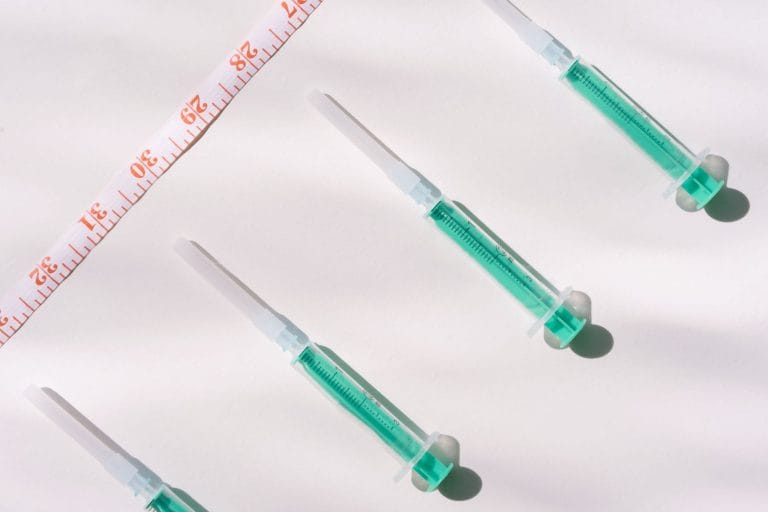
A pregnancy hormone, a 500-calorie menu, and decades of controversy, all in one diet plan.
The HCG diet has been circulating since the 1950s, and it keeps resurfacing every few years with the same bold promise: rapid fat loss, especially from stubborn spots like the belly and hips. The plan combines daily doses of human chorionic gonadotropin (HCG), a hormone made during pregnancy, with a severely restricted intake of roughly 500 to 800 calories a day.
The catch is that regulators and researchers have looked at this diet closely, and the picture is not flattering. The U.S. FDA approves HCG only as a prescription drug for infertility. It has never approved HCG products for weight loss, it actively warns consumers against using them that way, and it requires prescription HCG to carry a label stating plainly that the hormone has not been shown to increase weight loss, to redistribute fat, or to reduce the hunger of a very low calorie diet (1). Here is what the diet involves, where the claims came from, and what the evidence says.
Key Takeaways
- The HCG diet pairs hormone injections, drops, or tablets with about 500 to 800 calories a day — a starvation-level intake.
- Controlled trials comparing HCG against placebo, both are on the same 500-calorie menu, found no difference. The hormone adds nothing (8, 9, 10).
- The FDA has never approved HCG for weight loss, requires prescription HCG to carry a label saying it does not help, and treats over-the-counter HCG diet products as illegal (1).
- Real risks include muscle loss, nutrient deficiencies, fatigue, gallbladder problems, and a raised clotting risk (9, 14, 15).
- Anyone pregnant or breastfeeding, with a history of disordered eating, or with heart, kidney, or liver disease should not attempt it.
- What works instead is unglamorous and well documented: a moderate deficit, enough protein, sleep, and time.
What HCG Actually Is
 Save
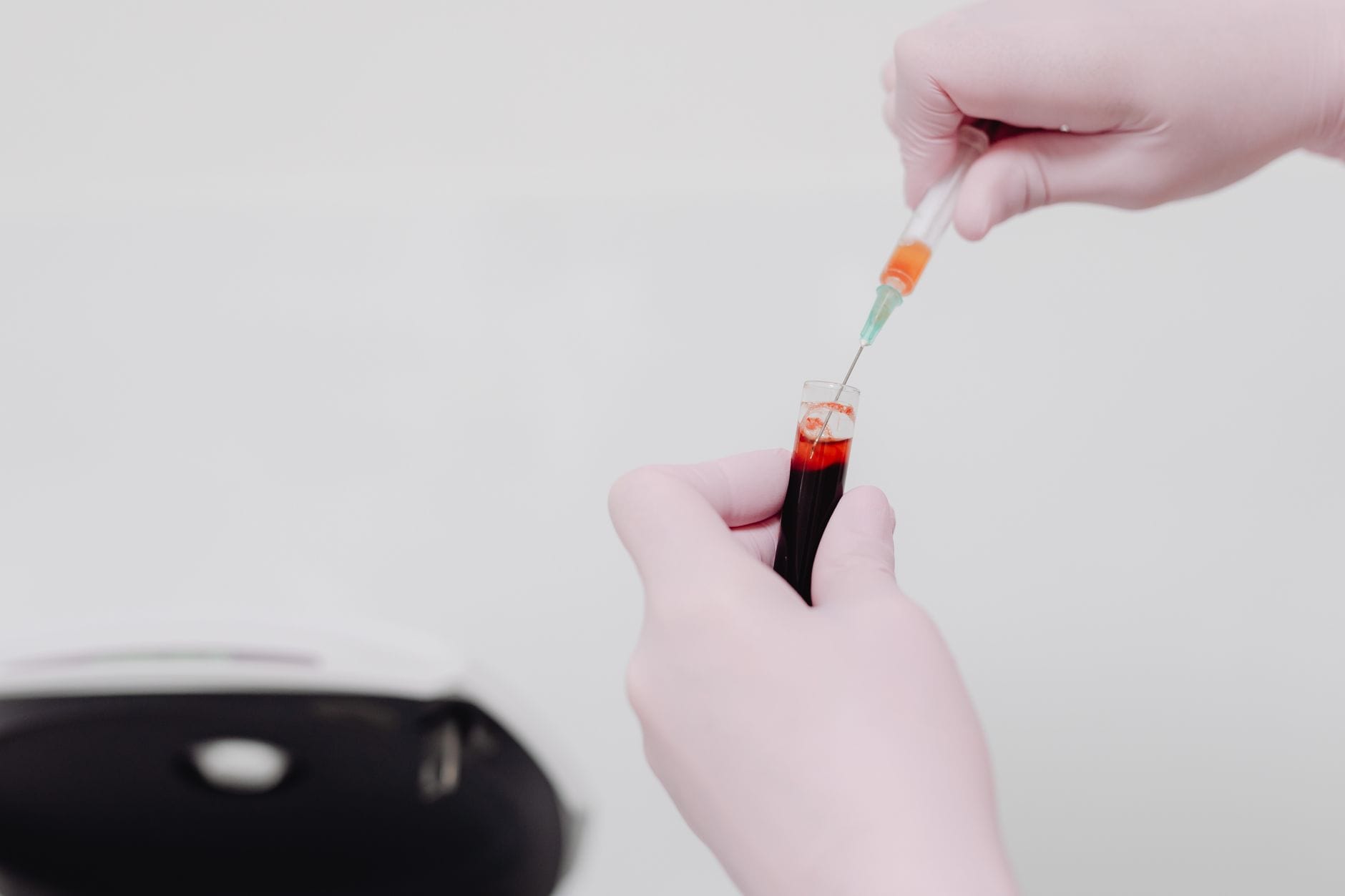
SaveHuman chorionic gonadotropin is often called the pregnancy hormone because it is produced by tissues in the placenta. Its day job has nothing to do with dieting. HCG signals the body to make hormones such as estrogen and progesterone, which thicken the uterine lining and support a developing embryo (3, 5).
Doctors rely on it constantly. Blood and urine HCG levels confirm a pregnancy and help track how it is progressing. The hormone supports embryo implantation and helps generate regulatory immune cells that stop the mother’s immune system rejecting the fetus (6). It even serves as a marker for diagnosing certain rare cancers, such as choriocarcinoma (4).
HCG also has a legitimate role in fertility treatment. Physicians may prescribe it alongside other medications to support ovarian follicle development and improve the odds of conception (7). That clinical use is the only one the FDA has signed off on.
Why Does Anyone Think a Pregnancy Hormone Burns Fat?
The idea traces back to 1954, when a British physician named Albert Simeons proposed that small doses of HCG could suppress appetite, boost metabolism, and coax the body into burning stored fat from areas like the thighs and midsection. Pair that with a near-starvation menu, he argued, and the pounds would fall off while lean muscle stayed intact.
It is a tidy theory. It just has never held up, and it has been tested properly. The decisive design is simple: put two groups on the same 500-calorie menu, give one the hormone and the other a placebo, and see whether they differ. They do not. A 1987 risk-benefit analysis of exactly this comparison found no advantage from the hormone (8), a 2016 review of the evidence and the associated risks reached the same conclusion (9), and a 2020 evidence review asked directly whether the HCG diet provides additional weight loss and answered no (10). One pharmacology journal summarised the whole business in its title, calling it a fraudulence (2). When people on the plan do lose weight quickly, it is the severe calorie restriction doing it, along with the water and glycogen that go early when carbohydrates are cut hard — which is why the first week looks so dramatic and why so much of it returns (15). The appetite-suppression claim has no support either, although a low-carbohydrate pattern on its own does tend to blunt hunger a little (11).
The Three Phases
The plan typically runs up to six weeks.
| Phase | How long | What it involves |
|---|---|---|
| Loading | 2 days | High-calorie, high-fat eating while the HCG doses start |
| Calorie-restricted | 3 to 6 weeks | Roughly 500 to 800 calories a day while the hormone continues |
| Maintenance | After the restriction | Calories raised gradually back toward normal |
| For comparison | — | Medically supervised very low calorie diets sit at around 800 calories and are monitored precisely because that level carries risk (15) |
The diet typically runs up to six weeks and moves through three stages:
- The loading phase. For two days you eat high-calorie, high-fat food while starting the HCG doses, supposedly to prepare the body for what comes next.
- The calorie-restricted phase. The core of the plan, three to six weeks, with intake down to roughly 500 to 800 calories while the hormone continues.
- The maintenance phase. Calories are gradually increased back toward normal.
Proponents insist the hormone should be taken under medical supervision, whether by injection, drops, or oral tablets. That supervision matters, but it does not change the underlying arithmetic. Five hundred calories a day is far below the intake an adult needs, supervised or not, and it sits below even the medically supervised very low calorie diets used in clinical settings, which are typically around 800 calories and are monitored precisely because that level carries risk (15).
What a Day of Eating Looks Like
 Save
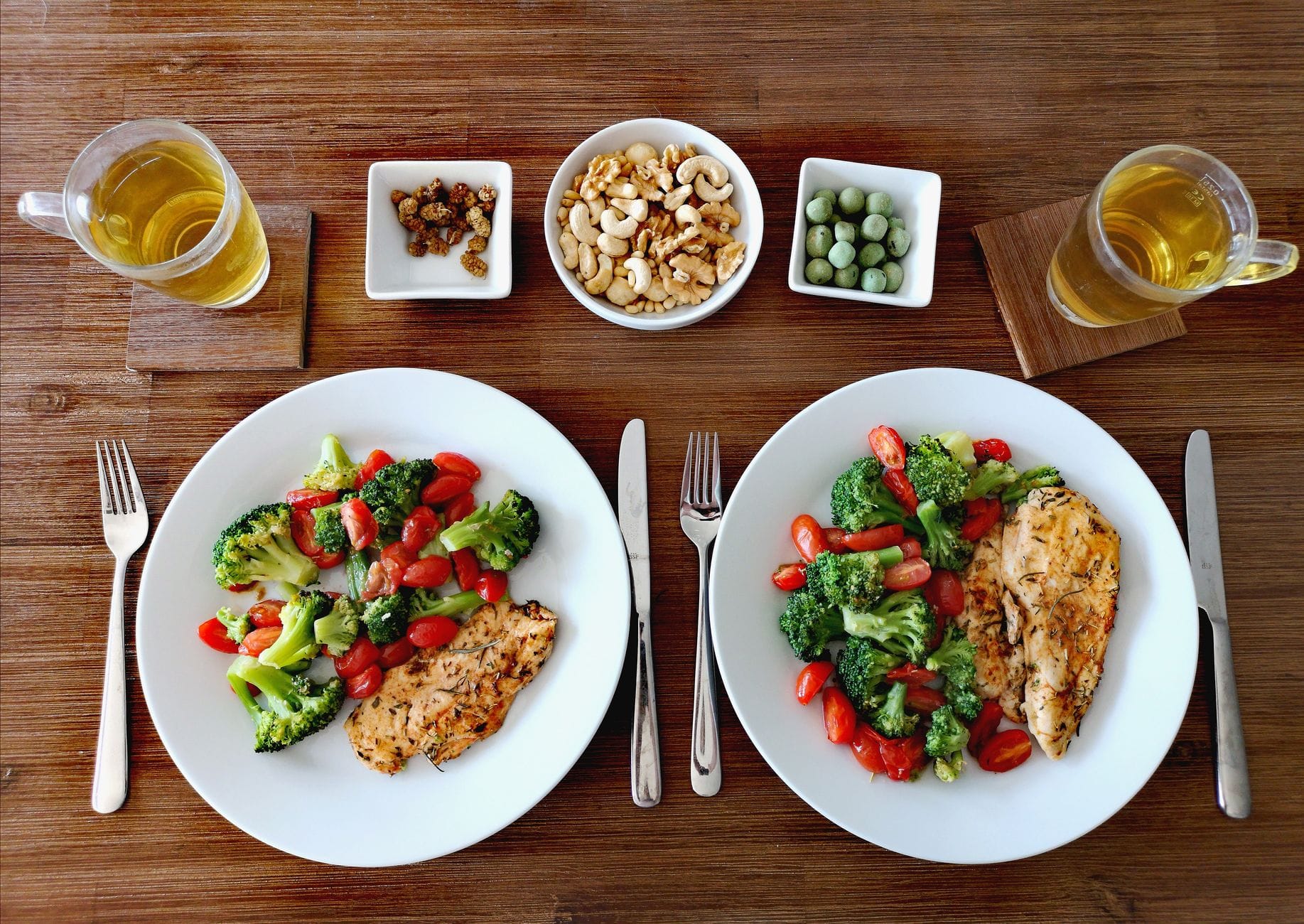
SaveMenus during the restricted phase lean heavily on lean proteins and vegetables, with carbohydrates and fats kept to a minimum. Portions are small by design, since there is only so much food that fits into 500 calories.
Anyone who has tried eating this little can guess how it feels after a week or two. Energy dips, workouts suffer, and hunger becomes a constant background noise. This is part of why the plan is meant to be followed only under medical supervision, if at all.
The Risks Are Real
This is where the diet stops being a curiosity and becomes a genuine safety concern. Reported and potential side effects include:
- Muscle loss along with fat. Aggressive restriction without adequate protein costs you lean tissue, and lean tissue is what keeps your metabolic rate up afterwards (14).
- Nutritional deficiencies. It is not realistic to meet vitamin and mineral needs on 500 calories.
- Gallbladder problems. Rapid weight loss on very low calorie intakes is an established trigger for gallstones.
- Fatigue, irritability, and fluid retention. Reported consistently by people who try it.
- A raised risk of blood clots and blood vessel blockage (9).
- Regain. Weight comes back when normal eating resumes, and it tends to come back with a worse body composition than you started with (15).
Certain groups should never attempt it: pregnant or breastfeeding women, people with a history of eating disorders, anyone with heart, kidney, or liver problems, and people on certain medications. There is a legal wrinkle too. The over-the-counter drops, sprays, and pellets sold online as “homeopathic HCG” are not approved for sale at all, and the FDA has told companies to stop marketing them (1). Many contain no meaningful HCG anyway, which is its own kind of answer about whether the hormone is what is producing the results.
If quick weight loss is the goal, a conversation with a healthcare professional will get you to safer, more durable options than a hormone the evidence says is doing nothing.
What Works Instead
The reason the HCG diet keeps coming back is that the alternative sounds boring. It is boring. It also works, and it does not require a hormone or a 500-calorie menu.
A moderate deficit rather than a severe one. A smaller gap between what you eat and what you burn is slower on paper and faster in practice, because you can hold it for months instead of abandoning it in week three. Here is how to set up a calorie deficit without wrecking your energy, and what a 1500-calorie day actually looks like on a plate.
Enough protein to keep your muscle. This is the single biggest difference between losing fat and losing weight. Diets that skimp on protein while cutting hard take a measurable bite out of lean mass (14), and that is the part you least want to lose. A balanced plate handles this without any arithmetic.
Sleep, which is not optional. Short sleep undermines weight loss and makes maintenance harder, and it is one of the more reliably documented findings in this field (13). People who are struggling despite doing everything right at the table are often losing the argument at 1 a.m.
Stress, which is the same story. Chronic stress changes appetite and where the body stores fat, and some people are considerably more susceptible than others (12). If restriction has repeatedly failed for you, this is worth looking at before blaming willpower.
None of that promises a stone in six weeks. That is the point — the promise is what makes the HCG diet attractive and what makes it unreliable.
Frequently Asked Questions
Does the HCG hormone itself cause weight loss?
No. Research suggests the weight loss seen on this diet comes from the drastic calorie cut, not the hormone. Studies have found no concrete evidence that HCG affects fat loss, metabolism, or appetite.
Is the HCG diet approved by the FDA?
No. The FDA approves HCG only as a prescription treatment for infertility. It has not approved any HCG product for weight loss and warns consumers to avoid HCG diet products.
How long does the HCG diet last?
It is a short-term plan, usually up to six weeks, split into a two-day loading phase, a calorie-restricted phase of three to six weeks, and a phase where calories are gradually restored.
Is the HCG diet safe?
Not really, and the risk comes from the calorie level more than the hormone. Five hundred calories a day is below what is used even in medically supervised very low calorie programmes, and it carries a genuine risk of muscle loss, nutrient deficiencies, gallstones, and blood clots. Supervision reduces the danger but does not remove it, and since the hormone has not been shown to add anything, you are accepting the risk for no measurable return.
How much weight can you lose on the HCG diet?
People commonly report one to two pounds a day early on, which sounds impressive and is mostly water and glycogen rather than fat. The same loss happens on 500 calories without any hormone at all — that is precisely what the placebo-controlled trials showed. Most of it returns when normal eating resumes.
Are HCG drops and homeopathic HCG legal?
No. The FDA has stated that over-the-counter HCG weight loss products, including drops, sprays, and pellets sold as homeopathic, are not approved and are illegal to sell. Testing has also found many of them contain little or no actual HCG.
Why does the HCG diet still have so many success stories?
Because starving works in the short term, and the people telling the stories are usually two weeks in rather than two years out. The hormone gets the credit for what the 500-calorie menu is doing, and the regain that follows is rarely part of the testimonial.
The Bottom Line
The HCG diet produces fast results for the least interesting reason possible: it is a starvation-level diet with a hormone attached. The hormone appears to add nothing except cost and risk, and the calorie level brings problems of its own, from muscle loss to nutritional gaps to likely regain. With the FDA warning against HCG weight loss products outright, this is one trend better left in 1954. If you want lasting weight loss, the dull version above — a moderate deficit, enough protein, decent sleep — will serve you better than any hormone, and a healthcare professional can help you build it around your own circumstances.
This article is for informational purposes only and is not a substitute for professional medical advice, diagnosis, or treatment. Always consult a qualified healthcare provider before starting any diet, supplement, or weight loss program.
Related Articles
Calorie Deficit Diet Guide for Safe Weight Loss
Optavia Diet: The Trial, the Risks, the Rebrand
Balanced Diet Guide With the 5 Food Groups
Dr. Now Diet Plan: 1,200-Calorie Rules, Foods and Risks