

How the Dr. Now diet plan works, the food list, what research on pre-surgery diets shows, and why it is meant for supervised patients only.
The Dr. Now diet plan is the strict eating plan that bariatric surgeon Dr. Younan Nowzaradan, known from the TV show “My 600-lb Life,” gives patients before weight loss surgery. It limits intake to 1,200 calories or less a day, spread over two or three meals with no snacks, and focuses on lean protein and vegetables (1).
The plan itself has never been tested in a clinical trial. But low calorie diets before bariatric surgery have been studied, and they help explain why surgeons use them. This guide covers the rules, the food list, the evidence, and the risks of trying it on your own.
Key Takeaways
- The Dr. Now diet limits intake to 1,200 calories or less a day, with two or three meals and no snacks (1).
- In studies of 800 to 1,200 calorie diets before bariatric surgery, liver volume fell by 12% to 27% and weight by 4% to 17% (2).
- In a study of more than 480,000 patients, weight loss before bariatric surgery was linked to a lower risk of death within 30 days (4).
- NICE advises that diets of 800 to 1,200 calories be used only with specialist support, for no more than 12 weeks (6).
- Rapid weight loss is often followed by regain, and the body’s energy use can drop (9, 10).
What Is the Dr. Now Diet Plan?
Dr. Nowzaradan is a Houston bariatric surgeon who often requires patients with severe obesity to lose weight before he operates. He describes the plan in his book The Scale Does Not Lie, People Do (1).
The main purpose is surgical. People with severe obesity often have an enlarged, fatty liver, which can make it harder for the surgeon to reach the stomach during laparoscopic surgery. Diets before surgery shrink the liver: a systematic review of eight studies found that low calorie diets of 800 to 1,200 calories for 2 to 8 weeks reduced liver volume by 12% to 27%, mostly in the first weeks (2). Another review of very low calorie diets before surgery found liver volume fell by 5% to 20%, although the effect on surgical complications was unclear (3).
The FAT Rules
 Save
SaveThe plan is often summarized with the acronym FAT (1):
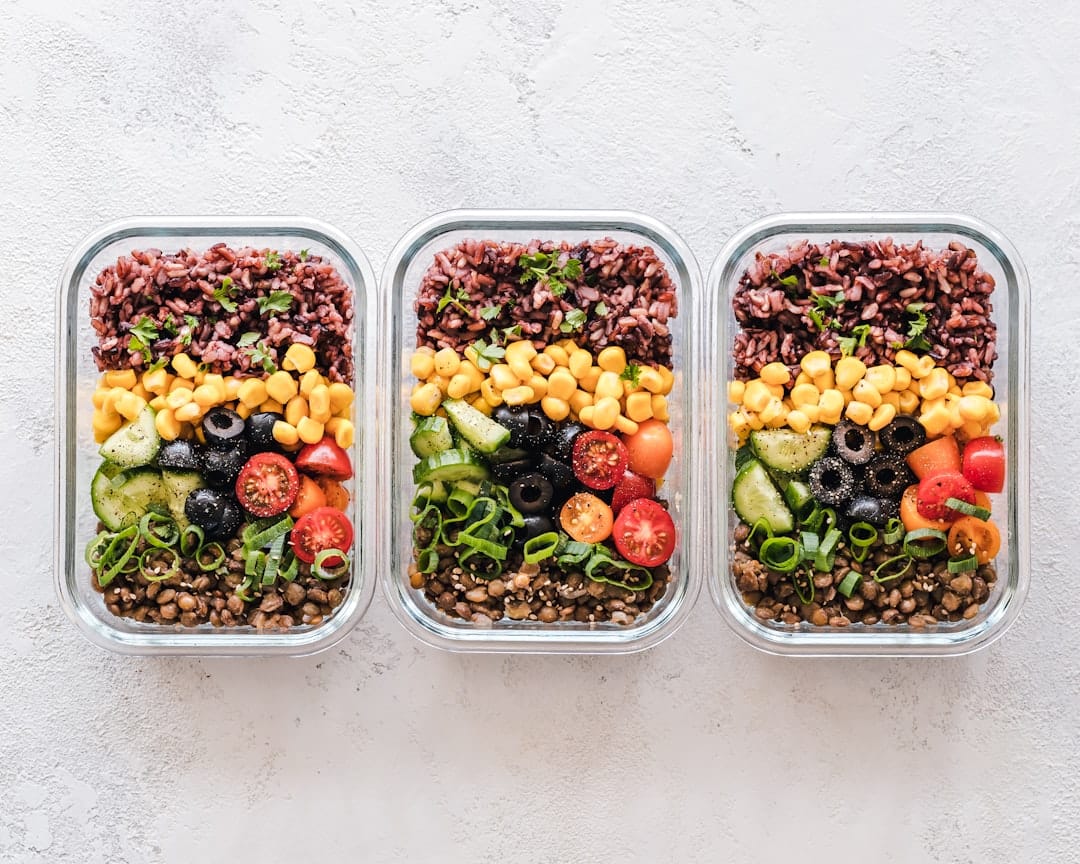
- Frequency: two or three meals a day, with no snacking between them.
- Amount: 1,200 calories or less a day, divided evenly between meals.
- Type: foods low in sugar, fat, and carbohydrates, with an emphasis on protein and fiber.
Dr. Now Diet Food List
 Save
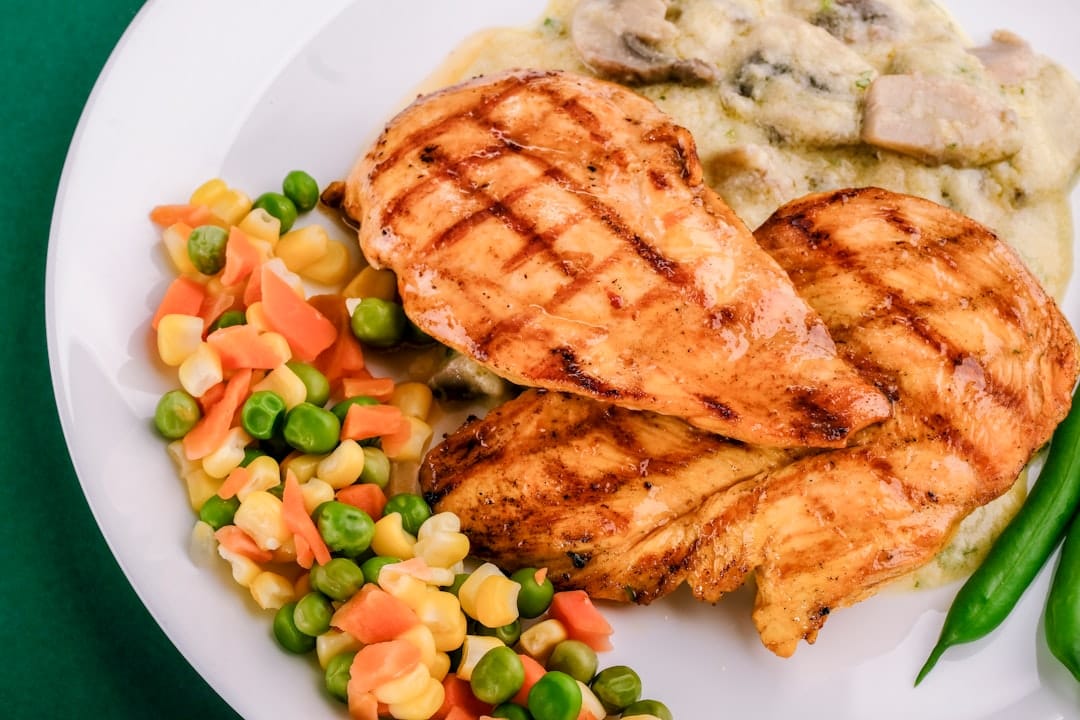
SaveThis list reflects published descriptions of the plan (1). Patients in a supervised program should follow the list their own care team provides.
| Food group | Allowed | Avoided |
|---|---|---|
| Protein | Egg whites, chicken or turkey breast, fish, beans, tofu | Eggs, fried meats, high-fat or processed meats, sugary protein shakes |
| Vegetables | Most vegetables | Potatoes and fries |
| Fruit | Lower-sugar fruits | Watermelon, cantaloupe, banana, mango, fruit juice |
| Grains | Limited whole-wheat bread, tortillas and pasta | Refined carbs, crackers, chips, popcorn |
| Dairy | Skim milk, nonfat plain yogurt | Full-fat dairy |
| Fats, nuts and seeds | Cooking spray, flax and chia seeds | Butter, oils, most nuts and seeds |
| Sweet foods | Zero-calorie sweeteners | Sweets and foods with added sugar |
Does the Dr. Now Diet Work?
No study has tested the Dr. Now diet by name, so the evidence comes from similar diets.
Weight loss before surgery. In the review of 800 to 1,200 calorie diets before bariatric surgery, weight fell by 4% to 17% (2). In a small trial, women with obesity who ate about 1,200 calories a day for 13 days reduced fat mass and improved insulin sensitivity (7).
Surgical outcomes. In a study of 480,075 patients in the United States and Canada, those who lost weight before bariatric surgery had a lower risk of dying within 30 days, even with less than 5% weight loss; with 10% or more weight loss, the odds of death were about 42% lower. The study was observational, so it shows a link rather than proof (4). A systematic review found that mandatory weight loss before surgery was linked to greater weight loss after surgery in half of the studies that looked at it (5).
Protein. Higher-protein diets tend to be more filling than diets higher in carbohydrate or fat and may help preserve lean muscle during calorie restriction (8).
Risks and Downsides
- Not meant for long-term use. NICE advises that diets of 800 to 1,200 calories should not be used as a long-term strategy and should last no more than 12 weeks with clinical support (6).
- Weight regain and slower metabolism. Former contestants of “The Biggest Loser” regained most of their lost weight over 6 years, and their resting energy use stayed about 500 calories a day lower than expected (9). The body’s adaptations to weight loss favor regain (10).
- Nutrient gaps. Eating this little makes it harder to meet nutrient needs, which is why supervised programs monitor patients (1, 6).
- Gut bacteria. A systematic review found that restrictive diets reduced the abundance of gut bacteria, including some beneficial types (12).
- Pace of loss. The CDC notes that people who lose weight gradually, about 1 to 2 pounds a week, are more successful at keeping it off (11).
Who Should Not Try It Alone
The Dr. Now diet is designed for patients preparing for bariatric surgery under medical supervision, not for general weight loss (1). NICE recommends low-energy diets of 800 to 1,200 calories only for people living with obesity, or with overweight and type 2 diabetes, as part of a program with specialist support (6). Talk to a doctor first if you take medicines for diabetes or blood pressure, are pregnant or breastfeeding, have a history of disordered eating, or have a chronic health condition.
If you are not preparing for surgery, a moderate calorie deficit or a 1,500 calorie diet is easier to sustain. For a closer look at even lower intakes, see our guide to the 800 calorie diet.
Frequently Asked Questions
What is the Dr. Now diet plan?
It is a 1,200 calorie or lower eating plan used by bariatric surgeon Dr. Younan Nowzaradan for patients preparing for weight loss surgery. It allows two or three meals a day with no snacks and focuses on lean protein and vegetables while cutting sugar, fat and refined carbs.
How much weight can you lose on the Dr. Now diet?
There are no studies of the Dr. Now diet itself. In studies of 800 to 1,200 calorie diets before bariatric surgery, people lost about 4% to 17% of their body weight over 2 to 8 weeks, and liver volume shrank by 12% to 27%.
Why does Dr. Now make patients lose weight before surgery?
Pre-surgery diets shrink the liver, which can make the operation technically easier. In a study of more than 480,000 bariatric surgery patients, even modest weight loss before surgery was linked to a lower risk of death within 30 days.
Can I do the Dr. Now diet without surgery?
It is not recommended without medical supervision. Guidelines advise that diets of 800 to 1,200 calories should only be used for people living with obesity or type 2 diabetes, with specialist support, for no more than 12 weeks.
Can you eat eggs on the Dr. Now diet?
Descriptions of the plan list egg whites as an allowed protein but whole eggs as a food to avoid.
The Bottom Line
The Dr. Now diet plan is a 1,200 calorie, no-snack, high-protein plan used to prepare patients for bariatric surgery. Research on similar pre-surgery diets shows they shrink the liver and produce short-term weight loss, and weight loss before surgery is linked to lower surgical risk. It is not designed for people trying to lose weight on their own. If you are interested, talk to your doctor, and borrow its better habits, such as more protein and vegetables and fewer sugary and processed foods, within a balanced diet.
This article is for informational purposes only and is not a substitute for professional medical advice, diagnosis, or treatment. Always consult a qualified healthcare provider before starting any low calorie diet, especially if you take medication or have a health condition.
Related Articles
800 Calorie Diet: Benefits, Risks and Sample Menu
Calorie Deficit Diet Guide for Safe Weight Loss
1500-Calorie Diet for Weight Loss, Food List & Plan
Balanced Diet Guide With the 5 Food Groups
Swimming for Weight Loss: What Trials Found
Optavia Diet: The Trial, the Risks, the Rebrand