
Are energy drinks bad for you? Measured rather than assumed: what 17 randomised trials found for blood pressure, why teenagers are the group of concern, and the one use case with the clearest harm.
Are energy drinks bad for you? The question gets argued in two unhelpful registers — harmless fizzy caffeine on one side, heart attack in a can on the other. The measured picture sits between them: 17 randomised trials found a real, short-term rise in blood pressure, and the clearest harm signal in the whole literature is not the drink alone but the drink mixed with alcohol (2, 7).
One fact worth having up front: the FDA does not have a regulation specific to energy drinks. Only the general rules on safe ingredient use apply (1).
Key Takeaways
- 17 RCTs: systolic blood pressure rose 4.71 mmHg at 60–80 minutes, moderate certainty (2).
- FDA cites 400 mg of caffeine a day as not generally associated with negative effects in adults (1).
- A large can can carry 160–300 mg — most of that allowance in one drink.
- Mixing with alcohol is associated with increased injury risk (7).
- Toxic effects such as seizures are estimated at rapid intake of about 1,200 mg of caffeine (1).
How Much Caffeine Is Actually In Them
| Source | Typical caffeine | Against the 400 mg guide |
|---|---|---|
| Cup of brewed coffee (12 fl oz) | roughly 140–180 mg | Two to three cups is where FDA puts the daily figure for most adults (1) |
| Standard energy drink (8–12 fl oz) | roughly 80–160 mg | Often comparable to a coffee |
| Large energy drink (16–20 fl oz) | roughly 160–300 mg | One can may be most of a day’s caffeine |
| Energy shot (2–3 fl oz) | roughly 150–250 mg | Small volume, fast intake |
| Rapid intake of pure caffeine | ~1,200 mg | The level at which FDA estimates toxic effects such as seizures (1) |
Two things make this harder than it looks. There is no standard strength — formats range from a small can to a 20-ounce bottle, and caffeine scales with them. And some products contain additional caffeine-bearing ingredients such as guarana, which the FDA specifically notes may appear on the label under their own names (1).
The FDA’s figure of 400 mg a day for most adults is not a safety cliff; it is the level not generally associated with negative effects, with the agency noting wide variation in how sensitive people are and how quickly they clear caffeine (1). Worth separating from the caffeine, too: the lift people describe is not the sugar. The sugar rush turns out not to exist in the trial data.
Caffeine By Brand, And Why Sugar-Free Changes Nothing
Ranges by can size are the honest way to put it, but most people are asking about one particular can. The USDA’s food survey database carries measured caffeine figures for named drinks, reported per 100 g 9:
| Drink | Caffeine per 100 ml | A 250 ml can | A 473 ml (16 oz) can |
|---|---|---|---|
| No Fear | 38 mg | about 95 mg | about 180 mg |
| NOS | 34 mg | about 85 mg | about 161 mg |
| Monster | 33 mg | about 82 mg | about 156 mg |
| Rockstar | 33 mg | about 82 mg | about 156 mg |
| Full Throttle | 33 mg | about 82 mg | about 156 mg |
| Any sugar-free energy drink | 32 mg | about 80 mg | about 151 mg |
| Red Bull | 29 mg | about 72 mg | about 137 mg |
| Generic energy drink | 29 mg | about 72 mg | about 137 mg |
The per-can columns are approximate. USDA reports per 100 g and these are scaled on the assumption that an energy drink weighs about the same as water, which is close enough for a sugary soft drink but is a calculation, not a measurement. Formulations also change, and the can in your hand prints its own figure.
Now the row worth stopping on. The entry for a sugar-free energy drink comes in at 32 mg per 100 ml 9 — sitting squarely in the middle of the sugared ones, above Red Bull and level with Monster. Sugar-free versions remove the sugar and the calories. They do not remove the caffeine, and that is the ingredient this whole page is about. If you switched to sugar-free to be sensible about energy drinks, you changed the thing that was not driving the blood pressure finding below.
Energy Drinks Side Effects, By Question
| The question | What the research shows | Verdict |
|---|---|---|
| Do they affect the heart? | A meta-analysis of 17 randomised trials found energy drinks raised systolic and diastolic blood pressure and cardiac output. The clearest signal was systolic pressure +4.71 mmHg at 60–80 minutes (95% CI 2.97–6.45), graded moderate certainty (2) | Measurable, short-term |
| Do they affect heart rhythm? | A separate systematic review and meta-analysis examined the impact of acute energy drink consumption on electrical heart disease, including the QT interval (3) | An active research question |
| Are they a problem for teenagers? | Reviewed repeatedly — a 2016 rapid review and a 2024 systematic review both examined consumption by children and young people and the associated harms (4, 5), and arrhythmia risk in the young has been reviewed specifically (6) | The group of most concern |
| Is mixing with alcohol worse? | A systematic review supports an association between alcohol mixed with energy drinks and increased injury risk, though the size is hard to pin down (7). A separate review examined aggressive behaviour (8) | Yes, avoid |
| Are they regulated as a category? | The FDA does not have a regulation specific to energy drinks — only the general rules on safe ingredient use apply (1) | Read the label yourself |
The blood pressure finding, in context
 Save
SaveThis is the best-quantified effect, so it is worth stating precisely rather than dramatically.
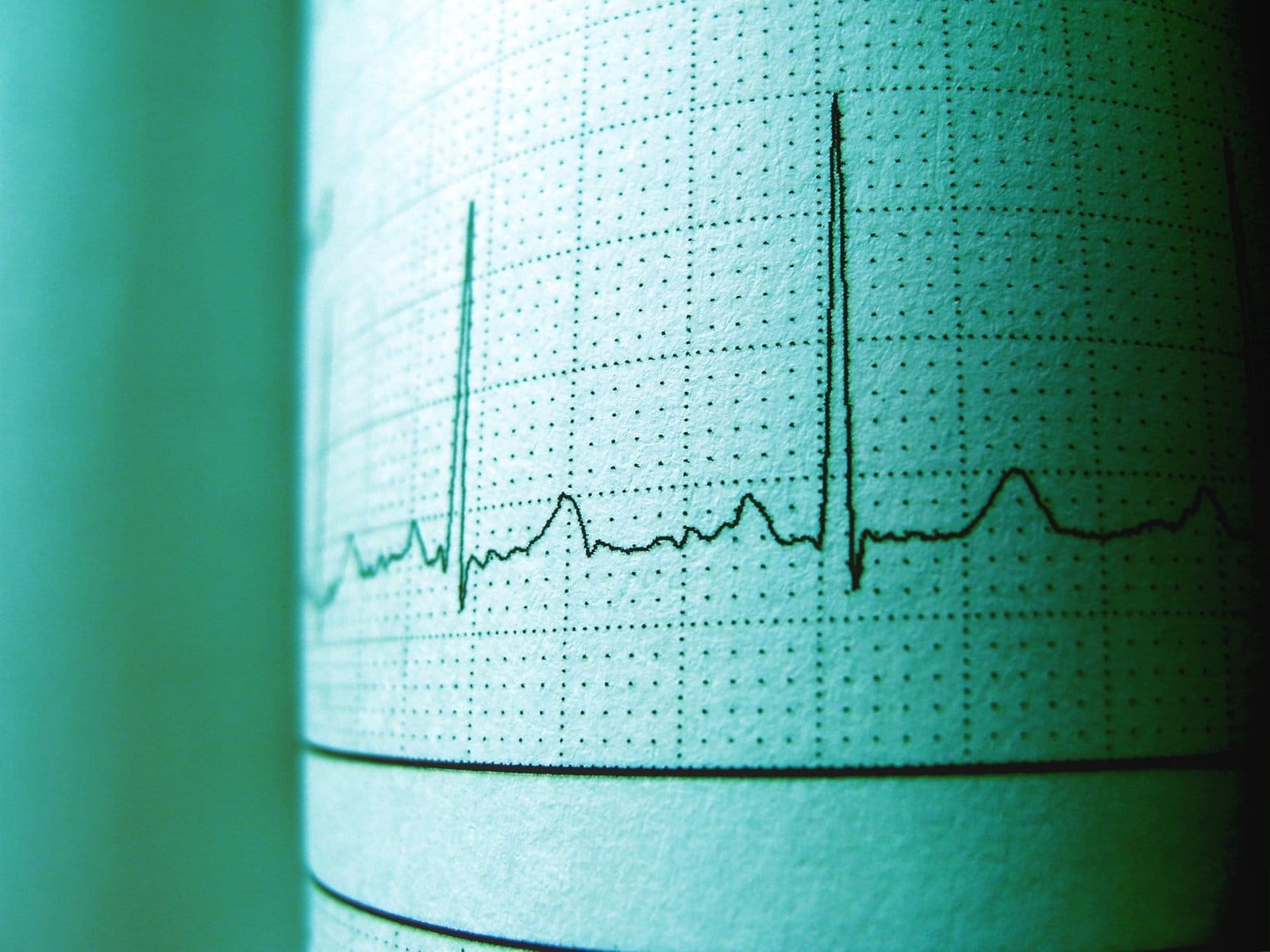
A systematic review and meta-analysis screened 2,014 studies and pooled 17 randomised controlled trials examining what energy drinks do acutely in healthy adults. Consumption raised systolic blood pressure, diastolic blood pressure and cardiac output at various time points, with the most pronounced effect on systolic pressure 60 to 80 minutes after drinking: +4.71 mmHg (95% CI 2.97–6.45), graded as moderate certainty (2).
How worried should you be? The reviewers were candid about quality: of the 17 trials, 11 had “some concerns” over risk of bias and 6 were rated high risk. And a temporary 4.7 mmHg rise in a healthy young adult is not the same event as it would be in someone with uncontrolled hypertension or a known arrhythmia.
Heart rhythm is the other half of the question. A separate systematic review and meta-analysis looked specifically at the impact of acute energy drink consumption on electrical heart disease, including the QT interval (3) — an active area rather than a closed one.
Teenagers: the group the research keeps returning to
If there is a consistent theme across this literature, it is age.
Consumption by children and young people was examined in a rapid review of the evidence on physical, mental and educational harms (5), and again in a 2024 systematic review (4). The arrhythmogenic risks of caffeine specifically in children and adolescents have been reviewed in the paediatric cardiology literature (6).
The practical reasoning is simple enough without needing a dramatic claim. Body size is smaller, caffeine sensitivity varies enormously, a single large can may exceed anything reasonable for a teenager, and these products are marketed hard at exactly this group. Sleep disruption alone is a sufficient argument during a school week. If sleep is the reason for reaching for one in the first place, that is worth tackling directly — we compared what the trials found for magnesium and melatonin.
Mixed with alcohol: the clearest harm
This is where the evidence is least ambiguous about direction.
A systematic review of alcohol mixed with energy drinks supports an association with increased risk of injury compared with alcohol alone, while noting that variability in outcomes and methods makes the magnitude hard to pin down (7). A separate review examined aggressive behaviour in adolescents and young adults using the combination (8).
The mechanism usually proposed is straightforward: caffeine masks the sedative feel of alcohol without reducing the impairment. You feel more sober than you are, and behave accordingly.
Who Should Be Careful
- Anyone with high blood pressure or a heart rhythm disorder — the measured pressure rise is small but real (2).
- Teenagers and children — the group the research repeatedly flags (4, 5, 6).
- Anyone drinking alcohol — the combination is the clearest risk (7).
- Anyone sensitive to caffeine, since the FDA notes sensitivity and clearance vary widely (1).
- Anyone who sleeps badly — caffeine late in the day is a predictable cause, and the rest of your routine cannot compensate for it.
Frequently Asked Questions
How much caffeine is in Red Bull and Monster?
USDA’s survey database gives Red Bull 29 mg of caffeine per 100 ml and Monster 33 mg, with Rockstar and Full Throttle also at 33 and NOS at 34. Scaled to a can, that is roughly 73 mg for a 250 ml Red Bull and roughly 156 mg for a 473 ml Monster, though those per-can figures are a calculation rather than a measurement. The more useful comparison: a sugar-free energy drink in the same database is 32 mg per 100 ml, in the middle of the sugared ones. Going sugar-free removes the sugar, not the caffeine.
Are energy drinks bad for your heart?
They have a measurable short-term effect, and how much that matters depends on who you are. A meta-analysis of 17 randomised controlled trials in healthy adults found energy drinks raised systolic blood pressure, diastolic blood pressure and cardiac output, with the clearest result being a rise of 4.71 mmHg in systolic pressure 60 to 80 minutes after drinking, at moderate certainty. In a healthy young adult a temporary rise of that size is not alarming on its own. In someone with existing high blood pressure, a heart rhythm disorder or a family history of sudden cardiac problems, it is a reason to be cautious. Heart rhythm effects, including the QT interval, have been reviewed separately and remain an active research question rather than a settled one.
How much caffeine is in an energy drink compared with coffee?
Often less than people assume, and sometimes far more. A standard 8 to 12 fluid ounce energy drink typically carries somewhere around 80 to 160 mg of caffeine, which is broadly comparable to a cup of coffee. The problem is the larger formats: a 16 to 20 ounce can can reach 160 to 300 mg, and a small energy shot can deliver 150 to 250 mg in a couple of mouthfuls. For most adults the FDA cites 400 mg a day, about two to three 12-ounce cups of coffee, as an amount not generally associated with negative effects. One large can plus a coffee can put you near that in a morning. Check the label, because there is no standard strength.
Are energy drinks safe for teenagers?
This is the group where concern is most consistent across the research. Consumption by children and young people has been examined in a rapid review and again in a 2024 systematic review, and the arrhythmia risk of caffeine in children and adolescents has been reviewed specifically. Younger bodies are smaller, caffeine sensitivity varies widely, and energy drinks are marketed heavily to exactly this group. The sensible position is that these are adult products, that the caffeine content of a single large can can exceed what is reasonable for a teenager, and that sleep disruption alone is a good enough reason to keep them out of a school week.
Is it dangerous to mix energy drinks with alcohol?
The evidence points one direction, and it is worth taking seriously. A systematic review of alcohol mixed with energy drinks supports an association with increased risk of injury compared with alcohol alone, although variability across studies makes the size of that risk hard to quantify precisely. A separate review examined aggressive behaviour in adolescents and young adults who combine them. The plausible mechanism is that caffeine masks the sedating effects of alcohol without reducing impairment, so people feel less drunk than they are. Whatever the exact numbers, mixing them is the use case with the clearest downside.
Are energy drinks regulated?
Less than most people assume. The FDA states plainly that it does not have a regulation specific to energy drinks; the general regulations about safe use of ingredients apply to them as to any beverage. That matters in practice because caffeine content varies enormously between products and formats, some contain additional caffeine-bearing ingredients such as guarana that may not be obvious, and the total dose in a large can is not standardised. Reading the label is not optional advice here, it is the only reliable way to know what you are drinking.
The Bottom Line
Energy drinks side effects are real, mostly short-term, and concentrated in specific situations rather than spread evenly. Seventeen randomised trials show blood pressure rises after drinking one, by about 4.71 mmHg systolic at the peak — meaningful if you already have hypertension or an arrhythmia, less so if you do not. The caffeine is often comparable to coffee in a small can and far higher in a large one, against an FDA figure of 400 mg a day for adults, and there is no standard strength because the category is not separately regulated. Teenagers are the group the research keeps returning to. And the clearest harm signal is not the drink by itself but the drink mixed with alcohol, which is associated with more injuries.
This article is for informational purposes only and is not a substitute for professional medical advice. Talk to your doctor before consuming energy drinks if you have high blood pressure, a heart rhythm disorder, or any cardiac condition, and seek urgent medical help for chest pain, fainting or a racing heartbeat.
Related Articles
Blood Pressure After Exercise: What the Data Shows
How to Increase Blood Oxygen Levels: What Actually Works
Balanced Diet Guide With the 5 Food Groups
How to Lower Blood Sugar Naturally: 8 Evidence-Based Habits