

What actually clears a pinworm infection, why the kitchen remedies do not, and the hygiene routine that stops it coming back.
Searches for home remedies for pinworms usually start at 2 a.m., with a child who cannot sleep for itching. The useful thing to know first is that this infection is fully treatable with anti-worm medicine (1). It is one of the few common problems where a single dose, repeated once, reliably ends it.
The previous version of this article listed garlic, apple cider vinegar, coconut oil and tea tree oil, and never named the medicines that actually work. That is the wrong way round, so we have rewritten it.
Key Takeaways
- Pinworm infection is fully treatable with anti-worm medicine (1).
- Treatment is one dose, repeated after 2 weeks, because the medicine kills worms but not eggs (1, 2).
- The whole household is usually treated together (1).
- No kitchen remedy has clinical evidence against pinworms (3, 4).
- Egg control at home is real and matters: laundry, nails, toilet seats (1).
What Pinworms Are
Enterobius vermicularis is one of the most common worm infections in the world, and most cases are in children (2). Adult worms are thin and white, a quarter to half an inch long, and can sometimes be seen around the anus at night. The eggs are microscopic (1).
Infection happens when eggs are swallowed, most often by hand-to-mouth contact after touching contaminated fabric, surfaces or personal items. Rarely, eggs are inhaled and then swallowed (2). Female worms lay eggs around the anus at night, which is why the itching is worse then, and why scratching restarts the cycle.
Risk factors are simply proximity and hygiene: school-age children, adults who care for children, and living with someone who is infected (2). Many people have no symptoms at all.
Symptoms
- Intense itching around the anus, worse at night (1)
- Difficulty sleeping, and irritability from broken sleep (1)
- Irritated or infected skin around the anus from scratching (1)
- Vaginal irritation in young girls, if a worm enters the vagina (1)
- Loss of appetite and weight, uncommon and only in severe infections (1)
Longstanding infection has been linked to vulvovaginitis and urinary tract infection in girls, and appendicitis has been reported (2). These are reasons to treat, not to panic.
How It Is Confirmed
The usual method is a tape test. A piece of cellophane tape is pressed against the skin around the anus and removed, done in the morning before bathing or using the toilet, because washing and wiping remove the eggs. The tape goes on a slide and is examined under a microscope (1, 2).
The Treatment That Works
| Medicine | How it is given | Note |
|---|---|---|
| Albendazole | 400 mg once, repeated 2 weeks later, on an empty stomach | Prescription in most countries (2) |
| Mebendazole | 100 mg once, repeated 2 weeks later | Prescription in most countries (2) |
| Pyrantel pamoate | 11 mg/kg up to 1 g, two doses 2 weeks apart | Available over the counter in the US (2) |
Two points matter more than the choice of medicine (1, 2):
- The second dose is not optional. These medicines kill worms, not eggs. The repeat dose two weeks later clears worms that hatched in the meantime.
- Treat the household. More than one member is usually infected, and treating one person while the others carry eggs is how infections repeat for months.
Which medicine and what dose is a decision for a doctor or pharmacist, particularly for young children and in pregnancy.
The Kitchen Remedies, Checked
 Save
Save| Remedy and claim | What is actually known | Verdict |
|---|---|---|
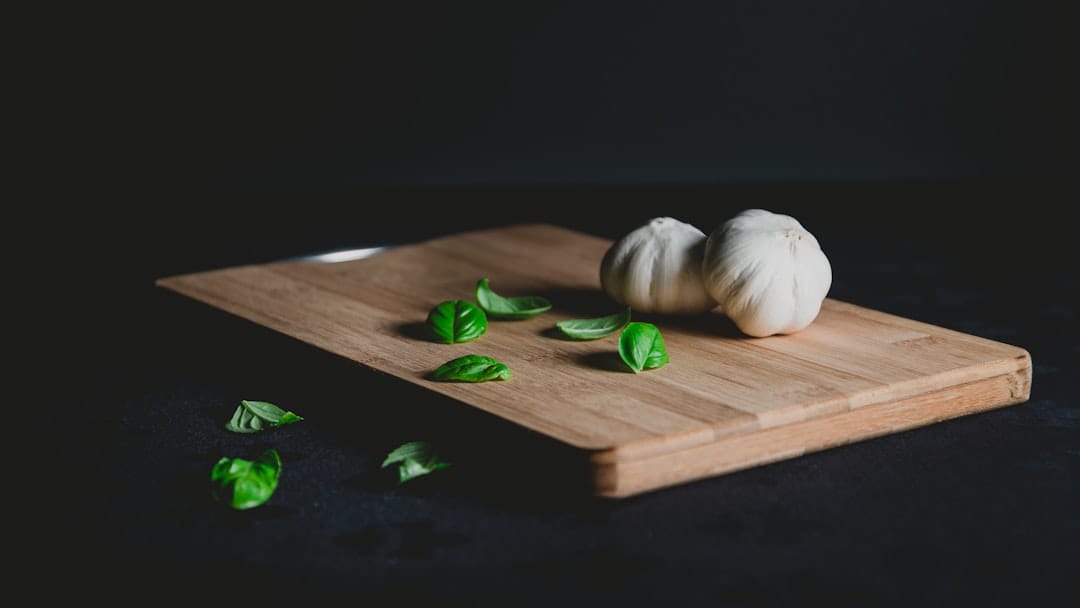
| Garlic eaten or applied as a paste kills pinworms | NCCIH summarises garlic research on cholesterol, blood pressure and blood sugar. There is no clinical evidence for pinworms (3) | Unproven |
| Apple cider vinegar changes body pH so worms cannot survive | Drinking vinegar does not change the pH of your body, and no study has tested it against pinworms | No |
| Coconut oil taken and applied nightly clears the infection | No clinical evidence in pinworm infection | Unproven |
| Tea tree oil applied around the anus | Tea tree oil can cause skin redness and irritation and must never be swallowed; swallowing it can cause confusion, unsteadiness and coma (4) | Avoid, especially in children |
| Hot washing of bedding and clothes helps | Egg control is a real part of treatment: wash bed linen twice a week, clean toilet seats daily, keep nails short (1) | Genuinely useful |
| Anti-worm medicine clears it | Pinworm infection is fully treatable with anti-worm medicine (1) | This is the cure |
The tea tree oil advice deserves a specific warning. NCCIH notes that tea tree oil can cause redness and irritation of the skin, and that it must never be swallowed, because doing so can cause confusion, unsteadiness, inability to walk and coma (4). Applying it around the anus of a small child, who then puts their hands in their mouth, is a genuinely bad idea.
The Part That Does Help at Home
 Save
SaveEgg control is real, and it runs alongside the medicine rather than replacing it (1):
- Wash all bed linen twice a week
- Clean toilet seats daily
- Keep fingernails short and clean
- Wash hands before meals and after using the toilet
- Avoid scratching the area, since it contaminates fingers and everything they touch
- Keep hands away from nose and mouth unless freshly washed
A bath early in the morning helps too, since it washes away eggs laid overnight (2). Wash hands after changing diapers and before eating.
When to Contact a Doctor
- You or your child has symptoms of pinworm infection (1)
- You have seen pinworms on your child (1)
- Symptoms return after treatment, which usually means reinfection rather than treatment failure (2)
While the household sorts itself out, ordinary routines help everyone cope: simple meals, as in our balanced diet guide, and the general habits in eating well. If a child has an upset stomach alongside, see our guide to calming diarrhea at home.
Frequently Asked Questions
What actually gets rid of pinworms?
Anti-worm medicine. Albendazole, mebendazole or pyrantel pamoate are given as a single dose and then repeated two weeks later, because the medicines kill the worms but not the eggs. The second dose clears worms that hatched after the first.
Do I need to treat the whole family?
Usually yes. More than one household member is likely to be infected, so the whole household is often treated at the same time. Reinfection between family members is the main reason infections drag on.
Do home remedies cure pinworms?
No. Garlic, apple cider vinegar, coconut oil and tea tree oil have no clinical evidence against pinworms. Tea tree oil in particular should not be applied around the anus of a child, and must never be swallowed.
How is it diagnosed?
Often with a tape test: clear tape is pressed to the skin around the anus first thing in the morning, before bathing or using the toilet, then examined under a microscope for eggs. Adult worms are a quarter to half an inch long and can sometimes be seen at night.
When should I see a doctor?
If you or your child has symptoms of pinworm infection, or if you have seen pinworms. Because the medicine is the treatment, there is no reason to delay.
The Bottom Line
Pinworms are unpleasant and contagious, and they are also one of the most straightforwardly curable infections there is. Anti-worm medicine, taken as one dose and repeated two weeks later across the whole household, ends it. Garlic, vinegar, coconut oil and tea tree oil have nothing behind them for this, and tea tree oil carries real risk in children. What genuinely helps at home is the unglamorous part: hot laundry twice a week, short nails, clean toilet seats, morning baths and washed hands.
This article is for informational purposes only and is not a substitute for professional medical advice, diagnosis, or treatment. Always consult a qualified healthcare provider about a suspected pinworm infection, especially in young children or during pregnancy, and about which medicine and dose is appropriate.
Related Articles
Home Remedies for Diarrhea: Rehydration and When to Worry
Balanced Diet Guide With the 5 Food Groups
Positive Effects of Healthy Eating: What Research Shows
Charley Horse Relief: Fast Fixes and What Research Shows
Home Remedies to Control Hair Fall: What the Evidence Says