
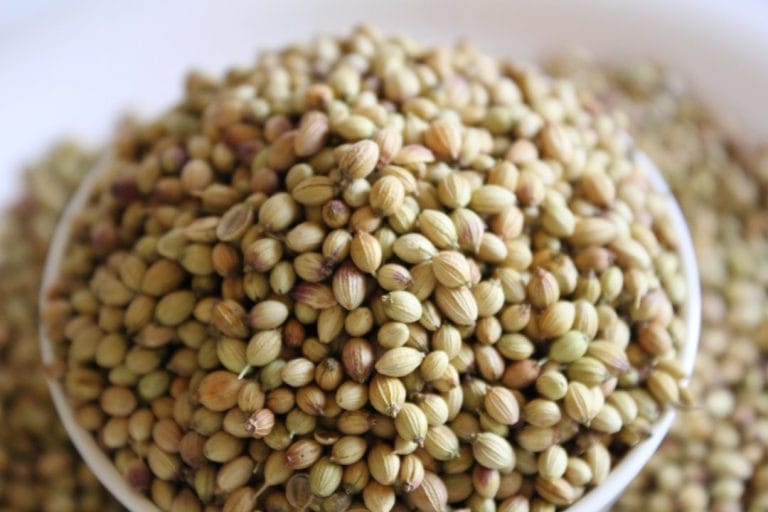
Those small amber seeds in your spice tin, known as methi in India, have a surprisingly long list of studied benefits.
Fenugreek is one of the oldest medicinal plants on record. Native to Central and Southeast Asia, and grown today from North Africa to the Mediterranean to the United States, it belongs to the same botanical family as soy. India produces most of the world’s supply, and roughly 80% of that comes from a single state, Rajasthan.
Cooks prize the seeds as a spice and flavoring agent. Researchers, meanwhile, have been studying them for everything from blood sugar control to hair thickness. Here is what the evidence actually shows, and how to use fenugreek without overdoing it.
Key Takeaways
– Fenugreek’s soluble fiber may help stabilize blood sugar, which makes it a useful dietary addition for people managing type 2 diabetes.
– Its nutrients are linked to thicker hair, a better-moisturized scalp, and less dandruff.
– Studies suggest regular intake may ease PCOS symptoms, support weight loss, and improve digestion.
– Too much can cause diarrhea, allergic reactions, or a sudden drop in blood glucose, so check the dose with your doctor.
Fenugreek and Your Hair
 Save
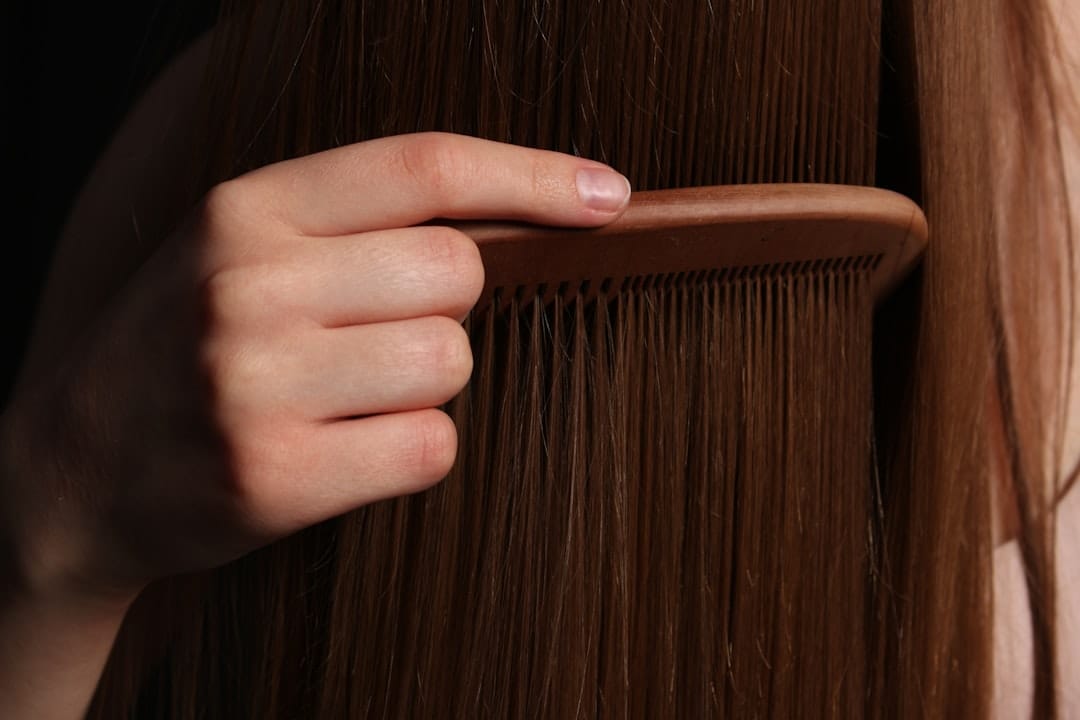
SaveThe hair claims are the reason many people first pick up a bag of methi seeds, and they hold up better than most kitchen-remedy folklore.
The seeds are dense with nutrients that support hair growth, and even the leaves seem to help. Research suggests that a paste made from fenugreek leaves, applied to the scalp, encourages growth and helps preserve natural hair color. One study of men and women aged 30 to 67 found that about 83% of participants reported fuller, thicker hair after treatment with fenugreek.
Dandruff is the other big use. The seeds are rich in mucilage, a slippery gel-forming substance, which is why ground fenugreek works as a natural conditioner. Both the seeds and leaves have antibacterial and antifungal properties, and the plant has been used since ancient times to calm a flaky, irritated scalp. Blending the seed powder into a hair mask or conditioner is an easy, inexpensive way to get both effects at once.
Steadier Blood Sugar and a Smaller Appetite
 Save
SaveInside your gut, fenugreek fiber forms a thick, sticky gel. That gel slows the digestion of excess sugars and unhealthy fats, which is the likely mechanism behind its most-cited benefit. In a trial involving people with type 2 diabetes, the group that took fenugreek powder twice a day saw a significant improvement in their symptoms compared with those who didn’t.
The same fiber explains the weight-loss findings. Early research shows that a 500 mg fenugreek supplement can reduce body fat, and a 22-day study in mice found significant weight reduction after fenugreek was added to their intake. Certified clinical nutritionist Nilofar Pendhari describes fenugreek as a metabolism booster that curbs appetite and increases satiety, which naturally lowers how many calories you eat. In one human study, people who drank fenugreek tea reported feeling noticeably less hungry than those who skipped it.
What It May Do for Hormones
This is where fenugreek gets interesting for both men and women.
A 12-week study followed 100 men between 35 and 65 who took a fenugreek supplement for low testosterone. By the end, their serum testosterone levels and sperm counts had risen.
For women, the research points in two directions. First, lactation: a review involving 122 participants compared fenugreek against another galactagogue (a food thought to boost milk supply) and a placebo, and found that fenugreek could increase breast milk production in nursing mothers. Second, PCOS: women dealing with excess androgens, irregular periods, and infertility were given fenugreek capsules in one study, and within two months their symptoms improved substantially. Their ovaries returned to normal health, their cycles resumed, and no side effects were reported. Anecdotally, some women also find it eases menstrual cramps, though that part is less settled.
A Quiet Helper for Skin and Digestion
Fenugreek pulls double duty on the skin. Its natural oils hydrate and soften, while the potassium, carotene, and vitamin C in the seeds support elasticity, making it a gentle alternative to creams built on petroleum products. For breakouts, research shows that applying a paste of the leaves overnight (rinse with warm water in the morning) can help prevent fresh outbreaks. The seeds also contain salicylic acid, a natural plant compound that helps unclog pores.
Digestion rounds out the list. Fenugreek acts as a bulk-forming laxative: the seeds swell on contact with water, and that added volume triggers the muscular contractions that move things along, relieving constipation. The mucilage softens the mucus membranes without encouraging excess mucus production. One study even found fenugreek reduced the severity of heartburn about as well as an over-the-counter antacid.
How to Use It Without Overdoing It
A little goes a long way here.
Topically, a fenugreek paste or mask twice a week suits most skin and hair types.
Orally, the seeds can be taken daily, but people with diabetes or high cholesterol should let a doctor set the dose, since fenugreek can lower blood glucose.
Watch for warning signs. Excessive amounts may cause diarrhea, allergic reactions, or a sharp drop in blood glucose.
If you’re pregnant, on medication, or managing a chronic condition, run it past your physician first.
Frequently Asked Questions
Can fenugreek really thicken hair?
The evidence is encouraging. In one study of adults aged 30 to 67, roughly 83% reported improved hair volume and thickness after fenugreek treatment. Applying a leaf paste to the scalp may also support growth and help preserve hair color.
Is fenugreek safe to take every day?
Generally yes, at sensible doses. Oral fenugreek can be used daily, though anyone with diabetes should get a doctor’s guidance, since it can lower blood glucose. Overconsumption may cause diarrhea or allergic reactions.
Does fenugreek help nursing mothers?
A study of 122 participants found that fenugreek could increase breast milk production compared with a placebo, supporting its traditional use as a galactagogue. Still, discuss it with your doctor or lactation consultant before starting.
The Bottom Line
Fenugreek earns its reputation. The research behind these small seeds spans blood sugar control, appetite and weight management, hormone support for both sexes, and genuinely useful hair and scalp care. It is affordable, easy to add to food or a hair mask, and well tolerated at normal amounts. The main rule is moderation, because high doses can upset your stomach or drop your blood sugar too fast. Start small, stay consistent, and loop in your doctor if you have an existing condition.

This article is for informational purposes only and is not a substitute for professional medical advice, diagnosis, or treatment. Always consult a qualified healthcare provider before starting any new supplement or remedy.