
Foods high in collagen explained: which animal foods naturally contain it, why eating collagen does not go straight to your skin, the nutrients your body uses to make its own, and what research says about supplements.
Collagen is the most abundant protein in the body and a major component of bone, skin, muscles, tendons and cartilage (1). In food, it is found only in animal flesh that contains connective tissue, but many animal and plant foods supply the materials your body needs to make its own collagen (1).
Lists of foods high in collagen often blur two different things: foods that contain collagen, and foods that provide the protein, vitamin C, zinc and copper used to build it. This guide separates them and explains what the evidence shows.
Key Takeaways
- Collagen occurs naturally only in animal foods with connective tissue, such as tough cuts of meat, fish skin and bones, bone broth and gelatin (1) — and gelatin has one catch worth knowing: it contains no tryptophan, so it is an incomplete protein.
- Eaten collagen is broken down into amino acids; research has not shown that eating it directly benefits skin or joints (1).
- Your body needs vitamin C to make collagen (2), and zinc and copper also support connective tissue (1, 3).
- Collagen supplements improved skin elasticity and hydration in preliminary trials, but most research is industry-linked (1, 4).
- Sun exposure, smoking, excess alcohol and lack of sleep and exercise speed collagen loss (1).
What Collagen Does in the Body
Collagen’s fiber-like structure is used to make connective tissue, helping tissues stay strong and resilient enough to withstand stretching (1). The amino acids glycine, proline and hydroxyproline are key building blocks of collagen (1).
The body gradually makes less collagen with age, but production drops most quickly with excess sun exposure, smoking, excess alcohol and lack of sleep and exercise. With aging, collagen in the deep skin layers changes from a tightly organized network into a disorganized one, and environmental damage can thin collagen fibers and lead to wrinkles (1).
Foods High in Collagen and Collagen-Building Nutrients
| Food group | Examples | Role |
|---|---|---|
| Foods that contain collagen (1) | Tough cuts of meat with connective tissue (pot roast, brisket, chuck), fish skin and bones, bone broth, gelatin | Collagen is broken down into amino acids when digested |
| Protein foods (1) | Fish, poultry, meat, eggs, dairy, legumes, soy | Supply glycine, proline and other amino acids used to build collagen |
| Vitamin C (2) | Oranges, grapefruit, red and green peppers, kiwifruit, broccoli, strawberries, tomatoes | Needed by the body to make collagen |
| Zinc (1) | Shellfish, legumes, meats, nuts, seeds, whole grains | Nutrient needed for collagen production |
| Copper (3) | Beef liver, oysters, cashews, sesame and sunflower seeds, chickpeas, potatoes, mushrooms | Used to make connective tissue |
Meat with connective tissue
Tough cuts of meat full of connective tissue, such as pot roast, brisket and chuck steak, are rich in collagen (1). However, a high intake of red meat is not recommended as part of a long-term healthy and sustainable diet (1), so these cuts are best eaten in moderation.
Fish skin and bones
Collagen is found in the bones and skin of both freshwater and saltwater fish (1). Fish skin, scales and bones are also used commercially to make hydrolyzed collagen, alongside bovine and porcine sources (8).
Bone broth and gelatin
 Save
SaveBone broth is made by simmering animal bones in water, often with a little vinegar, for 4 to 24 hours. The amount of amino acids varies between batches depending on the bones used, the cooking time and the amount of processing (1). Bone broth provides about 5 to 10 grams of protein per cup from gelatin and only small amounts of minerals (1). Gelatin is a form of collagen made by boiling animal bones, cartilage and skin (1).
Protein foods
Fish, poultry, meat, eggs, dairy, legumes and soy contain the amino acids used to make collagen (1). Eggs, dairy, legumes and soy are useful even though they are not collagen sources themselves. For easy protein ideas, see our homemade protein shakes.
Vitamin C
 Save
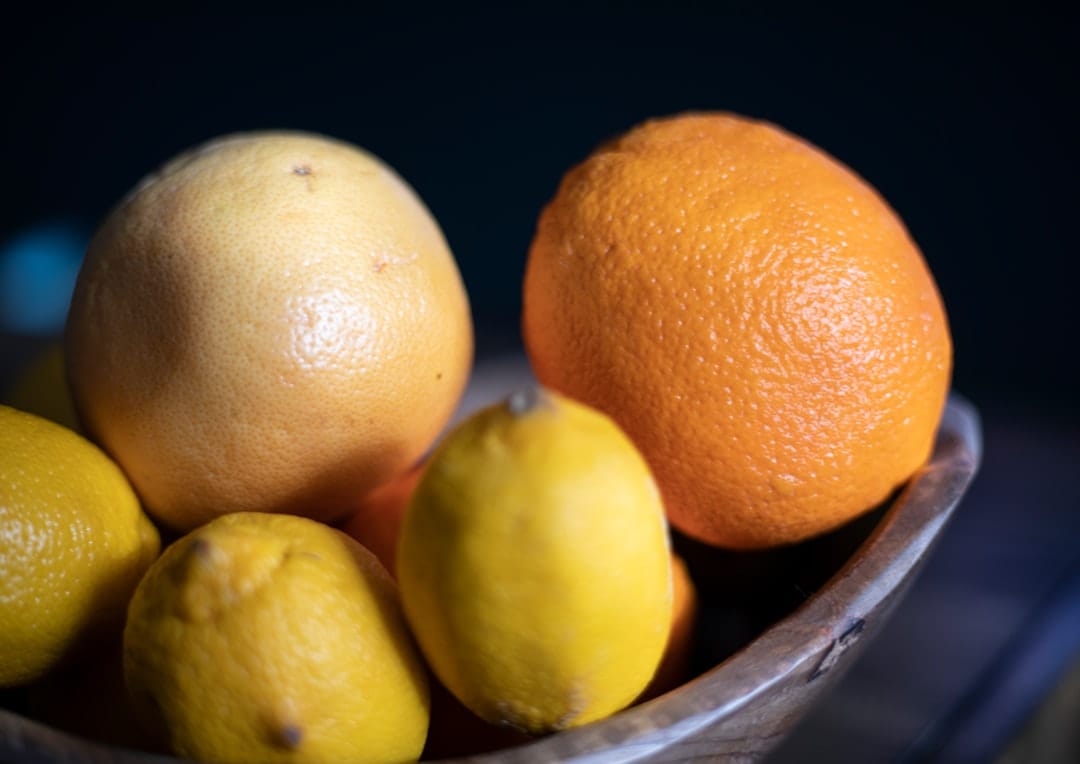
SaveThe body needs vitamin C to make collagen, a protein required to help wounds heal (2). Citrus fruits, red and green peppers and kiwifruit are rich sources, and broccoli, strawberries, cantaloupe, baked potatoes and tomatoes also provide vitamin C (2). Prolonged storage and cooking can reduce vitamin C content, and steaming or microwaving may lessen losses (2). Very low intake for many weeks causes scurvy, which includes poor wound healing and joint pain (2).
Zinc and copper
Zinc is needed for collagen production and is found in shellfish, legumes, meats, nuts, seeds and whole grains (1). In lab studies, zinc increased collagen synthesis in bone-forming cells (6).
Copper helps the body make connective tissue and blood vessels (3). It is a cofactor for lysyl oxidase, the enzyme that creates cross-links in collagen and elastin (5). Good sources include beef liver, oysters, cashews, sesame and sunflower seeds, whole grains, potatoes, mushrooms, avocados, chickpeas and tofu (3). Nuts such as pistachios add protein and minerals to your diet.
Does Eating Collagen Help? What the Evidence Shows
| Claim | What was studied | Evidence |
|---|---|---|
| Eating collagen-rich foods improves skin or joints (1) | Human research on dietary collagen | Lacking |
| Collagen supplements improve skin (4) | 11 randomized trials, 805 people, 2.5 to 10 g a day | Preliminary improvements in elasticity and hydration; mostly industry-funded field |
| Collagen peptides reach the skin (7) | Blood peptides in people; skin levels in mice | Company-run study; skin data from mice |
| Bone broth is a reliable collagen source (1) | Analyses of broth batches | Amino acid content varies widely |
When collagen is digested, it is broken down into amino acids that are distributed wherever the body most needs protein, and there is a lack of research showing that eating collagen directly benefits skin or joints (1).
Collagen supplements are more studied. A systematic review of 11 randomized placebo-controlled trials with 805 people found that collagen hydrolysate or peptides at 2.5 to 10 g a day produced preliminary improvements in skin elasticity, hydration and dermal collagen density, with no reported adverse events (4). A study by a supplement company found collagen-derived peptides in human blood after ingestion and in the skin of mice (7). Harvard notes that most, if not all, collagen supplement research is funded by related industries or has authors with industry ties (1).
Other nutrients studied for skin aging, including carotenoids, polyphenols, vitamins C and E and omega-3 fatty acids, act mainly through antioxidant and anti-inflammatory effects (9). A balanced diet rich in protein foods, fruits and vegetables supports your body’s own collagen production (1).
Collagen Supplements: Safety Considerations
- Regulation: in the United States, the FDA does not review supplements for safety or effectiveness before they are sold (1).
- Contents: it can be unclear exactly what a supplement contains, and there are concerns about heavy metals in some collagen products (1).
- Bone broth: one small study found broth made from chicken bones had three times the lead of broth made from meat only, although levels were still below the limit for drinking water (1).
- Side effects: the available research has not shown negative side effects in people given collagen supplements (1, 4).
Habits That Protect Your Collagen
- Use sunscreen or limit time in direct sunlight (1).
- Get 7 to 9 hours of sleep a night (1).
- Avoid smoking and secondhand smoke (1).
- Manage stress, since chronically high cortisol can decrease collagen production (1).
Frequently Asked Questions
What foods are high in collagen?
Collagen is found naturally only in animal foods that contain connective tissue, such as tough cuts of meat like brisket and chuck, fish skin and bones, bone broth and gelatin. No plant foods contain collagen, but many plant foods supply nutrients the body uses to make it.
Does eating collagen go straight to your skin?
No. When you eat collagen, it is digested into amino acids, which the body sends wherever protein is most needed. Harvard’s Nutrition Source notes there is a lack of research showing that eating collagen directly benefits skin or joint health.
Is bone broth a good source of collagen?
Bone broth contains gelatin and provides about 5 to 10 grams of protein per cup, but the amino acid content varies with the bones used, cooking time and processing. It also contains only small amounts of minerals, and some samples have contained low levels of lead.
What nutrients help the body make collagen?
The body needs vitamin C to make collagen, and zinc and copper also play roles in building connective tissue. Protein foods supply the amino acids glycine and proline. Citrus fruits, peppers, shellfish, nuts, seeds, legumes and whole grains provide these nutrients.
Do collagen supplements work?
A review of 11 randomized trials found preliminary improvements in skin elasticity and hydration with collagen supplements, with no reported adverse effects. However, most collagen research is funded by or linked to industry, and the FDA does not review supplements for safety or effectiveness before sale.
The Bottom Line
Foods high in collagen are animal foods with connective tissue, such as tough cuts of meat, fish skin and bones, bone broth and gelatin. Eating them does not deliver collagen directly to your skin or joints, because collagen is digested into amino acids. Your body builds its own collagen from protein foods plus vitamin C, zinc and copper, so a varied diet with enough protein, fruits and vegetables is the most reliable approach. Collagen supplements show preliminary skin benefits, but the research is largely industry-funded. For the bigger picture, see the positive effects of healthy eating.
This article is for informational purposes only and is not a substitute for professional medical advice. Consult a qualified healthcare provider before making changes to your diet or starting any supplement.
Related Articles
Balanced Diet Guide With the 5 Food Groups
9 Homemade Protein Shakes Made With Real Food
Benefits of Pistachios: Nutrition, Research and Portions
Positive Effects of Healthy Eating: What Research Shows