
What actually helps arthritis in fingers, what the guidelines strongly recommend, and why the old title on this page was a promise nobody can keep.
This article used to be called “How to Get Rid of Arthritis in Fingers Naturally at Home”. We have changed it, because you cannot get rid of it, and the previous version said so itself further down the page: the cartilage damage cannot be undone.
That gap between a headline and the truth further down is the kind of thing this site should not do. What follows is what genuinely reduces pain and keeps hands working, taken from the rheumatology guidelines rather than from general wellness advice.
Key Takeaways
- Arthritis in the fingers is managed, not cured. Nothing rebuilds damaged cartilage (5, 7).
- Topical NSAIDs are first-line for hand osteoarthritis, ahead of tablets (2).
- An orthosis for the thumb base carries a strong recommendation (1).
- Exercise and self-management programmes are strongly recommended (1, 2).
- Red, hot, badly swollen joints, or symmetrical stiffness, need a doctor, not home care (6, 8).
What Is Going On in the Joint
 Save
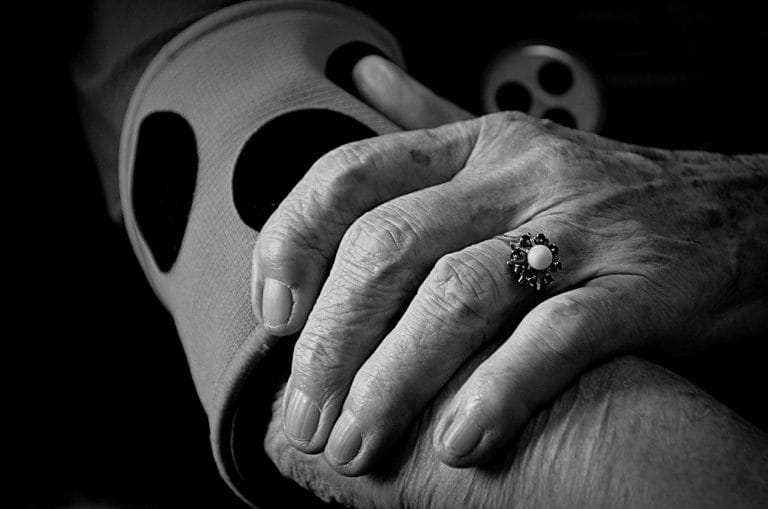
SaveOsteoarthritis is the most common form in the hands. The cartilage that cushions the ends of the bones breaks down over time, so the joint surfaces no longer glide smoothly. It commonly affects the base of the thumb and the finger joints, and it tends to develop gradually with age or after an earlier injury (5, 7).
Rheumatoid arthritis is a different disease with a different treatment. It is autoimmune: the immune system attacks the lining of the joints, and it typically affects the same joints on both hands symmetrically, often with prolonged morning stiffness and fatigue (6, 8). Psoriatic arthritis and gout can also involve the fingers.
That distinction is the most important practical point on this page. Rheumatoid and psoriatic arthritis are treated with medicines that modify the disease itself, and starting them early protects the joints from damage. Osteoarthritis is not treated that way. Managing finger pain at home without knowing which one you have risks losing time that matters.
Heberden’s Nodes: The Knobs on Your Finger Joints
If you are here because hard lumps have appeared on your finger joints, this is the part you want. Those bony enlargements are the most visible sign of osteoarthritis in the hands, and they have names.
- Heberden’s nodes form at the joints nearest the fingertips.
- Bouchard’s nodes form at the middle joints of the fingers.
They are the same process in two places. As the cartilage wears, the bone at the joint margins responds by growing outward, and over time the joint changes shape. The NIH’s arthritis institute describes exactly this in hand osteoarthritis: bony enlargements and shape changes in the finger joints that develop over time 5.
Three things people usually want to know:
Are they dangerous? No. They are a structural change, not a disease spreading through your body. They can be painful while they are forming and often settle into being painless but permanent.
Will they go away? No. This is the honest part. The nodes are bone, and nothing in the guideline-backed list further down this page is offered as a way to reverse them. What those options treat is pain and function — which is worth having, but it is a different promise from making your fingers look as they did.
Do they mean I have rheumatoid arthritis? Usually the opposite. Hard, bony nodes at the finger joints point towards osteoarthritis. Rheumatoid arthritis more often produces soft, warm swelling, tends to be symmetrical across both hands, and comes with prolonged morning stiffness. The distinction matters because the treatments are completely different, and the section above sets out why.
One practical note: a node that suddenly becomes red, hot and very painful is not the ordinary course, and is worth a same-week appointment rather than waiting.
What the Guidelines Actually Recommend
| Approach | What the guidelines and reviews say | Strength |
|---|---|---|
| Hand exercise | Strongly recommended for osteoarthritis by the ACR (1) and included in the EULAR recommendations (2). A 2025 systematic review rated the evidence as low certainty for a small long-term effect on pain (3) | Strong recommendation, modest effect |
| Orthosis for the thumb base | Strongly recommended by the ACR for first carpometacarpal joint OA (1). The 2025 review found moderate-certainty evidence of a moderate long-term effect on pain (3) | Strong recommendation |
| Topical NSAIDs | EULAR puts topical treatment ahead of systemic, with topical NSAIDs as first-line for hand OA (2). The 2025 review found high-certainty evidence for a small short-term effect on function (3) | First-line |
| Assistive devices | Recommended by EULAR (2); moderate-certainty evidence of a moderate long-term effect on function (3) | Supported, and underused |
| Self-management and education | Self-efficacy and self-management programmes are strongly recommended by the ACR (1), and education heads the EULAR list (2) | Strong recommendation |
| Oral NSAIDs | Recommended, for symptom relief over a limited duration (1, 2) | Short-term, with a doctor |
| Heat and cold | Widely used and comfortable. Not among the interventions with strong guideline support, and reasonable to use for symptom relief | Comfort measure |
| Anything that restores cartilage | Nothing does. Damaged cartilage is not rebuilt by diet, exercise or supplements (5, 7) | Not possible |
The one most people have not tried
EULAR’s 2018 recommendations for hand osteoarthritis are explicit that topical treatments are preferred over systemic ones, with topical NSAIDs as the first-line choice (2). A 2025 systematic review found high-certainty evidence for a small short-term effect on function, which is a stronger certainty rating than almost anything else in this field (3).
A gel rubbed into the joint rather than a tablet swallowed is a meaningful difference when the alternative carries stomach, kidney and cardiovascular risk. Ask a pharmacist or your doctor which product and how often.
The thumb base, and an honest disagreement
Thumb-base osteoarthritis is the version that makes pinching, gripping and opening jars painful, and it has its own recommendation: the ACR gives a strong recommendation for hand orthoses for first carpometacarpal joint OA (1), and the 2025 review found moderate-certainty evidence for a moderate long-term effect on pain (3).
But a pragmatic randomised trial across 17 hospital departments, with 349 participants, compared a therapist-supported self-management programme alone, the same programme plus a thumb splint, and the programme plus a placebo splint. All three groups improved, and there was no significant difference between them at eight weeks (4).
The reasonable reading is that the self-management programme was doing the work in that trial, and that a splint is worth trying with guidance rather than bought blindly online.
Movement, Honestly Rated
Exercise carries a strong recommendation for osteoarthritis from the ACR (1) and sits among the core non-pharmacological options in EULAR’s list (2). The 2025 review is more measured: low-certainty evidence for a small long-term effect of hand exercises on pain (3).
Both things are true. It is recommended, it helps somewhat, and it is not dramatic. It is also free and carries almost no risk, which is why it stays near the top.
Move slowly, stop short of pain, and try a few of these daily:
- Curl the fingers into a soft fist with the thumb outside, then open fully
- With the palm up, bend one finger at a time towards the palm, hold, release
- Bring the thumb across towards the base of the little finger, as far as is comfortable
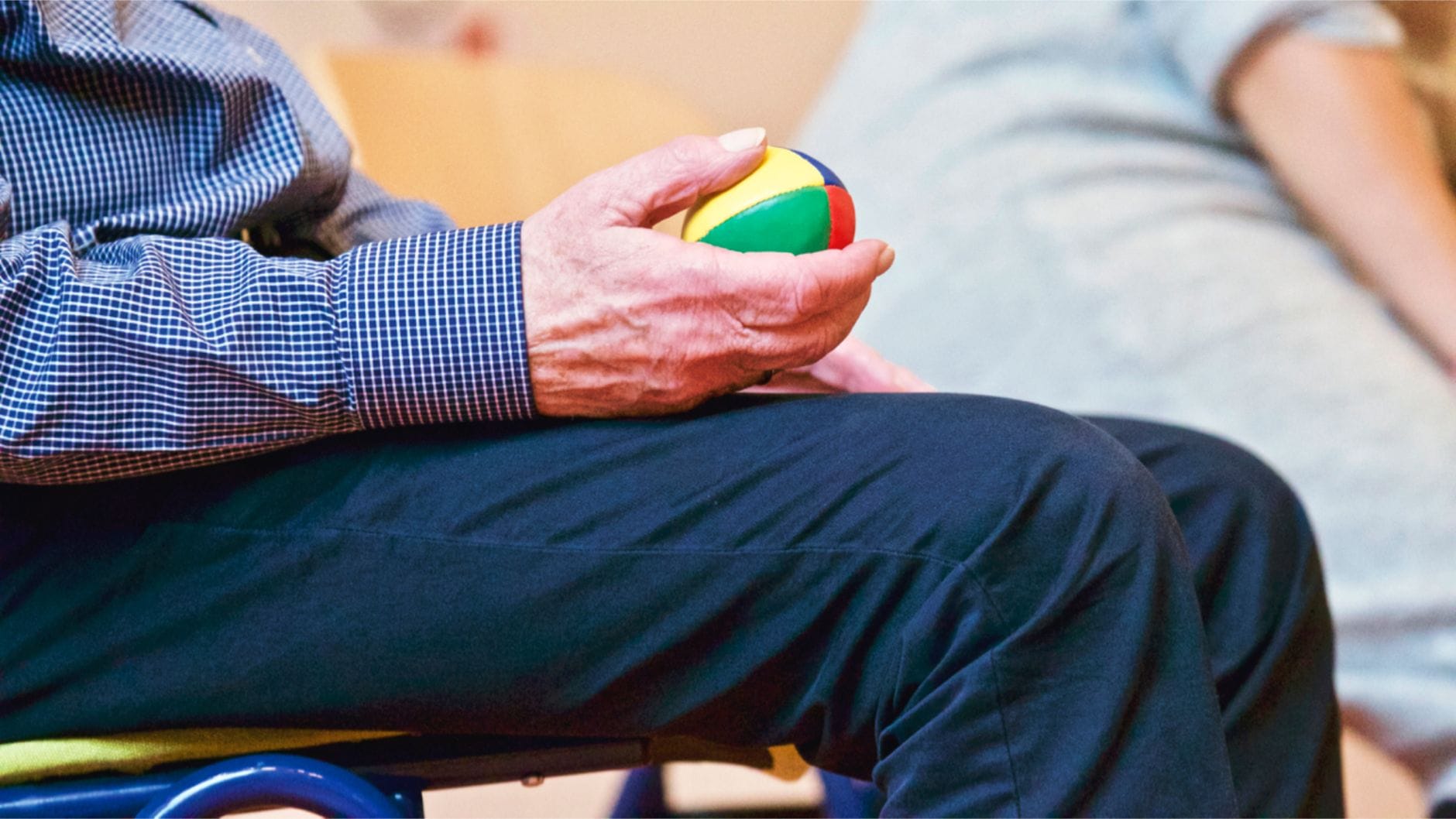
- Make a loose C shape, as if holding a small ball, then spread the fingers wide
- Rest the palm flat and lift each finger in turn
One finding worth flagging: the 2025 review concluded that there is a lack of interventions that efficiently improve grip strength (3). If grip is your main problem, manage expectations and see a hand therapist rather than working harder at home.
Assistive Devices Are Underrated
 Save
SaveEULAR recommends assistive devices, and the 2025 review found moderate-certainty evidence that they have a moderate long-term effect on function, which is a better certainty rating than the exercise evidence (2, 3).
This means jar openers, thicker-handled knives and pens, tap turners, electric tin openers, and lever door handles. It is unglamorous, and for keeping hands working it is among the better-supported things on this page.
Heat and cold belong here too, as comfort measures rather than guideline-backed treatments. A warm soak or heat pad before activity eases stiffness; cold can settle a painful, swollen joint. Use whichever helps on the day.
On Diet
A pattern rich in vegetables, fruit, whole foods and oily fish is good for you generally, and keeping weight in a healthy range reduces load on joints (5). We are not going to tell you it treats finger arthritis, because the guidelines do not, and this page previously drifted towards suggesting particular drinks and elimination diets for it.
Our arthritis diet guide covers what has and has not been tested, the balanced diet guide covers the pattern, and the fibre guide covers one part of it.
When to Stop Self-Managing
- A joint is hot, red or badly swollen
- Morning stiffness lasts well over an hour
- The same joints on both hands are affected symmetrically
- You have fever, fatigue or weight loss alongside the joint pain
- Fingers are visibly changing shape
- Pain is steady or getting worse, or stopping you doing daily tasks
A diagnosis is not a formality here. It decides whether you need disease-modifying treatment or a thumb orthosis, and those are not interchangeable.
Frequently Asked Questions
What are the hard lumps on my finger joints?
They are almost certainly Heberden’s nodes if they are at the joints nearest your fingertips, or Bouchard’s nodes if they are at the middle joints. Both are bony enlargements caused by osteoarthritis: as cartilage wears, bone grows outward at the joint margins and the joint changes shape. They are not dangerous and they do not go away, because they are bone. Treatment targets pain and function rather than the lumps themselves. Soft, warm, symmetrical swelling is a different picture and should be checked for rheumatoid arthritis.
Can you get rid of arthritis in your fingers?
No, and this page used to be titled as though you could. Osteoarthritis damage to cartilage is not reversed by anything currently available, and rheumatoid arthritis is a lifelong autoimmune condition. What can change is how much pain and stiffness you live with, and how well your hands keep working. That is a real goal, and it is a different one.
What is the single best thing to do?
It depends where the pain is. For thumb-base osteoarthritis, an orthosis carries a strong guideline recommendation. For hand osteoarthritis generally, EULAR puts topical NSAIDs ahead of tablets as first-line. Hand exercise and a structured self-management programme are strongly recommended across the board.
Do hand exercises actually help?
Yes, modestly. The ACR strongly recommends exercise for osteoarthritis, while a 2025 systematic review rated the hand-exercise evidence as low certainty for a small long-term effect on pain. Worth doing, and not a cure. Notably, the same review found no intervention reliably improves grip strength.
Is a thumb splint worth it?
The evidence is genuinely split, which is unusual and worth knowing. Guidelines strongly recommend an orthosis for thumb-base OA, and a 2025 review found a moderate long-term effect on pain. But a randomised trial in 349 people found that adding a splint to a good therapist-supported self-management programme produced no extra benefit at eight weeks. Ask a hand therapist.
When should I see a doctor rather than manage it at home?
If a joint is hot, red or badly swollen, if stiffness lasts well over an hour each morning, if both hands are affected symmetrically, if fingers are changing shape, or if pain is steady or worsening. Rheumatoid and psoriatic arthritis need different treatment from osteoarthritis, and starting early protects the joints.
The Bottom Line
Arthritis in the fingers is managed rather than cured, and the honest version of this page starts there. What the rheumatology guidelines actually back is a short list: topical NSAIDs before tablets, an orthosis for thumb-base osteoarthritis, hand exercise, assistive devices, and a structured self-management programme. The effects are mostly small to moderate, and one recent review noted that nothing reliably restores grip strength. The biggest decision is not which home remedy to try but whether what you have is osteoarthritis or an inflammatory arthritis, because only one of those has treatment that changes the disease, and starting it early is what protects the joints.
This article is for informational purposes only and is not a substitute for professional medical advice. See a doctor for a diagnosis before treating finger joint pain at home, and urgently if a joint is hot, red or badly swollen.
Related Articles
Arthritis Diet: Foods That Help, Foods to Limit and Evidence
Balanced Diet Guide With the 5 Food Groups
High Fiber Foods List and How Much Fiber You Need
Natural Muscle Relaxers: What the Evidence Shows