
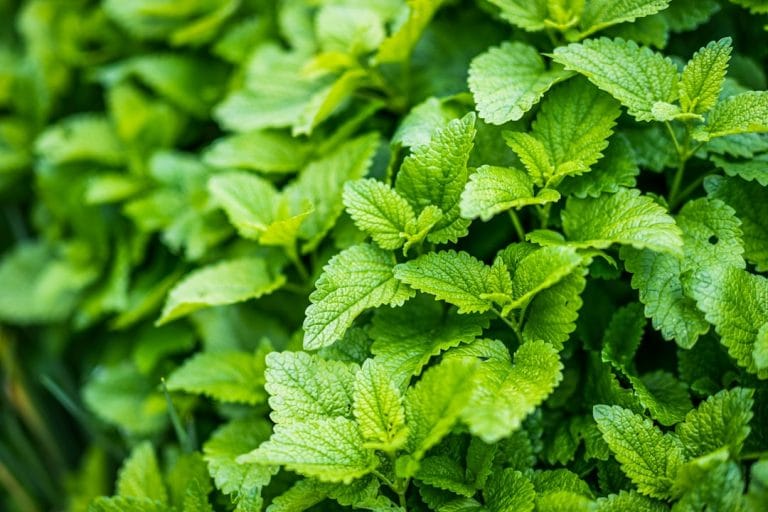
Which natural remedies for herpes hold up, which do not, and the treatment that actually changes how an outbreak goes.
Herpes simplex is common and permanent. WHO estimates that 3.8 billion people under 50, about 64% of the world, carry HSV-1, and 520 million people aged 15 to 49 carry HSV-2 (1). The virus is treatable but not curable, and most people have no symptoms or only mild ones.
That is why the natural remedies for herpes people search for are worth taking seriously, and also why they need checking. One of the most repeated recommendations on this topic, lysine, was examined in a Cochrane review that failed to find any evidence it works (4). This article separates the remedies that genuinely help you feel better from the ones that are marketing.
Key Takeaways
- Herpes is treatable but not curable; the virus stays for life (1).
- Cochrane found no evidence that lysine prevents cold sores (4).
- Antivirals work best started within 48 hours of symptoms (1).
- Daily antiviral therapy cuts transmission to a partner substantially (5).
- Tell your provider if you are pregnant; newborn infection is serious (2, 7).
What Herpes Actually Is
HSV-1 usually spreads by oral contact and causes sores in or around the mouth, though it can also cause genital herpes. HSV-2 spreads by sexual contact and causes genital herpes. Most infections cause no symptoms, and the virus can be passed on even when there are none (1).
Oral herpes usually clears by itself in one to two weeks (3). Genital herpes recurs at varying frequency, often triggered by fatigue, illness, menstruation or stress (2). Two further facts matter: HSV-2 infection raises the risk of acquiring HIV roughly threefold, and in people with weakened immune systems herpes can be more severe and more frequent (1).
The Remedies, Checked
 Save
Save| Remedy and the usual claim | What the evidence says | Verdict |
|---|---|---|
| Lysine supplements shorten and prevent outbreaks | A Cochrane review of interventions to prevent cold sores failed to find any evidence of efficacy for lysine (4) | No evidence |
| Oregano oil works even on acyclovir-resistant herpes strains | That finding comes from laboratory work on cells, not from people | Lab only |
| Tea tree or oregano oil applied to sores | Both are irritants. Nothing supports putting them on genital or mouth sores, where the skin is thin and already broken | Not advisable |
| Echinacea tea acts directly on the virus | Not shown in humans for herpes | Unsupported |
| Aloe vera gel fights the virus | It can soothe and moisturise irritated skin. That is comfort, not antiviral action | Soothing only |
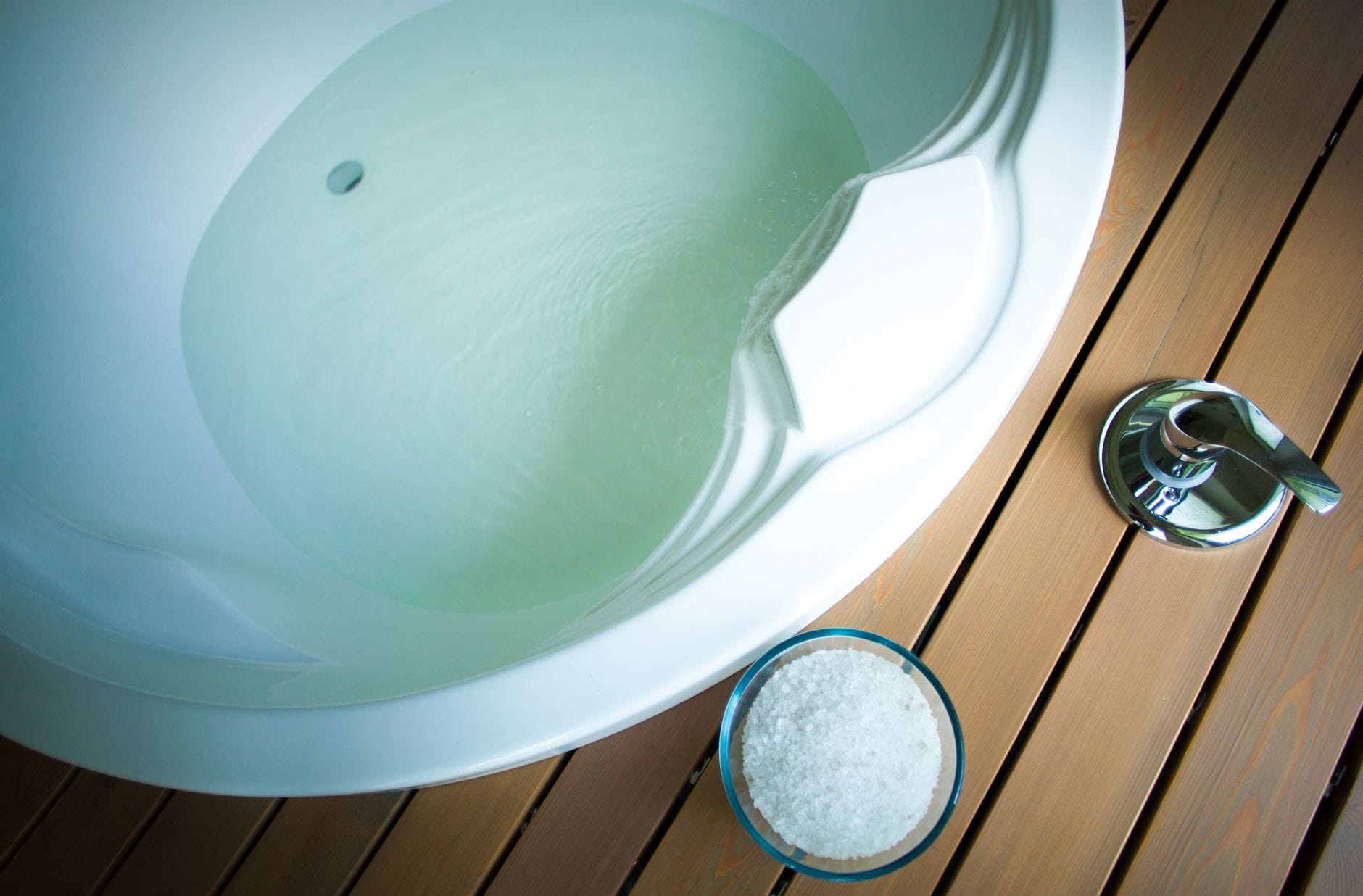
| Warm salt or baking soda soaks ease genital outbreak discomfort | Reasonable symptom relief, in line with standard self-care advice for sores (2) | Reasonable |
| Antiviral tablets shorten outbreaks and cut transmission | Acyclovir, famciclovir and valacyclovir reduce duration and severity, and daily use reduces recurrences and passing it on (1, 5, 6) | This is the treatment |
Why the lysine advice needs retiring
Lysine is the supplement most often presented as the one with science behind it, usually with a specific dosing schedule. The Cochrane review of interventions for preventing herpes labialis assessed the available trials and reported plainly that it found no evidence of efficacy for lysine (4). The same review found that long-term oral antiviral medication does prevent recurrences, though the clinical benefit is small, and a later systematic review comparing antiviral agents for cold sores reached the same general conclusion about which treatments have support (8).
We have also removed the dosing protocol that used to appear here. Supplement schedules for a viral infection belong with the clinician treating you, not in an article.
Why not to put essential oils on sores
Tea tree and oregano oil are genuinely active in laboratory conditions, which is where the claims come from, including the one about acyclovir-resistant strains. What does not follow is applying them to broken skin on the lips or genitals. These are concentrated irritants, the tissue is already damaged, and no trial supports the practice. The risk of a chemical burn on mucosal skin is not worth an unproven benefit.
What Actually Treats an Outbreak
Antiviral medicines are the part that changes the course of things. Acyclovir, famciclovir and valacyclovir reduce how long symptoms last and how severe they are, and treatment of recurrent episodes works best when started within 48 hours of symptoms starting (1). For repeat outbreaks, that means taking the medicine as soon as tingling, burning or itching begins, before blisters appear (2).
For people with frequent recurrences, taking a lower dose daily (suppressive therapy) reduces both outbreaks and transmission (1). The size of that effect was measured in a trial of 1,484 monogamous couples in which one partner had symptomatic HSV-2: clinically symptomatic infection developed in 4 of 743 partners when the source partner took valacyclovir once daily, compared with 16 of 741 on placebo (5). Nucleoside analogues also reduce the duration, severity and frequency of recurrences in genital herpes generally (6).
None of the soaks, teas or oils on this page do any of that.
Self-Care That Is Actually Recommended
 Save
SaveThis is where home measures earn their place, as comfort care alongside treatment.
For oral herpes (3):
- Apply ice in a washcloth, or a warm washcloth, to ease pain
- Wash blisters gently with antiseptic soap and water to avoid spreading the virus to other areas
- Avoid hot drinks, spicy and salty foods, and citrus
- Rinse with salt water, or gargle with cool water
- Take a pain reliever such as acetaminophen or ibuprofen
For genital herpes (2):
- Warm soaks and keeping the area clean and dry are the mainstays of comfort
- Avoid very hot water on inflamed skin
- Wear loose cotton underwear rather than synthetic fabric
To reduce cold sore recurrences, apply sunblock or a lip balm containing zinc oxide before going outside, and keep lips moisturised (3). A balanced diet supports general health, as our balanced diet guide and healthy eating guide cover, but no food prevents outbreaks.
Protecting Other People
- Tell your partner, even when you have no symptoms (2)
- Do not have sex while you have symptoms, and use condoms otherwise. Only latex condoms help; sheepskin condoms do not, because the virus passes through them (1, 2)
- Do not share items that have touched saliva when you have oral herpes (1)
- Condoms reduce risk substantially but do not remove it, since the virus sheds from skin a condom does not cover (2)
Pregnancy and Newborns
This is the part that is not about comfort. A parent with active genital herpes at delivery can pass the infection to the baby, and HSV can cause a brain infection in newborns (2). Neonatal herpes is rare but serious, and outcomes depend heavily on early recognition and treatment (7).
Tell your provider if you have genital herpes or have had an outbreak in the past, so steps can be taken before delivery (2). Antiviral prophylaxis from 36 weeks of gestation is part of standard management (6). Do not rely on any remedy in this article for that situation.
When to Get Medical Help
- Sores or blisters near the eyes (3)
- A weakened immune system from illness or medicines (3)
- Symptoms that are severe or last more than two weeks (3)
- Fever, headache or vomiting during or after an outbreak (2)
- A first suspected episode, so the diagnosis can be confirmed (6)
Frequently Asked Questions
Can natural remedies cure herpes?
No. Herpes simplex is treatable but not curable; the virus stays in the body for life. Soaks, cool compresses and gentle skin care can make an outbreak more bearable, but they do not clear the virus and they are not a substitute for antiviral medication.
Does lysine work for herpes?
A Cochrane review of interventions for preventing cold sores looked for evidence on lysine and failed to find any showing it works. It is one of the most repeated recommendations online and one of the least supported.
What actually shortens an outbreak?
Antiviral medicines: acyclovir, famciclovir or valacyclovir. They work best when started early, within about 48 hours of symptoms beginning, or at the first tingling before blisters appear. People with frequent outbreaks may take them daily.
Can treatment stop me passing herpes to a partner?
It reduces the risk substantially but does not remove it. In a trial of 1,484 couples, once-daily valacyclovir cut symptomatic transmission from 16 cases in 741 couples to 4 in 743. Condoms, avoiding sex during symptoms and telling your partner all matter as well.
When should I see a doctor urgently?
If sores appear near the eyes, if you have a weakened immune system, if symptoms are severe or last beyond two weeks, or if you develop fever, headache or vomiting during an outbreak. Tell your provider if you are pregnant, because of the risk to the baby at delivery.
The Bottom Line
Herpes is manageable, and most of what makes it manageable is medical rather than herbal. Antivirals shorten outbreaks and, taken daily, cut the chance of passing the virus on. Cool compresses, gentle washing, warm soaks, loose clothing and ordinary pain relievers genuinely help you feel better meanwhile. Lysine, the supplement most often recommended for this, has no evidence behind it, and concentrated oils belong nowhere near broken skin. If you are pregnant, or sores appear near your eyes, or your immune system is compromised, that is a conversation with a doctor rather than a shopping list.
This article is for informational purposes only and is not a substitute for professional medical advice, diagnosis, or treatment. Always consult a qualified healthcare provider about herpes symptoms, outbreaks, pregnancy, or before starting any supplement.
Related Articles
Balanced Diet Guide With the 5 Food Groups
Positive Effects of Healthy Eating: What Research Shows
Aloe Vera Juice Benefits and Risks: What the Research Shows
Benefits of Mushrooms: Nutrition, Evidence, and Safety
Home Remedies for Moisturizing Dry Skin: The Evidence