
What vanilla is, what vanilla extract contains, and what research shows about vanilla benefits for skin, hair and health.
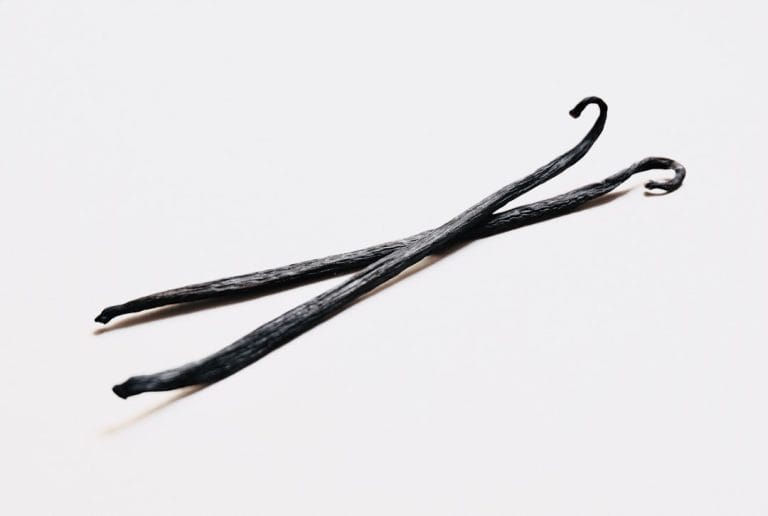
Vanilla comes from the cured seed pods of Vanilla planifolia, a climbing orchid native to Mexico (1). Its main flavor compound, vanillin, is widely used in foods, cosmetics and medicines, and it has antioxidant and antimicrobial properties in laboratory research (8, 9).
Many claimed vanilla benefits for skin and hair are based on those lab findings rather than on studies in people. This guide explains what is known and where the evidence stops.
Key Takeaways
- Vanilla beans develop their flavor during curing, when vanillin forms from its precursor glucovanillin (3).
- US vanilla extract must contain at least 35% alcohol (4) and provides only trace amounts of vitamins (7).
- Vanillin has antioxidant and antimicrobial effects in lab and animal studies, but there are no human trials of vanilla for acne, wrinkles or burns (8, 9, 10).
- No studies have tested vanilla for hair growth (12).
- Vanilla and vanillin can cause allergic rashes, although this appears to be rare (11).
What Is Vanilla?
The vanilla plant is an orchid vine. Outside its native range in Middle America, its flowers rarely set fruit naturally, so commercial crops rely on hand pollination (2). In Mexico, organic vanilla is still grown largely with traditional agroforestry, manual pollination and artisanal curing (1).
After harvest, green pods go through several curing stages, including blanching, sweating and drying. During curing, vanillin content rises as glucovanillin breaks down (3).
Vanilla Extract vs Imitation Vanilla
Under US rules, vanilla extract is a solution of the flavor compounds from vanilla beans in water and ethyl alcohol, with at least 35% alcohol by volume. It may also contain glycerin, propylene glycol or sugars (4).
Imitation vanilla relies on vanillin that does not come from vanilla beans. Most synthetic vanillin is made from petroleum-based guaiacol, and lignin from wood is being developed as an alternative source (5). Laboratories can tell bean-derived, plant-derived and petroleum-derived vanillin apart using carbon isotope ratios (6).
Vanilla Extract Nutrition
| Vanilla extract | Per 100 g |
|---|---|
| Calories | 288 kcal |
| Alcohol | 34.4 g |
| Sugars | 12.6 g |
| Potassium | 148 mg |
| Magnesium | 12 mg |
| Niacin (vitamin B3) | 0.43 mg |
| Riboflavin (vitamin B2) | 0.10 mg |
| Vitamin B6 | 0.03 mg |
| Thiamin (vitamin B1) | 0.01 mg |
Source: USDA FoodData Central, vanilla extract (7).
Recipes use vanilla extract by the teaspoon, so the vitamins and minerals it supplies are negligible. Most of its calories come from alcohol and sugar (7). Vanilla adds flavor to a balanced diet but is not a meaningful source of nutrients.
Vanilla Benefits at a Glance
| Claim | Type of evidence | What it shows |
|---|---|---|
| Antioxidant, anti-aging skin | Laboratory and animal research on vanillin (8, 9) | Antioxidant activity; no human skin trials |
| Acne and antibacterial | Laboratory research on vanillin (8) | Antimicrobial activity in the lab; no acne studies |
| Burns and wounds | Experimental vanillin-based wound materials (10) | Not tested as a home remedy; not ready for clinical use |
| Hair growth | None for vanilla | No studies; rosemary oil has one trial (13) |
| Mood and relaxation | Mouse and rat studies (15, 16) | Effects in animals only |
| B vitamins | USDA nutrient data (7) | Only trace amounts |
Vanilla Benefits for Skin
 Save
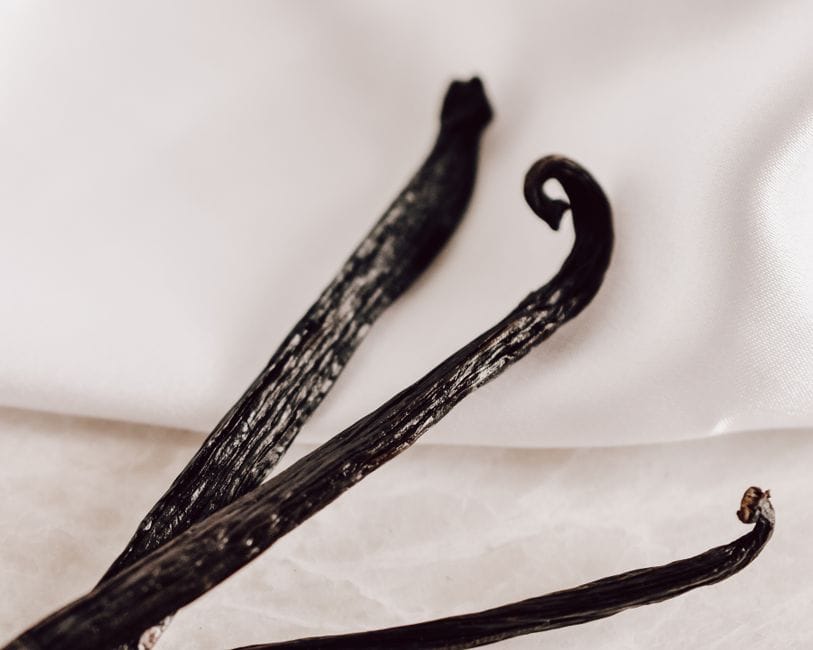
SaveVanillin is one of the most widely used flavor compounds, and reviews describe antioxidant, antimicrobial, anti-inflammatory and anticancer activity in laboratory and animal research (8, 9). These properties are one reason vanillin is being explored as an ingredient in hydrogels and other materials for wound healing (8, 10). A 2026 review noted that vanillin-based wound formulations still lack standardized testing and need more research before clinical use (10).
No studies have shown that applying vanilla, vanilla extract or vanilla-scented products to the skin treats acne, reduces wrinkles or fades age spots. Vanilla in body lotions is used mainly for fragrance. Do not put vanilla extract on burns or open wounds: it contains at least 35% alcohol (4).
Many DIY vanilla scrubs also add lemon juice. Citrus juice on the skin followed by sun exposure can cause burn-like reactions; see our guide to the side effects of lemon. For another fragrant ingredient used in skincare, see sandalwood oil.
Vanilla for Hair
 Save
SaveNo studies have tested vanilla for hair growth, shine or conditioning. A review of complementary treatments for hair loss found that only a few are backed by multiple randomized trials (12).
Vanilla is often added to hair oils for its scent. If you want an oil with some evidence, rosemary oil increased hair count after 6 months in a randomized trial of 100 people with androgenetic alopecia, similar to 2% minoxidil and with less scalp itching (13). Lavender oil increased hair follicle numbers in mice, but has not been tested for hair growth in people (14). For other options, see our guide to home remedies for hair fall.
Vanilla Scent and Mood
Vanilla is often described as a relaxing scent, but the research is limited to animals. In mice, oral vanillin reduced depression-like behavior in standard tests (15). In anesthetized rats, inhaling vanilla scent lowered stress hormones such as adrenaline and reduced how often they urinated (16). These results have not been confirmed in people.
Side Effects and Safety
- Allergy: vanilla and vanillin can cause delayed allergic reactions, usually a limited rash with itching or swelling. These reactions appear to be rare, but repeated exposure at work may lead to sensitization (11). Patch test any vanilla-containing product on a small area of skin first.
- Alcohol: vanilla extract contains at least 35% alcohol (4). Keep it away from children, and do not use it as a home remedy for fever or other illness.
- Vaping: vanillin is a common e-cigarette flavoring, and researchers have raised concerns about possible harm from inhaling it (11).
- In food: vanilla has a long history of use as a flavoring and is used in very small amounts.
Frequently Asked Questions
Is vanilla good for your skin?
Vanillin, the main flavor compound in vanilla, shows antioxidant and antimicrobial activity in laboratory and animal studies. No human studies show that vanilla or vanilla extract improves acne, wrinkles or age spots, and vanilla can occasionally cause allergic skin rashes.
Does vanilla help hair growth?
There are no studies on vanilla for hair growth. Among essential oils, rosemary oil performed similarly to 2% minoxidil in one 6-month trial in people with androgenetic alopecia, and lavender oil increased hair follicles in mice.
Is vanilla extract healthy?
Vanilla extract is used in very small amounts as a flavoring. Per 100 grams it contains about 34 grams of alcohol and only trace amounts of B vitamins, so it does not add meaningful nutrition to your diet.
Can you be allergic to vanilla?
Yes, but it appears to be rare. Reactions to vanilla or vanillin most often appear as a limited rash with itching or swelling, and repeated exposure at work can lead to sensitization.
What is the difference between vanilla extract and imitation vanilla?
In the US, vanilla extract must be made from vanilla beans and contain at least 35% alcohol. Imitation vanilla uses vanillin made by other methods, mainly from petroleum-derived guaiacol, with some made from lignin, a wood by-product.
The Bottom Line
Vanilla is a flavoring made from cured orchid pods, and its main compound, vanillin, shows antioxidant and antimicrobial activity in the lab. Those findings have not been tested as skin or hair treatments in people, vanilla extract contains only trace vitamins, and claims about acne, wrinkles, burns, hair growth, digestion and fever are not supported by research. Enjoy vanilla for its flavor and scent, patch test vanilla skin products, and choose treatments with human evidence for skin and hair problems.
This article is for informational purposes only and is not a substitute for professional medical advice, diagnosis, or treatment. Always consult a qualified healthcare provider before trying new remedies, especially if you have allergies, sensitive skin, or a medical condition.
Related Articles
Home Remedies to Control Hair Fall: What the Evidence Says
Sandalwood Oil Benefits for Skin, Hair & Health
Side Effects of Lemon Water: 7 Risks and How to Avoid Them
Balanced Diet Guide With the 5 Food Groups