

What genuinely calms an irritated face, and why several of the most popular remedies belong nowhere near facial skin.
Most searches for home remedies for face rashes are looking for something to put on the skin. The honest answer runs the other way: simple rashes improve with gentle skin care and by avoiding whatever irritated the skin in the first place (1).
We have rewritten this article because the previous version recommended applying tea tree, lavender and eucalyptus oil, apple cider vinegar and baking soda to the face. Facial skin is thin, a rash means the barrier is already disrupted, and tea tree oil in particular is the essential oil responsible for the most published cases of allergic contact dermatitis (4). Those recommendations could make the problem worse.
Key Takeaways
- Gentle care and removing the trigger resolve most simple rashes (1).
- Stop any recently added cosmetic, lotion or soap (1).
- Tea tree oil is a recognised skin sensitiser, not a rash treatment (3, 4).
- 1% hydrocortisone and an oral antihistamine are the usual over-the-counter options (1).
- Facial swelling, tight throat or breathlessness is an emergency (1).
Why Rashes Appear
Facial rashes have many causes. Contact dermatitis, the most common culprit on the face, happens when skin reacts to something it touched. Frequent triggers include cosmetics, soaps and moisturisers, nail polish, hair dye, nickel in jewellery, preservatives used in both prescription and over-the-counter topical medicines, latex, and plants such as poison ivy, oak and sumac (2).
Two details from that list matter. First, you do not react the first time you meet an allergen; sensitisation develops with exposure (2). Second, the preservatives in topical products are themselves a common cause, which is why piling more products onto an angry rash so often backfires.
Rashes can also be infectious, or a sign of a systemic problem, which is why fever, joint pain or a spreading rash changes the situation from self-care to medical care (1).
What Actually Helps
 Save
Save| What to do | Why | Source |
|---|---|---|
| Stop any recently added cosmetic, lotion or soap | A new product is one of the commonest causes of a facial rash | MedlinePlus (1) |
| Wash gently with warm, not hot, water; pat dry | Scrubbing and heat make irritation worse | MedlinePlus (1) |
| Leave the area exposed to air where you can | Occlusion and layering products slow recovery | MedlinePlus (1) |
| Use a plain emollient or moisturiser | Emollients help skin repair itself and protect against further inflammation | MedlinePlus (2) |
| 1% hydrocortisone cream, available without prescription | May soothe many rashes; follow the label and avoid long use on the face | MedlinePlus (1) |
| Oral antihistamines for itch | Help relieve itchy skin while the rash settles | MedlinePlus (1) |
| Calamine lotion for poison ivy, oak or sumac and other contact dermatitis | A standard soothing option | MedlinePlus (1) |
For contact dermatitis specifically, the core of treatment is washing the area thoroughly to remove any remaining irritant, avoiding further exposure, and using emollients, which are described as a key part of both preventing and treating irritant contact dermatitis. Topical corticosteroids are commonly prescribed when more is needed, used exactly as directed and not more often (2).
The Remedies We Removed, and Why
 Save
Save| Popular remedy | Why we no longer recommend it for the face | Verdict |
|---|---|---|
| Tea tree oil, 12 drops in carrier oil | Of all essential oils, tea tree oil has caused the most published allergic reactions since 1991; oxidised oil is a stronger sensitiser (4) | Avoid on facial rash |
| Lavender or eucalyptus oil applied nightly | Same category of risk. Fragrant plant oils are a common cause of allergic contact dermatitis | Avoid |
| Apple cider vinegar dabbed on with cotton | Acid on inflamed facial skin risks further irritation and burns; no evidence for rashes | Avoid |
| Baking soda paste to balance skin pH | Baking soda is alkaline and works against the skin’s natural acidity and barrier | Avoid |
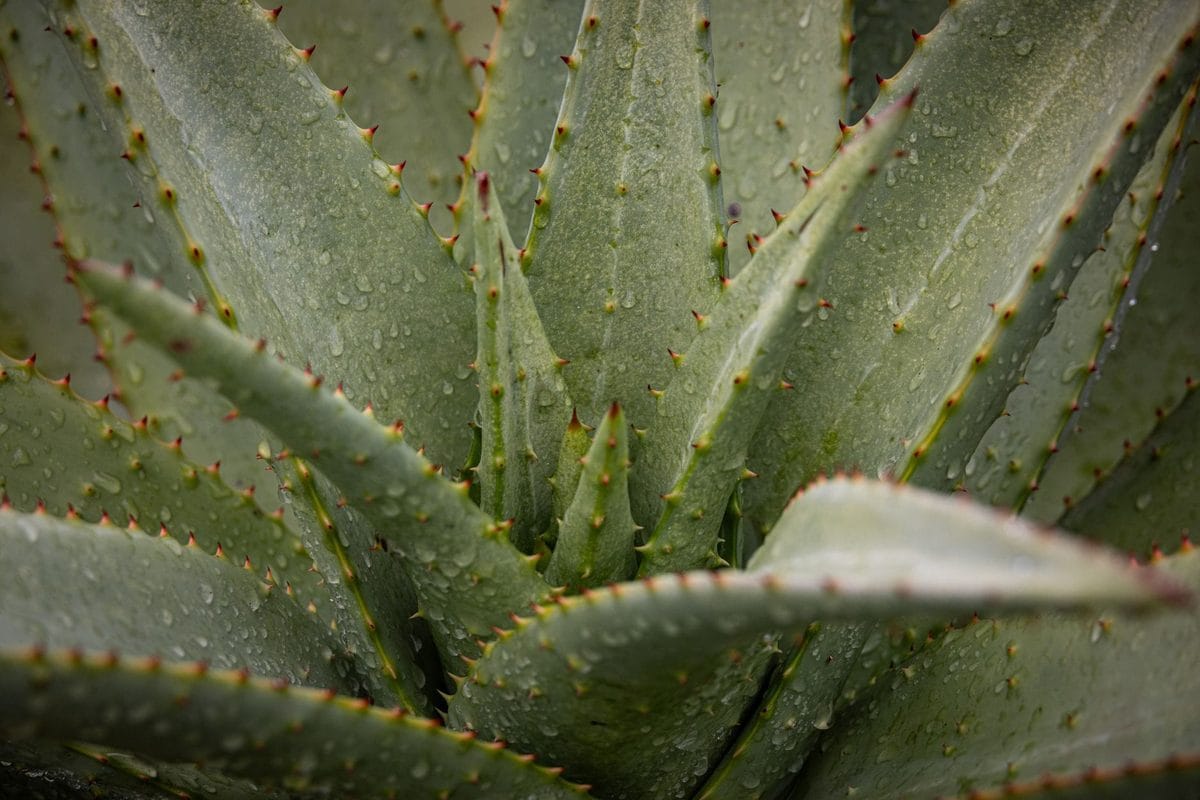
| Aloe vera gel | Topical aloe is generally well tolerated and has some evidence for burns and a few skin conditions, though burning, itching and rash are occasionally reported (6) | Reasonable, patch test |
| Coconut oil as a plain emollient | Acts as a simple moisturiser. Fine for most people unless it clogs pores or you react to it | Reasonable |
On tea tree oil in particular
Tea tree oil is genuinely antimicrobial, which is why it is in so many products, and that is also why it appears in so many home-remedy lists. The problem is sensitisation. A review of contact allergy to tea tree oil reports that of all essential oils it has caused the most published allergic reactions since the first cases in 1991, with positive patch test rates in routine testing ranging from 0.1% to 3.5%, and notes that oxidation of the oil increases its allergenic potency (4). Sensitisation has been documented in children as well (5).
NCCIH adds two practical points: tea tree oil must never be swallowed, since doing so can cause confusion, unsteadiness and coma, and topical reactions are more likely when a product is old or has been exposed to heat, light or air (3).
Where aloe stands
Aloe is the one botanical here we have kept. Topical aloe gel is generally well tolerated, and there is clinical research suggesting it speeds burn healing and reduces burn pain, with smaller amounts of evidence for several other skin conditions (6). Burning, itching, rash and eczema have occasionally been reported, so patch test on a small area first.
If you are curious about the plant more generally, we cover what drinking aloe vera juice actually does separately.
Keeping the Routine Gentle While It Heals
- Cut back to a mild cleanser and one plain moisturiser
- Skip exfoliants, acids, retinoids and fragranced products until the skin is calm
- Do not apply cosmetic lotions or ointments directly onto the rash (1)
- Resist scrubbing, and pat rather than rub after washing (1)
- Introduce products back one at a time, so you can identify a trigger
For dry or reactive skin generally, our guide to moisturising skin at home sticks to the gentle end of the range, and toners for oily skin covers the same caution about acids.
When a Rash Needs a Doctor
Call emergency services if (1):
- You are short of breath or your throat feels tight
- Your face is swollen
- A child has a purple rash that looks like a bruise
Contact your provider if (1, 2):
- You have joint pain, fever or a sore throat with the rash
- There are streaks of redness, swelling or very tender areas, which can indicate infection
- You have started a new medicine, and do not stop it without asking
- You may have had a tick bite
- The reaction is severe, or home treatment is not working
Frequently Asked Questions
What is the fastest way to calm a rash on the face?
Stop whatever may have caused it, wash gently with warm water, pat dry, leave it alone, and use a plain moisturiser. Over-the-counter 1% hydrocortisone cream may soothe many rashes, and an oral antihistamine can help the itch. Most simple rashes improve with gentle care and avoiding irritants.
Is tea tree oil good for a facial rash?
No, and this is a change from the advice that used to be on this page. Of all essential oils, tea tree oil has caused the most published allergic contact dermatitis reactions, and oxidised oil is a stronger sensitiser than fresh. Applying it to already-inflamed facial skin risks making the rash worse.
Can I use apple cider vinegar or baking soda on my face?
We do not recommend either on a rash. Vinegar is acidic enough to irritate or burn inflamed skin, and baking soda is alkaline and works against the skin’s own barrier. Neither has evidence for facial rashes.
When is a rash an emergency?
Call emergency services if you are short of breath, your throat feels tight, or your face is swollen, or if a child has a purple rash that looks like a bruise. Those are not situations for home care.
When should I see a doctor?
If you have joint pain, fever or a sore throat alongside the rash, streaks of redness, swelling or very tender areas suggesting infection, if you have started a new medicine, if you may have had a tick bite, or if home treatment is not working.
The Bottom Line
The most effective home care for a facial rash is subtraction rather than addition: stop the likely trigger, wash gently, leave it alone, moisturise plainly, and use hydrocortisone or an antihistamine if you need them. Essential oils, vinegar and baking soda are the wrong tools for inflamed facial skin, and tea tree oil is the single most common essential-oil cause of allergic contact dermatitis. If there is fever, spreading redness, swelling of the face or any breathing difficulty, that is medical care, not skincare.
This article is for informational purposes only and is not a substitute for professional medical advice, diagnosis, or treatment. Seek urgent care for facial swelling, a tight throat or difficulty breathing, and consult a healthcare provider for a rash that is severe, spreading or not improving.
Related Articles
Home Remedies for Moisturizing Dry Skin: The Evidence
Homemade Toners for Oily Skin: What Works and What to Skip
Aloe Vera Juice Benefits and Risks: What the Research Shows
Home Remedies for Clear Skin: What Helps and What Harms
Psoriasis Diet Guide – Foods to Eat and Avoid