
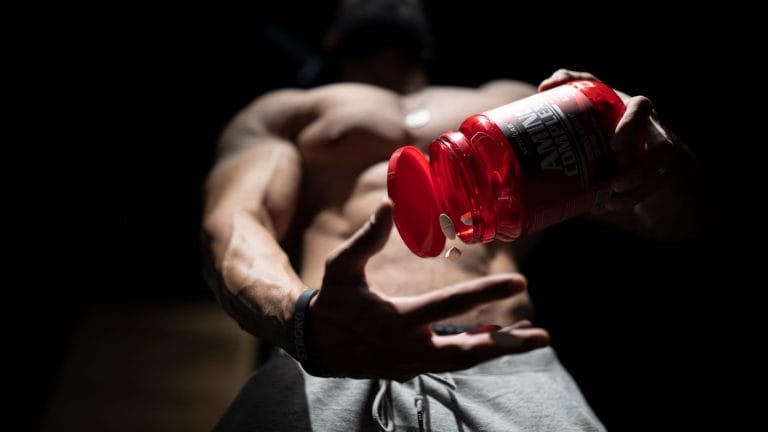
What L-glutamine is genuinely used for, what the pooled evidence says about the reasons people actually buy it, and one claim we have removed outright.
L-glutamine sits in every supplement aisle, bought by lifters and by people with digestive trouble. The two groups overlap less than the marketing suggests, and so does the evidence behind them.
This article has been substantially corrected. The previous version stated that about 60% of skeletal muscle is glutamine, credited it with raising growth hormone and aiding weight loss, and said it had shown a preventive role against cancer. The first is a misreading, the second is overstated, and the third points in the opposite direction to what cancer researchers have found.
Key Takeaways
- The strongest evidence is in sickle cell disease, from a phase 3 trial (2).
- A meta-analysis found no effect on athletic performance, body composition or immunity (4).
- One good trial supports it in post-infectious IBS with measured hyperpermeability (3).
- Cancer cells depend on glutamine; blocking it is a treatment strategy being studied (5).
- The body normally makes enough; food protein supplies more (1, 7).
What It Is
 Save
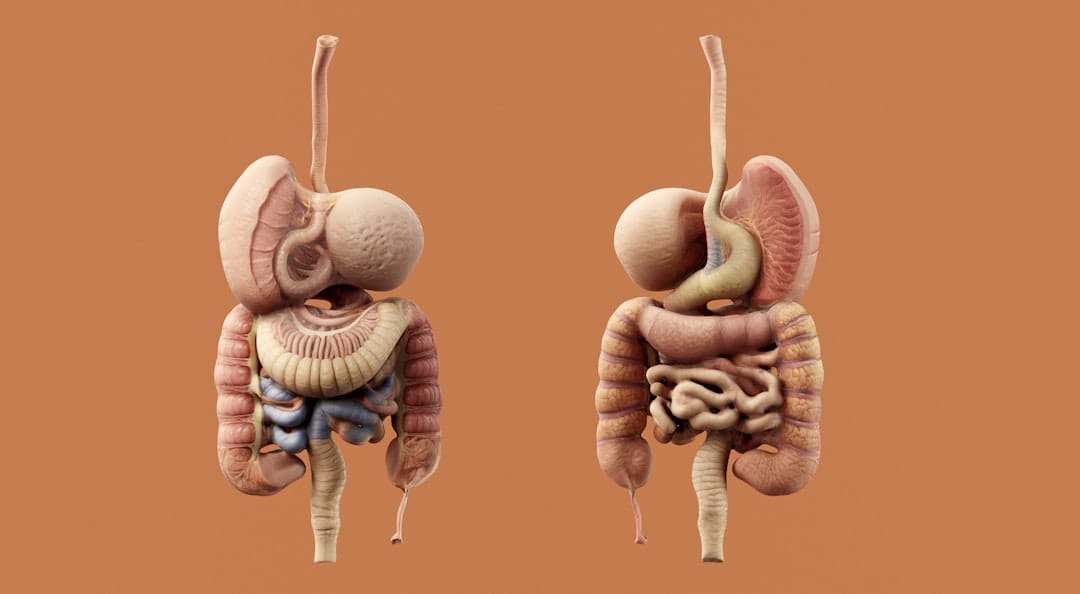
SaveAmino acids are the building blocks of protein, and the body uses them to build and maintain muscle, bone, skin, connective tissue, organs and blood (1, 7). Glutamine is the most abundant free amino acid in the body.
It is usually described as conditionally essential: your body makes enough under normal circumstances, but during serious injury, surgery or critical illness demand can outrun production. That distinction matters, because it explains why the clearest benefits show up in patients under real physiological stress rather than in healthy people taking a scoop after the gym.
The 60% figure, corrected
You will see it written that roughly 60% of skeletal muscle is glutamine. That is a garbled version of a real fact: glutamine makes up around 60% of the free amino acid pool inside muscle tissue, which is a small fraction of the tissue itself. Skeletal muscle is mostly water and structural protein.
The distinction is not pedantry. The wrong version makes glutamine sound like a structural component of muscle you must replace, which is the premise the supplement is sold on.
What the Evidence Actually Shows
 Save
Save| Use | What the best available study found | Verdict |
|---|---|---|
| Sickle cell disease | A phase 3 trial reported fewer pain crises over 48 weeks (median 3.0 vs 4.0) and fewer hospitalisations (2.0 vs 3.0) than placebo, alone or alongside hydroxyurea (2) | Strongest evidence |
| Post-infectious IBS with diarrhoea and confirmed intestinal hyperpermeability | A randomised placebo-controlled trial found large reductions in bowel movement frequency, stool form and intestinal permeability, with low adverse events. The authors called for larger trials to validate it (3) | Promising, specific group |
| Athletic performance and body composition | A systematic review and meta-analysis of clinical trials concluded glutamine supplementation has no effect on athletes’ immune system, aerobic performance or body composition (4) | No effect |
| Immune support in athletes | Same meta-analysis: no effect (4) | No effect |
| Cancer prevention | The biology points the other way. Proliferating cancer cells rely heavily on glutamine, which is why blocking glutamine metabolism is being studied as a cancer treatment strategy (5) | Claim removed |
| Weight loss via growth hormone | Not established; the meta-analysis found no effect on body composition (4) | Overstated |
Sickle cell disease: the real one
This is the use with proper trial evidence, and the previous version of this page mentioned it only in passing as something “some sources suggest”.
A phase 3 trial in children and adults with sickle cell anaemia found that those taking oral L-glutamine had fewer pain crises over 48 weeks than those on placebo, with a median of 3.0 versus 4.0, and fewer hospitalisations, a median of 2.0 versus 3.0. Two thirds of participants in both groups were also taking hydroxyurea (2).
It was not free of downsides: low-grade nausea, non-cardiac chest pain, fatigue and musculoskeletal pain were all more common in the glutamine group (2). This is a prescribed treatment decision, not a self-care one.
The gut: narrower than advertised
Glutamine is a fuel source for intestinal cells, which is the mechanism behind every “leaky gut” claim you will read. There is one trial worth taking seriously: in people with post-infectious IBS with diarrhoea who had measured intestinal hyperpermeability, glutamine produced large improvements in bowel movement frequency, stool form and permeability, with few adverse events (3).
Note the qualifiers. Post-infectious. Diarrhoea-predominant. Hyperpermeability confirmed by testing. The authors explicitly called for larger trials to validate the findings. That is a long way from a general gut-repair supplement.
Athletes: the pooled answer is no
This is where most L-glutamine is sold, and it is where the evidence is weakest. A systematic review and meta-analysis of clinical trials concluded that glutamine supplementation has no effect on athletes’ immune system, aerobic performance or body composition (4).
We have also removed the growth hormone argument. Even if a rise is measurable, the chain from there to fat loss and lean mass was not supported, and the same meta-analysis found no body composition effect.
The Claim We Removed
The previous version said L-glutamine “has exhibited a preventive role against cancer”. The research points the other way.
Proliferating cancer cells rely heavily on glutamine, using it as a carbon source through the TCA cycle and as a nitrogen source for amino acid and nucleotide synthesis. That dependence is precisely why targeting glutamine metabolism is being investigated as a cancer treatment strategy (5).
Telling someone with cancer that a glutamine supplement is preventive inverts this. If you have cancer or are in treatment, this is a question for your oncology team, not a supplement label.
Dose and Safety
We have deliberately removed the dosage figures that used to appear here, and changed the title accordingly.
The trials that found benefit used amounts chosen for a specific diagnosis under supervision. A number aimed at the general reader implies the supplement is appropriate for the general reader, which the evidence does not support. If a clinician has recommended it, follow their figure.
General cautions:
- Tell your clinician. Supplements are a documented cause of drug-induced liver injury and can interact with medication (6).
- Liver or kidney disease. Amino acid handling changes; this is not a self-managed decision.
- Cancer, or cancer treatment. Discuss it before taking anything containing glutamine (5).
- Pregnancy and breastfeeding. Not established; ask first.
- Side effects seen in trials included nausea, chest pain, fatigue and musculoskeletal pain (2).
You Are Probably Already Getting Some
Glutamine is present in protein-rich foods, and protein is essential for building and maintaining muscle, bone, skin and connective tissue and for healing (7). Someone eating adequate protein is taking in glutamine without a tub.
If your goal is recovery from training, the ordinary answer still applies: enough total protein, enough sleep, sensible progression. Our protein shake guide and workout guide cover that, and the balanced diet guide covers the food side.
Frequently Asked Questions
What does L-glutamine actually do?
It is the most abundant free amino acid in the body and a fuel source for the cells lining the intestine and for immune cells. The body normally makes enough, which is why it is called conditionally essential: demand can outrun supply during serious injury, surgery or critical illness.
Does L-glutamine help athletes?
The pooled evidence says no. A systematic review and meta-analysis of clinical trials concluded that glutamine supplementation has no effect on athletes’ immune function, aerobic performance or body composition. It is one of the most widely sold supplements for a use it has not been shown to serve.
Is L-glutamine good for the gut?
In one specific situation there is good evidence: people with post-infectious IBS with diarrhoea and measured intestinal hyperpermeability improved substantially in a randomised placebo-controlled trial. The researchers themselves said larger trials are needed before generalising. That is narrower than the ‘heals leaky gut’ claim you usually see.
Can L-glutamine prevent cancer?
No, and this page used to suggest otherwise. Cancer cells depend heavily on glutamine for growth, which is why researchers are working on drugs that block glutamine metabolism in tumours. Anyone with cancer should ask their oncology team before taking it.
How much should I take?
We do not give a dose here. The trials that found benefit used amounts chosen for a specific diagnosis under medical supervision, and the right answer depends on why you are taking it. Ask a clinician, and tell them about it if you are already taking it.
The Bottom Line
L-glutamine has one strong indication, sickle cell disease, and one promising narrow one, post-infectious IBS with confirmed intestinal hyperpermeability. For the reason most people buy it, training and recovery, a meta-analysis of clinical trials found no effect on performance, body composition or immune function. The cancer prevention claim that was on this page has been removed because cancer cells depend on glutamine and blocking it is being studied as therapy. The body makes its own, food protein supplies more, and any therapeutic use belongs with a clinician.
This article is for informational purposes only and is not a substitute for professional medical advice. Talk with a healthcare provider before taking L-glutamine, particularly if you have liver or kidney disease, are undergoing cancer treatment, are pregnant or breastfeeding, or take prescription medicine.
Related Articles
9 Homemade Protein Shakes Made With Real Food
Workouts for a Lean and Fit Body: 15 Moves, No Gym Needed
Balanced Diet Guide With the 5 Food Groups
Calorie Deficit Diet Guide for Safe Weight Loss
Dumbbell Workout Plan for Women: 9 Moves and Weekly Plan