
A friendly guide to the starchy foods that fuel you well, and the ones better kept occasional.
Starch has a bit of a reputation problem. People hear “carb” and picture weight gain, but the truth is more generous than that. Legumes, whole grains, winter squash, rice, and potatoes all carry meaningful amounts of starch alongside fiber, minerals, and steady energy. Some of that starch even resists digestion or breaks down slowly, which helps you feel full longer and keeps hunger from creeping in between meals.
The catch is that not every starchy food earns a place on your plate. A whole grain and a store-bought cookie may both be “starchy,” yet they behave very differently in your body. This guide sorts the genuinely nourishing choices from the ones that mostly deliver refined flour and sugar, and it explains why the distinction matters for energy, digestion, and blood sugar.
Key Takeaways
- Beans, whole grains, winter squash, rice, potatoes, and sorghum starch are nutritious sources of starch.
- Pasta, white bread, corn, and commercial cakes and cookies are the starchy foods worth limiting.
- Wholesome starch, paired with fiber, supports steady energy and easier bowel movements.
- Preparation matters as much as the food itself, so lean toward whole and minimally processed forms.
Starch Isn’t One Thing
Most starches are complex carbohydrates, long chains of glucose that your body has to work to break apart. That slow breakdown is exactly what makes them useful. Simple carbohydrates, by contrast, are just one or two sugar units and dissolve into your bloodstream almost immediately. So when nutritionists say complex carbs beat simple sugars, starch is a big part of what they mean. The list below leans on that logic.
The Starchy Foods Worth Eating
Legumes And Beans
 Save
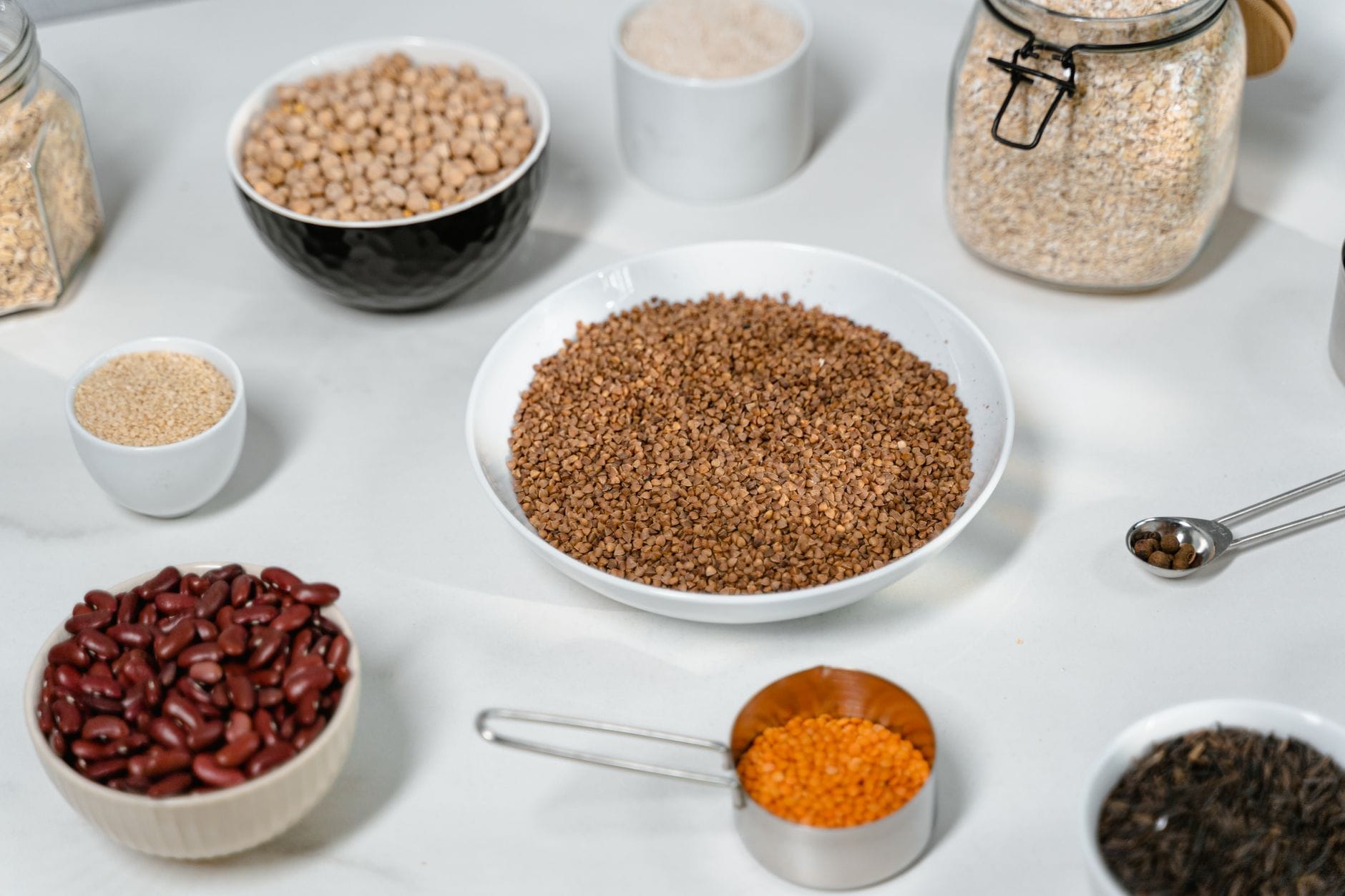
SaveAll beans are legumes, though not every legume is a bean. Both are quietly impressive: a quarter-cup of beans supplies roughly the protein of an ounce of meat, which makes them a far better snack than a bag of chips. Legumes also carry antioxidants that help shield your cells from oxidative stress.
Beans edge out other legumes on starch content, and varieties like black beans, lentils, kidney beans, and split peas deliver iron and other minerals. They fold easily into a soup, a curry, or a side, and they’ve been linked to lower cholesterol. One honest caveat: beans give some people gas or an upset stomach. If that’s you, nuts make a reasonable stand-in, and peas work well when you want something in the same family. For more on hitting your daily target, this high fiber foods list and daily fiber guide is a useful companion.
Whole Grains
 Save
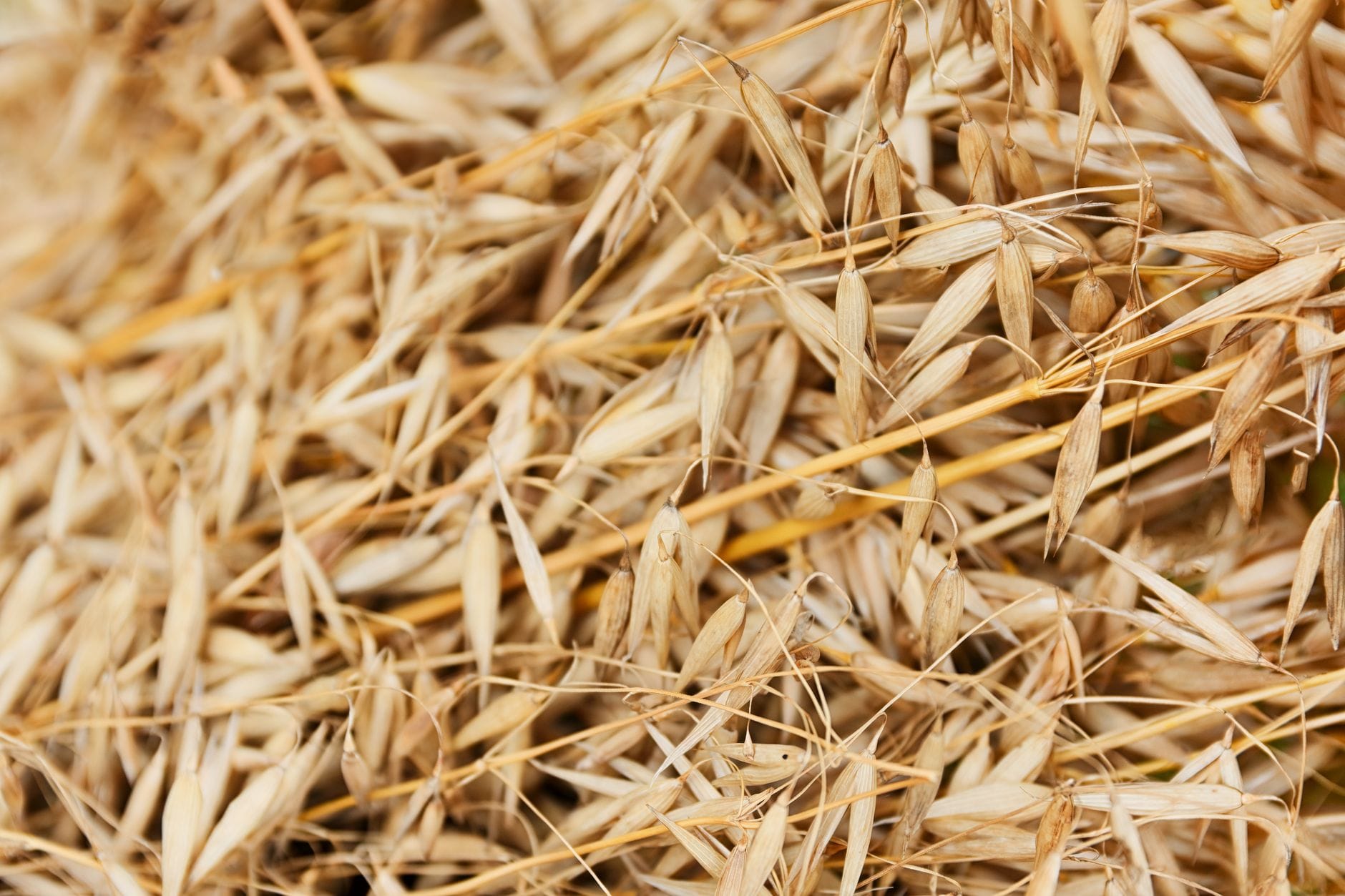
SaveWhole grains give you starch and fiber in one package, and their fiber content runs well above that of refined grains. They also bring B vitamins, iron, vitamin E, selenium, potassium, and magnesium. Research ties regular whole-grain intake to a lower risk of heart disease, type 2 diabetes, and some cancers, while refined grains tend to work against weight goals. Oats and barley are easy places to start, and if bread is your weakness, the naturally fermented kind covered in this look at sourdough bread nutrition is a friendlier option than standard white loaves.
Winter Squash
Winter squash brings starch and potassium with relatively few calories, plus a dense, satisfying texture. Its beta-carotene may help protect certain immune cells and guard skin against sun-related aging. There’s some informal support for squash easing inflammatory conditions like arthritis, though that part is less settled. A small number of people react to certain squashes, in which case pumpkin covers similar ground.
Rice
Rice is a dependable source of starch and quick energy, but the type you choose changes the story. White rice sits high on the glycemic index, meaning it spikes blood sugar faster. Brown rice digests more slowly and holds up better for anyone managing type 2 diabetes. If you’re curious about pigmented varieties, the research on black rice and its antioxidants is worth a look.
Potatoes
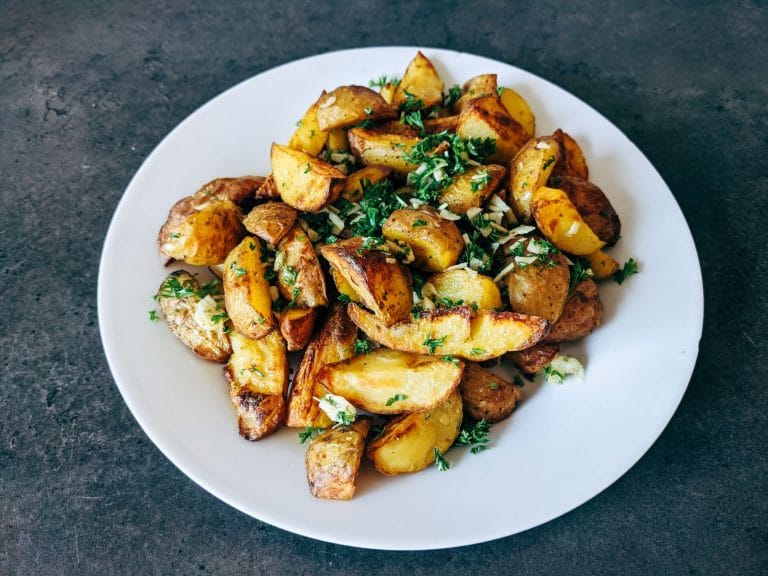
Potatoes are among the most-loved carbohydrate foods, and eating them with the skin on adds fiber that helps digestion. They’re genuinely nourishing in normal amounts. The one thing to watch is quantity over the long haul, since heavy, sustained potato intake has been associated with a higher risk of type 2 diabetes. People already living with diabetes may prefer cauliflower or turnips more often. Storage matters as much as quantity: sprouted potatoes are safe once the sprouts are off, but green ones never are.
Sorghum Starch
Sorghum starch comes from a hardy plant that thrives on little water across many climates, which makes it an environmentally sound crop. The starch itself is naturally gluten-free, so it suits anyone with celiac disease or gluten sensitivity, and it works nicely for baking or as a thickener. Detailed nutrition data on the isolated starch is thin, but sorghum flour is rich in carbohydrates and carries useful vitamins, minerals, protein, and fiber. This deeper dive into sorghum’s benefits and who should eat it fills in the picture.
The Starchy Foods to Keep Occasional
Not all starch arrives in a wholesome package. A few common favorites lose most of their value during processing, and these are the ones to treat as sometimes foods rather than staples.
Pasta is high in carbs and low in both fiber and protein, so it can push blood sugar up. Anyone with type 2 diabetes is wise to keep portions modest, and durum wheat pasta isn’t the most nutritious grain choice.
White bread loses vitamins and minerals in milling and, eaten routinely, has been linked with weight gain and heart disease. Whole-grain or brown bread is the stronger everyday pick.
Corn is starchy but comes with plenty of sugar and very little fiber, which can raise blood glucose. For some people, a lot of corn also triggers digestive discomfort.
Commercial cakes and cookies stack refined grains, sugar, and unhealthy fats, and many still contain trans fats that push LDL cholesterol higher. The excess sugar feeds both weight gain and tooth decay.
Why Good Starch Earns Its Keep
Eaten from whole foods, starch does quiet, steady work. Its carbohydrate load hands you usable energy, and because the good sources digest slowly, that energy lasts rather than spiking and crashing. Fiber-rich wholegrain versions in particular help keep blood glucose on an even keel while supporting fullness and smoother bowel movements. For anyone watching how food affects blood sugar, pairing these choices with the principles in a low-glycemic eating approach makes the effect even more reliable. How you cook them counts too: steaming, boiling, or baking with the skin on preserves far more of what makes these foods worth eating than deep-frying ever will.
Frequently Asked Questions
Is starch bad for weight loss?
Not on its own. Slow-digesting, fiber-rich starches from beans, whole grains, and vegetables actually help with fullness. Overeating any food, especially refined starches, is what drives fat storage and weight gain.
Which starchy foods are best for diabetes?
Brown rice, beans, whole grains, and squash tend to raise blood sugar more gently than white rice, white bread, corn, and sweets. Portion size and preparation both matter.
Can I eat starchy foods every day?
Yes, for most people. Anyone who isn’t allergic can include healthy starches daily. Just favor whole forms over refined ones and keep portions reasonable.
The Bottom Line
Starch deserves better than its blanket bad reputation. From legumes and whole grains to winter squash, brown rice, potatoes, and sorghum starch, these foods carry real nutrition and give you lasting energy. The line to watch runs between whole and heavily processed, so leaning on the six picks above while going easy on pasta, white bread, corn, and packaged sweets lets you enjoy starch without the downsides.
This article is for general informational purposes only and is not a substitute for professional medical advice. Talk with a qualified healthcare provider before making significant changes to your diet, especially if you have diabetes or another health condition.
Related Articles
High Fiber Foods List and Daily Fiber Needs
Sourdough Bread Benefits: What Holds Up
Black Rice Benefits Backed by Research
Sorghum Benefits, Nutrition, and Who Should Eat It
Low-Glycemic Diet: GI Food List, Benefits and Limits