
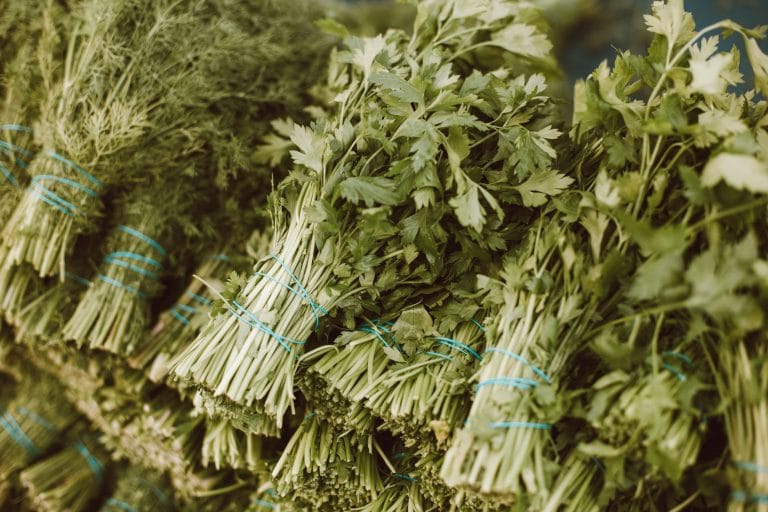
The health benefits of parsley explained with the evidence: USDA nutrition per serving, vitamin K and warfarin, heart and bone links, which cancer and kidney claims come from lab studies, and safety.
Parsley (Petroselinum crispum) is a culinary herb from the Mediterranean region. It contains flavonoids, carotenoids, vitamin C and volatile oils, and it has been traditionally used for high blood pressure, diabetes and heart and kidney complaints (12).
The best-supported health benefits of parsley come from its nutrients, especially vitamin K. Claims that parsley fights cancer, protects the kidneys or lowers blood sugar are based on lab and animal research, not human trials (1, 5, 9).
Key Takeaways
- A half cup of chopped fresh parsley (30 g) has about 11 calories and 492 mcg of vitamin K, several times the daily Adequate Intake (1, 2).
- People taking warfarin need to keep vitamin K intake consistent, which matters with a high-vitamin K food like parsley (2).
- Diets higher in flavonoids and folate are linked to lower heart disease risk in observational studies (6, 7, 8).
- Apigenin and luteolin, compounds found in parsley, have shown anticancer effects only in lab and animal studies (9, 10, 11).
- Parsley is safe as a food, but its essential oil should not be used, and allergic reactions can occur (3, 4).
Parsley Nutrition
 Save
Save| Fresh parsley | Per 100 g | ½ cup chopped (30 g) | 1 tbsp (3.8 g) |
|---|---|---|---|
| Calories | 36 kcal | 11 kcal | 1.4 kcal |
| Protein | 3.0 g | 0.9 g | 0.1 g |
| Fiber | 3.3 g | 1.0 g | 0.1 g |
| Vitamin K | 1640 mcg | 492 mcg | 62.3 mcg |
| Vitamin C | 133 mg | 40 mg | 5.1 mg |
| Vitamin A (RAE) | 421 mcg | 126 mcg | 16.0 mcg |
| Folate | 152 mcg | 46 mcg | 5.8 mcg |
| Potassium | 554 mg | 166 mg | 21.1 mg |
| Iron | 6.2 mg | 1.9 mg | 0.2 mg |
| Calcium | 138 mg | 41 mg | 5.2 mg |
Source: USDA FoodData Central, parsley, fresh (1). A half cup is calculated from USDA’s 1 cup chopped = 60 g.
Parsley’s most striking nutrient is vitamin K. The Adequate Intake for adults is 120 mcg a day for men and 90 mcg for women (2), so even a tablespoon of fresh parsley provides a large share. A half cup also supplies about 40 mg of vitamin C and 46 mcg of folate (1). Most people eat parsley in small amounts, so its overall contribution depends on how much you use.
Health Benefits of Parsley: What the Evidence Shows
| Claim | What was studied | Evidence |
|---|---|---|
| Bone health (1, 2) | Parsley is very high in vitamin K, which bone proteins need | Nutrient role; parsley itself not tested |
| Heart health (6, 7, 8) | Diets higher in flavonoids and folate | Observational studies of whole diets |
| Diuretic effect (5) | Parsley seed extract given to rats | Animal |
| Cancer (9, 10, 11) | Apigenin and luteolin, compounds found in parsley | Cell and animal studies |
| Blood sugar, liver, ulcers, germs (12) | Traditional uses and early lab research | Not established in people |
Vitamin K and bones
Vitamin K is needed to activate osteocalcin, one of the main proteins in bone, and its role in bone health and osteoporosis is an active area of research (2). Parsley is one of the richest food sources of vitamin K (1), but no studies have tested whether eating parsley improves bone health.
Heart health
A meta-analysis of 14 cohort studies found that people with higher intakes of several types of flavonoids had a lower risk of cardiovascular disease (6). Diets higher in folate were also associated with fewer coronary events in Finnish men and lower cardiovascular mortality in Japanese adults (7, 8). These studies looked at whole diets, not parsley specifically. Parsley can be part of a balanced diet rich in vegetables and herbs.
Diuretic effect
In rats, drinking a parsley seed extract increased urine output, apparently by inhibiting the sodium-potassium pump in the kidneys (5). This has not been confirmed in people, and parsley should not be used in place of prescribed diuretics.
Cancer research
Apigenin, a flavonoid found in parsley, celery, chamomile and other plants, has shown anticancer effects against breast cancer in lab and animal studies (9), and reduced migration and invasion of colorectal cancer cells in the lab (10). Luteolin, another flavonoid found in many plants, has anticancer activity in laboratory research (11). These findings involve concentrated compounds, not normal amounts of parsley, and do not show that eating parsley prevents cancer.
Other traditional uses
Parsley has been reported to have antimicrobial, antioxidant, diuretic, blood sugar-lowering and liver-protective properties in early research (12), but these effects have not been established in human studies.
How to Use Parsley
 Save
Save- Add it generously to meals: stir chopped parsley into salads, grain bowls, soups, sauces and dressings.
- Use leaves and stems: both can be chopped and used in cooking.
- Parsley tea: a common traditional drink, but its health effects have not been studied in people.
- Pair it with other vegetables: herbs work best as part of a vegetable-rich eating pattern such as a plant-based diet, alongside other high-fiber foods.
Safety
- As food: parsley is generally recognized as safe (GRAS) by the FDA (3).
- Essential oil: should not be used because of the potential toxicity of its apiol and myristicin content (3).
- Warfarin: people taking warfarin need consistent vitamin K intake, so avoid big changes in how much parsley you eat without talking to your doctor (2).
- Allergy: reactions can occur, including cross-reactions with carrot, celery and fennel (3). A woman using large amounts of parsley as an herbal remedy had near-fatal anaphylaxis (4).
- Breastfeeding: no data exist on the safety of parsley supplements or medicinal amounts while breastfeeding (3).
Frequently Asked Questions
What are the health benefits of parsley?
Parsley is very rich in vitamin K and also provides vitamin C, vitamin A and folate for very few calories. Diets higher in flavonoids and folate are linked to lower heart disease risk, but parsley itself has not been tested in human trials. Claims about cancer, kidneys and blood sugar come from lab and animal studies.
How much vitamin K is in parsley?
Fresh parsley contains about 1,640 mcg of vitamin K per 100 g. A half cup of chopped parsley (30 g) provides about 492 mcg, and a tablespoon about 62 mcg, compared with an Adequate Intake of 120 mcg a day for men and 90 mcg for women.
Can I eat parsley if I take warfarin?
You don’t necessarily have to avoid it, but people taking warfarin need to keep their vitamin K intake consistent. Because parsley is so high in vitamin K, suddenly eating much more or less of it could affect how warfarin works. Talk to your doctor before changing how much you eat.
Is parsley safe during pregnancy and breastfeeding?
Parsley is generally recognized as safe as a food. Parsley essential oil should not be used because of the potential toxicity of its apiol and myristicin content. No data exist on the safety of larger medicinal amounts during breastfeeding, so stick to normal food amounts and talk to your doctor about supplements.
Can you be allergic to parsley?
Yes. Allergic reactions to parsley can occur, including cross-reactions with related plants such as carrot, celery and fennel. A case of near-fatal anaphylaxis was reported in a woman who used large amounts of parsley as an herbal remedy.
The Bottom Line
Parsley is a low-calorie herb that is exceptionally rich in vitamin K and also provides vitamin C, vitamin A and folate. Its best-supported health benefits come from these nutrients and from being part of a vegetable-rich diet. Claims about cancer, kidney protection and blood sugar rely on lab and animal studies of parsley compounds. Enjoy parsley generously as food, avoid parsley essential oil, and keep your intake consistent if you take warfarin.
This article is for informational purposes only and is not a substitute for professional medical advice, diagnosis, or treatment. Always consult a qualified healthcare provider before making changes to your diet, supplements, or medications.
Related Articles
Balanced Diet Guide With the 5 Food Groups
High Fiber Foods List and How Much Fiber You Need
Plant-Based Diet: Benefits, Risks and How to Start
Positive Effects of Healthy Eating: What Research Shows