

Green beans nutrition from USDA data, and a straight answer to whether green beans are good for you: what the research shows for blood sugar, heart and eye health, which claims come from dry bean studies, and how to cook them safely.
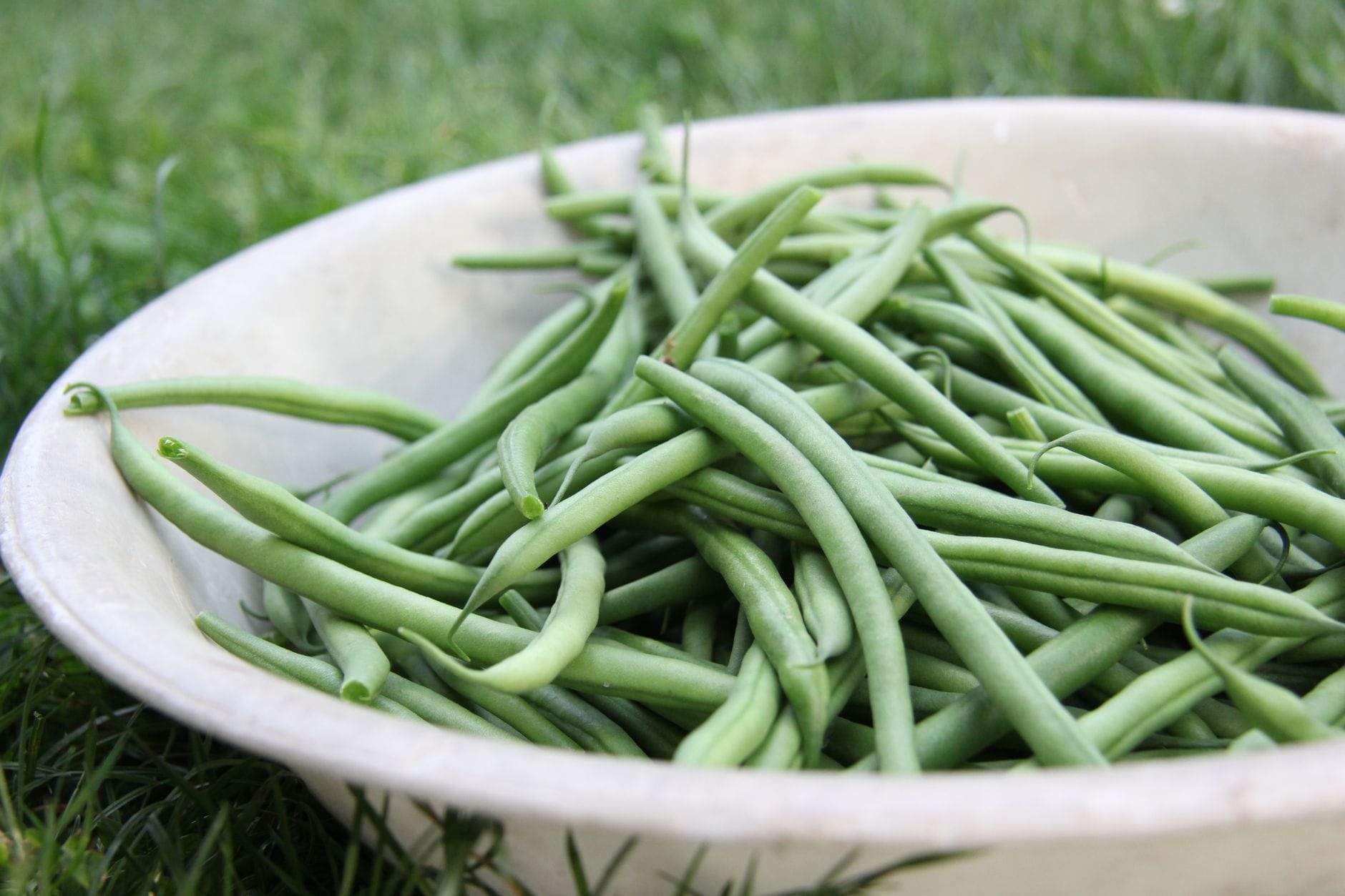
Green beans, also called string beans or snap beans, are the young pods of the common bean plant (Phaseolus vulgaris). A cup of boiled green beans has about 44 calories and provides fiber, vitamin K, vitamin C, folate and the carotenoids lutein and zeaxanthin (1).
Many green beans benefits described online come from studies of dry beans and legumes, such as kidney beans, chickpeas and lentils, rather than green pods. This guide separates what applies to green beans from what does not. If you are building a balanced diet, green beans are an easy, low-calorie vegetable to add.
Key Takeaways
- A cup (125 g) of boiled green beans provides about 44 calories, 4 g of fiber and 60 µg of vitamin K (1).
- Green beans are a nonstarchy vegetable, recommended to fill half the plate in diabetes meal planning (4).
- Heart, diabetes and cancer findings mostly come from studies of legumes and dry beans, not green beans (5, 6, 10, 11).
- Lutein and zeaxanthin, which green beans contain, are linked to lower risk of age-related macular degeneration (1, 8).
- Raw or undercooked kidney bean seeds can cause food poisoning; cooking green beans is a sensible precaution (13, 14).
Green Beans Nutrition Facts
 Save
SaveThe table below shows USDA values for green beans boiled and drained without salt (1).
| Nutrient | Per 100 g | Per cup (125 g) |
|---|---|---|
| Energy | 35 kcal | 44 kcal |
| Carbohydrate | 7.9 g | 9.9 g |
| Fiber | 3.2 g | 4.0 g |
| Protein | 1.9 g | 2.4 g |
| Vitamin K | 47.9 µg | 59.9 µg |
| Vitamin C | 9.7 mg | 12.1 mg |
| Folate | 33 µg | 41 µg |
| Calcium | 44 mg | 55 mg |
| Lutein + zeaxanthin | 641 µg | 801 µg |
Green beans are low in calories and fat, and their fiber, vitamin K and lutein content make them a nutritious addition to most meals.
Green Beans Benefits: What the Evidence Shows
| Claim | What was studied | Evidence |
|---|---|---|
| Blood sugar (5, 12) | Legume diet (beans, chickpeas, lentils) in 121 people with type 2 diabetes; green bean pod extract in diabetic rats | Human trial used legumes, not green beans; green bean data are animal only |
| Heart disease (6, 7) | Cohort of 9,632 adults eating legumes; fruit and vegetable intake studies | Observational association for legumes and vegetables in general |
| Cancer (10, 11) | Bean fiber and breast cancer case-control study; dry beans and colon polyp recurrence | Studies of dry beans, not green beans |
| Eyes (8) | Review of lutein and zeaxanthin intake and supplements | Moderate intake linked to lower AMD risk; not tested with green beans |
| Bones (9) | Review of vitamin K and bone health | Deficiency linked to fractures; treatment results conflicting |
| Mood, weight loss | No studies of green beans | Not supported |
Blood sugar and diabetes
The NIH lists green beans among the nonstarchy vegetables that should make up half of your plate when using the plate method for diabetes (4). A cup of boiled green beans contains about 10 g of carbohydrate, including 4 g of fiber (1).
In a 3-month randomized trial of 121 people with type 2 diabetes, a low glycemic index diet that increased legume intake by at least 1 cup a day lowered HbA1c by 0.5%, compared with 0.3% on a high wheat fiber diet (5). That trial focused on legumes such as beans, chickpeas and lentils, not green beans. A green bean pod extract lowered blood glucose in diabetic rats (12), but this has not been tested in people.
Heart health
In a US cohort of 9,632 adults followed for about 19 years, eating legumes four or more times a week was associated with a 22% lower risk of coronary heart disease than eating them less than once a week (6). Harvard Health notes that fiber from fruits and vegetables, including green and yellow vegetables such as green beans, seems to help lower cholesterol and blood pressure and improve blood vessel function (7). Dietary fiber in general helps reduce the risk of high cholesterol and high blood sugar (2). These are observational links, not proof that green beans prevent heart disease.
Cancer risk
In a California case-control study, high intake of bean fiber and total beans was associated with about 20% lower breast cancer risk (10). In the Polyp Prevention Trial cohort, people who most increased their dry bean intake had lower recurrence of advanced colorectal adenomas (11). Both studies measured dry beans. A review of beans concludes that including them in a plant-based diet has colon protective effects (3), but no study shows that green beans themselves lower cancer risk.
Eye health
 Save
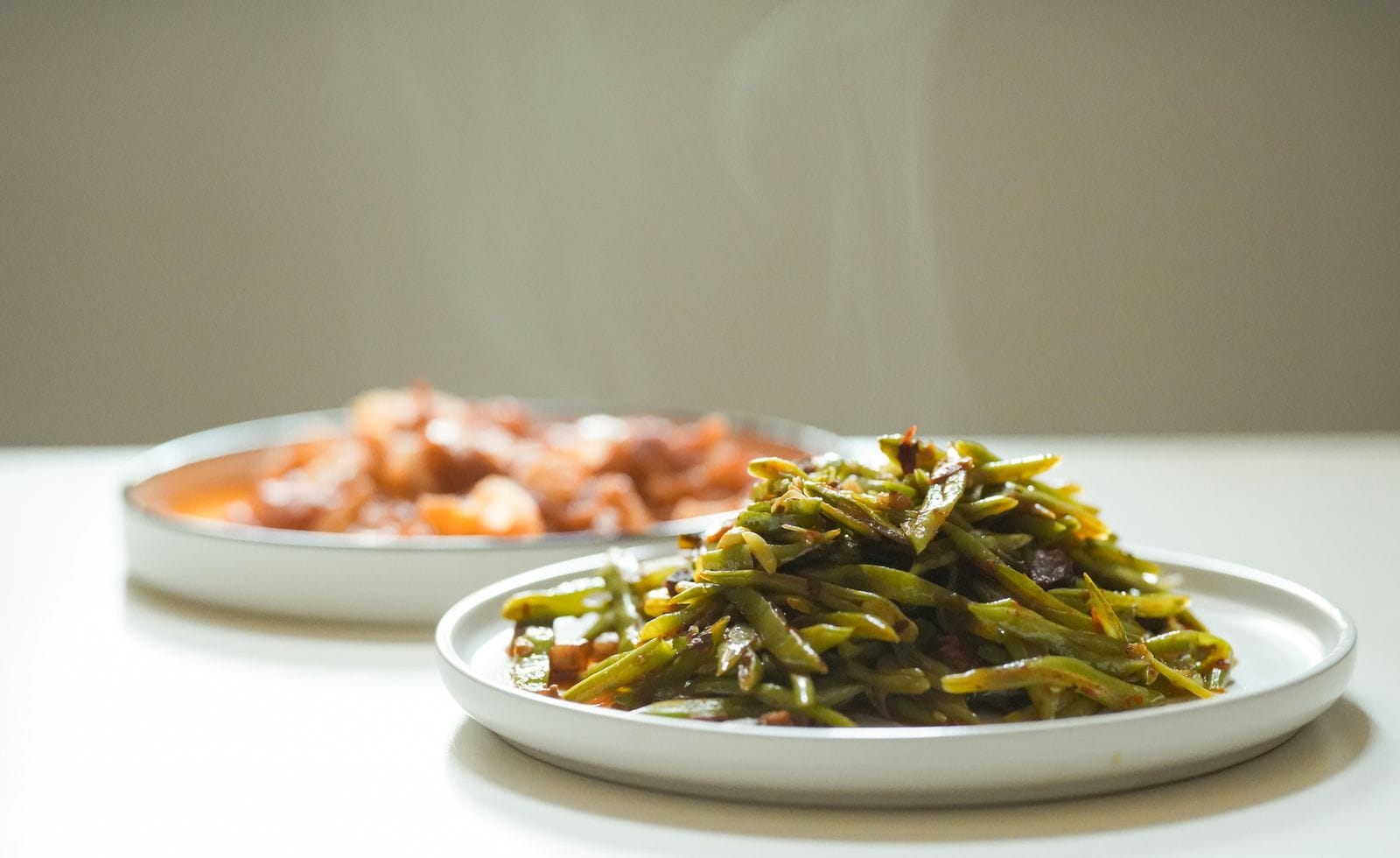
SaveLutein and zeaxanthin form the macular pigment of the eye. Surveys suggest moderate intakes are associated with lower risk of age-related macular degeneration and less visual impairment (8). A cup of boiled green beans provides about 800 µg of lutein and zeaxanthin (1). The review’s authors included researchers linked to a pharmaceutical company, and green beans themselves have not been studied for eye disease.
Bone health
Vitamin K is essential for blood clotting and plays a role in bone metabolism. Vitamin K deficiency has consistently been associated with fractures, but studies of vitamin K treatment to reduce fracture risk have conflicting results (9). Green beans are a useful dietary source of vitamin K (1).
Digestion and weight
Fiber adds bulk and can be fermented by gut bacteria into short-chain fatty acids (2). No studies show that green beans cause weight loss, but their low calorie content makes them a filling choice if you are following a calorie deficit diet. For more on how food choices add up, see the positive effects of healthy eating.
How to Cook and Eat Green Beans
- Trim the stem ends and rinse the pods.
- Steam, boil, roast or stir-fry until tender-crisp.
- Add them to soups, salads, grain bowls or a plant-based diet plan.
- Pair them with other vegetables such as mushrooms.
Safety and Side Effects
- Raw beans: phytohaemagglutinin, a lectin in common bean seeds, causes food poisoning when raw or undercooked beans are eaten. Commercially cooked beans had more than 99% less active lectin (13). An outbreak in France in 2018 was traced to undercooked kidney beans in chili (14). Evidence for raw green bean pods is limited, so cooking them is a sensible precaution.
- Vitamin K and warfarin: vitamin K is essential for blood clotting (9). If you take warfarin, keep your intake of vitamin K rich foods consistent and talk to your doctor before making large changes.
- Gas and bloating: increasing fiber quickly can cause gas in some people, so add high-fiber foods gradually.
Frequently Asked Questions
Are green beans good for you?
Green beans are low in calories and provide fiber, vitamin K, vitamin C, folate and the eye pigments lutein and zeaxanthin. As a nonstarchy vegetable, they suit diabetes-friendly meals. Studies linking beans to lower heart disease, diabetes and cancer risk mostly looked at dry beans and legumes, not green beans specifically.
How many calories are in a cup of green beans?
According to USDA data, a cup (125 g) of boiled green beans without salt has about 44 calories, 4 grams of fiber and 2.4 grams of protein.
Are green beans good for people with diabetes?
Yes, they are a good choice. The NIH lists green beans as a nonstarchy vegetable, and the plate method suggests filling half your plate with nonstarchy vegetables. A cup of boiled green beans contains about 10 grams of carbohydrate.
Can you eat green beans raw?
The lectin phytohaemagglutinin causes food poisoning when raw or undercooked kidney bean seeds are eaten, and thorough cooking destroys more than 99% of it. Evidence on raw green bean pods is limited, so cooking them is a sensible precaution, especially for large amounts.
Are green beans high in vitamin K?
A cup of boiled green beans provides about 60 micrograms of vitamin K. If you take warfarin, you do not need to avoid green beans, but keep your vitamin K intake consistent and talk to your doctor before making big changes.
The Bottom Line
Green beans are a low-calorie, nonstarchy vegetable that provides fiber, vitamin K, vitamin C, folate and lutein. They fit well into diabetes-friendly and heart-healthy eating patterns. However, the strongest evidence for lower heart disease, diabetes and cancer risk comes from studies of legumes and dry beans, not green beans specifically, and claims about mood or weight loss are unsupported. Cook them before eating, and keep vitamin K intake consistent if you take warfarin.
This article is for informational purposes only and is not a substitute for professional medical advice, diagnosis, or treatment. Always consult a qualified healthcare provider before making changes to your diet, especially if you have an existing medical condition.
Related Articles
Balanced Diet Guide With the 5 Food Groups
Positive Effects of Healthy Eating: What Research Shows
Calorie Deficit Diet Guide for Safe Weight Loss
Plant-Based Diet: Benefits, Risks and How to Start
Benefits of Mushrooms: Nutrition, Evidence, and Safety