
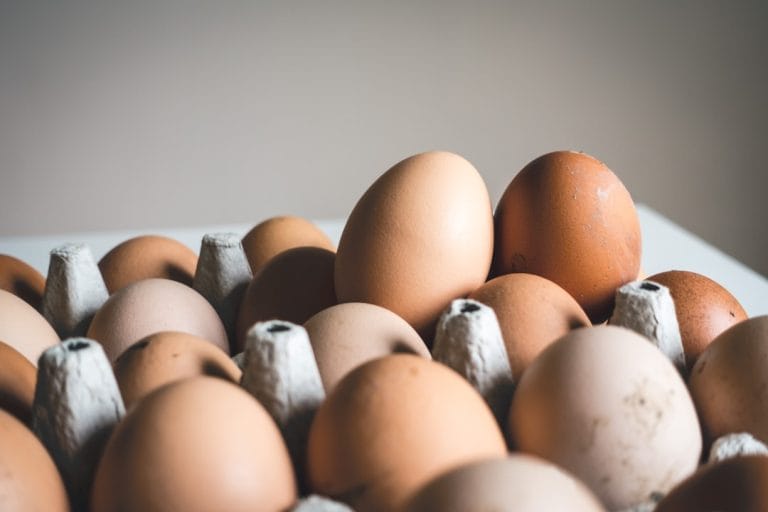
A look at what egg color tells you about nutrition, taste, and price, and what it doesn’t.
Stand in front of the egg cooler long enough and a small decision starts to feel loaded. Brown eggs sit a shelf away from white ones, often with a higher sticker price, and the color alone seems to whisper that one is more wholesome. A lot of us grew up assuming brown meant natural, farm-fresh, better for you, the same way brown bread or brown rice edges out the white version.
Eggs don’t follow that rule. The shade of the shell is decided long before the egg reaches the carton, and it has almost nothing to do with what’s inside. If you care about the quality of your eggs, the color is one of the least useful things to look at. Here’s what actually matters, and where your money and attention are better spent, whether you’re building high-protein breakfast ideas or just want a decent scramble.
Key Takeaways
– Shell color is set by the breed and genetics of the hen, not by how healthy or “natural” the egg is.
– Brown and white eggs deliver essentially the same protein, vitamins, and minerals.
– Taste comes down to the hen’s feed, freshness, and how you cook the egg, never the shell.
– Brown eggs usually cost more because the larger hens that lay them eat more feed.
– Labels like organic, free-range, or omega-3 fortified tell you far more than color ever will.
What Actually Decides an Egg’s Color
The pigment in a shell is a breed trait. According to the USDA, the color of an egg depends on the genetics of the hen that laid it. White Leghorns, White Rocks, and Cornish hens lay white eggs. Plymouth Rocks, Rhode Island Reds, and New Hampshires lay brown ones. And a few breeds go further afield: Araucanas, Ameraucanas, Lushi, and Dongxiang chickens can lay eggs in blue, green, even pinkish tones.
The non-white shades come from pigments the hen produces. Brown shells carry a compound called protoporphyrin IX, while blue shells get their color from biliverdin. Color can even shift a little within a single breed, depending on which genes dominate.
A few outside factors nudge the shade lighter or darker: the hen’s diet, her age, her stress level, her surroundings. But these tweak the intensity rather than the actual color. A brown egg from a stressed hen is still a brown egg. One farm blogger who raises her own chickens put it plainly, admitting she used to think brown eggs were the “farm fresh” ones before she learned that color and size come straight from the breed, and that small flocks can produce a whole rainbow of shells.
Are Brown Eggs Actually Healthier?
 Save
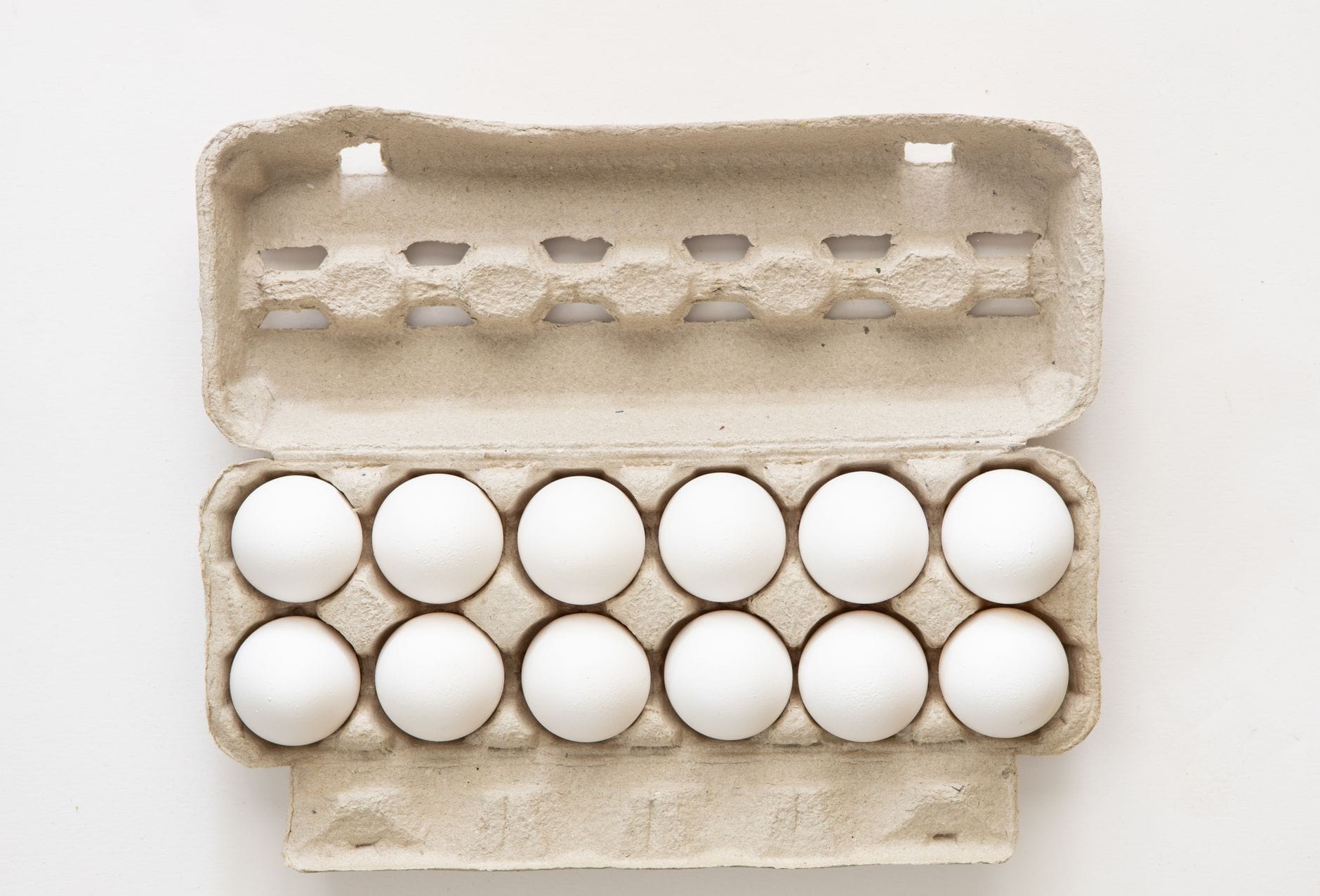
SaveThis is the belief that sends people reaching for the brown carton, and research doesn’t back it up. Studies looking at egg composition have found that shell color has no bearing on quality or nutritional value. Both brown and white eggs give you high-quality protein along with the vitamins and minerals eggs are known for. The protein gap that many shoppers imagine simply isn’t there.
What does move the needle is how the hen lived and what she ate. Hens with real access to sunshine tend to lay eggs with more vitamin D than birds kept entirely in coops and cages. Feed the hen a diet enriched with omega-3 fatty acids and the eggs carry more of those fats; do the same with vitamin D and you get more vitamin D. The environment and the feed shape the nutrition, not the pigment on the outside.
Since the two are nutritionally interchangeable, cook whichever you prefer. Poached, boiled, fried, scrambled, folded into a frittata or a batch of muffins, the shell color changes nothing on the plate. Eggs also pair well with plenty of foods that are rich in fiber if you’re rounding out a meal.
Does One Taste Better?
Some people swear brown eggs taste richer. That’s preference talking, plus a few real variables that ride along with them. Shell color doesn’t affect flavor, but the hen’s feed, the breed, freshness, and cooking method all can.
Here’s why the myth sticks. Many backyard and home-raised chickens happen to lay brown eggs, and those eggs often reach the pan within a day or two, skipping the shipping and storage that supermarket eggs go through. Fresher eggs taste better, and the hen’s varied feed can deepen the yolk color and flavor. People credit the brown shell for something the freshness earned.
Storage works the other way. Eggs held too long, especially in heat, pick up an off-flavor. Cooking method plays a role too: one study found that eggs from hens on fish-oil-enriched feed tasted identical to conventional eggs when scrambled, but developed a faintly sulfur-like off-note once boiled. Small differences, and none of them written on the shell.
Size is the one measurable split. Research suggests brown eggs tend to be heavier, with more shell and more egg white, but slightly less yolk. Whether that matters is up to you and your recipe.
Why Brown Eggs Cost More
 Save
SaveIf the eggs are the same inside, the price tag can feel like a puzzle. The answer is mostly about the birds. Hens that lay brown eggs are generally larger, and bigger bodies need more feed. That extra feed cost gets passed to the shelf. On top of that, specialty eggs like organic and free-range often happen to be brown, and those production methods carry their own premium. So you’re frequently paying for the farming approach, not the color.
What’s Actually Worth Reading on the Carton
Skip the color and look at the labels that describe how the hens were raised and fed. These tell you something real:
Organic — hens fed pesticide-free grains and feed.
Omega-3 fortified — hens given flaxseed or fish oil to boost the egg’s omega-3 content.
Vitamin-enhanced — hens on a vitamin-rich diet.
Free-range — hens allowed to roam and forage.
Cage-free — hens kept indoors but not confined to cages.
Antibiotic-free — hens raised without antibiotics.
Any of these gives you more information than the shell. If you can get eggs freshly collected from a farm, that’s often the freshest option of all. Eggs slot easily into most eating patterns too, from a plant-forward, balanced diet to the kind of everyday meals that quietly shift how your body feels when you eat well.
Frequently Asked Questions
Do brown eggs have more protein than white eggs?
No. Both contain the same high-quality protein. Any protein difference between the two is a myth, since shell color doesn’t touch what’s inside.
Why do some backyard eggs taste better then?
Usually freshness and feed, not color. Home-raised eggs skip long storage and shipping, and a varied hen diet can give the yolk a richer flavor and deeper color.
Which egg should I buy?
Buy on labels and freshness rather than color. Look for organic, free-range, vitamin-enhanced, or omega-3 fortified, or get eggs freshly collected from a farm.
The Bottom Line
Egg shells come in white, brown, and even blue-green because of the breed and genetics of the hen, with small nudges from her diet, age, and surroundings. Unlike whole grains, a brown shell buys you no extra nutrition or flavor. What genuinely changes an egg’s quality is how the hen lived and what she ate, plus how fresh the egg is when it hits your pan. Next time you shop, let the color go and read the carton instead.
This article is for informational purposes only and is not a substitute for professional medical advice. Talk to your doctor or a registered dietitian about your individual dietary needs, especially if you have food allergies or health conditions.
Related Articles
The Homemade Protein Shakes I Reach For Instead of Store-Bought Powder (9 Easy Recipes)
The High Fiber Foods Worth Putting on Your Plate Every Day
How to Eat a Balanced Diet Without Counting Every Calorie
What Actually Happens to Your Body When You Start Eating Healthy