
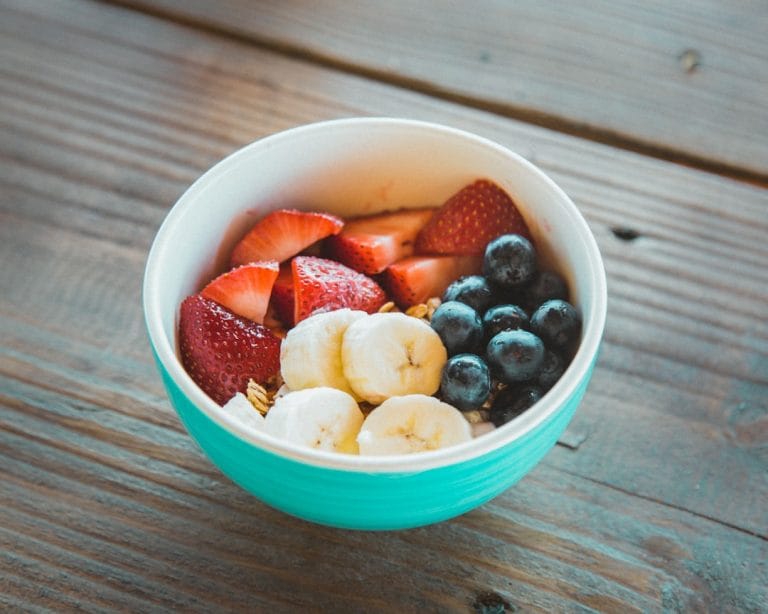
What eating mostly fruit does over time, what the studies of the closest comparable diets found, and why we have taken the meal plan off this page.
Fruit is one of the most clearly beneficial foods there is. A fruit diet, meaning a pattern where fruit provides most of what you eat, is not the same claim, and it does not follow from the first one.
This article has been rewritten. The previous version included a seven-day fruitarian meal plan, described early in-vitro cancer findings as a possible benefit, and named only type 1 diabetes as a reason to avoid it. All three have been removed, and what replaced them is what has actually been measured in people eating this way.
Key Takeaways
- 60.5% of strict raw-food eaters had at least one severely eroded tooth (1).
- 25% of women on that pattern were underweight; ~30% had lost their periods (2).
- The benefit of fruit levelled off at about five servings a day (3).
- B12 deficiency in children on restrictive plant diets can cause irreversible nerve damage (4).
- We have removed the seven-day plan this page used to publish.
What the Diet Asks
 Save
SaveA fruitarian pattern builds meals around raw fruit, adds nuts and seeds, and includes vegetables that are botanically fruits, such as avocados and tomatoes. Meat, dairy, eggs, grains, legumes and processed food are cut. The usual target is for more than half of daily calories to come from fruit.
That is the part worth pausing on. More than half your calories from one food group means the other groups supply less than half, and those groups are where protein, vitamin B12, iron, zinc and long-chain omega-3 fats come from.
What Happens to People Who Eat This Way
There is no large trial of fruitarian eating, which is itself informative. The closest evidence comes from studies of strict raw-food eaters, and in one of them fruit made up a median of 62% of total intake, an average of 9.5 kg of fruit a week (1). That is close enough to be worth reading carefully.
| What was measured | What the study found | Where |
|---|---|---|
| Dental erosion | In 130 people eating more than 95% raw food, with fruit making up a median 62% of intake, 60.5% had at least one severely eroded tooth against 31.6% of matched controls. Only 2.3% had no erosive damage at all, against 13.2% of controls (1) | Caries Res |
| Body weight | Average weight loss of 9.9 kg in men and 12 kg in women. BMI was below the normal range in 14.7% of men and 25.0% of women, and fell further the stricter and longer the diet (2) | Ann Nutr Metab |
| Menstruation | About 30% of women under 45 had partial or complete absence of periods, and this was more frequent in those eating more than 90% raw (2) | Ann Nutr Metab |
| Children | Case histories of malnutrition and serious harm persist on restrictive plant diets, including irreversible neurological damage from vitamin B12 deficiency in unsupplemented children (4) | Proc Nutr Soc |
The one nobody expects
Dental erosion is the finding that deserves to be at the top of any honest article about this diet, and it was completely absent from the previous version of this page.
In the study above, the raw-food group recorded a median of 4.8 separate occasions of eating citrus fruit per day. Compared with sex- and age-matched controls they had significantly more dental erosion, with 60.5% having at least one tooth with severe erosion against 31.6% of controls, and only 2.3% escaping erosive damage entirely against 13.2% of controls (1).
Frequency is the mechanism. Each acidic exposure softens enamel, and repeated exposures through the day never let it recover. Tooth enamel does not regenerate (8). Whatever else this diet does or does not do, that part is permanent.
Weight, periods and energy
A survey of 513 long-term raw-food eaters, averaging 3.7 years on the diet, found average weight loss of 9.9 kg in men and 12 kg in women. BMI was below the normal range in 14.7% of men and 25.0% of women, and was lower the stricter the diet and the longer it had been followed. About 30% of women under 45 reported partial to complete absence of menstruation, more often in those eating more than 90% raw. The authors’ conclusion was that a very strict raw food diet cannot be recommended on a long-term basis (2).
Weight loss is usually presented as this diet’s selling point. In that study it arrived together with underweight and loss of menstrual cycles, which is the same finding described two different ways.
What Gets Left Out
- Vitamin B12 is found in animal foods and is needed to make red blood cells and keep nerves working. A diet without animal foods does not supply it (5).
- Protein is needed to build and maintain muscle, bone, skin and connective tissue and for healing. Fruit supplies very little (6).
- Iron from plant sources is absorbed less efficiently than from animal sources, and low iron leads to anaemia (7).
- Zinc and long-chain omega-3 fats come mainly from foods this pattern removes.
The B12 point is not theoretical. A review of vegan and vegetarian diets in children notes that case histories of malnutrition and serious harm persist, including irreversible neurological damage from B12 deficiency in unsupplemented children, and that European guidance recommends against children following vegan diets without medical and dietetic supervision (4).
The Number That Puts It in Proportion
 Save
SaveHere is the argument that does the most work on this page, and it comes from the evidence in favour of fruit.
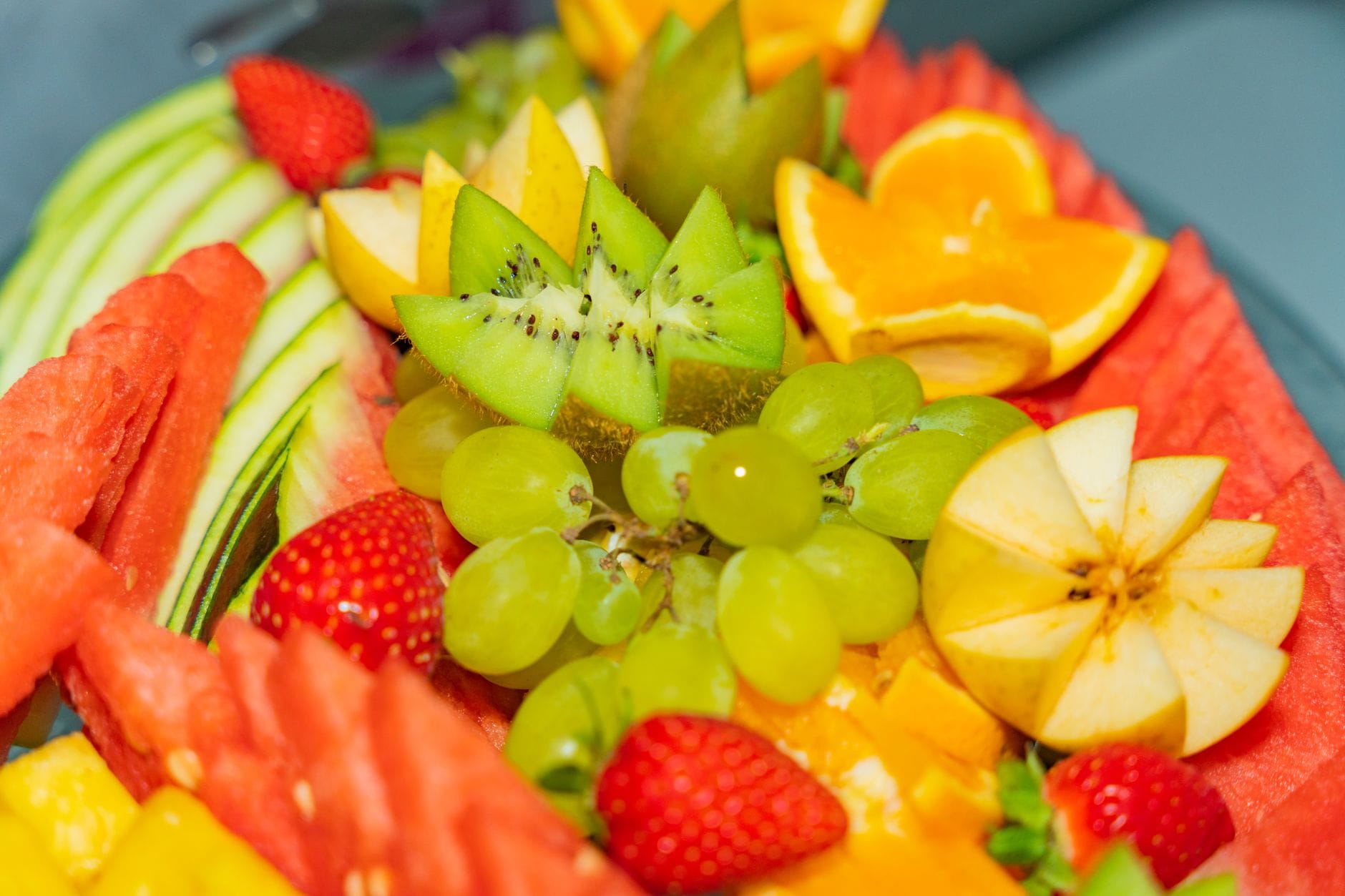
A dose-response meta-analysis of 16 prospective cohorts, covering 833,234 participants and 56,423 deaths, found that each additional daily serving of fruit and vegetables was associated with about 5% lower all-cause mortality, and each serving of fruit specifically with 6% lower. There was a threshold at around five servings a day, after which risk did not fall any further (3).
So the benefit of fruit is real, and it is capped. Going from two servings to five buys you something. Going from five to fifteen, while dropping the food groups that supply your protein and B12, does not buy more of it. It trades a benefit you have already collected for a set of deficiencies you have not.
What We Took Off This Page
- The seven-day meal plan. Publishing a menu is an instruction to follow it, and we are not instructing anyone to follow this.
- The gastric cancer claim. The previous version said vitamin C and antioxidants in fruit may hold back the growth of gastric cancer cells. That is laboratory work on cells, not a benefit of a diet, and it has no place in an article someone might read while unwell.
- “May slow cellular aging.” Not supported.
- “Night blindness” as a listed risk. Vitamin A deficiency is an unlikely outcome of a diet built on carotenoid-rich fruit. The real gaps are listed above.
Who Should Not Do This At All
- Anyone with diabetes of any type, or on glucose-lowering medication. A fruit-dominant intake is a large carbohydrate load, and consistency across the day is part of managing blood glucose (9). The previous version named only type 1.
- Pregnancy and breastfeeding. Requirements rise and the margin for error disappears.
- Children and adolescents. Restriction during growth, with documented irreversible harm at the severe end (4).
- Anyone with a history of disordered eating. This was missing before, and a diet associated with underweight and amenorrhea is exactly the wrong tool.
- Anyone underweight, or with existing dental erosion or sensitivity (1).
The Version Worth Keeping
Everything good about this diet survives without the diet. Eat fruit every day, aim to get towards that five-a-day mark with vegetables, keep the whole fruit rather than the juice so you keep the fibre, and eat it with meals rather than grazing on acidic fruit all day, which is the pattern that damages enamel (1).
Then keep the food groups that carry what fruit does not. Our plant-based guide and the vegan diet guide cover plant-forward eating with the nutrient gaps addressed and supplementation spelled out, the fibre guide covers the part fruit does well, and the balanced diet guide covers where to land.
Frequently Asked Questions
Is a fruit diet healthy?
Fruit is healthy. A diet made mostly of fruit is a different proposition. The closest studied populations are strict raw-food eaters, where a quarter of women were underweight, about 30% of women under 45 had partial or complete loss of their periods, and 60% had at least one severely eroded tooth. The authors concluded a very strict raw food diet cannot be recommended long term.
Why did you remove the 7-day plan?
Because publishing a menu is an instruction to follow it, and we do not think this is a diet to follow even briefly without supervision. What replaced it is the amount of fruit that has actually been associated with benefit, eaten alongside everything else.
How much fruit is actually beneficial?
In a dose-response meta-analysis of 16 cohorts covering 833,234 people, each extra daily serving of fruit and vegetables was associated with about 5% lower all-cause mortality, and the benefit levelled off at around five servings a day. Past that threshold, more did not lower risk further.
Can I do it for a few days as a reset?
A few days of eating mostly fruit will not cause the harms above, which build over months. It also will not do anything a normal diet with plenty of fruit does not do, and most of the early weight change is water. If you have diabetes, take glucose-lowering medicine, are pregnant, or have any history of disordered eating, do not do it at all.
What about the teeth specifically?
This is the risk people never anticipate. Fruit acids dissolve enamel, and enamel does not grow back. The raw-food study recorded a median of 4.8 separate occasions of eating citrus fruit per day, and frequency is what drives erosion. Damaged enamel is permanent.
The Bottom Line
A fruit diet takes a food with well-established benefits and pushes it past the point where the benefit stops. Pooled cohort data puts that point at around five servings of fruit and vegetables a day. Beyond it, extra fruit adds nothing to survival, while the food groups being displaced are the ones carrying protein, vitamin B12, iron and zinc. In the closest studied populations, a quarter of women were underweight, about 30% under 45 had lost their periods, and 60% had at least one severely eroded tooth, which is permanent. Eat plenty of fruit. Do not make it the diet.
This article is for informational purposes only and is not a substitute for professional medical advice. Do not adopt a fruit-dominant diet if you are pregnant or breastfeeding, have diabetes or take glucose-lowering medicine, are underweight, have any history of disordered eating, or are feeding a child.
Related Articles
Plant-Based Diet: Benefits, Risks and How to Start
Vegan Diet: The Evidence and the Nutrient Gaps
High Fiber Foods List and How Much Fiber You Need
Balanced Diet Guide With the 5 Food Groups