

A genuinely healthy fruit that still deserves a little caution.
Pineapple has earned its reputation. It’s juicy, tart, cheap in summer, and it works in everything from grilled skewers to a plain bowl with a fork. Nobody needs convincing to eat more of it.
But like a lot of foods that get filed under “obviously good for you,” pineapple carries a short list of caveats that rarely make it into the conversation. Some people react to it. Some medications don’t play well with it. And a big enough portion may do things to your blood sugar and your teeth that you’d notice over time. None of this makes pineapple bad. It just means the fruit is worth understanding, the same way you’d want to understand any food you eat regularly as part of a balanced diet you don’t have to count calories for.
Key Takeaways
– Pineapple can trigger allergic reactions, including latex-related sensitivity and oral allergy syndrome.
– Bromelain, the enzyme in pineapple stem and juice, has anticoagulant properties and may raise bleeding risk alongside blood thinners.
– The fruit’s natural glucose, sucrose, and fructose may push blood sugar up in susceptible people.
– Its acidity, combined with poor oral hygiene, may raise the risk of tooth decay and sensitivity.
– Large amounts may cause diarrhea, bloating, and stomach pain, sometimes within half an hour.
Allergy Is the One People Underestimate
Pineapple has meat-tenderizing properties, and those same properties may set off an allergic response in some people. Pineapple has also been reported to cause latex allergies in some individuals.
Most reactions resolve on their own within a few hours. Excessive tenderness or swelling on the lips, a tingling sensation in the throat. If symptoms don’t settle, or if they escalate, that’s a call to a medical practitioner rather than a wait-and-see situation.
Reactions in children have been described anecdotally too. One mom blogger reported vomiting, skin rashes, small spots, and red, sore-looking patches of skin on her child’s legs, symptoms first mistaken for a virus before a pineapple allergy was suggested as the cause.
Oral Allergy Syndrome Is a Separate Thing
This one confuses people. Oral allergy syndrome is an allergy to airborne particles like dust and pollen, and it shows up here because the immune system can confuse a protein in pineapple with pollen or another allergen. The result is usually an itchy, irritated tongue for a while after eating.
It tends to be limited to the mouth rather than the whole body. Still worth mentioning to your doctor if it happens consistently.
Bromelain and the Bleeding Question

Bromelain is the enzyme found in pineapple juice and stem, and it’s the reason pineapple shows up in supplement aisles. Natural bromelain, the kind you get from eating fruit, doesn’t appear to be toxic. Taking it as a concentrated supplement is a different conversation and may warrant precaution.
Bromelain has anticoagulant properties. Combined with blood-thinning medication, that may increase the risk of excessive bleeding. If you take a blood thinner, this is worth raising at your next appointment before you start a bromelain supplement.
Bromelain reactions have also been associated with nausea, vomiting, diarrhea, abdominal pain, heartburn, and indigestion. Not everyone experiences them, but they’re worth knowing about.
Antibiotics Are Affected Too
Bromelain may increase the absorption of certain antibiotics, including amoxicillin and tetracycline. More absorption sounds harmless until you realize it may also mean more side effects: chest pain, bloody nose, chills, fever, dizziness. Your pharmacist is the right person to ask.
Blood Sugar Doesn’t Care That It’s Fruit
Pineapple contains glucose and sucrose, and 100 grams of it carries about 14.1 grams of carbohydrate. Most fruits contain carbohydrates that can raise blood sugar, and pineapple is no exception. That’s not extreme for a single serving, but it adds up quickly when you’re eating half a pineapple in one sitting.
For people managing diabetes, portion size is the whole story, and pineapple’s glycemic index is the reason to watch it. Headaches, increased thirst, and frequent urination after a big pineapple session are worth paying attention to, and they’re the kind of thing to keep in view when you’re structuring a calorie deficit that doesn’t wreck your energy.
What Pineapple Does to Your Teeth
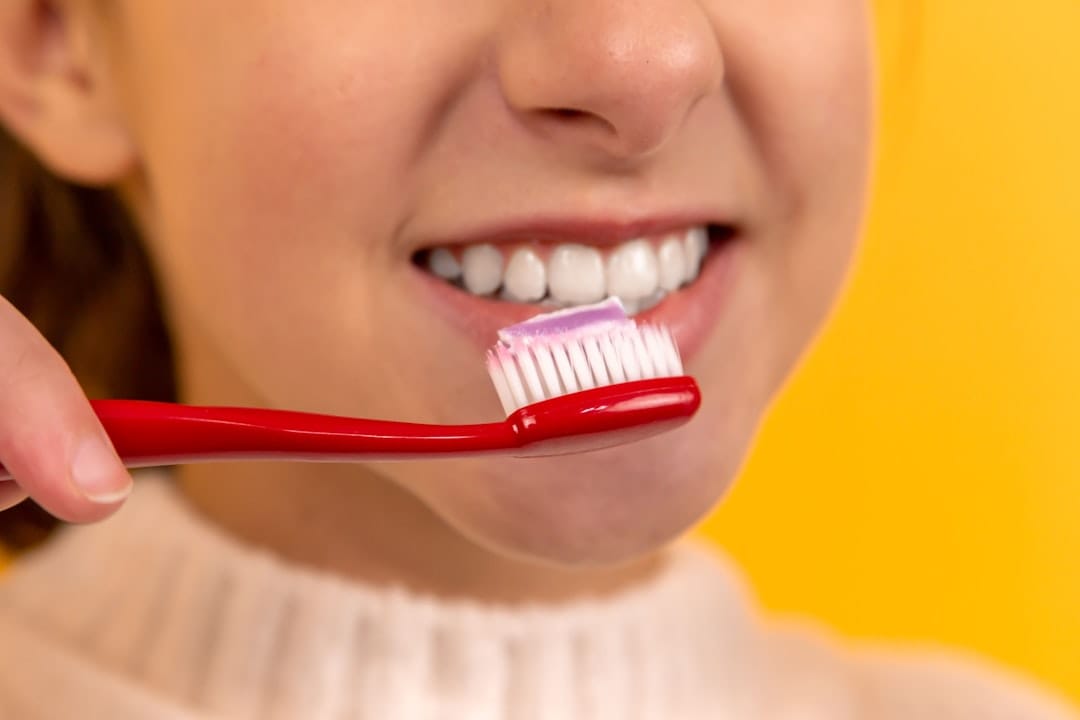
Pineapple is highly acidic. Acidic fruits may initiate a chemical process in the mouth when consumed, and excess intake combined with improper oral hygiene may increase the risk of tooth decay. It has also been linked to desensitization of the teeth, meaning the nerve stops responding normally to stimulus.
The symptoms show up as tooth pain or extreme sensitivity to hot and cold foods. The practical fixes are unglamorous: keep portions moderate rather than grazing on pineapple all afternoon, and stay consistent with the oral hygiene routine your dentist already recommended, since the decay risk here rises when heavy intake and patchy brushing overlap.
If you’re already dealing with sensitivity, be cautious about layering aggressive whitening on top of an acidic diet. There are gentler approaches to whitening teeth with hydrogen peroxide without stripping enamel that are worth reading before you combine the two.
Digestive Upset From Too Much Fructose
Ripe pineapple contains natural sugars including fructose, and consuming large quantities of fructose may cause gastrointestinal discomfort, particularly in children and in certain adults. Diarrhea, flatulence, bloating, abdominal pain, sometimes vomiting. Onset can be fast, occasionally within 30 minutes of eating.
More studies are warranted here, so this part is less settled than the allergy or dental picture. What does seem clear is that some people simply tolerate less pineapple than others, and pushing past your own limit isn’t rewarded. If you’re already in that territory, calming diarrhea with things you have at home is a reasonable next step.
Who Should Be Careful
A few groups have more reason than most to keep portions modest or skip pineapple entirely:
Anyone allergic to pineapple or similar fruits such as kiwi, given the risk of swelling and itching.
People with diabetes, who should watch portion size because of the glycemic index.
Anyone with existing oral sensitivity, which pineapple may irritate.
Pregnant women, since excessive consumption may stimulate the uterus. Moderate intake is the standard advice.
People on blood-thinning medication or currently taking antibiotics.
If pineapple doesn’t agree with you, there’s no shortage of substitutes. Mango, papaya, and oranges deliver similar tropical sweetness plus a vitamin C boost. Cantaloupe and honeydew are hydrating. Strawberries, grapes, and bananas are milder options. Kiwi adds a tangy touch, and guava and peaches add variety, though the usual allergy caution applies. Fruit swaps like these fit naturally into a plant-based approach to eating without giving anything up.
Frequently Asked Questions
How much pineapple is too much?
There are no strict limits, because individuals react differently to different amounts. If you’re getting mouth irritation, digestive upset, or blood sugar swings, that’s your signal to cut back.
Is canned pineapple safer than fresh?
Not necessarily. Syrup-packed varieties add sugar on top of what’s already in the fruit, so choose pineapple packed in juice or water if you go the canned route, and keep the same portion caution in mind.
Should I stop eating pineapple before surgery?
Talk to your surgical team. Given bromelain’s anticoagulant properties, they may want you to pause pineapple supplements. This is a decision for the people managing your care, not a blog post.
The Bottom Line
Pineapple is a good fruit with a handful of genuine caveats. Allergic reactions, blood sugar spikes, tooth damage, digestive upset, and interactions with blood thinners and certain antibiotics have all been reported, and they cluster around two things: large quantities and specific medications.
Eat it in moderation, keep up with your oral hygiene, and mention any bromelain supplement to whoever prescribes your medications. For most people that’s the entire list of precautions.
This article is for informational purposes only and is not a substitute for professional medical advice. Consult a qualified healthcare provider about your own symptoms, medications, and dietary choices.
Related Articles
How to Eat a Balanced Diet Without Counting Every Calorie
How to Set Up a Calorie Deficit Without Wrecking Your Energy (or Your Muscle)
How to Whiten Your Teeth With Hydrogen Peroxide (Without Wrecking Your Enamel)
How to Calm Diarrhea at Home With Things You Probably Already Have
9 Reasons a Plant-Based Diet Might Be the Smartest Change You Make This Year