

Her transformation came down to steady habits, not shortcuts. Here’s what she actually changed.
Khloe Kardashian dropped roughly 40 pounds after having her baby, and she has been unusually open about how she did it. No detox teas, no starvation plan. In interviews, she has described a slow, deliberate shift in how she eats, trains, and thinks about food, which is precisely why the results stuck. Losing weight after pregnancy is hard for anyone, and Khloe has said she struggled with her weight long before motherhood.
What makes her story useful is that most of her habits are ordinary things anyone can copy, like drinking more water, keeping healthy snacks within reach, and building meals around protein. Several of them line up with what research says about sustainable fat loss, including the basics of a well-planned calorie deficit.
Key Takeaways
– Khloe lost about 40 pounds after her baby was born, and she has said the process was intentionally slow.
– Her divorce was the turning point; she started treating exercise as therapy and stress relief.
– She follows a dairy-free, low-carb diet built around protein, vegetables, and portion control.
– She trains with Gunnar Peterson seven days a week, mixing cardio with strength work.
– Her non-negotiables include roughly 4 liters of water a day, mindful eating, and one controlled cheat day per week.
It Started With Stress, Not a Scale
Khloe has been candid about being called “the fat sister” growing up, and about laughing it off rather than letting it hurt. The real shift came during her divorce. Instead of letting the stress consume her, she channeled it into the gym. In her words, she turned to fitness “as a form of therapy and as a stress reliever.”
That framing matters. She wasn’t chasing a number. She has said her goal was never to lose 20 pounds in 20 days; emotionally, she just wanted to feel strong. Weight loss followed as a side effect of showing up consistently, which is the part most quick-fix plans get backwards.
What She Eats in a Day
 Save
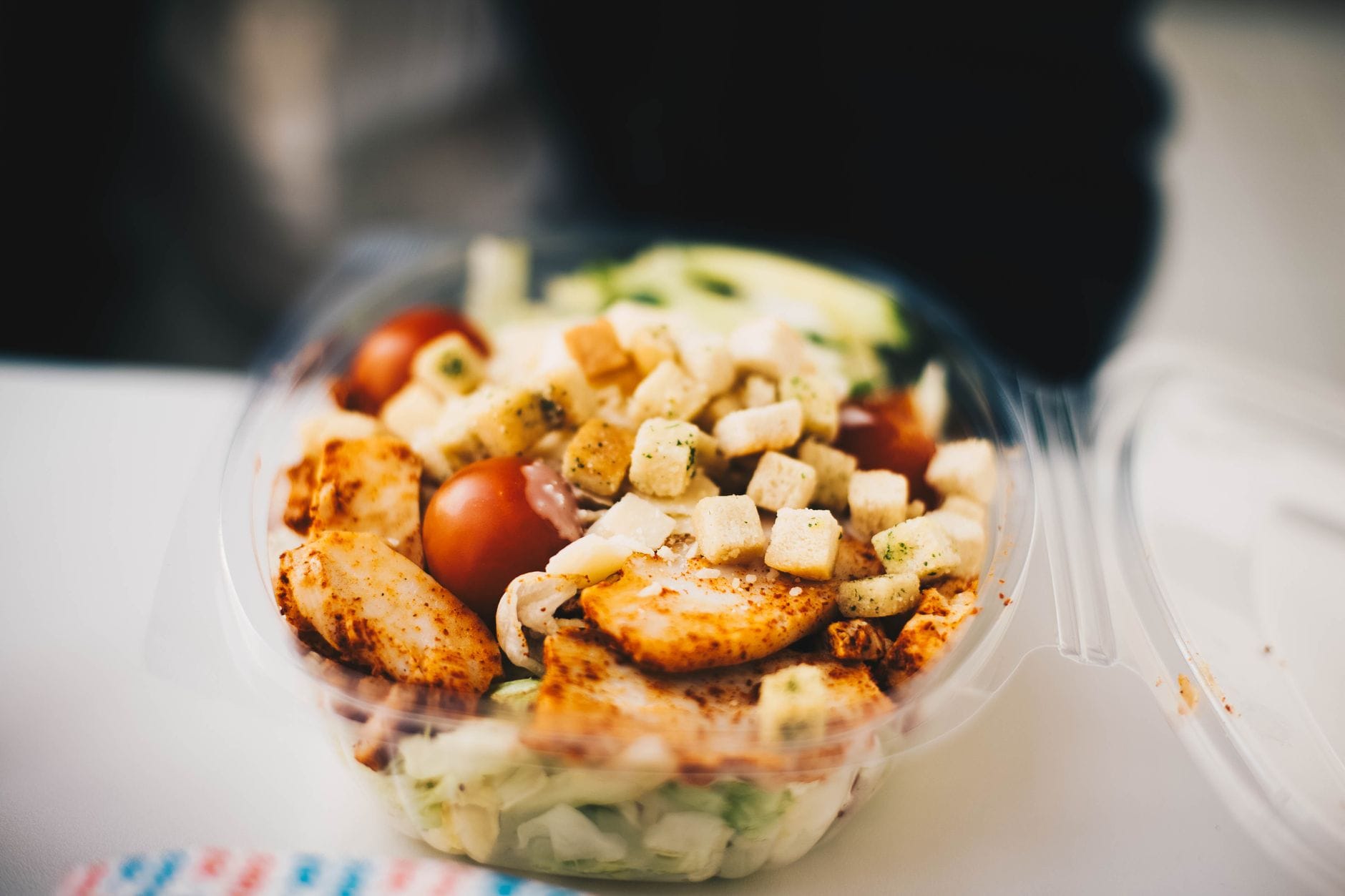
SaveKhloe told People magazine she follows a dairy-free, low-carb diet. The structure is simple and repeatable rather than restrictive.
Before workouts, she has almond butter with an apple, a pairing of protein, fat, and quick carbs that fuels training without weighing her down. Breakfast leans on eggs, a strong source of protein plus fat-soluble and water-soluble vitamins and minerals, alongside large-flake oats. The bigger flakes deliver more fiber, which keeps her full longer and can even limit how much fat the body absorbs. Blueberries or strawberries go on top for sweetness and extra micronutrients.
Lunch is usually grilled skinless chicken breast with vegetables, rice, and sweet potato. The chicken supplies protein to repair muscle after training, while the starches cover her “good carb” quota for the day. Dinner stays light: leafy greens with sunflower seeds for healthy fats, plus fish for lean protein and omega-3s, which support muscle and help neutralize free radicals. Snacks and desserts stick to low-glycemic fruits that won’t spike her blood sugar.
None of this is exotic, and that’s the point. It resembles a sensible balanced diet more than a celebrity fad, which is why she can actually stay on it.
Her Diet Rules Worth Stealing
A few habits come up again and again when Khloe talks about maintaining her results:
Drink a lot of water. She aims for at least 4 liters a day. Hydration keeps metabolism and other body functions running and helps flush out waste.
Stock the kitchen with healthy snacks. She credits this simple swap with cutting her trans fat and sugar intake before she ever changed her gym habits.
Cut junk food, and dairy too. Fries, pizza, processed snacks, and pastries are loaded with sugar, sodium, and trans fats. Dropping dairy worked for her, though it isn’t necessary for everyone, so check with your doctor first.
Earn a cheat day. Khloe believes total deprivation backfires. Her rule is one indulgent day a week, capped at about 500 extra calories.
Eat mindfully. No distractions at meals, savor each bite, and stop when your body says it’s had enough.
She has also pointed to intermittent fasting as a tool that can work without strict calorie counting. If that idea appeals to you, this beginner’s guide to intermittent fasting covers the main approaches, including the popular 16/8 window.
How She Trains
 Save
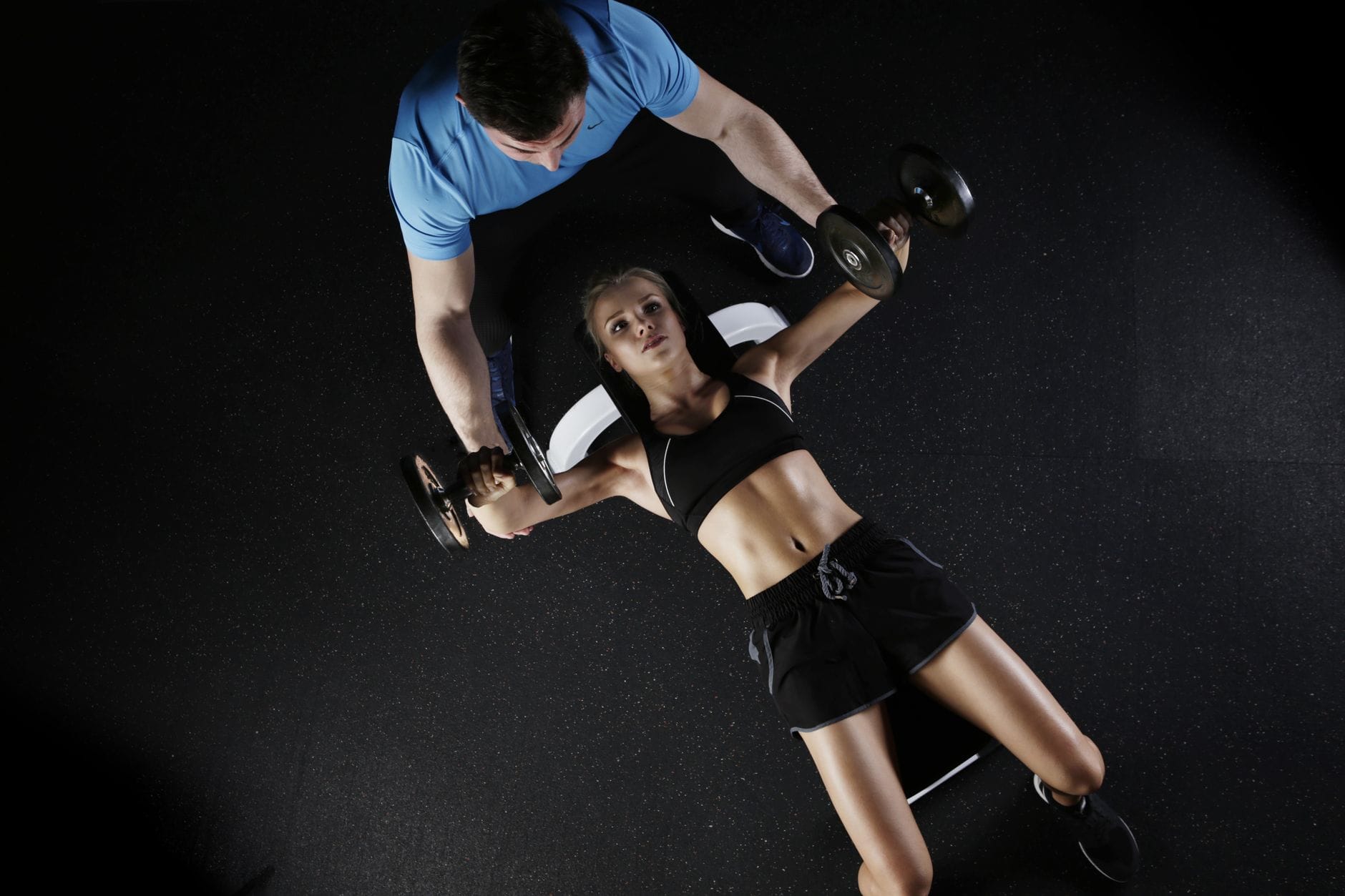
SaveDiet did the heavy lifting, but the gym reshaped her body. Khloe works with celebrity trainer Gunnar Peterson, whose approach targets different body parts on different days across the week. Her sessions combine cardio with strength training, and she reportedly burns over 500 calories in about 35 minutes.
She now trains all seven days of the week and describes herself as genuinely hooked on the gym. You don’t need a celebrity trainer to follow the same logic, though. Rotating muscle groups and blending cardio with resistance work is the backbone of most solid programs, including these workouts for a lean, strong body you can do mostly at home. Pairing training days with enough protein, whether from whole foods or homemade protein shakes, helps the muscle repair that makes all that effort visible.
Worth knowing before you copy the whole plan: one vlogger, Susie Todd, followed Khloe’s diet and workout routine to the letter and found it genuinely difficult to keep up with. Seven training days a week is a lot. Start with three or four and build from there.
Frequently Asked Questions
How much weight did Khloe Kardashian lose?
She lost about 40 pounds (roughly 3 stone) after the birth of her baby, through gradual changes to her diet and a consistent workout routine.
What diet does Khloe Kardashian follow?
A dairy-free, low-carb diet centered on eggs, oats, berries, grilled chicken, vegetables, fish, leafy greens, and low-glycemic fruits, with portion control and one modest cheat day a week.
Who is Khloe Kardashian’s trainer?
She trains with Gunnar Peterson, who structures her week so different body parts get worked on different days, combining strength training with cardio.
The Bottom Line
Khloe Kardashian’s weight loss wasn’t magic, and she’d be the first to say so. She turned a painful chapter of her life into a reason to train, built her plate around protein and fiber, drank plenty of water, and allowed herself a weekly indulgence so the plan never felt like punishment. The slow pace was a feature, not a flaw. If you take one thing from her story, make it this: pick habits you can still imagine doing a year from now, and let consistency do the rest.
This article is for informational purposes only and is not a substitute for professional medical advice, diagnosis, or treatment. Always consult a qualified healthcare provider before starting any new diet or exercise program.
Related Articles
How to Set Up a Calorie Deficit Without Wrecking Your Energy (or Your Muscle)
A Beginner’s Guide to Intermittent Fasting (and 6 Ways to Actually Do It)
How to Eat a Balanced Diet Without Counting Every Calorie
15 Workouts That Build a Lean, Strong Body (Most Need No Gym at All)
The Homemade Protein Shakes I Reach For Instead of Store-Bought Powder (9 Easy Recipes)