

A practical look at the food substitutions that keep the 3-day plan flexible without blowing the calorie math.
The military diet asks you to eat a very specific set of foods for three days, then go back to normal eating for four. Tuna, grapefruit, saltine crackers, a scoop of vanilla ice cream. It sounds simple until you hit an item you can’t eat, won’t eat, or can’t find at your store. That’s where substitutes come in.
The plan runs on roughly 1,000 to 1,400 calories a day during its restrictive stretch, and the whole thing hinges on keeping those numbers tight. Substitutes exist so people with allergies, dietary rules, or a plain dislike of fish can still follow along. If you’re comparing quick plans, it helps to understand where this one sits next to more sustainable approaches like setting up a calorie deficit without draining your energy.
Key Takeaways
– The military diet cycles three restrictive days against four days of regular eating, at about 1,000-1,400 calories on the strict days.
– Substitutions are allowed, but only if the swapped food matches the original’s calories.
– Common reasons to swap include vegetarian or vegan diets, allergies, lactose intolerance, religious rules, and drug-food interactions.
– Grapefruit can interact with some blood pressure and anti-anxiety medications, so it’s a frequent candidate for replacement.
– The plan doesn’t follow USDA guidelines and isn’t built for long-term weight loss.
How the Military Diet Actually Works
 Save
SaveThe plan, sometimes called the 3-day diet, is short and strict. You eat set meals for three days, then return to normal (but ideally still sensible) eating for four. Supporters argue that the sharp calorie drop, followed by a brief return to regular meals, nudges the body toward quick weight loss.
Whether that holds up is debated. The results come almost entirely from eating far fewer calories, not from any special food combination. It’s a jump-start, not a lifestyle. For a change you can actually keep, something like eating a balanced diet without counting every calorie tends to serve people better over months and years.
The primary food list is oddly specific:
tuna, meat, and hard-boiled eggs
broccoli, carrots, and green beans
banana, apple, and grapefruit
bread and saltine crackers
peanut butter, cottage cheese, and cheddar cheese
hot dogs
tea and coffee
vanilla ice cream
Plenty of people can’t include one or more of those, and that’s the whole reason a substitution list matters.
Why You Might Need a Swap in the First Place
Not everyone can eat down that list as written. A few situations come up again and again.
Your existing diet rules it out. Vegetarians skip the eggs and meat. Vegans go further, dropping dairy and anything else of animal origin. Someone on a paleo eating pattern won’t touch the bread, crackers, or peanut butter because grains, legumes, and processed foods are off the table. A keto approach flips the ratios toward high fat and very low carb, which clashes with the banana and bread.
You just can’t stand the food. Aversions are real. Some people gag at the smell of fish or the texture of a particular fruit. One blogger, Megan Christini, tried the plan and described the meals as plain and boring, saying the only visible result after three days was a slightly flatter stomach, likely from cutting carbs, before she slid back into old habits. Forcing down food you hate rarely ends well.
Allergies and intolerance. When the body can’t process a food group, you get symptoms ranging from mild to serious. Nut allergies, gluten issues, and lactose intolerance are common culprits. The American College of Gastroenterology estimates that around 15% of adult Caucasians and 85% of adult African Americans are lactose intolerant, with high rates among people of Asian, Hispanic, Native American, and Jewish descent too. That alone makes the cottage cheese, cheddar, and ice cream a problem for a lot of dieters.
Religious and Health Reasons
Faith traditions shape food choices in ways the standard list ignores. Mormon guidance steers people away from caffeinated tea and coffee. Islamic dietary law permits only halal meat and excludes pork. Many Hindus avoid beef and follow a lacto-vegetarian pattern, while some Buddhist sects call for strict vegetarianism. Jain practice goes further still, ruling out root vegetables like onion, garlic, and potatoes.
Health conditions add another layer. People managing diabetes are often advised to watch their carbohydrate load, and those with heart concerns may need to limit sodium, saturated fat, and cholesterol. Both the American Diabetes Association and the American Heart Association point to cutting saturated fat, trans fats, cholesterol, salt, and alcohol as ways to lower heart disease risk. If any of that describes you, some items on the list need rethinking.
The Grapefruit Problem
 Save
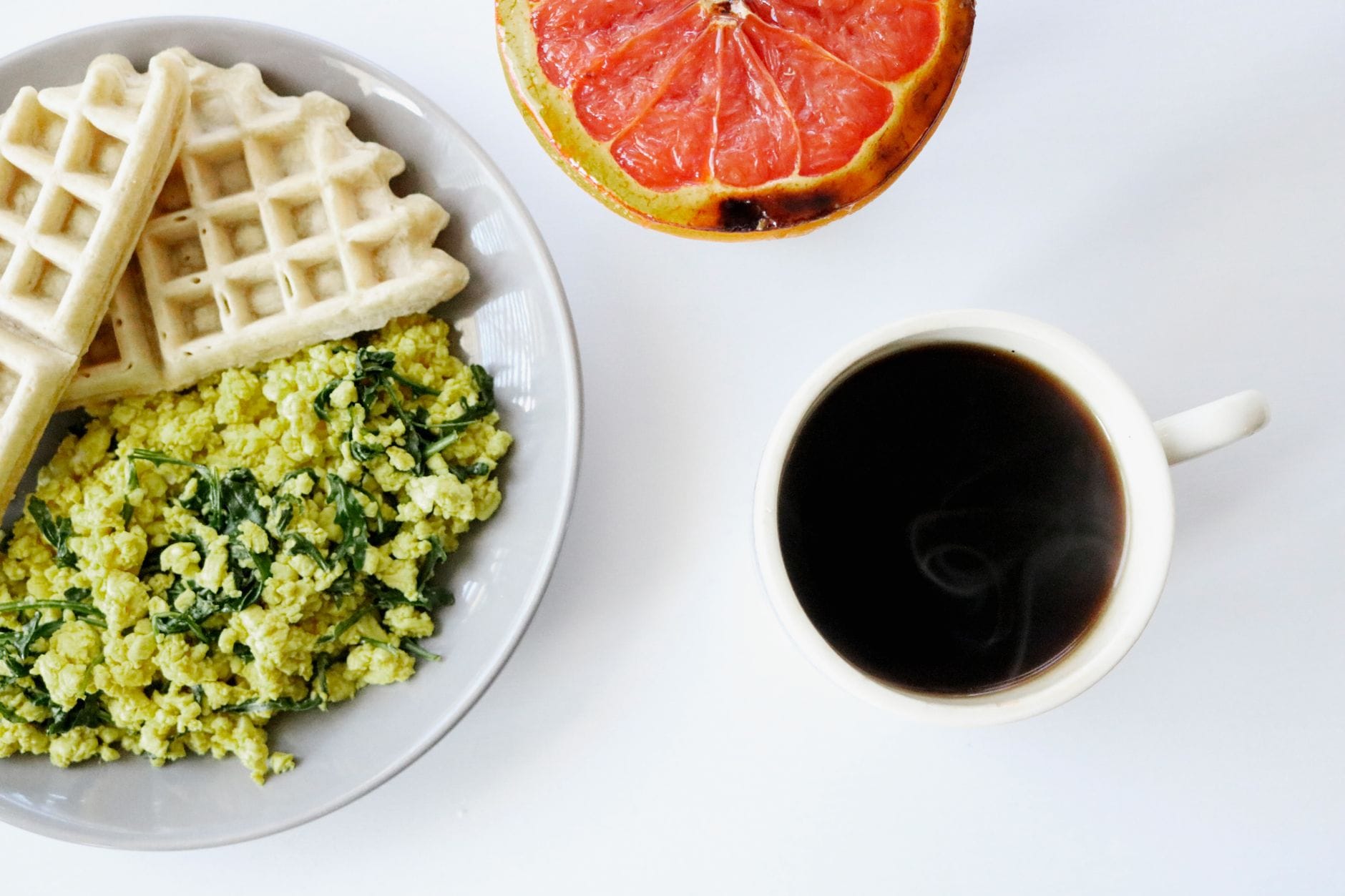
SaveHere’s one that catches people off guard. Grapefruit, a staple of the plan’s breakfast, interacts badly with several medications, including certain anti-anxiety drugs and blood pressure medicines. The FDA has flagged this for years. If you take a daily prescription, this is worth a quick check with your pharmacist before day one, and a swap is often the safer call.
How to Substitute Without Breaking the Plan
The military diet does allow pre-approved swaps, but it’s stingy on detail. It doesn’t hand you exact portions for the alternatives. The one rule it insists on is that the calories stay equal. Trade a food out, and whatever replaces it should land at roughly the same calorie count as the original serving.
A few principles keep you on track:
Only swap when you genuinely need to. The plan is built around its specific foods and calorie targets, and every unnecessary change chips away at how it’s meant to work.
Match calories, not volume. A cup of one food and a cup of another can be wildly different, so go by the numbers.
Lean toward nutritious, lower-calorie options rather than junk that happens to fit the count.
The restrictive nature of these three days can leave you tired, and over time a pattern of very low-calorie eating risks nutrient gaps and muscle loss. Listen to your body. Dizziness, unusual fatigue, or irritability are signals to stop, not push through. Talking with a healthcare professional before you start is the sensible move, especially with a plan this tight.
Frequently Asked Questions
Do I have to substitute foods on the military diet?
No. Swaps are optional and meant for people who can’t eat certain items because of allergies, diet, religion, or medication interactions. If you can follow the original list, that’s how the plan was designed to run.
Can I replace tuna if I’m vegetarian?
Yes, as long as the substitute matches the calories of the tuna serving. Vegetarians typically look to a protein source of similar calorie value rather than skipping the protein slot entirely.
Is the military diet safe for the long term?
It isn’t intended for that. The plan doesn’t meet USDA guidelines and can lead to fatigue, nutrient shortfalls, and muscle loss if repeated over long stretches. It’s a short cycle, not a permanent way of eating.
The Bottom Line
Substitutes are what make the military diet doable for people who can’t work through its exact food list, whether the reason is an allergy, a faith tradition, a medication, or simple dislike. The rule that never bends is calorie matching. Swap freely within those limits, but keep the quantities honest and the choices reasonably nutritious. And remember what this plan is: a brief, restrictive jump-start rather than a lasting habit. For weight loss you can actually maintain, gentler routines and steady eating patterns will carry you further than any three-day cycle.
This article is for informational purposes only and is not a substitute for professional medical advice. Talk to a qualified healthcare provider before starting any restrictive diet, particularly if you have a health condition, take medication, or are pregnant or nursing.
Related Articles
How to Set Up a Calorie Deficit Without Wrecking Your Energy (or Your Muscle)
How to Eat a Balanced Diet Without Counting Every Calorie
I Looked Into the Paleo Diet So You Don’t Have To (Here’s What Holds Up)
Easy Keto Recipes That Keep Breakfast (and Dessert) Interesting
The Truth About the HCG Diet (and Why the FDA Wants You to Skip It)