

A pantry staple across India, Pakistan and Bangladesh that quietly doubles as a cleanser and gentle scrub.
Ask anyone who grew up in a South Asian household about their first skincare product and there’s a decent chance the answer involves a steel bowl, some gram flour, and an aunt insisting you sit still for fifteen minutes. Besan, also called chickpea flour, has been part of traditional beauty routines for centuries, used as a natural cleanser and mild exfoliant long before anyone bottled a face wash.
The appeal hasn’t faded, partly because it’s cheap and already in the kitchen, partly because it does something noticeable. Besan absorbs surface oil without leaving skin tight and parched, and regular use is associated with a smoother, more even tone. Much of what’s claimed about it rests on tradition rather than clinical trials, so it helps to go in with realistic expectations and a willingness to patch test.
Key Takeaways
– Besan works as a mild exfoliant and cleanser, lifting excess oil while helping the skin hold onto moisture.
– What you mix it with matters more than the besan itself: yogurt for oily skin, raw milk or banana for dry skin.
– Turmeric, tomato and aloe vera each bring their own evidence-backed properties to the base.
– Two or three applications a week is plenty. Daily scrubbing does more harm than good.
– Claims about besan removing unwanted hair or dramatically bleaching skin are overstated.
What Besan Actually Does on Skin
Gram flour has a slightly gritty texture, which is where the exfoliating action comes from. Rubbed gently over damp skin, it lifts dead cells and dirt sitting on the surface. It also has alkalizing properties that are said to help maintain the skin’s pH, though this part is less settled than the traditional literature suggests.
The oil-absorbing quality is the most consistently reported benefit. Unlike a harsh clay or a foaming cleanser stripped of everything, besan seems to take the shine off without triggering the rebound greasiness that over-cleansing causes. People with combination skin tend to notice this first.
As for brightening, expect gradual evenness rather than a shade change. Regular use may improve tone and lend a bit of radiance. It won’t lighten your skin, and anyone promising that is selling something.
Matching the Pack to Your Skin Type
 Save
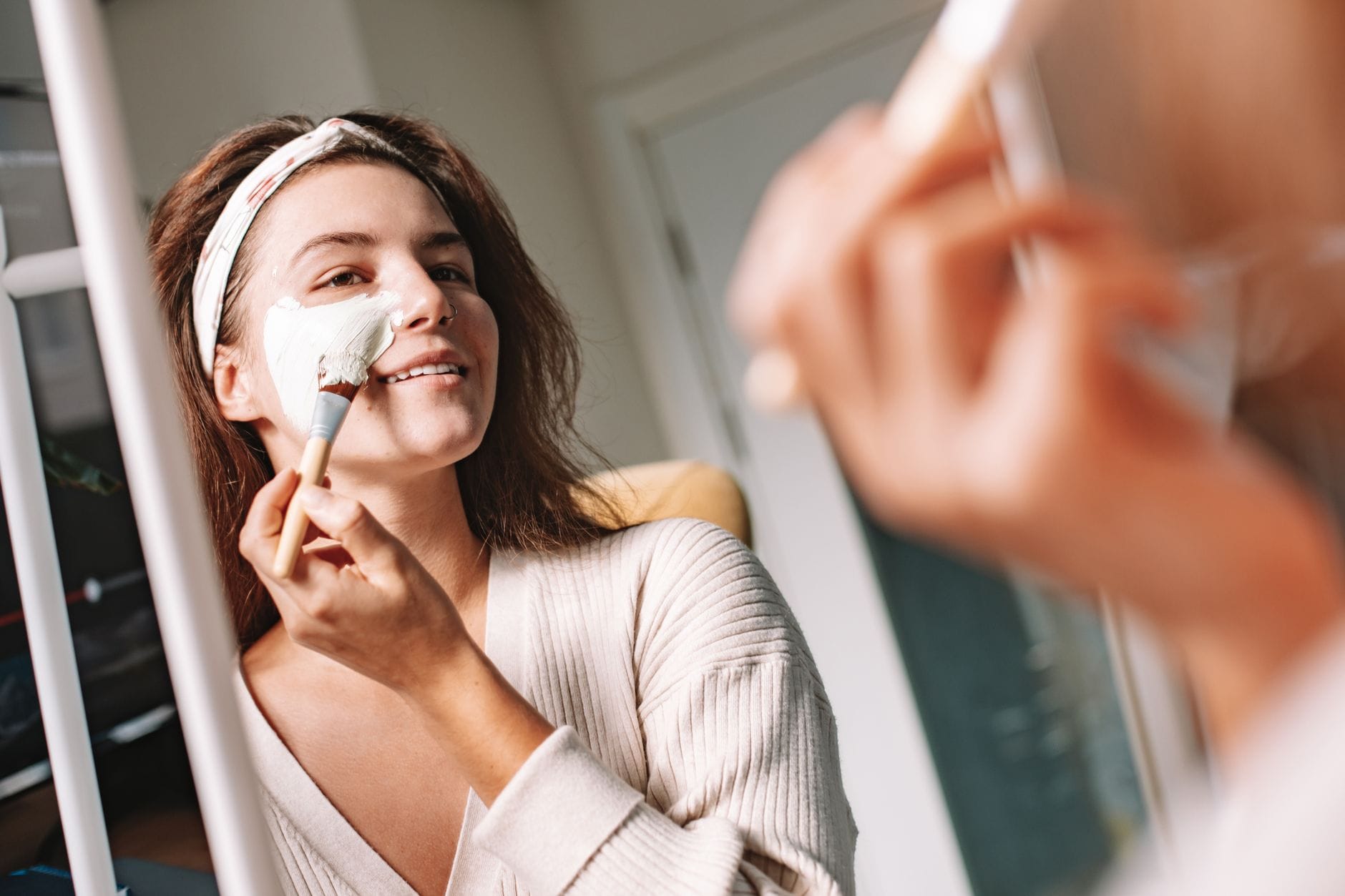
SaveDr. Aanand Geria, a board-certified dermatologist, gives a simple rule of thumb: oily skin does well with equal parts besan and yogurt, while dry skin should swap the yogurt for raw milk. That single substitution changes the whole character of the pack.
Beyond that:
Oily and acne-prone: besan with multani mitti, neem, or green tea
Dry and flaky: besan with banana, milk, honey, or a spoon of fresh cream
Normal or combination: almost anything, including the tomato and turmeric versions
Sensitive: stick to aloe vera or rose water, and skip the baking soda and lime juice recipes entirely
Seven Packs Worth Making
Aloe Vera and Besan
One teaspoon of gram flour, one teaspoon of aloe vera gel. Mix to a smooth paste, leave on for ten minutes, rinse. Twice or three times weekly.
Aloe brings vitamins, minerals, polysaccharides and antioxidants to the mix, and it soothes as it goes. This is the one to reach for after too much sun, or if you’re dealing with dark spots and patchy pigmentation. If you’re already a fan of the plant, its benefits when taken internally as juice are worth a look too.
Turmeric and Rose Water for Dullness
 Save
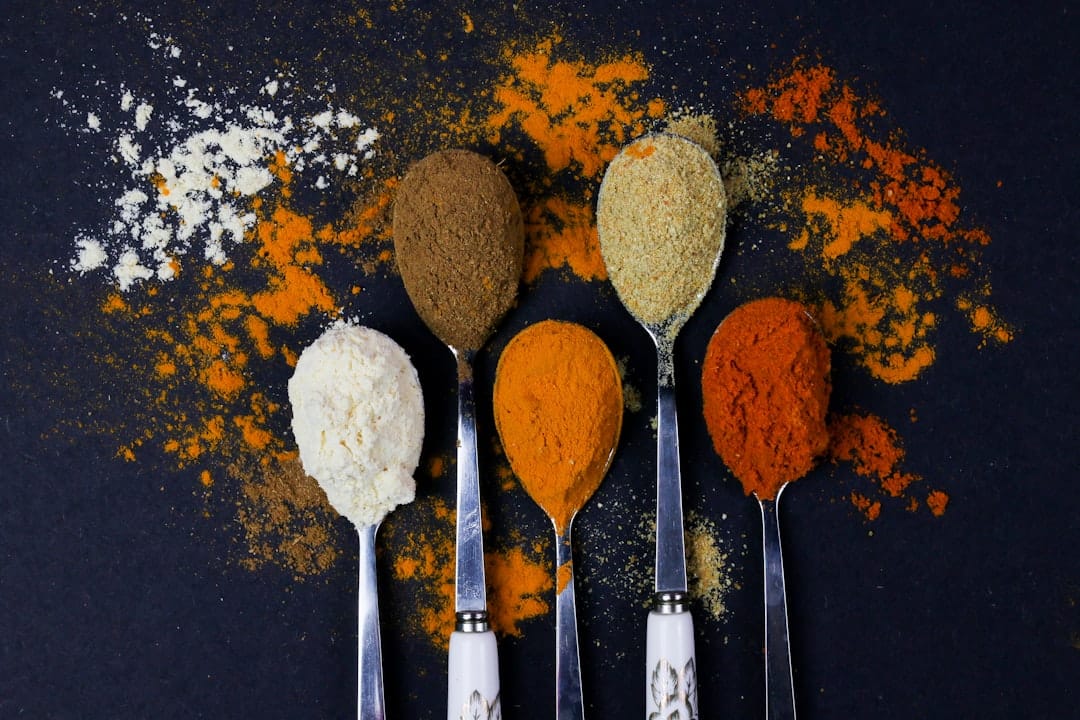
SaveTwo teaspoons besan, a pinch of turmeric, enough rose water to make a paste. Spread evenly, let it dry naturally, rinse after ten to fifteen minutes. Twice a week.
Turmeric has skin-brightening properties and is antimicrobial, which makes it a reasonable choice for acne-prone skin. If your face feels tight afterward, add half a teaspoon of fresh cream or a few mashed pieces of avocado next time.
Multani Mitti and Besan
Two teaspoons of multani mitti (Fuller’s earth) to one teaspoon of besan, loosened with rose water. Fifteen minutes, then rinse. Up to twice weekly.
This cosmetic clay pulls excess oil and impurities from the pores and has a cooling effect going on. It may also improve circulation at the skin’s surface. Best for oily, combination and normal skin.
Tomato and Besan
Blend one small ripe tomato and stir the pulp into two tablespoons of besan. Ten to twelve minutes on the face, then wash off. Two or three times a week.
The natural acids in tomatoes act as mild bleaching agents on tan and dark patches, and the pulp helps rebalance the skin’s pH along with sebum production. Tomato’s vitamin C contributes to smoother, firmer skin over time, which is the same logic behind eating foods that support your body’s own collagen production.
Banana and Besan
Mash three or four pieces of ripe banana, fold in two teaspoons of besan, and thin it with rose water or milk. Leave for ten to fifteen minutes, rinse with lukewarm water. Once or twice a week.
Banana’s rich fats nourish dry skin deeply. Anecdotally it may soften the look of scars and fine lines by encouraging collagen and elastin, though that claim comes from tradition rather than trials.
Curd and Besan
Two tablespoons besan, one to two teaspoons of curd. Fifteen minutes, rinse. Twice weekly.
Yogurt’s natural oils and enzymes clean and moisturize at once, its lactic acid loosens dead skin cells, and the zinc it contains may help with active spots. Zinc turns up in plenty of over-the-counter acne formulations for exactly that reason. Suits dry, normal, combination and acne-prone skin.
Egg White, Honey and Besan
Beat one egg white until slightly fluffy, then mix in two teaspoons of besan and half a tablespoon of honey. Let it dry on the skin for ten to fifteen minutes, rinse with tepid water. Once every four or five days.
Enzymes in egg white unclog and tighten pores, which softens the appearance of fine lines. Skin usually feels firmer after a single use. Fine for all skin types except dry.
Green Tea and Besan
Steep a green tea bag in hot water for a couple of minutes, let the liquid cool completely, then stir it into two tablespoons of gram flour until you have a medium-thick paste. Fifteen minutes on the face, then rinse.
Getting the Application Right
A few things make the difference between a pack that helps and one that irritates. Always patch test on your inner arm before a new combination goes near your face, especially with lime juice, baking soda or turmeric. Apply to clean skin, avoid the eye area, and don’t let a pack sit until it cracks and pulls, since that dryness is what leaves skin feeling stripped.
Rinse with lukewarm water and your fingertips rather than scrubbing with a towel. Follow with a moisturizer while skin is still slightly damp.
Frequency is where most people go wrong. Twice a week is enough for the exfoliating packs. And no home remedy substitutes for what you eat and how you sleep, so pairing all this with the habits that come with eating better tends to show up on your face faster than any mask will. The same goes for hair, where kitchen remedies for hair fall follow a similar logic.
Frequently Asked Questions
Can I use a besan face pack every day?
Not recommended. Besan is a physical exfoliant, and daily use can leave skin irritated and sensitized. Two to three times a week gives you the benefits without the compromise to your skin barrier.
Does besan really remove facial hair?
To a small degree, and the effect isn’t significant. Traditional ubtan preparations were rubbed off in a downward motion, which may lift a few fine hairs, but it’s not a hair removal method in any meaningful sense.
Which liquid should I mix with besan?
Yogurt if your skin runs oily, raw milk if it runs dry. Rose water is a neutral middle option that works for most skin types, and it also helps thin thicker pastes to a spreadable consistency.
The Bottom Line
Besan earned its place in South Asian bathrooms honestly. It cleanses, exfoliates gently, and manages oil without leaving skin parched, and the ingredients you pair it with let you tailor it to whatever your skin is doing that week. The evidence is a mix of traditional use and studies on individual add-ins like turmeric, tomato and aloe, so treat these packs as pleasant, low-cost maintenance rather than treatment. If you’re dealing with persistent acne, melasma or a rash, a dermatologist will get you further than a kitchen bowl.
This article is for informational purposes only and is not a substitute for professional medical advice. Consult a qualified dermatologist or healthcare provider before starting any new skincare regimen, particularly if you have sensitive skin, allergies, or an existing skin condition.
Related Articles
What Actually Happens When You Drink Aloe Vera Juice Every Day
Which Foods Are Actually High in Collagen (and Which Just Help You Make More)
11 Home Remedies That Actually Help With Hair Fall (and What Causes It in the First Place)
What Actually Happens to Your Body When You Start Eating Healthy (It’s More Than Weight Loss)
Why Sandalwood Oil Deserves a Spot in Your Skincare Routine (and Maybe Your Bedtime One Too)