
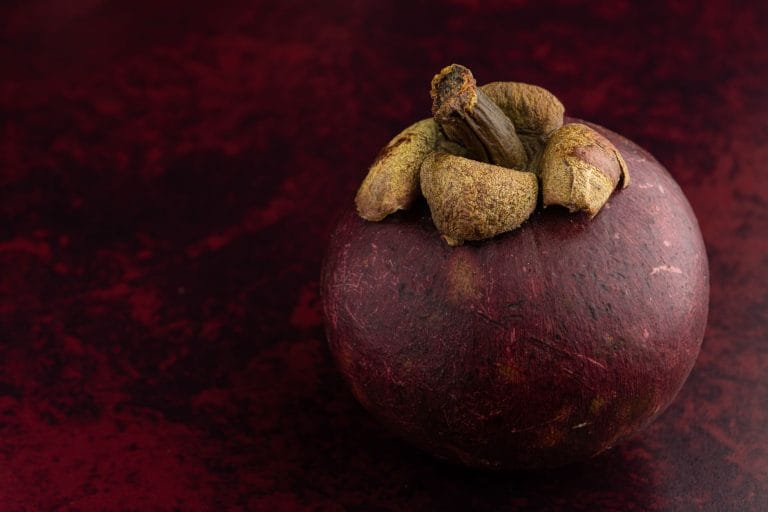
A lesser-known Indian plant butter that softens skin, calms cracks, and holds its shape in the heat.
If you’ve ever reached for shea or cocoa butter to rescue dry, flaky skin, there’s a third option most people have never heard of. Kokum butter comes from the seeds of a dark purple tropical fruit that grows along India’s western coast, and it earns its place next to the more famous butters through a rich mix of fatty acids, a light non-greasy feel, and a knack for repairing skin that’s cracked, chapped, or worn out.
It’s edible, faintly scented, and stays solid at room temperature, which makes it as useful in a lip balm as it is in a bar of chocolate. If you already lean on kitchen staples that moisturize skin better than fancy creams, kokum butter fits right into that habit.
Key Takeaways
- Kokum butter is a vegan fat pressed from the seeds of the kokum fruit (Garcinia indica), sometimes called Indian mangosteen.
- It’s loaded with fatty acids, vitamin E, and antioxidants, giving it strong moisturizing and skin-soothing properties.
- The texture is light and non-greasy, absorbs easily, and doesn’t clog pores, so most skin types tolerate it well.
- It has a high melting point, which is why it shows up in lip balms, lipsticks, and even heat-resistant chocolate.
- Traditional use covers dry skin, cracked heels, and wound care, though the hard science behind some claims is still thin.
What Kokum Butter Actually Is
Kokum butter is the fat extracted from the seeds inside the kokum fruit. Each spherical, dark purple fruit holds five to eight brown seeds, and those seeds are dense with fats and essential fatty acids. The fat stays solid at room temperature, which is what earns it the “butter” label.
Making it is slow work. Sun-dried seeds get chopped and boiled in water, the oily layer that rises to the top is skimmed off into a separate container, and as that fat cools it hardens. It’s then cleaned by melting it down again and filtering it. Raw kokum butter carries a yellowish tinge and needs refining to turn white; once it ages or goes rancid, it shifts to brown. Fresh, it keeps for about a year.
Color aside, the appeal is the same everywhere kokum butter turns up. It moisturizes, it’s edible, and it can stand in for cocoa butter, all thanks to that high fatty acid content.
What’s Inside It
The fatty acid profile is where kokum butter does most of its work. Palmitic acid acts as a natural surfactant that nourishes skin, while a high oleic acid content makes the butter slow to spoil, so it stores well. Add vitamin E and antioxidant activity, and you get an ingredient that soap makers, shampoo formulators, and cosmetics brands keep coming back to.
Ayurvedic texts reached for kokum butter long before any of this was measured in a lab. Older uses included easing ear infections, dulling arthritis pain, guarding against infection, and treating sores. In hair care, it’s been used to tackle split ends, support the scalp, cut down dandruff, and calm psoriasis.
Kokum Butter and Your Skin
 Save
SaveThis is where the butter really shines. Kokum butter is a strong emollient, meaning it softens and soothes, and its fatty acids reinforce the skin’s moisture barrier. A healthy barrier is the whole game when it comes to keeping skin supple instead of tight and dry.
Beauty vlogger Caryn Prince, who shared her own DIY kokum butter recipe, put it plainly: it keeps her skin smooth and soft. Beyond hydration, the butter is credited with protecting skin from cell damage and helping restore elasticity, which is why you’ll find it in lotions, creams, lip balms, and soaps. Because the texture is light and doesn’t block pores, it tends not to trigger breakouts, and its antioxidant and anti-inflammatory qualities help keep skin steady.
A Friend to Cracked and Irritated Skin
An Indian study found that applying kokum butter to cracked heels helped them heal. It’s also been used on ulcers, fissured lips, chapped skin, and inflammatory sores, and it offers relief for burns, chafing, and scalds. As a demulcent, it works to relieve irritation, though the published evidence here is limited, and that part is worth taking with a grain of salt. Still, for everyday dryness and rough patches, it’s a gentle place to start, much like the remedies that soothe a face rash from your kitchen.
Why It Holds Up in the Heat (and in Chocolate)
Kokum butter melts at around 40°C, higher than most butters, which is exactly why it barely softens at skin temperature. That makes it ideal for lipsticks and balms that need to keep their shape. The same trait makes it a clever confectionery fat. Kokum fat can replace some of the cocoa butter in dark and milk chocolate, adding hardness and heat resistance. In hot climates, blending it with cocoa butter helps keep chocolate from turning to mush.
The Traditional Medicine Side
Folk medicine has long turned to kokum butter for dysentery, diarrhea, tuberculosis, and scorbutic (scurvy-related) conditions. Because the butter isn’t widely available outside its home regions, its broader health benefits haven’t been studied deeply. For now, its most reliable reputation is as a potent moisturizer with wound-healing potential, which puts it in good company with other underrated plant ingredients like cacao for skin, hair, and health.
For Your Hair
 Save
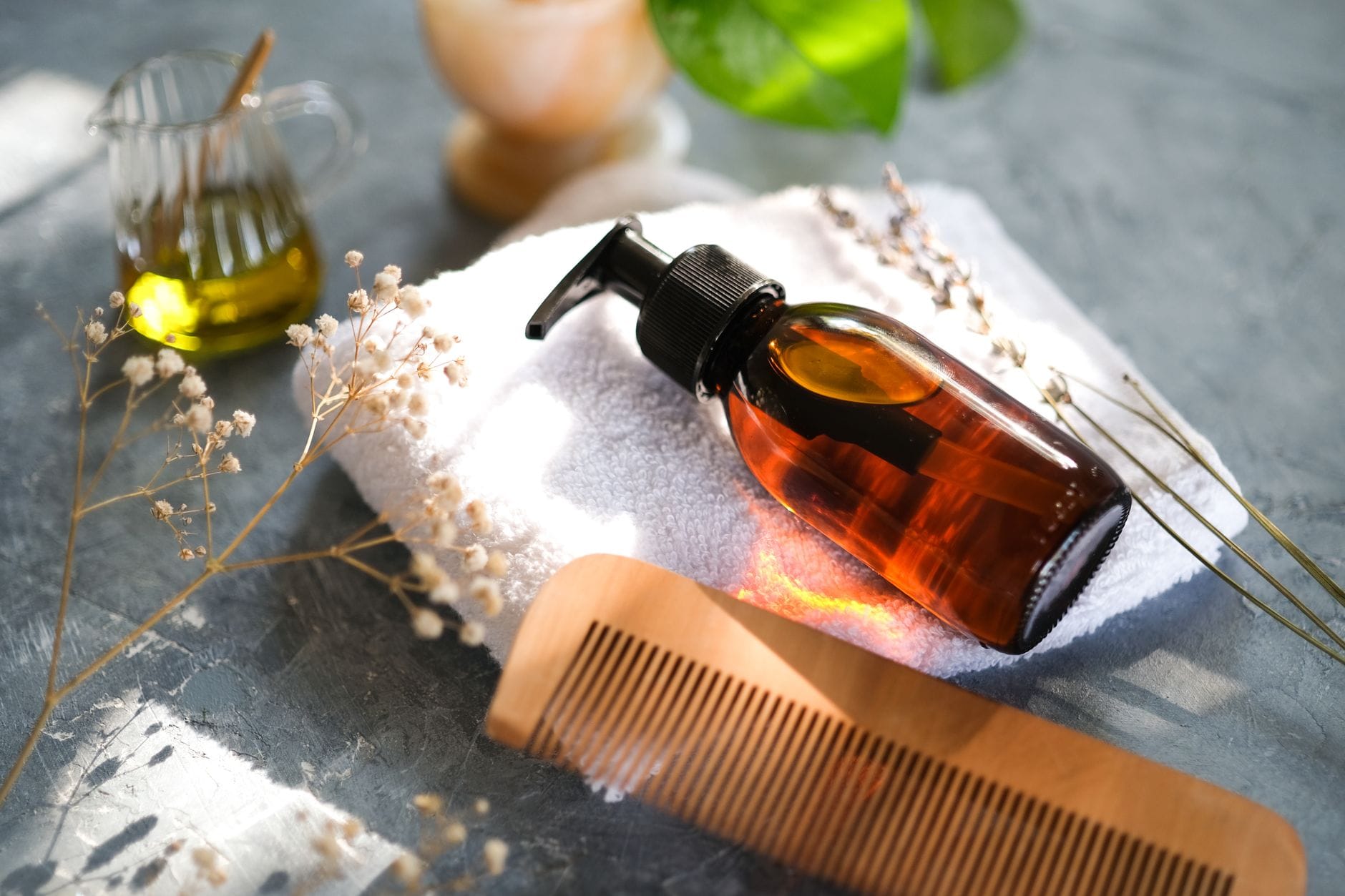
SaveKokum butter may strengthen hair follicles and encourage healthier growth, which makes it a quiet addition to a hair routine. Two easy ways to use it:
Hair mask: section your hair, then massage a small amount into your scalp in slow, circular motions.
Pre-shampoo treatment: work it through your hair and leave it on for about an hour before you wash.
You can also use it as a nightly scalp treatment, and blending it with coconut oil (or whatever oil you like) stretches its benefits further. If shedding is your main concern, pairing it with home remedies that actually help with hair fall or a routine built around fenugreek seeds for hair makes sense.
Frequently Asked Questions
Is kokum butter safe for sensitive skin?
Generally, yes. It absorbs easily, doesn’t leave a greasy film, and suits most skin types, including sensitive skin. Stop using it if you notice skin inflammation, and skip eating it if it upsets your stomach.
Can you eat kokum butter?
It’s edible and mildly flavored, often used as a butter or cocoa butter substitute in cooking and confectionery. Because it’s high in fat, keep portions moderate and treat it as one part of a balanced diet, roughly once a day.
How is it different from shea butter?
Both are rich plant butters, but kokum butter has a lighter texture, a higher melting point, and is less likely to clog pores, which is why it’s favored in balms and lip products that need to hold their shape.
The Bottom Line
Kokum butter is an easy ingredient to overlook, mostly because it doesn’t travel far from where it’s grown. What it lacks in fame it makes up for in versatility: it hydrates dry skin, calms cracks and chapping, supports the scalp, and even doubles as a heat-stable fat in the kitchen. The strongest evidence sits with its moisturizing and skin-repairing powers, while the medicinal claims are still lightly studied. Used in moderation, and stopped at the first sign of irritation, it’s a gentle, plant-based swap worth trying.
This article is for informational purposes only and is not a substitute for professional medical advice. Talk to a qualified healthcare provider before making changes to your diet, skincare, or health routine, especially if you have an existing condition.
Related Articles
11 Kitchen Staples That Moisturize Skin Better Than You’d Expect
11 Home Remedies That Actually Help With Hair Fall
Why Fenugreek Seeds Deserve a Spot in Your Kitchen (and Your Hair Routine)
Why Cacao Does So Much More Than Make Chocolate Taste Good
Home Remedies for Face Rashes: What Is Safe