
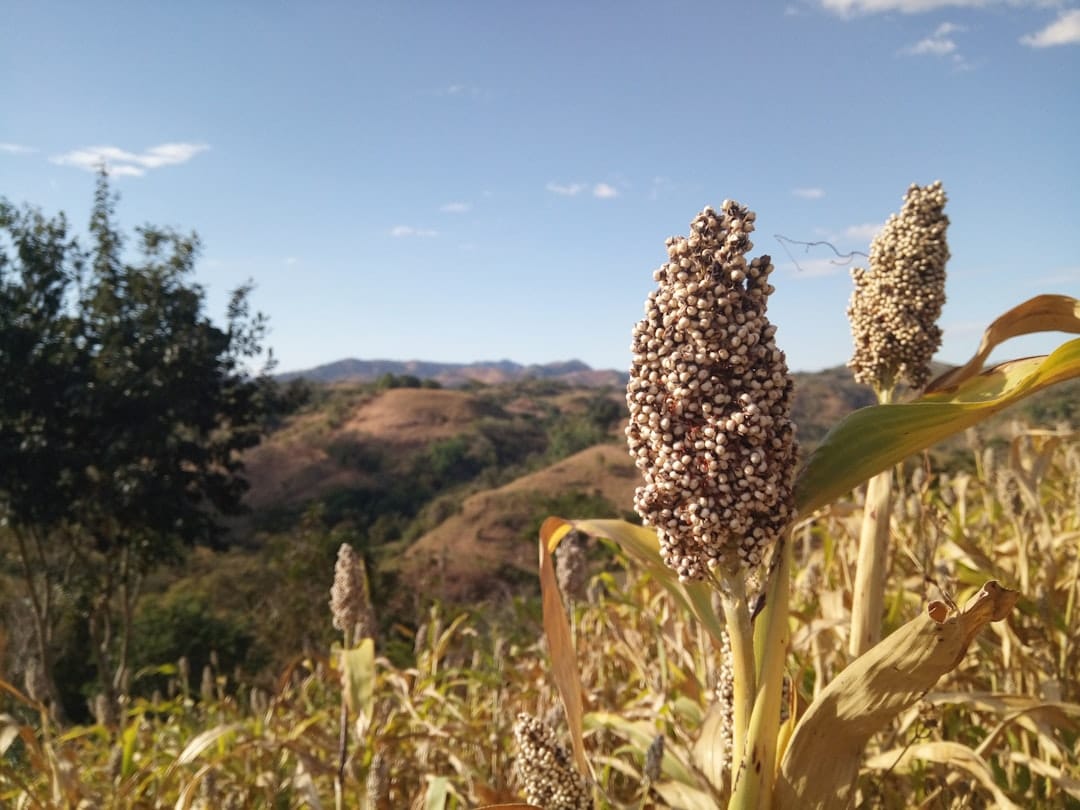
Sorghum Benefits: Nutrition, Evidence and Safety
Sorghum is a gluten-free whole grain linked to steadier blood sugar, better digestion, and heart health. Here’s what the research says, plus a few cautions.
Sorghum is a gluten-free whole grain linked to steadier blood sugar, better digestion, and heart health. Here’s what the research says, plus a few cautions.

Maqui berry packs more antioxidants than most fruits. Here’s what research says about its effects on blood sugar, heart health, eyes, and digestion.
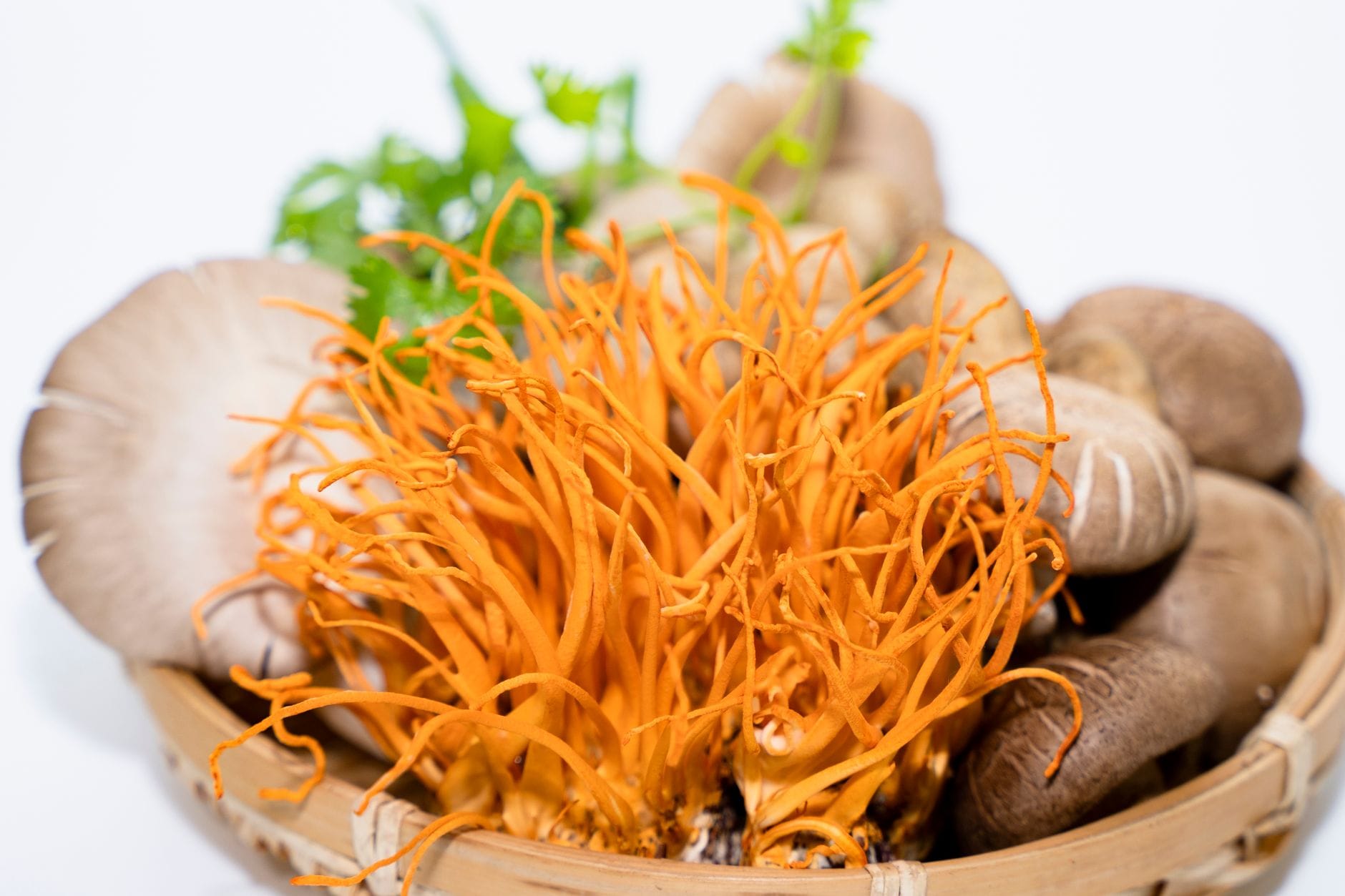
Cordyceps mushrooms are linked to better exercise performance, heart health, and lower inflammation. Here’s what the evidence supports and what it doesn’t.

Lemon water feels healthy, but too much can erode enamel, worsen heartburn, and irritate skin. Here are 6 hidden risks and simple ways to prevent them.
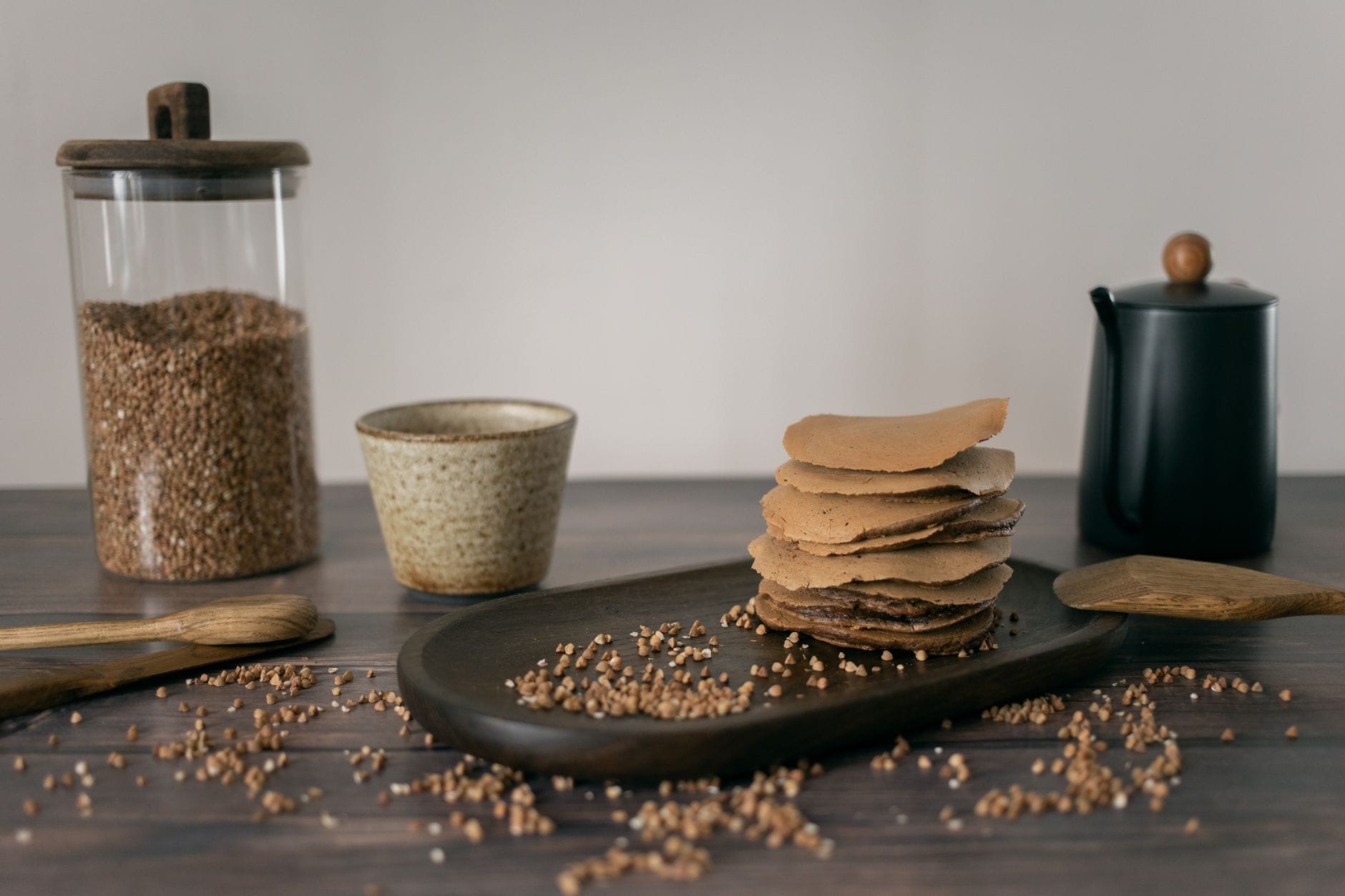
Buckwheat tea may support blood sugar, circulation, and immunity. Here’s what the research says about this caffeine-free, gluten-free brew.

Licorice root is 50 times sweeter than sugar and packed with bioactive compounds. Here’s what it may do for your gut, skin, brain, and blood sugar.
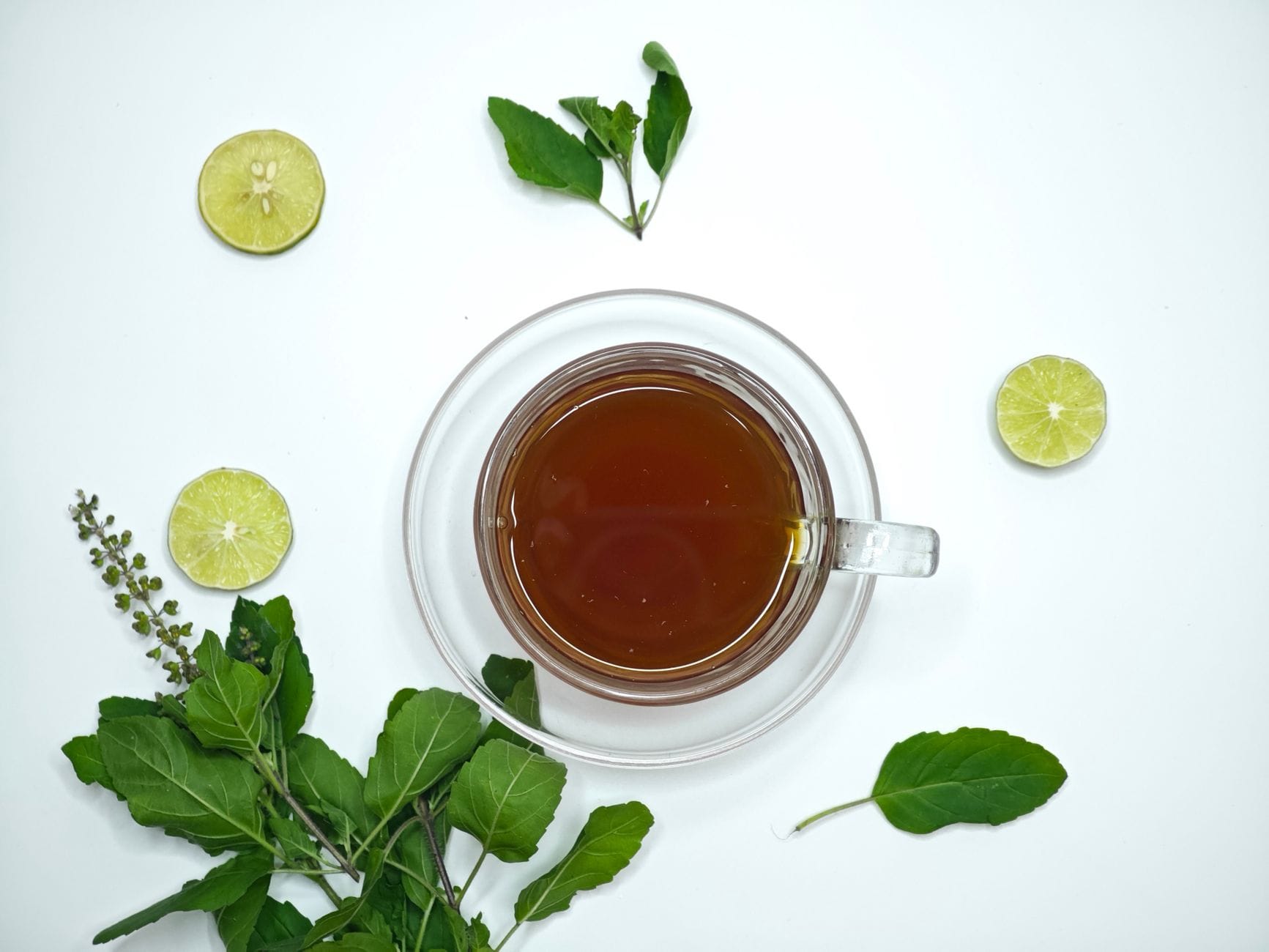
Tulsi is praised as a healing herb, but too much holy basil can affect blood sugar, fertility, pregnancy, and medications. Here’s what to watch for.
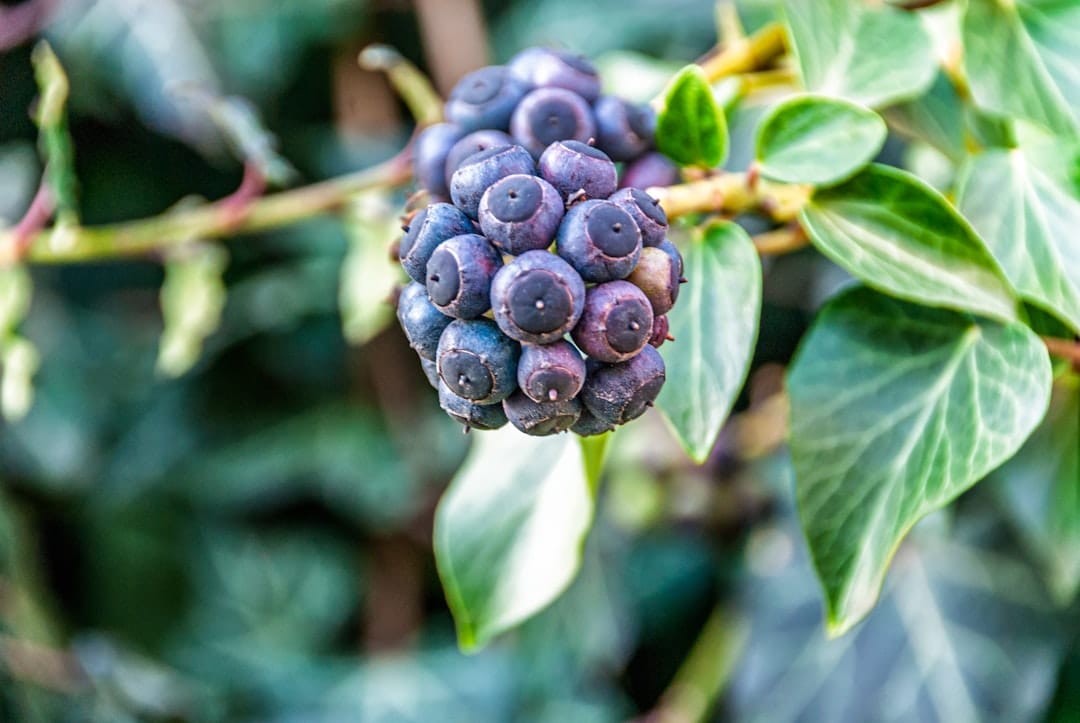
Turkey berry (Solanum torvum) is packed with iron, vitamin C, and antioxidants. Here’s what research says about blood sugar, anemia, and safe use.
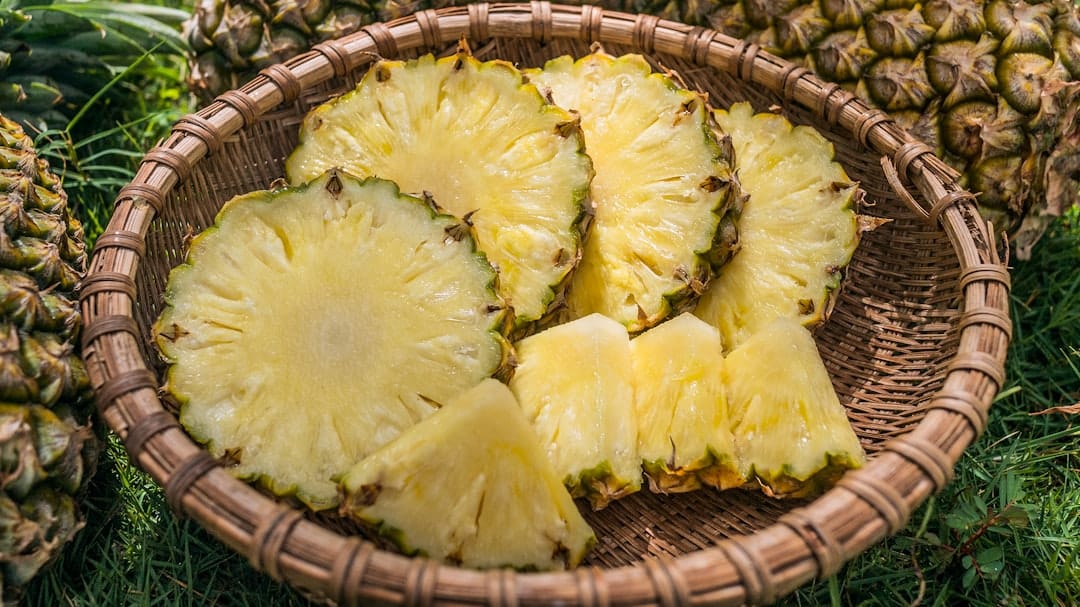
Pineapple is refreshing, but it can trigger allergies, spike blood sugar, erode enamel, and interact with blood thinners. Here’s what to watch for.
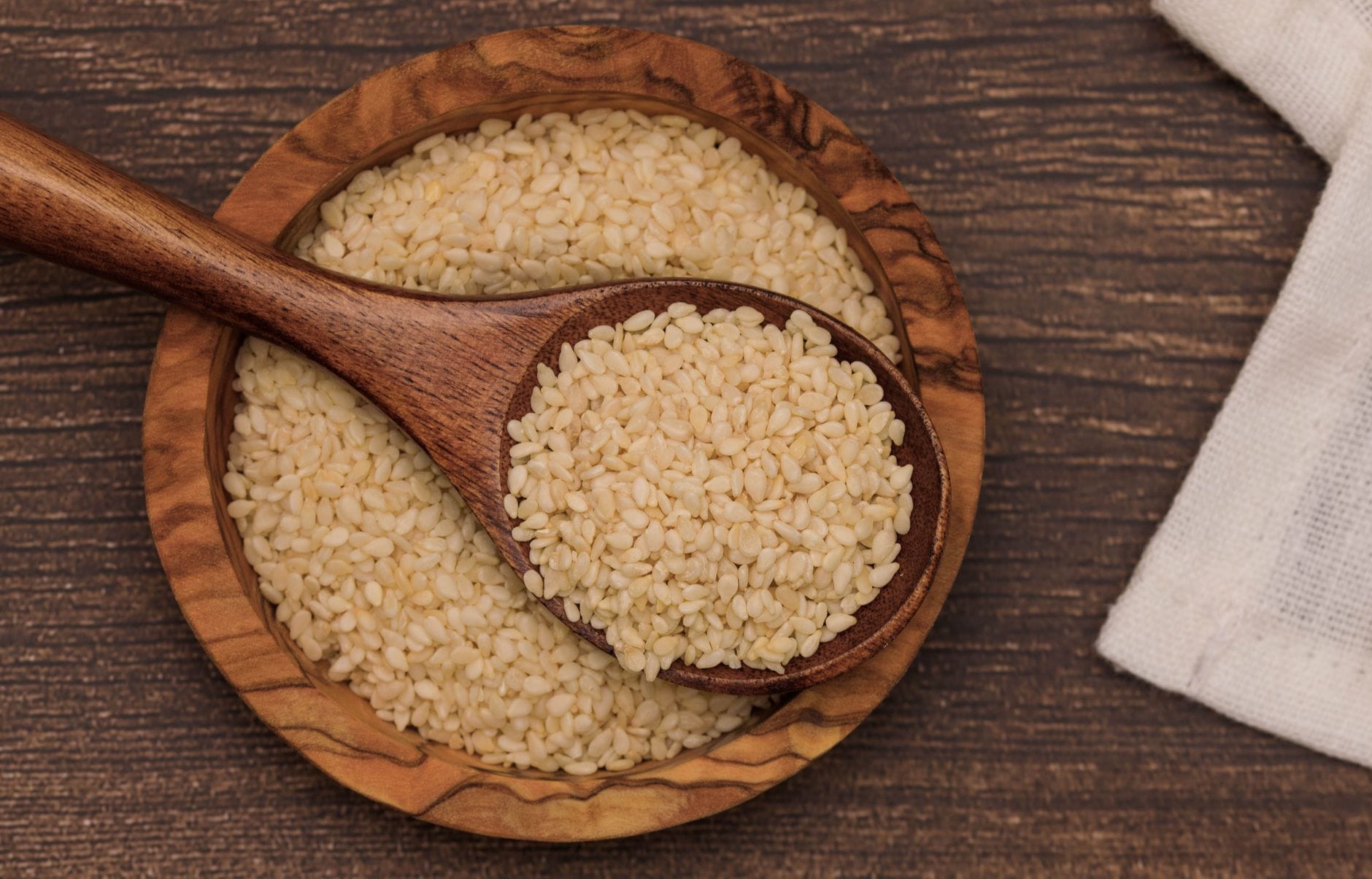
Discover how sesame seeds support your heart, bones, digestion, skin, and hair, plus how much to eat daily and the side effects worth knowing about.