

Fennel Tea Benefits: Evidence for Gas, and the Estragole Risk
Fennel tea has been used for centuries to ease bloating, support digestion, and more. Here’s what it can do, how to brew it, and who should skip it.
Fennel tea has been used for centuries to ease bloating, support digestion, and more. Here’s what it can do, how to brew it, and who should skip it.
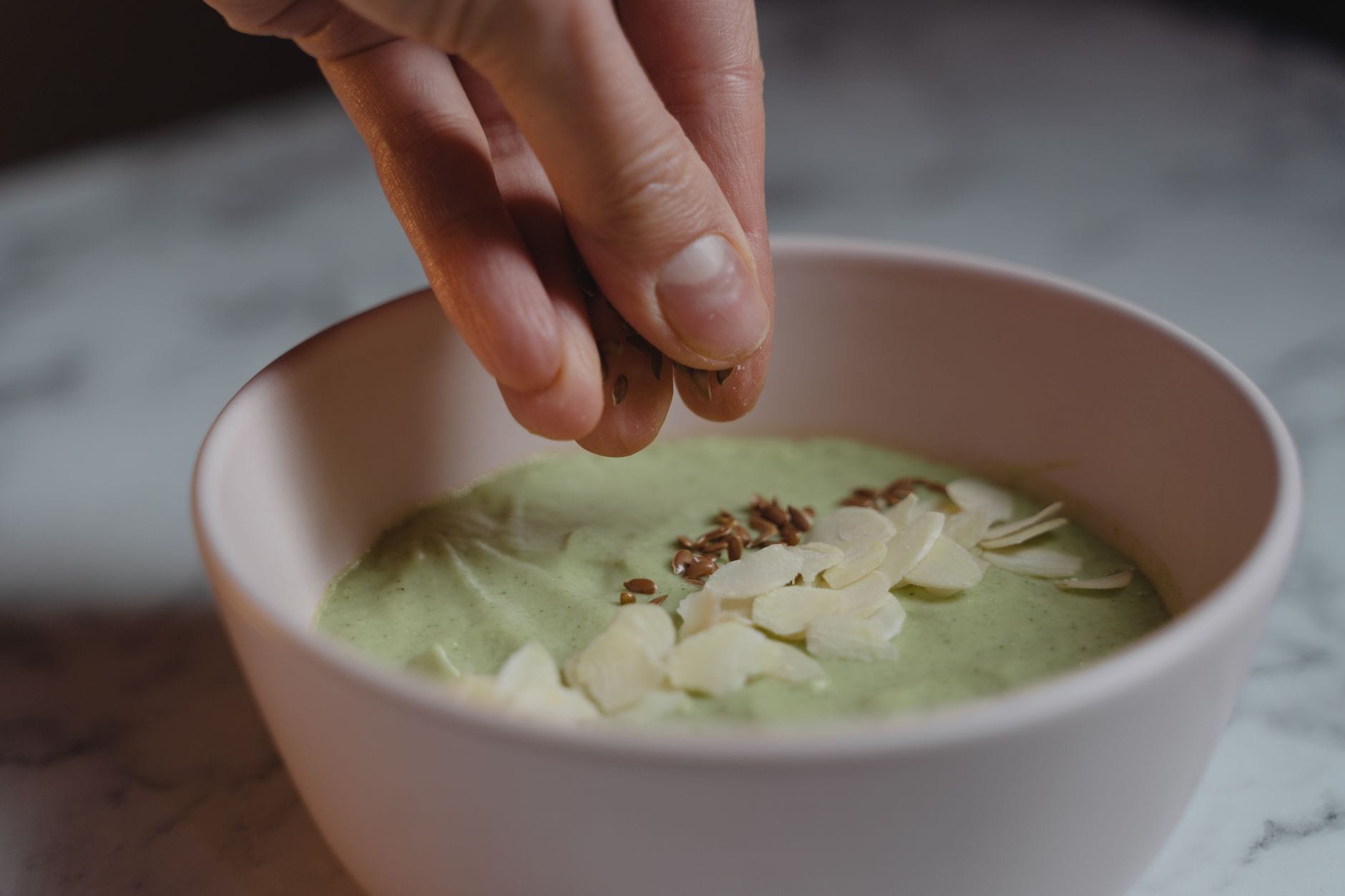
Flax seeds offer omega-3s, lignans, and antioxidants that may calm acne, soften fine lines, and boost skin glow. Plus easy DIY flaxseed face masks.
Pomace olive oil is the affordable, refined cousin of extra virgin. See its benefits for cholesterol, skin, hair, and high-heat cooking, plus the drawbacks.
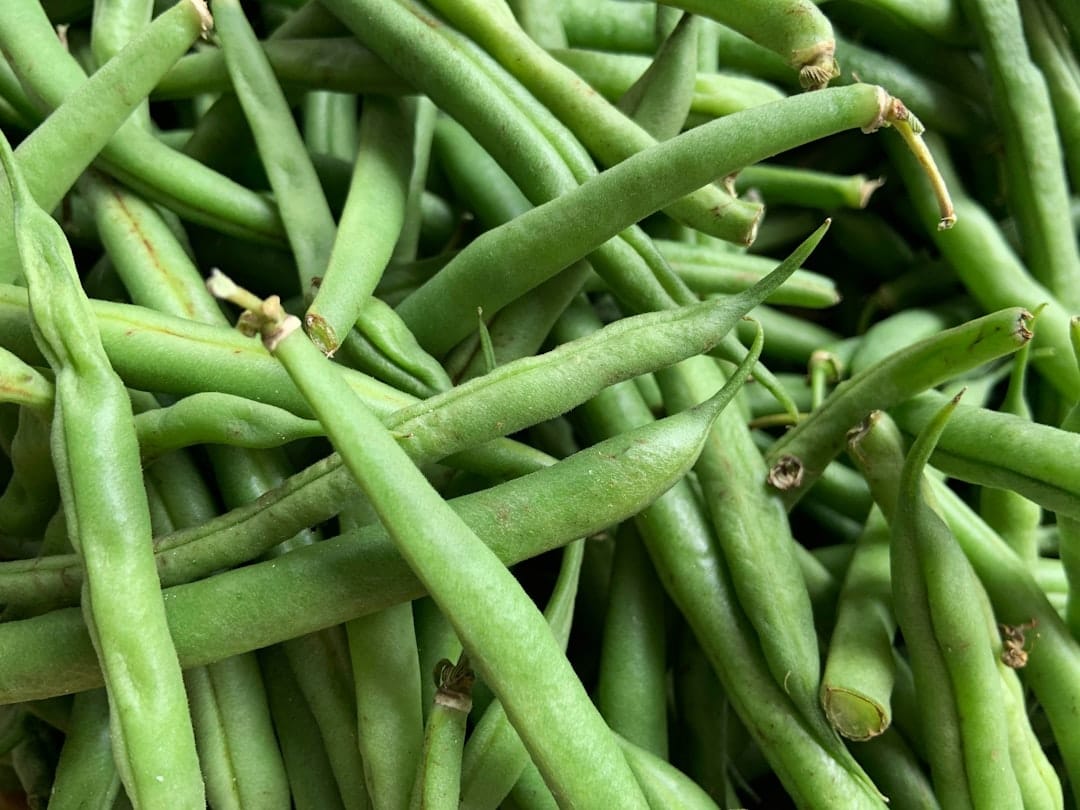
Green beans support heart health, steady blood sugar, strong bones, and sharp vision. Here’s what the research says and how to cook them right.
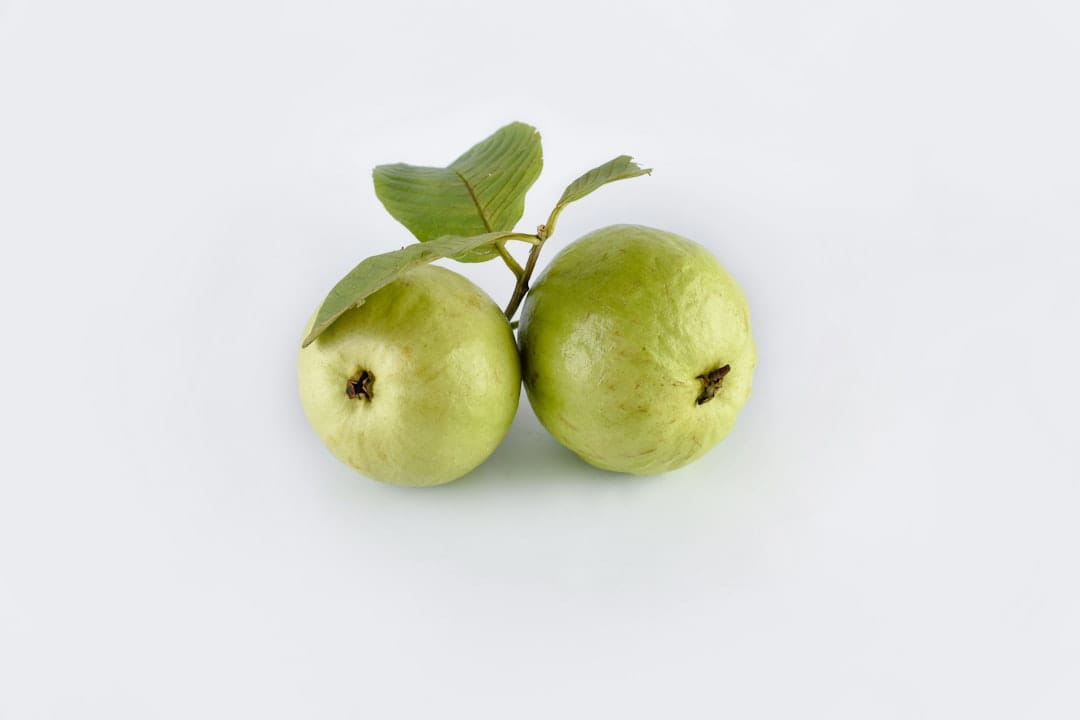
Guava leaves offer real benefits for blood sugar, cholesterol, digestion, skin, and hair. Here’s what the research shows and how to brew the tea at home.
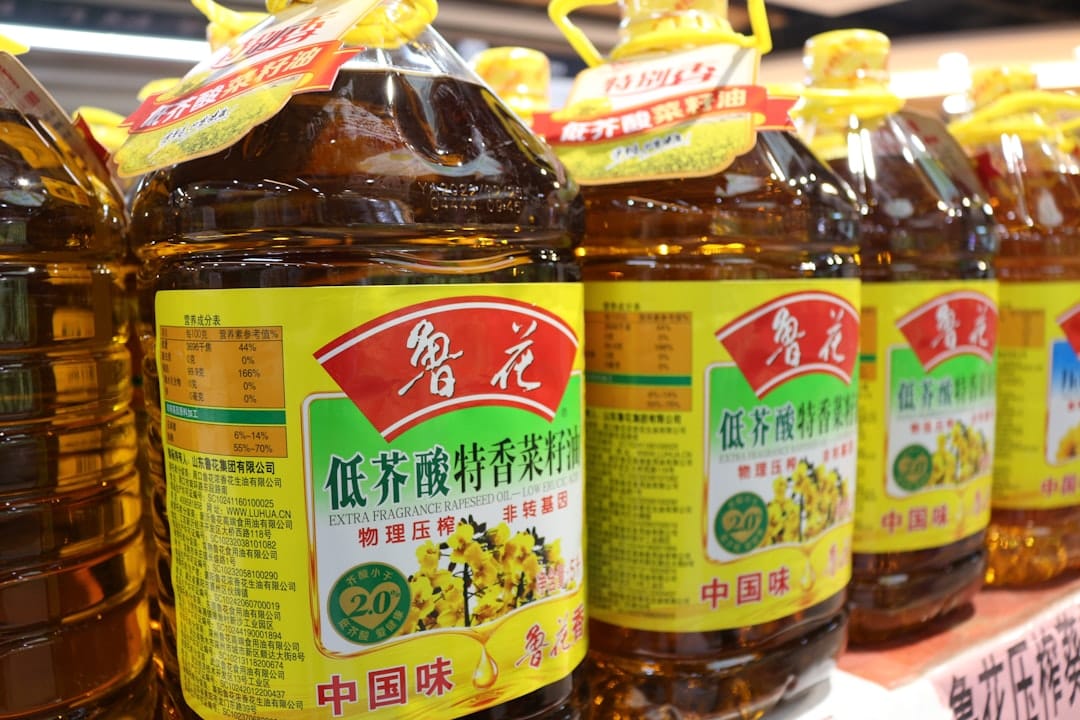
Peanut oil is rich in vitamin E, oleic acid, and phytosterols. Here’s what it may do for your heart, brain, joints, skin, and hair, plus the real risks.
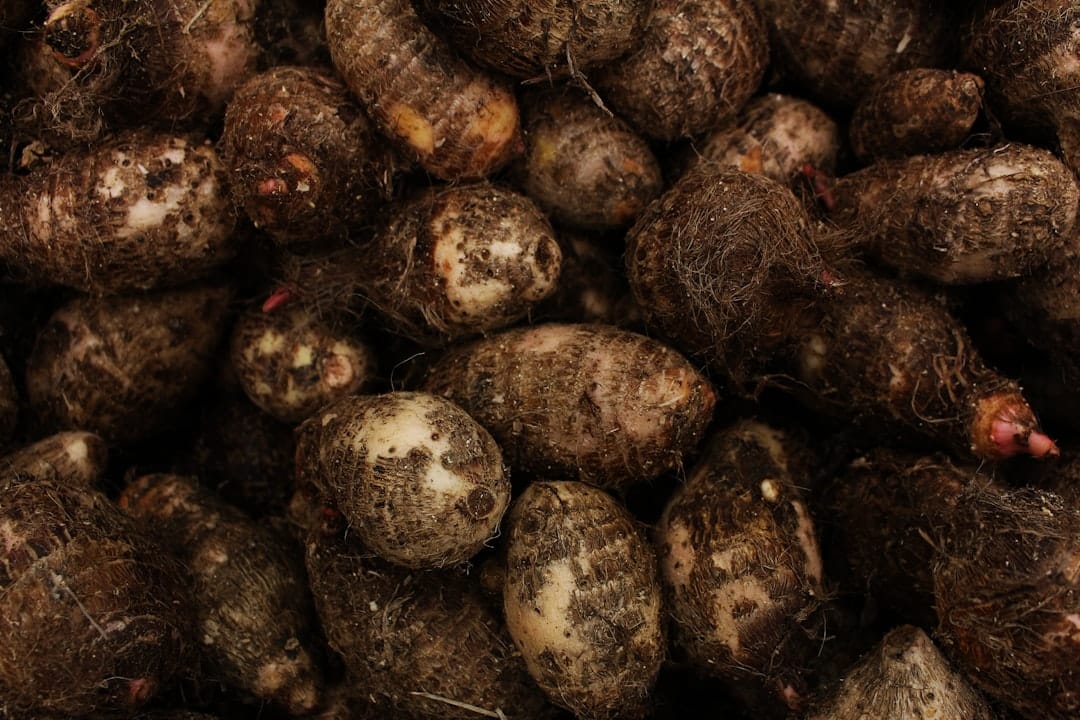
Yams offer fiber, potassium and diosgenin that may support skin, weight loss, blood sugar and menopause relief. Here’s what the research actually shows.
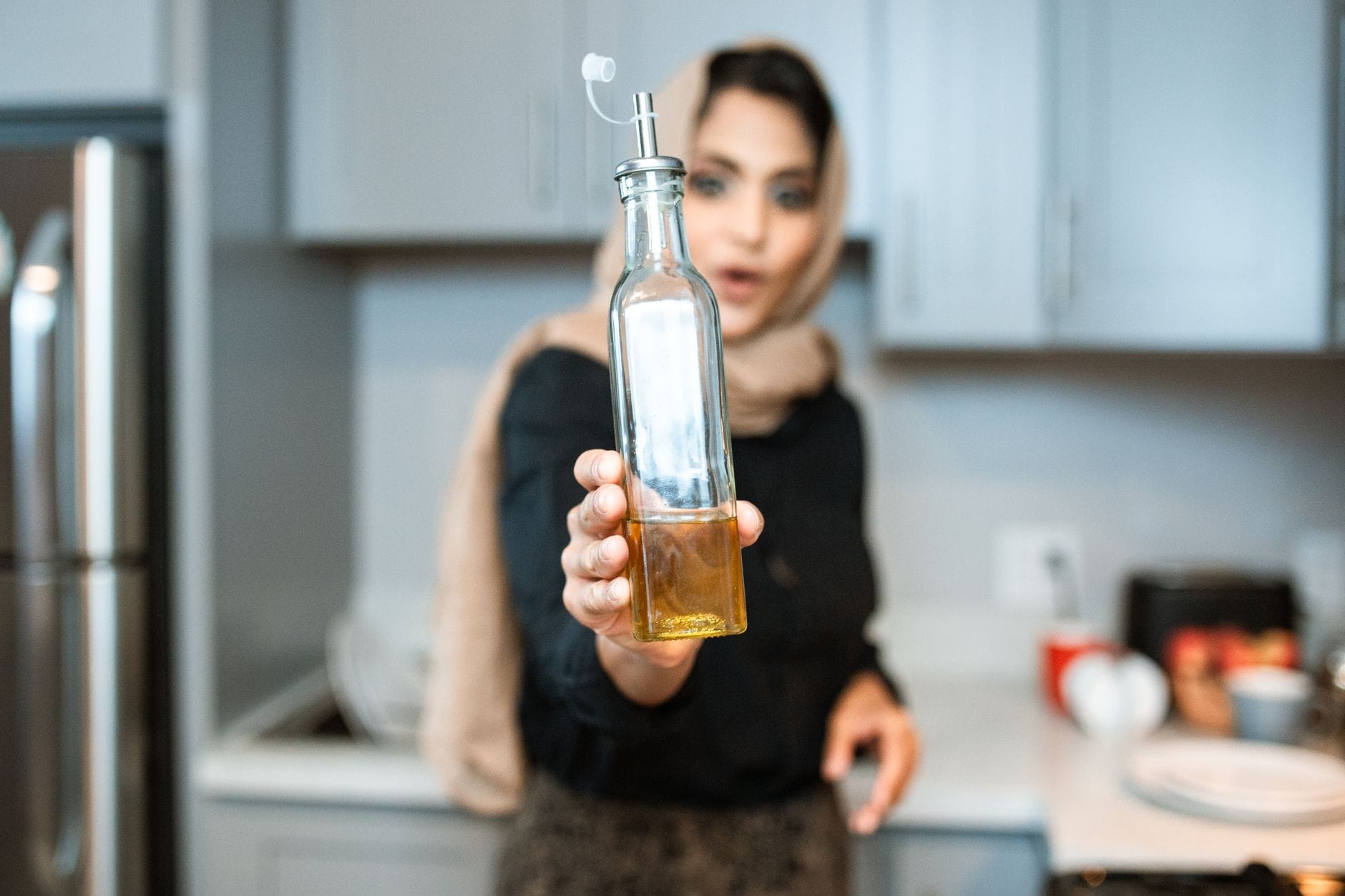
Olive oil is famously healthy, but too much can trigger acne, allergies, blood sugar dips, and more. Here are the side effects worth knowing before you pour.

Discover how tartaric acid supports digestion, immunity, and glucose tolerance, plus the side effects and everyday uses of this natural fruit acid.
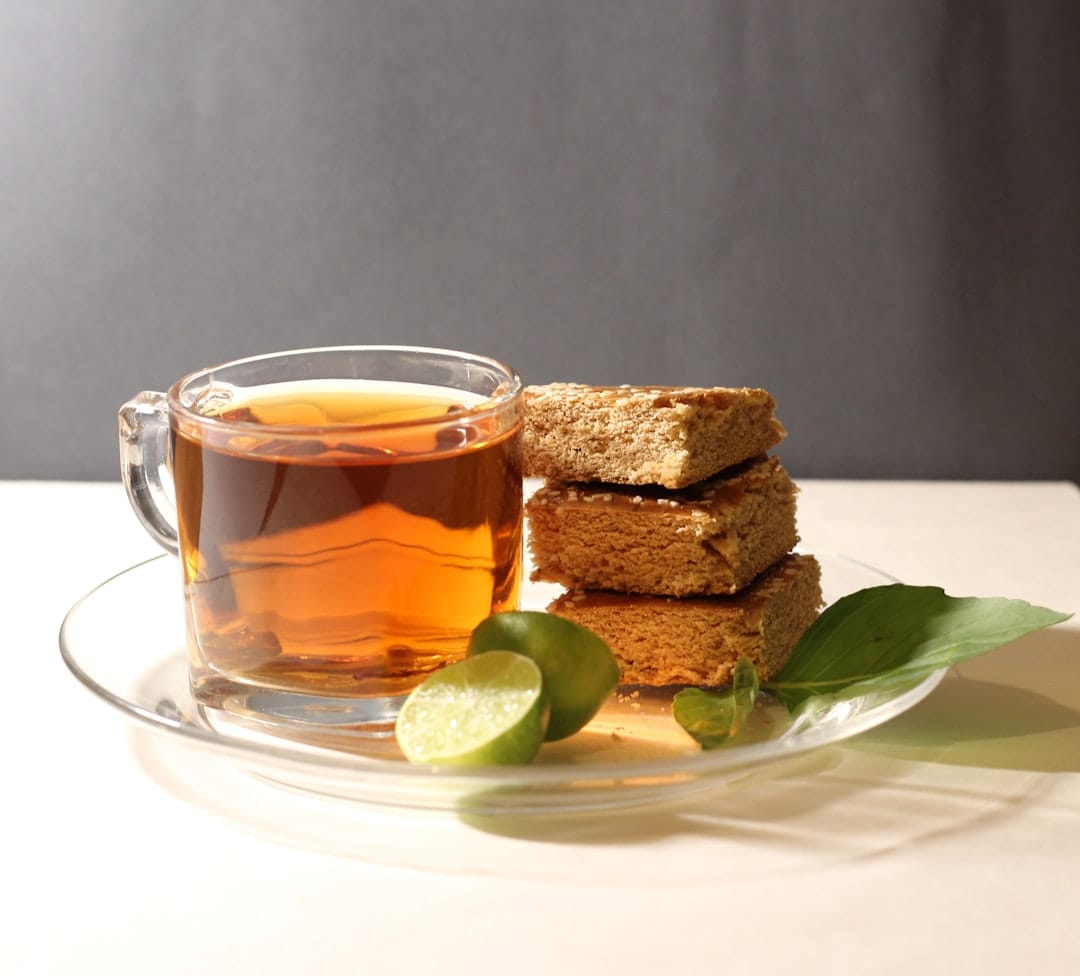
Lemon tea is refreshing, but too much can erode enamel, trigger heartburn, and upset your stomach. Learn the side effects and how to sip it safely.